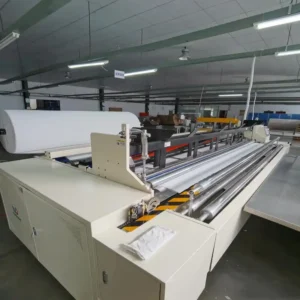
Toilet Paper Manufacturing Machine: A Comprehensive Guide to Production, Cutting, Rewinding, and Packaging
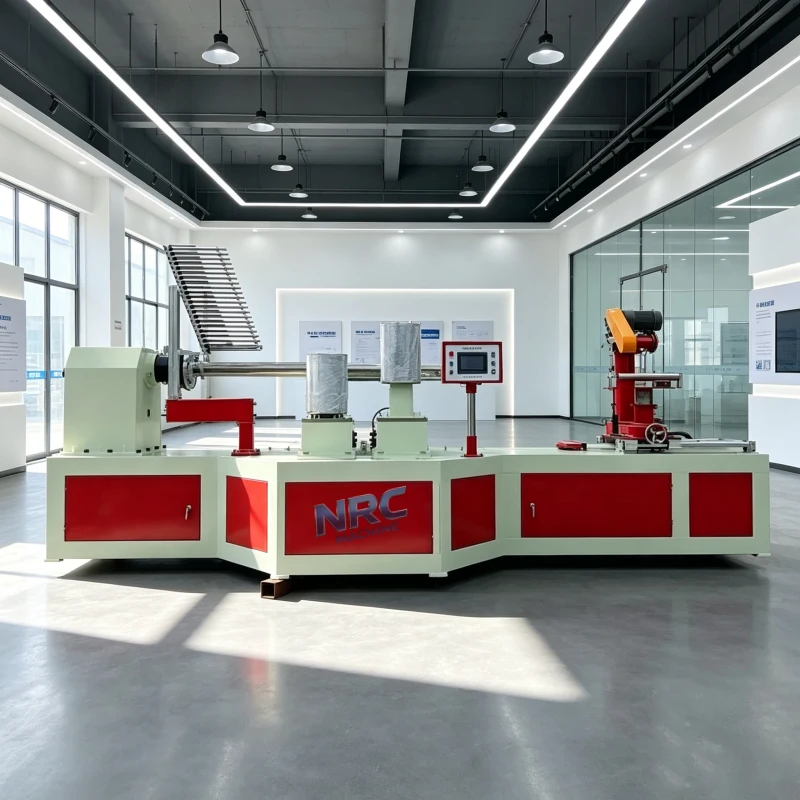
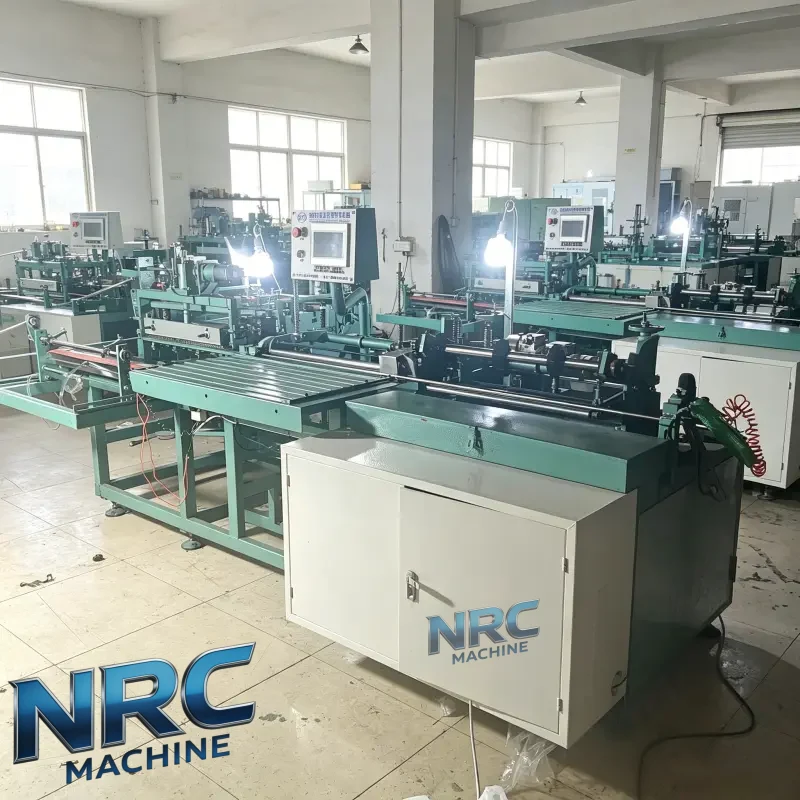
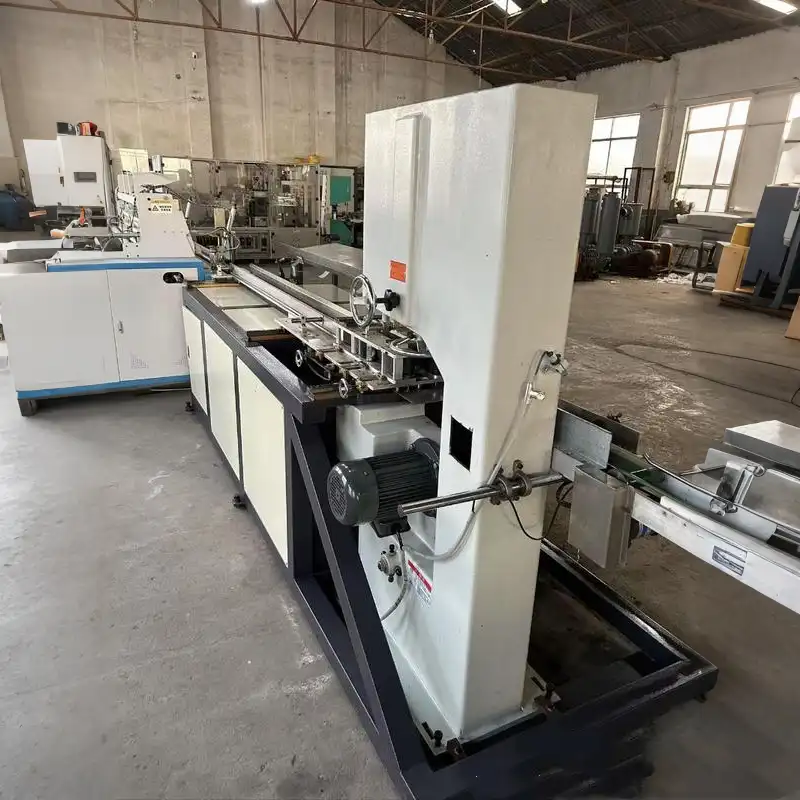
The toilet paper manufacturing machine is a sophisticated, fully automated system designed to transform raw materials into high-quality household toilet paper rolls through a seamless integration of pulping, forming, pressing, drying, slitting, rewinding, and packaging processes. This advanced machinery ensures consistent product quality, efficiency, and cost-effectiveness, meeting both consumer demands and industry standards for hygiene and sustainability.
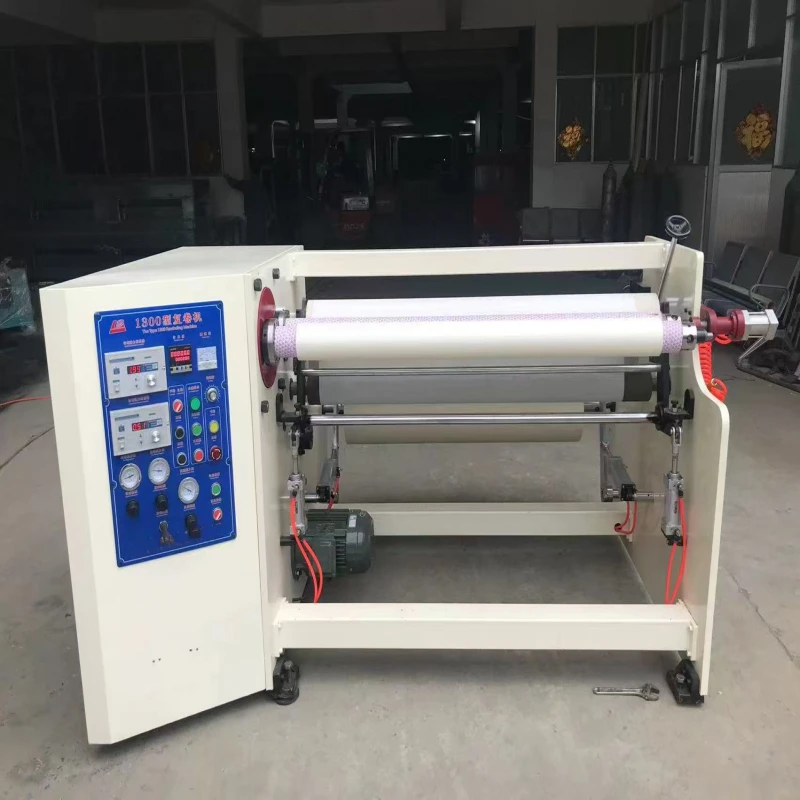
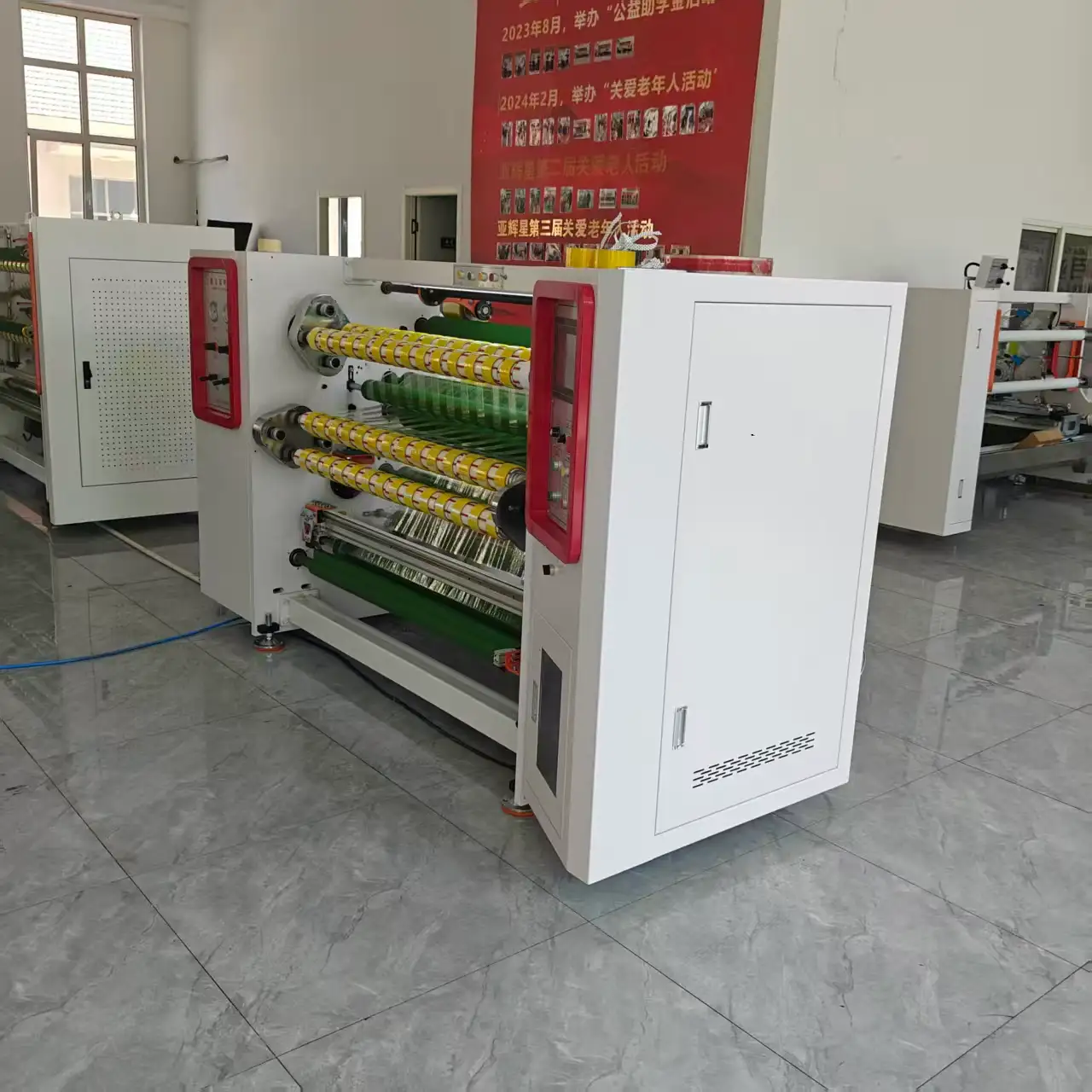
Cutting, Rewinding, and Core-Winding Technology:
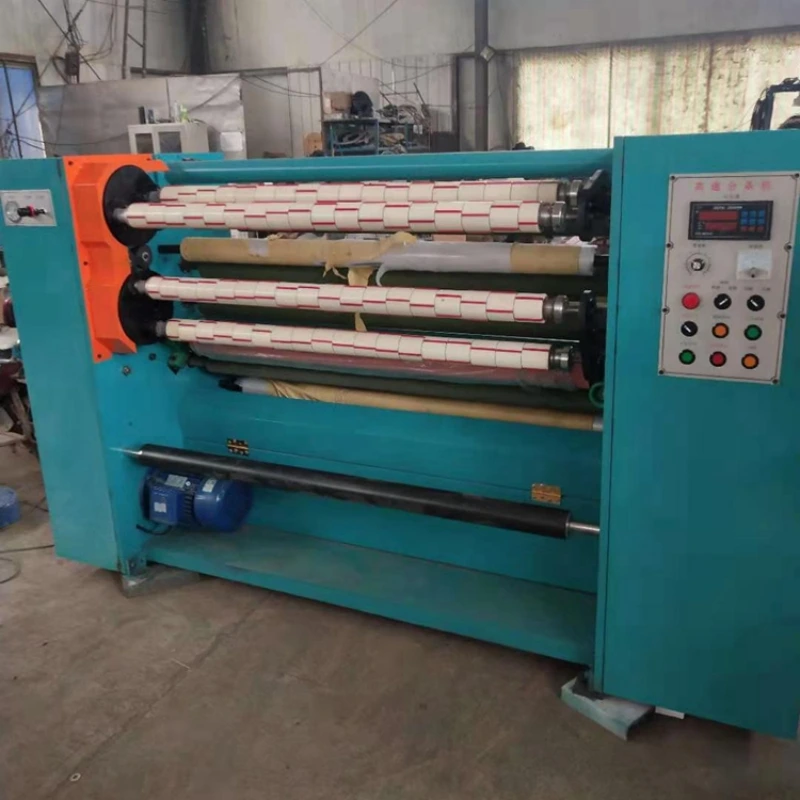
Slitting and Parent Roll Cutting:
- The jumbo rolls are unwound and precisely slit into narrower “parent rolls” using high-speed rotary blades or ultrasonic cutting systems.
- Cutting accuracy ensures consistent width and eliminates fraying.
Rewinding and Core Insertion:
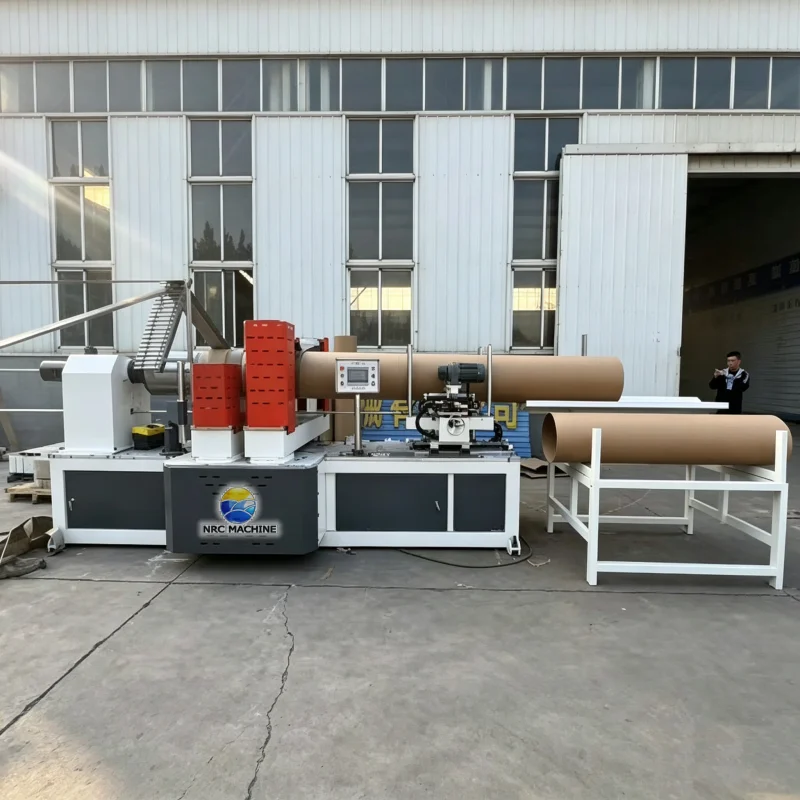
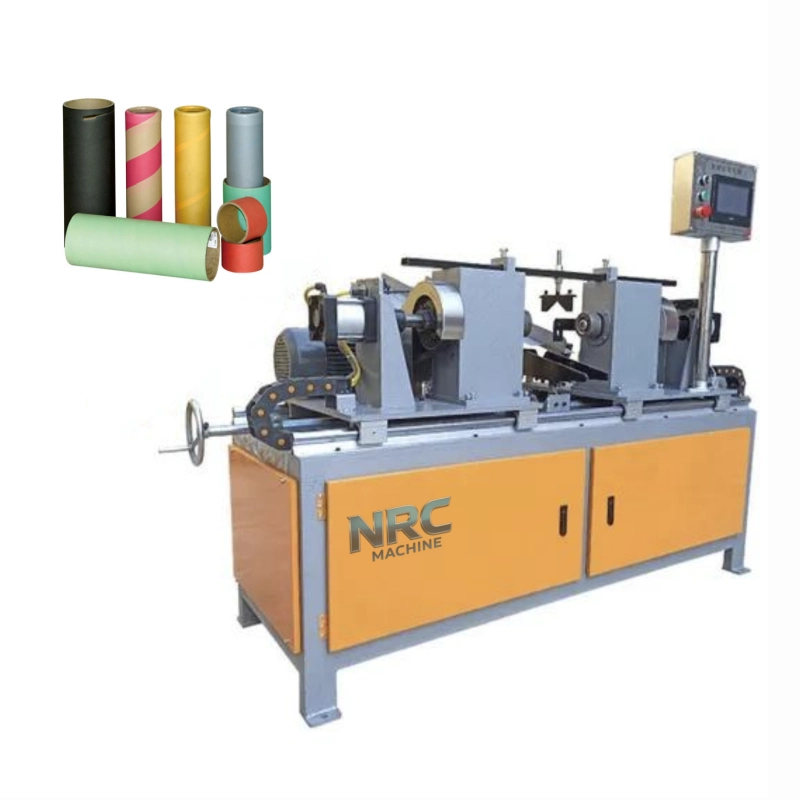
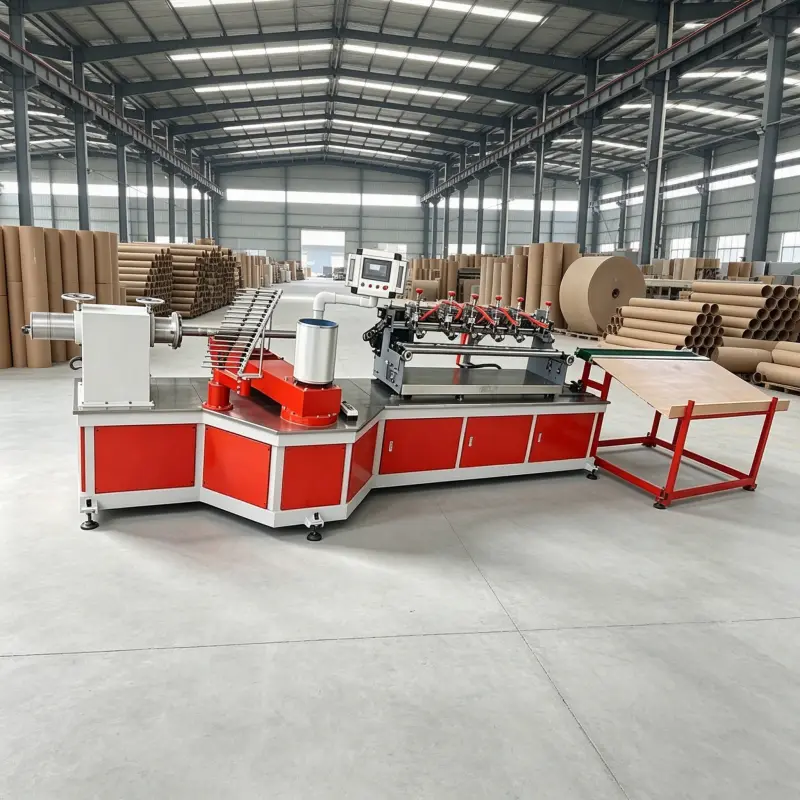
- A specialized rewinder machine winds the parent rolls onto cardboard cores of various diameters (commonly 76mm or 110mm).
- Tension control systems maintain uniform roll density, preventing loose ends or tight cores.
- Variable settings allow customization of roll lengths and ply counts (1-ply to 4-ply).
Quality Inspection:
- Inline sensors detect defects (tears, holes, uneven thickness) and automatically reject faulty rolls.
Packaging Automation and Solutions:
Primary Packaging:
- Individual toilet paper rolls are wrapped in plastic film, tissue paper, or eco-friendly biodegradable materials.
- Wrapping machines seal the rolls tightly to preserve hygiene and prevent moisture absorption.
Secondary Packaging:
- Rolls are grouped into multipacks (e.g., 4-roll, 6-roll, 12-roll packs) using high-speed robotic systems.
- Packs are shrink-wrapped, heat-sealed, or glued together for stability during transport.
Labeling and Branding:
- Automated printers apply product labels, barcodes, expiration dates, and branding graphics directly onto packaging.
- Variable data printing supports batch tracking and customization.
Palletizing and Logistics:
- Finished packs are stacked onto pallets by robotic arms for efficient warehousing and distribution.
Key Advantages and Considerations:
- Efficiency and Cost Savings:
- End-to-end integration reduces manual handling, minimizing labor costs and production time.
- High-speed machines can produce up to 30,000 rolls per hour.
- Sustainability Features:
- Capability to process recycled fibers aligns with eco-friendly production.
- Energy-efficient dryer systems (e.g., heat recovery units) lower operational costs and carbon footprints.
- Waste reduction systems recycle broken rolls or trimmings back into the pulping process.
- Flexibility and Customization:
- Modular designs allow manufacturers to scale capacity or add optional modules (e.g., embossing units for patterned paper).
- PLC (Programmable Logic Controller) systems enable remote monitoring, real-time adjustments, and predictive maintenance.
- Hygiene and Safety:
- Enclosed processing areas and sanitation protocols prevent contamination.
- CE/FDA certifications ensure compliance with global health and safety regulations.
Market Trends and Future Innovations:
- Sustainability-Driven Demand:Growing consumer preference for recycled and biodegradable products is driving manufacturers to adopt machines capable of handling diverse fiber types.
- Smart Automation:AI-powered systems are being integrated to optimize production parameters based on real-time data (e.g., energy consumption, defect rates).
- Packaging Innovation:Development of minimalist packaging designs and reusable/recyclable materials to reduce environmental impact.
- Digital Printing:On-machine direct printing allows for personalized packaging designs or promotional messages, enabling brand differentiation.
Why Invest in a Complete System?
A fully integrated toilet paper manufacturing machine with cutting, rewinding, and packaging capabilities offers:
- End-to-End Control:Streamlined production from pulp to shelf-ready product.
- Consistent Quality:Automated processes minimize human error and product variability.
- Scalability:Easily adaptable to meet fluctuating market demands.
- Competitive Advantage:Sustainable and efficient production boosts profitability and brand reputation.
In Summary:
The modern toilet paper manufacturing machine is a testament to engineering excellence, blending precision mechanics, automation, and sustainability to meet the ever-evolving needs of the global hygiene paper market. By integrating advanced cutting, rewinding, and packaging technologies, manufacturers can achieve unparalleled efficiency, product excellence, and market agility in this essential consumer goods sector.