

Toilet Paper Making: Basic Machinery and Full Automatic Production Line
Introduction
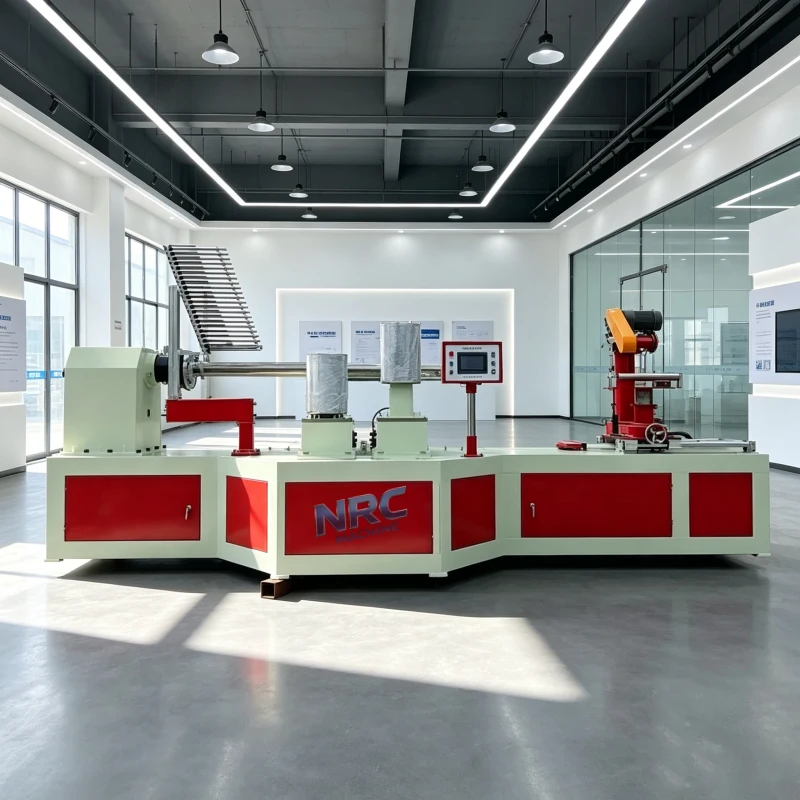
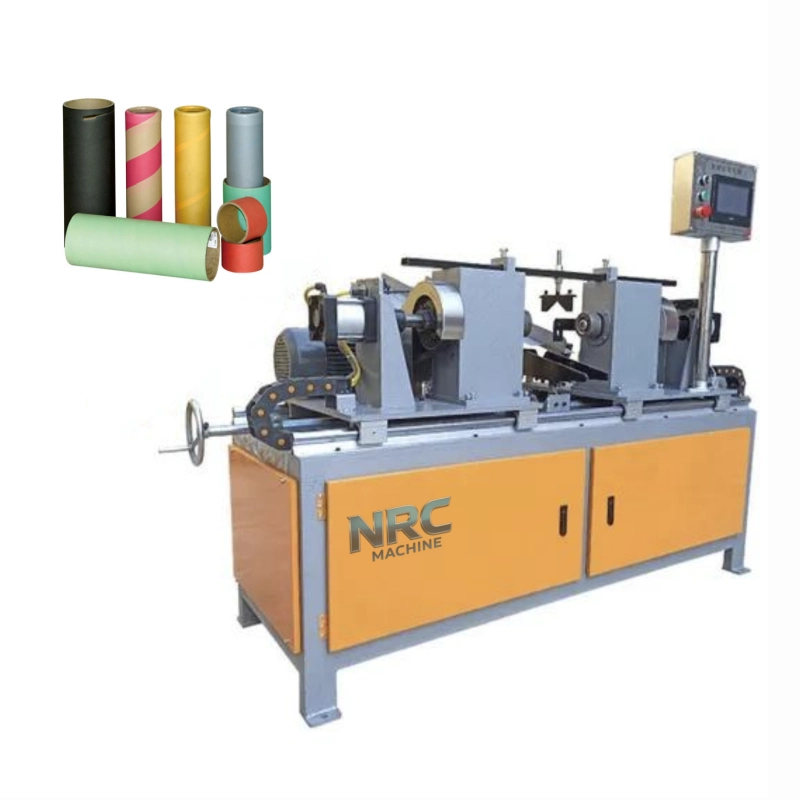
Toilet paper making basic machinery has evolved significantly with advancements in automation and machinery technology. A full automatic toilet paper production line integrates various machines to ensure high efficiency, consistent quality, and minimal human intervention. This article outlines the core machinery involved in the process, including the rewinder, cutter, single roll packing machine, and multi-rolls packaging machine, providing a comprehensive overview of their functions and roles within the production line.
Core Machinery in Toilet Paper Production
2.1 Rewinder
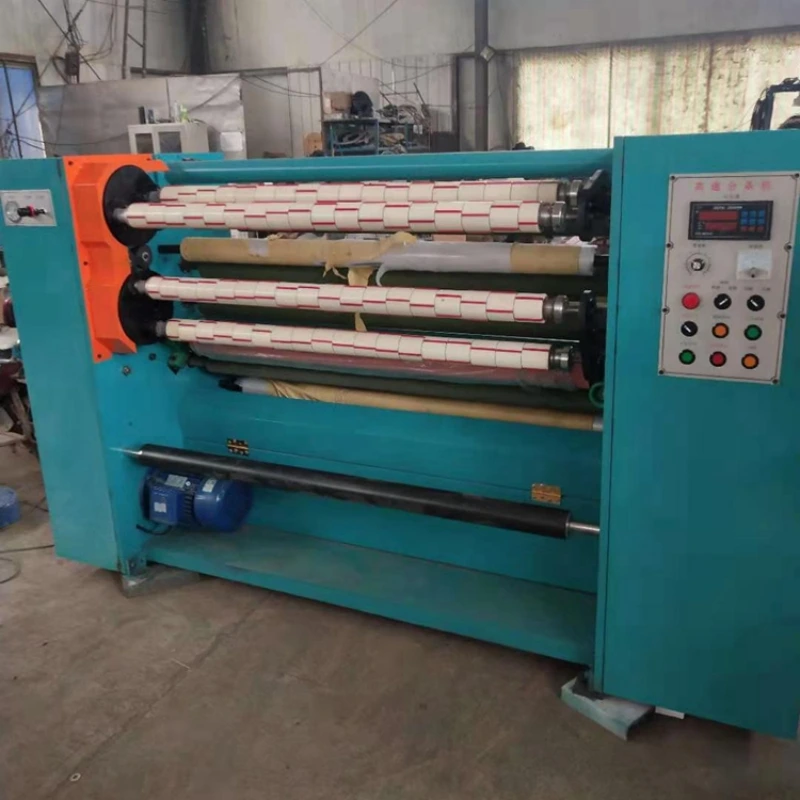
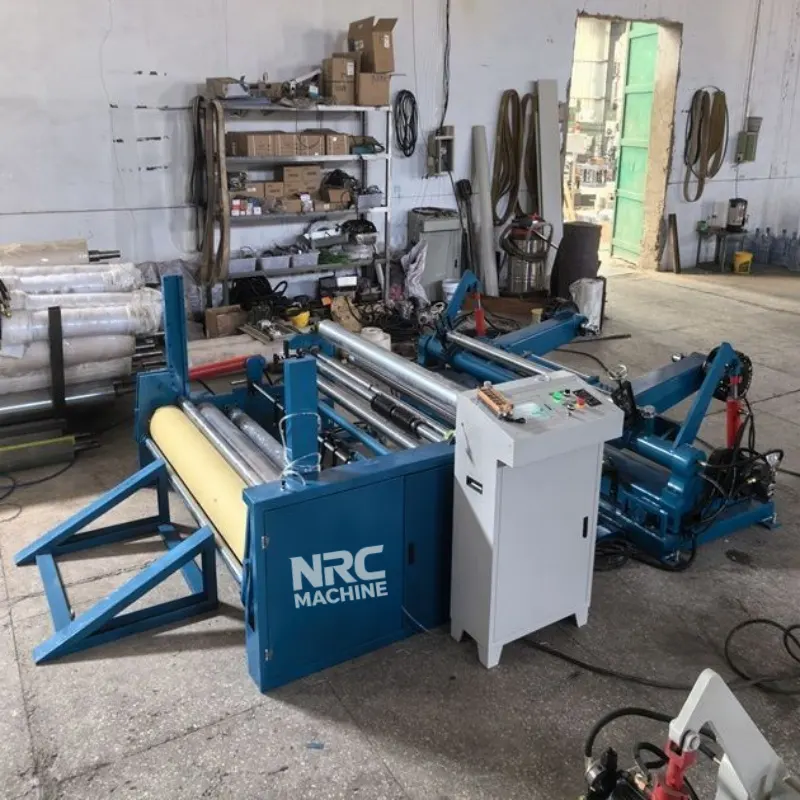
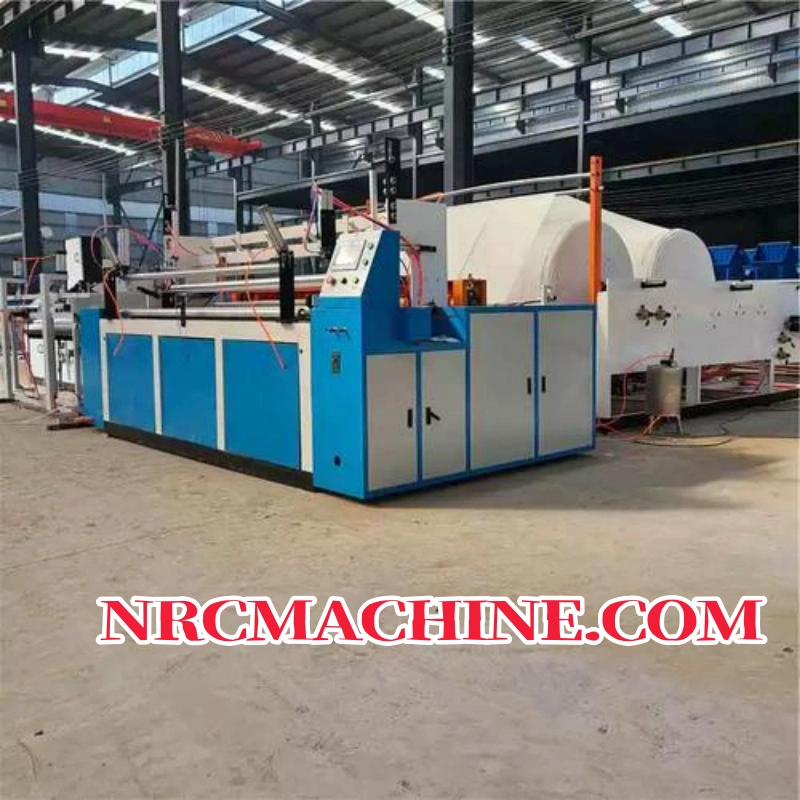
The rewinder is the cornerstone of the toilet paper production line. It takes large jumbo rolls of parent paper (usually produced from a paper machine) and rewinds them into smaller, consumer-friendly rolls. The rewinding process involves:
- Unwinding the parent roll at a controlled tension.
- Slitting the wide web into narrower strips according to the desired roll width.
- Rewinding the slitted sheets onto cardboard cores (or coreless, depending on design).
- Ensuring uniform roll density and tightness.
Modern rewinders are equipped with automatic core insertion, tension control systems, and electronic counters, enabling precise and continuous operation.
2.2 Cutter (Log Saw or Cut-Off Machine)
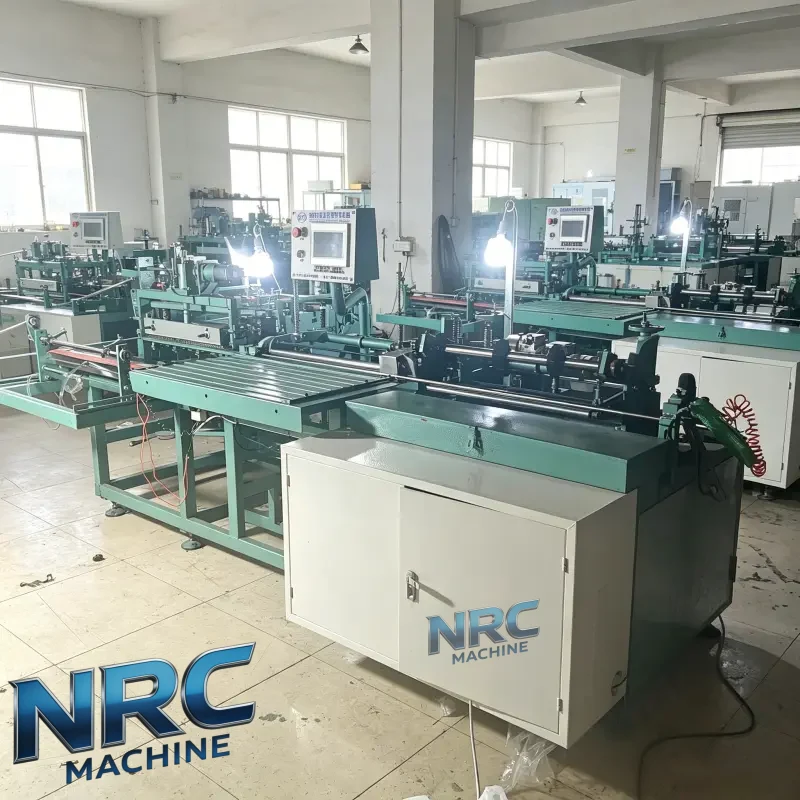
After rewinding, the continuous logs (long rolls) need to be cut into individual consumer-sized rolls. The cutter, often referred to as a log saw or cut-off machine, performs this task with high precision. Key features include:
- Rotary cutting blades for clean, burr-free cuts.
- Adjustable cutting length to accommodate different roll sizes (e.g., regular, mega, or jumbo).
- Synchronization with the rewinder speed to maintain continuous flow.
- Dust extraction systems to maintain a clean working environment.
The cutter ensures uniformity in roll length, which is critical for downstream packaging.
2.3 Single Roll Packing Machine
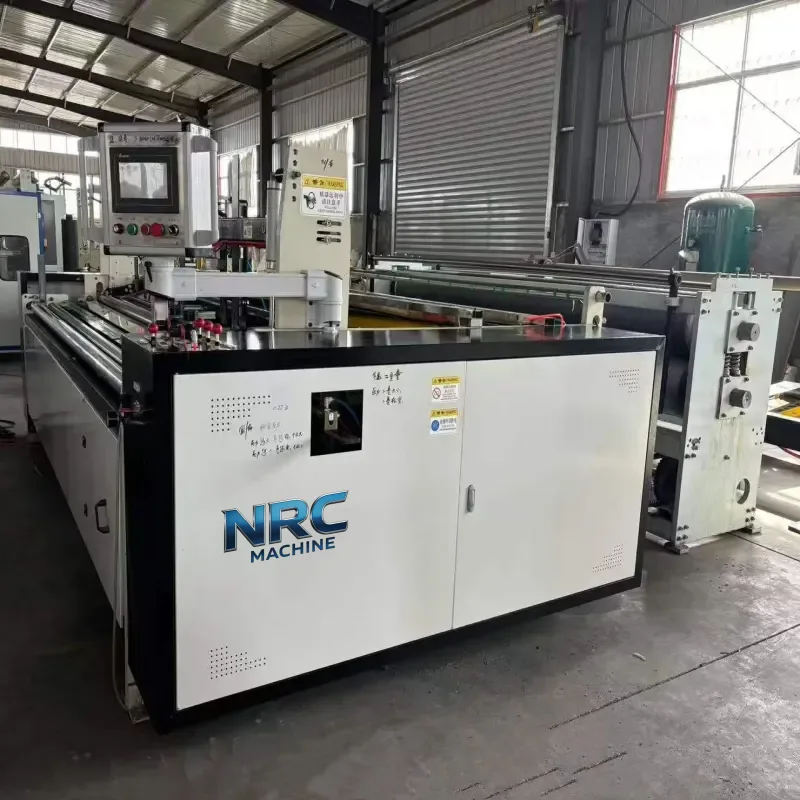
Once cut, individual rolls may be packed singly, especially for premium or commercial products. The single roll packing machine wraps each roll in plastic film (typically polyethylene) and seals it. Its main functions include:
- Film feeding and forming around the roll.
- Heat sealing or adhesive sealing of the packaging.
- Optional integration of date coding, labeling, or logo printing.
- Ejection of finished packed rolls into collection bins or conveyors.
This machine enhances product hygiene, shelf life, and visual appeal.
2.4 Multi-Rolls Packaging Machine
For bulk packaging (e.g., 4, 6, 9, or 12 rolls per pack), the multi-rolls packaging machine groups pre-packed single rolls and wraps them into a single unit. It typically includes:
- A sorting and arranging system to group rolls in predefined configurations.
- Shrink film or stretch film wrapping, followed by heat tunnel shrinking for a tight fit.
- Automatic sealing and cutting of packaging film.
- Integration with labeling systems for barcodes or promotional tags.
This machine increases packaging speed and reduces labor costs in high-volume production.
Full Automatic Production Line Integration
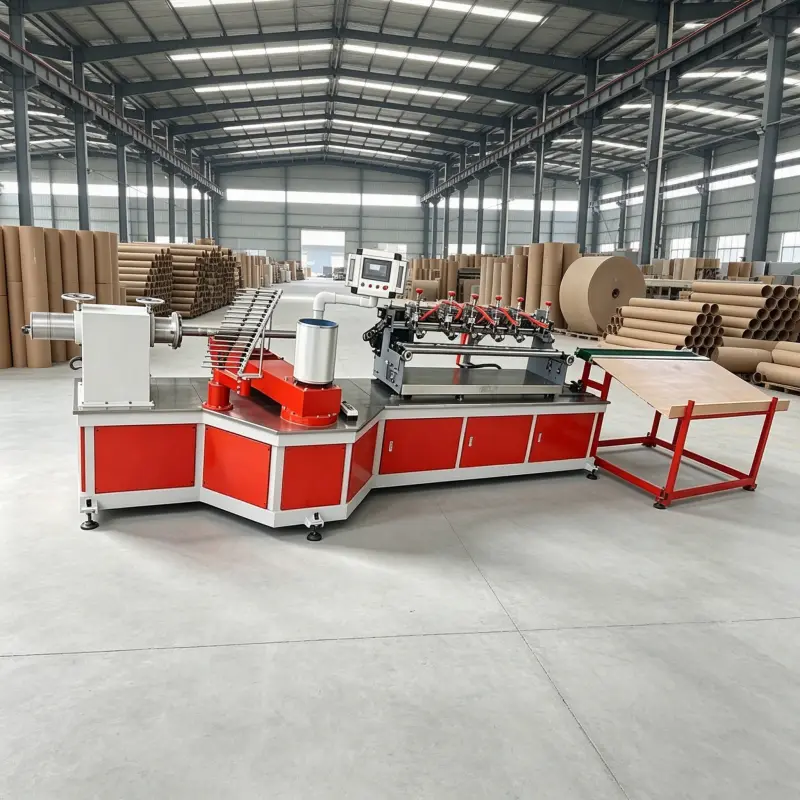
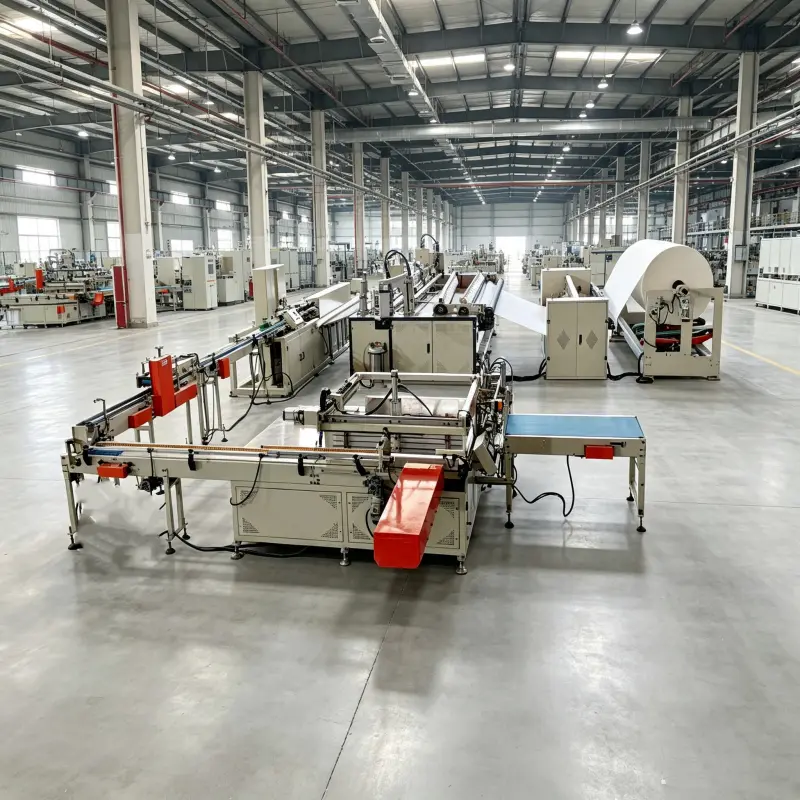
A full automatic toilet paper making line seamlessly connects all the above machines through conveyor systems and centralized control (PLC-based automation). Key characteristics include:
- Synchronization:All machines operate in harmony, with sensors and feedback loops ensuring smooth material flow.
- Human-Machine Interface (HMI):Operators can monitor and adjust settings via a touchscreen interface.
- Quality Control:Integrated cameras or sensors detect defects (e.g., misaligned cuts, packaging errors) and trigger rejection mechanisms.
- High Output Capacity:Fully automatic lines can produce thousands of rolls per minute, depending on configuration.
- Minimal Labor Requirement:Automation reduces the need for manual handling, lowering labor costs and contamination risks.
Benefits of a Full Automatic Toilet Paper Production Line
- Increased Efficiency:Continuous operation with minimal downtime.
- Consistent Product Quality:Precision engineering ensures uniform roll size, packaging, and appearance.
- Scalability:Lines can be expanded or reconfigured for different product types.
- Cost-Effectiveness:Long-term savings through reduced waste and labor.
- Compliance:Meets hygiene and safety standards required in consumer goods manufacturing.
Conclusion
The modern toilet paper making process relies heavily on advanced machinery to meet growing global demand. From the rewinder to the multi-rolls packaging machine, each component plays a vital role in transforming raw parent rolls into market-ready products. A full automatic toilet paper making line not only enhances productivity but also ensures product consistency and packaging excellence. As technology continues to advance, we can expect even smarter, greener, and more efficient systems to emerge in the tissue paper industry.