A facial tissue factory can look simple from the outside – paper goes in, boxed tissues come out. In practice, profit depends on machine selection, raw material planning, product positioning, and production discipline. If you are evaluating how to start a facial tissue manufacturing business, the first decision is not branding or packaging design. It is whether your plant setup matches the market you want to serve.

This business can work well in both established and high-growth markets because facial tissue is a repeat-purchase product. Demand comes from households, offices, hotels, clinics, restaurants, schools, and distributors. But margins can tighten quickly if your line speed is too low, your jumbo roll quality is inconsistent, or your packaging format does not fit local buying habits.
How to start a facial tissue manufacturing business with the right model
Before you buy equipment, define your business model clearly. Some investors plan to build a retail brand and target supermarkets. Others supply unbranded or private label facial tissue to wholesalers, institutions, and regional distributors. Those are different businesses, even if they use similar converting equipment.
A retail-focused model usually requires better packaging presentation, stronger quality consistency, and more working capital for inventory and market development. A distributor-focused model can be easier to launch because volume matters more than shelf appeal, but pricing pressure is often higher. In either case, your product specification should be decided early: sheet size, ply count, fold type, box count, and softness level all affect machine configuration and production cost.
The most common mistake at this stage is starting with machinery first and market second. A machine should fit a sales plan, not the other way around.
Start with market demand, not factory size
In facial tissue manufacturing, overcapacity can hurt just as much as undercapacity. A line that is too small may limit growth, but a line that is too large can leave you carrying idle equipment, excess labor, and unnecessary overhead.
Study your target sales channels in practical terms. Ask what box sizes sell fastest, whether customers prefer 2-ply or 3-ply tissue, and whether soft premium tissue or economical daily-use tissue has stronger turnover. In some markets, compact boxed tissue sells better in urban retail. In others, bulk packs for wholesalers and institutions move faster.
You also need to understand local competition. If the market is already crowded with low-price products, your entry strategy may need to focus on cost efficiency and reliable distribution. If premium products are limited, there may be room for a better-finished, cleaner-packed product with stronger margins. The answer depends on your region, customer type, and how much sales effort you can support after production starts.
Choose the production line based on output and finish
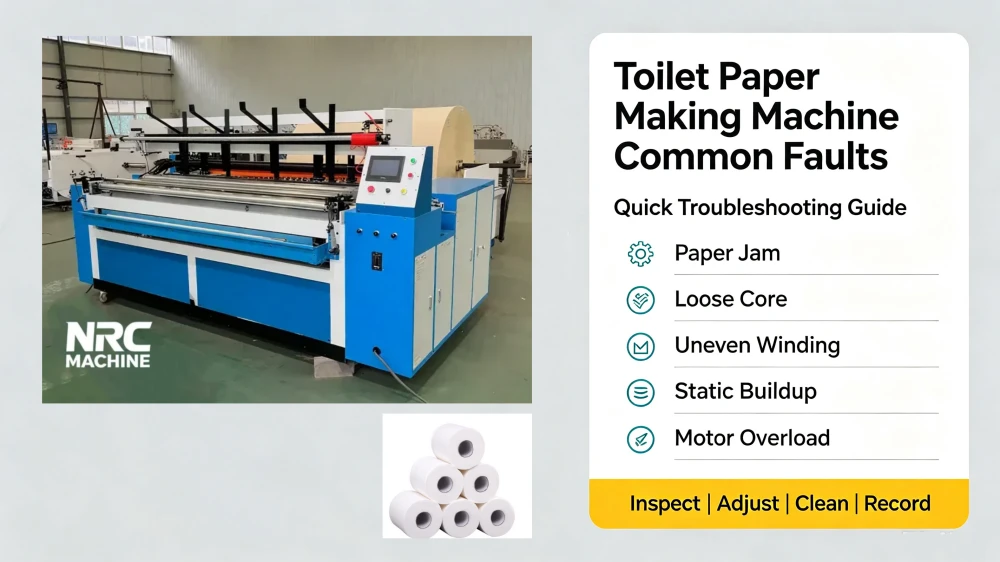
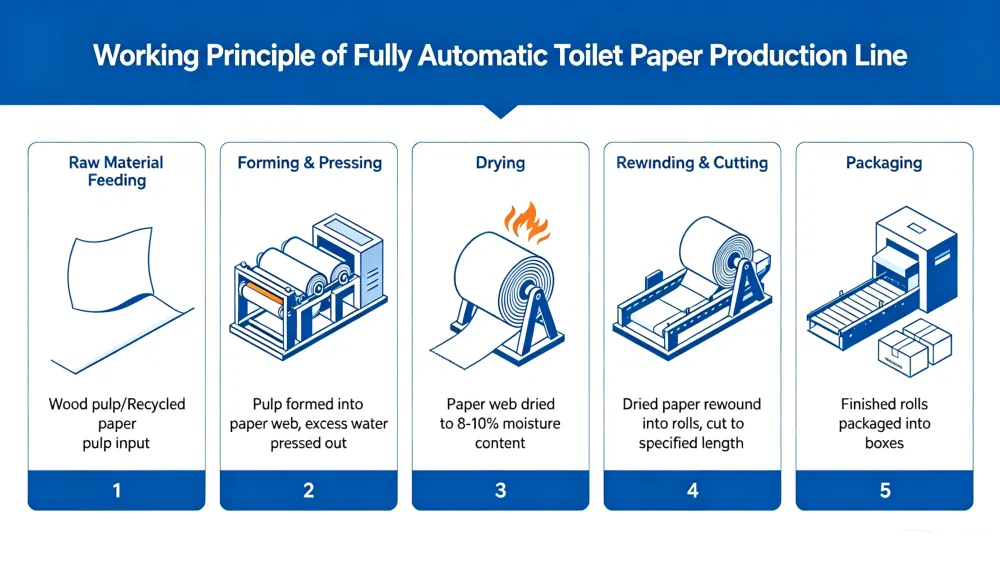
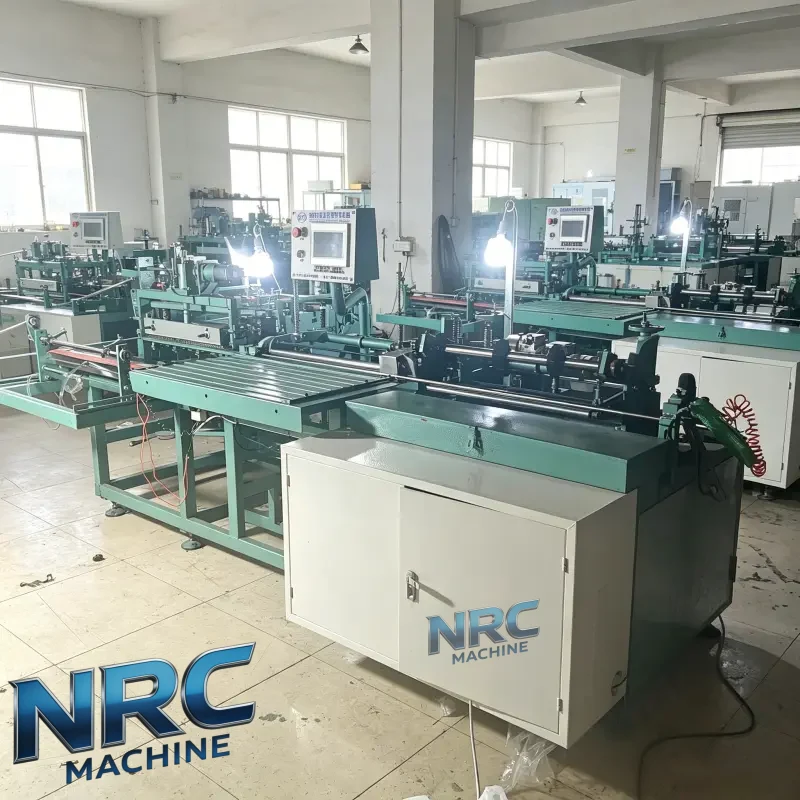
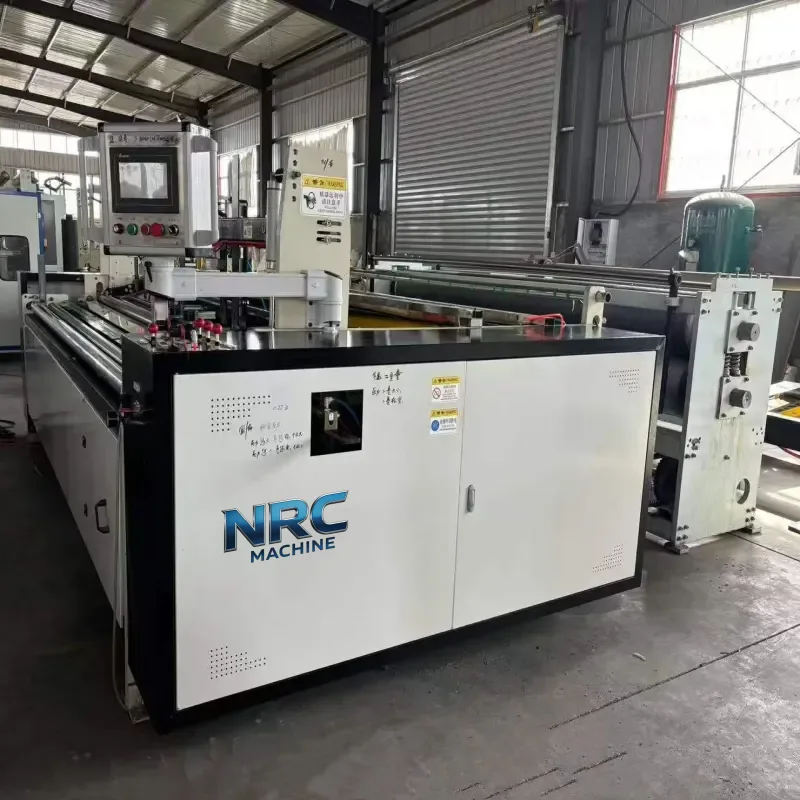
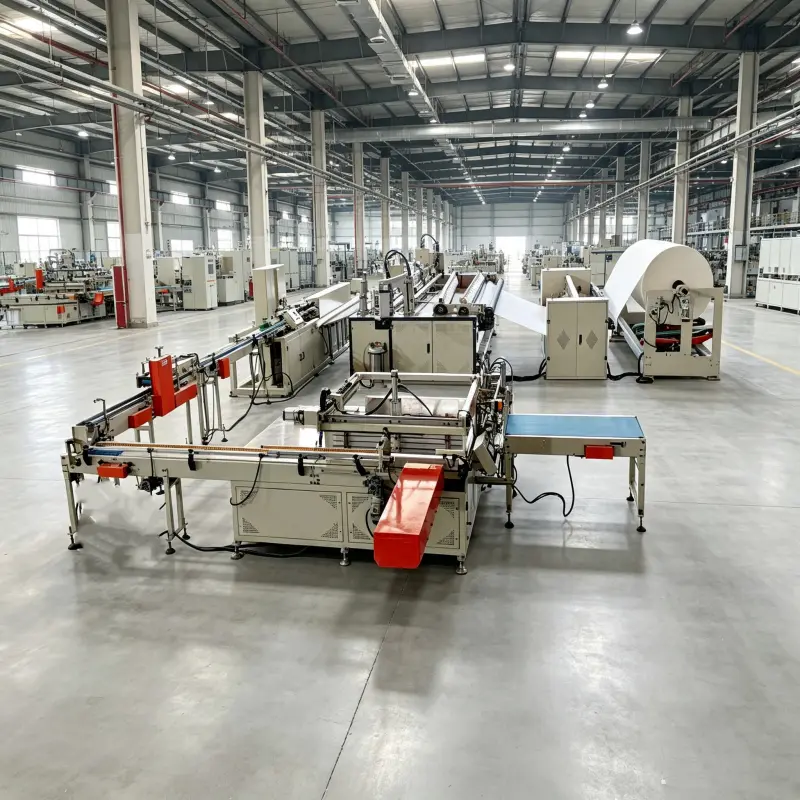
A facial tissue manufacturing business is built around converting jumbo tissue rolls into finished folded, counted, and packed products. Your production line typically includes a facial tissue making machine, cutting system, and packing solution. Depending on your target output, automation level becomes a major investment decision.
A semi-automatic setup can reduce initial capital cost and may suit smaller factories or first-stage market entry. The trade-off is higher labor dependence, lower consistency in some operations, and slower throughput. A more automated line requires a larger initial budget but usually improves output stability, packaging speed, and labor efficiency.
When evaluating machinery, focus on actual operating conditions rather than only theoretical speed. Ask about parent roll width compatibility, embossing options, fold type, paper GSM range, installed power, compressed air requirements, waste rate, and changeover time. For export buyers, after-sales support and spare parts availability are not secondary issues. They directly affect downtime risk.
This is where working with an experienced factory-based supplier matters. A manufacturer with broad converting experience can help match the machine to your tissue specification, packaging style, and expansion plan instead of simply quoting the fastest model.
Raw materials will shape both quality and margin
Your largest ongoing cost is usually jumbo tissue roll supply. If raw material quality fluctuates, your finished product quality will fluctuate too. Facial tissue customers notice softness, absorbency, whiteness, sheet strength, and lint level very quickly.
You can source virgin pulp tissue, mixed pulp grades, or other paper qualities depending on your market position. Premium retail products often need better softness and appearance, while value products may accept more basic specifications. Lower-cost raw material may improve short-term pricing but can increase breakage, dust, reject rate, and customer complaints.
Packaging materials also matter more than many new entrants expect. Tissue boxes, poly film, printing quality, and carton strength affect presentation, transport protection, and sales acceptance. If your market includes wholesale delivery over long distances, weak secondary packaging can create avoidable losses.
The better approach is to build your costing model around total conversion economics: jumbo roll cost, packaging cost, labor, electricity, maintenance, warehouse handling, transport, and reject rate. A tissue product that looks profitable on paper may not stay profitable after real operating losses are included.
Factory setup, utilities, and workflow planning
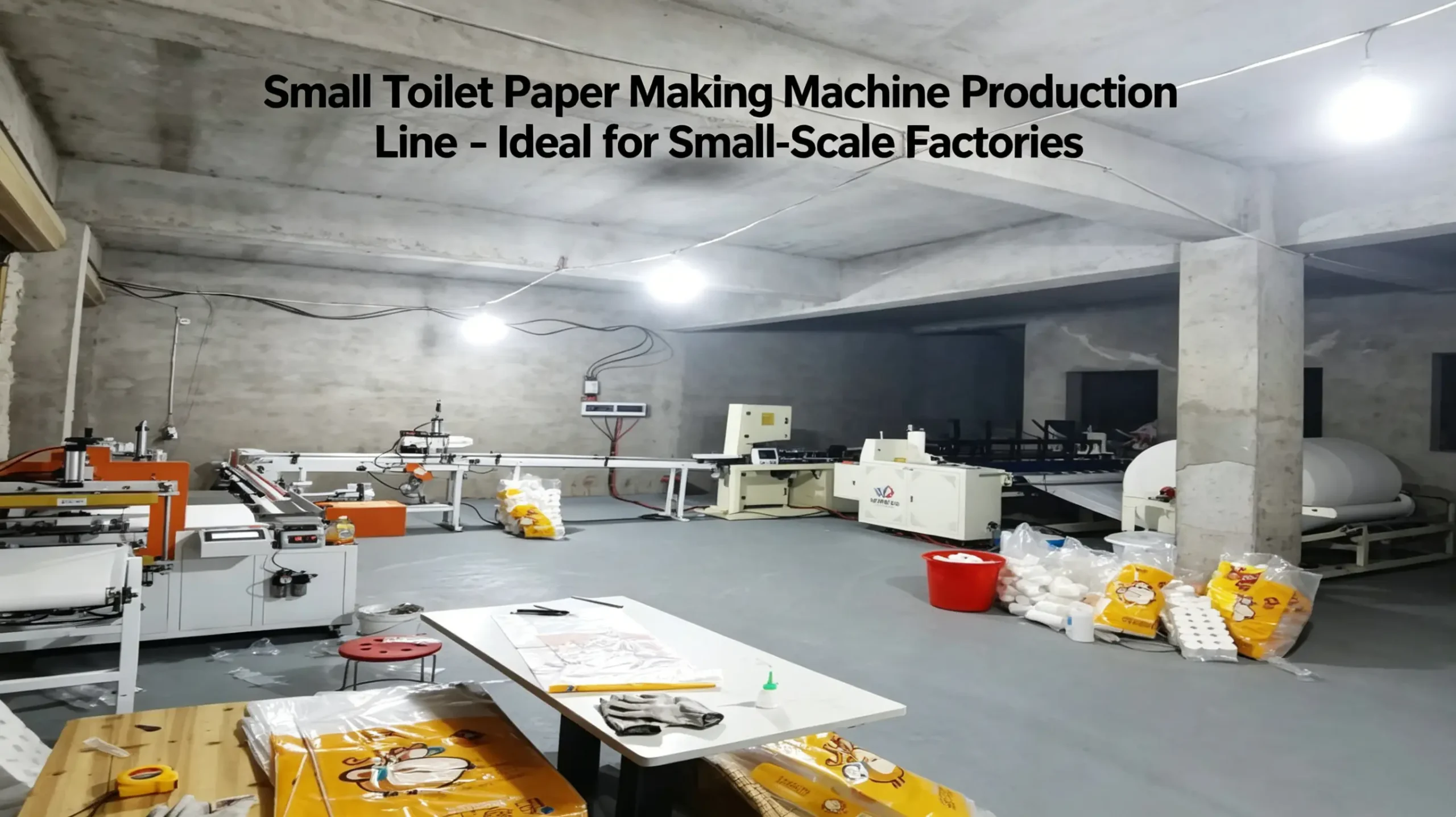
A facial tissue plant does not need the complexity of a full paper mill, but it still requires disciplined layout planning. Material flow should move logically from jumbo roll storage to converting, cutting, packing, finished goods storage, and dispatch. Poor layout increases handling time, damages paper rolls, and creates bottlenecks around packaging and warehousing.
Your building should provide stable power, ventilation, enough floor space for machine operation and maintenance access, and dry storage conditions for paper and packaging. Humidity control is worth attention because tissue paper is sensitive to environmental conditions. If the storage area is not suitable, you may face paper deformation, packing issues, or quality inconsistency.
Utilities should be reviewed early. Some lines require reliable compressed air systems, specific voltage standards, and steady electrical supply. In locations with unstable power, backup planning is part of production planning, not an optional extra.
Licenses, compliance, and quality control
If you want to know how to start a facial tissue manufacturing business in a way that can scale, treat compliance and quality control as operating foundations. You will need the correct business registration, local manufacturing approvals, tax setup, labor compliance, and packaging label compliance for your target market.
If you plan to supply retail chains or institutional buyers, quality consistency becomes a commercial requirement. Batch tracking, sheet count accuracy, product dimensions, and packaging integrity all need to be controlled. Even where facial tissue is a low-ticket product, buyers expect repeatable standards.
This is also why machine quality matters. CE-certified equipment, documented technical support, and proper commissioning support can reduce startup errors and help standardize production faster. For an export-based machinery purchase, clear installation guidance and responsive communication are part of the investment value.
Build your numbers conservatively
Many new investors underestimate working capital. Machinery is only one part of the project. You also need funds for raw materials, packaging, rent or building preparation, labor, electricity deposits, transport, maintenance items, and inventory carrying costs during your early sales cycle.
A conservative financial plan should estimate monthly break-even output, not just machine capacity. If your machine can produce more than you can sell in the first six months, that does not improve your business. It may only increase storage and cash pressure.
It helps to model three scenarios: cautious, expected, and aggressive. If the business only works under aggressive sales assumptions, the project needs more review. Strong tissue operations are usually built on stable repeat orders, not optimistic projections.
Sales strategy matters as much as production
A good production line does not create demand by itself. Before launch, you should know who will buy your tissue, how often, in what quantities, and at what payment terms. A distributor network can move volume faster, but margins may be thinner. Direct supply to supermarkets or institutions can improve brand visibility or contract stability, but qualification and payment cycles may be longer.
For many new manufacturers, starting with a mix of private label, wholesale, and regional branded sales is more practical than trying to build a national consumer brand immediately. It spreads risk and gives the factory time to stabilize quality.
Packaging design, carton configuration, and case quantity should support your channel strategy. A strong product at the wrong pack format can still fail commercially.
Work with suppliers that support expansion
Your first line should not trap you. If demand grows, you may need higher speed, different fold formats, or more automated packing. That is why machinery planning should consider future scaling from the start.
An experienced supplier such as NRC Machine can support buyers who need factory-direct equipment, export-ready service, and practical guidance across paper converting applications. That kind of support is valuable when your project includes not only machine procurement, but installation planning, spare parts management, and long-term capacity development.
Starting a facial tissue manufacturing business is not about buying a machine and waiting for orders. It is about building a production operation that can deliver consistent product, controlled cost, and dependable supply. If you make your decisions based on real market demand, suitable equipment, and disciplined operating numbers, the business has room to grow on solid ground.