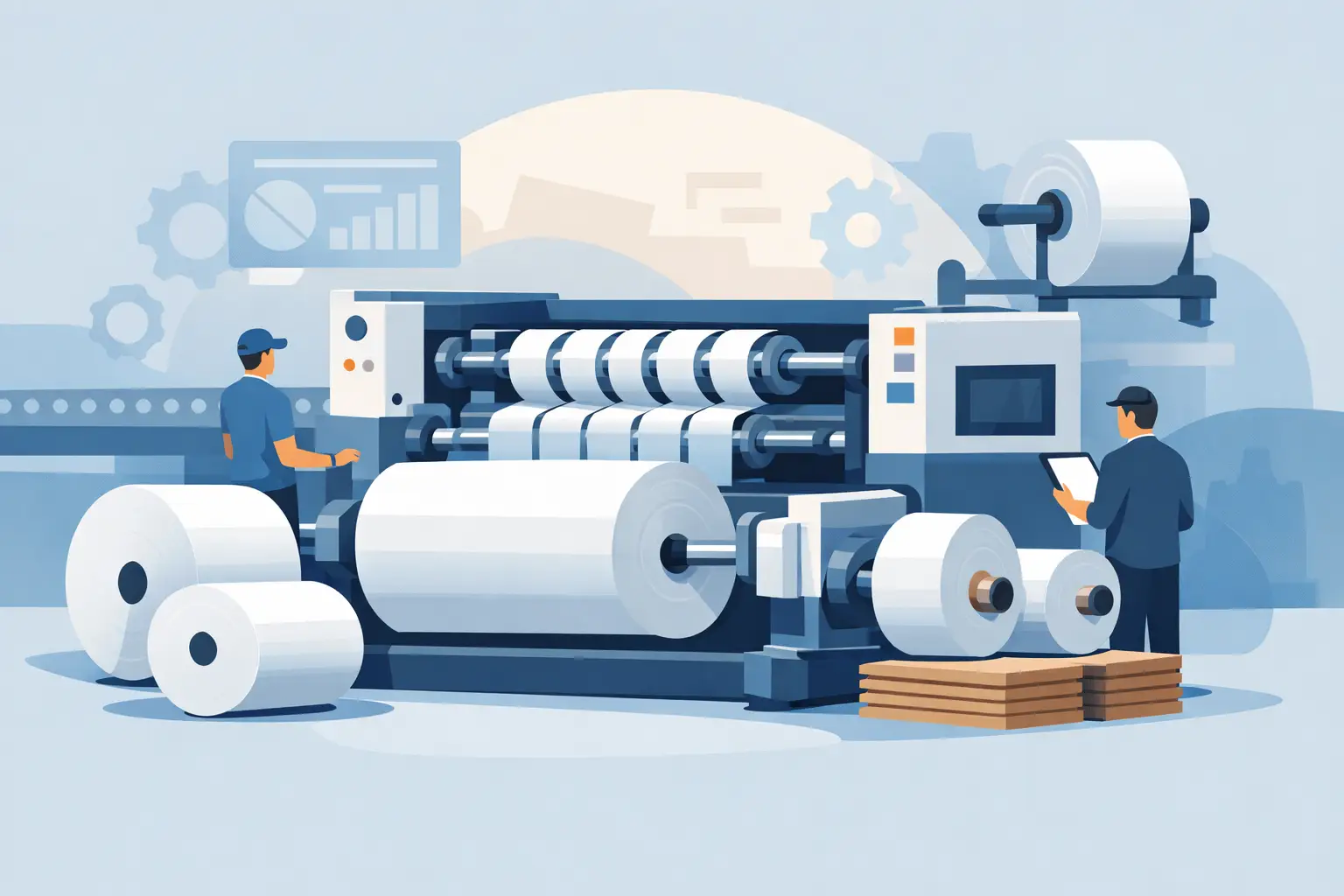
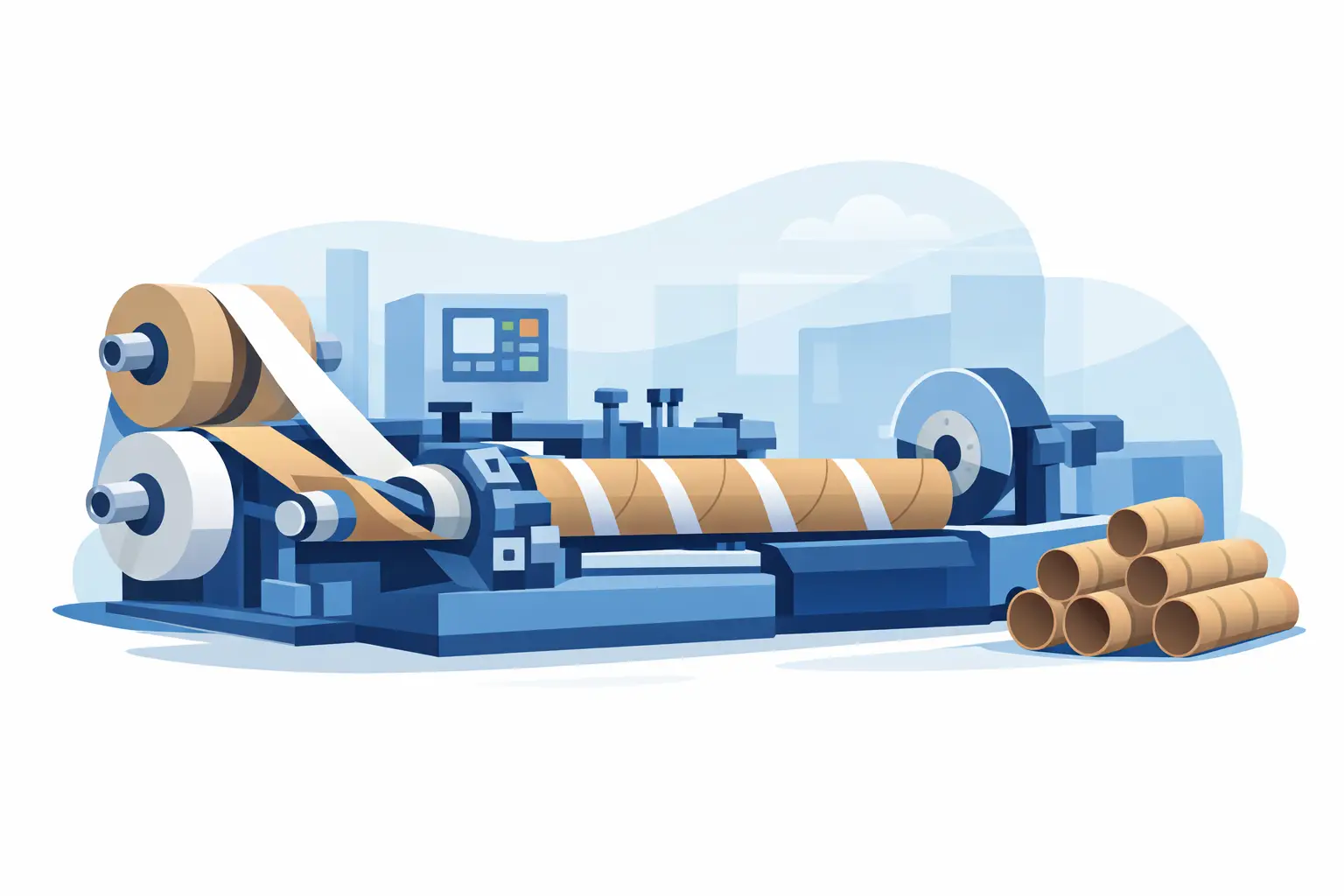
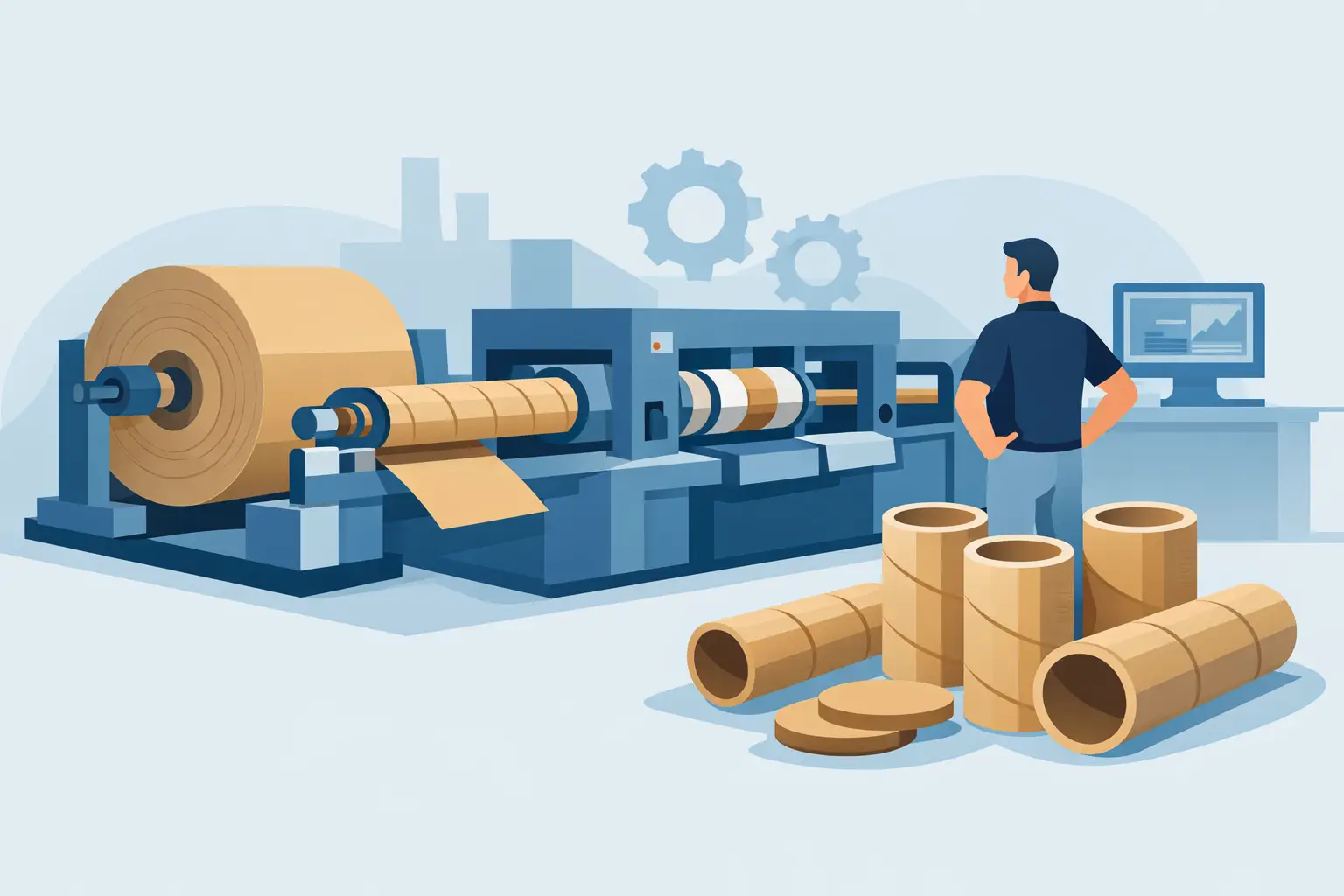
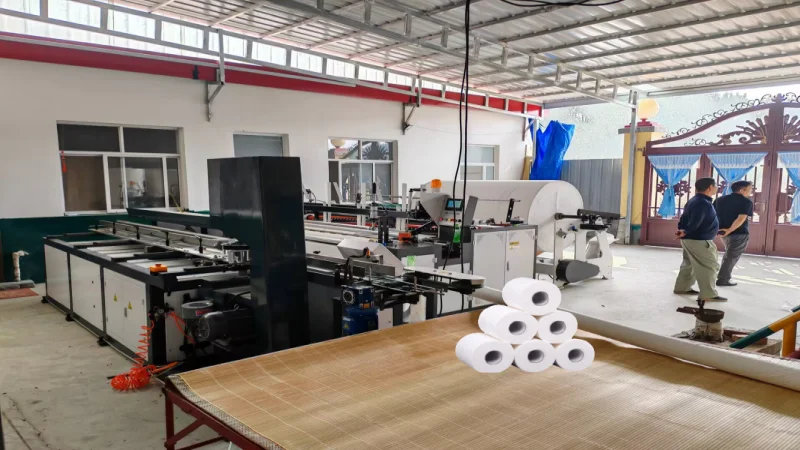
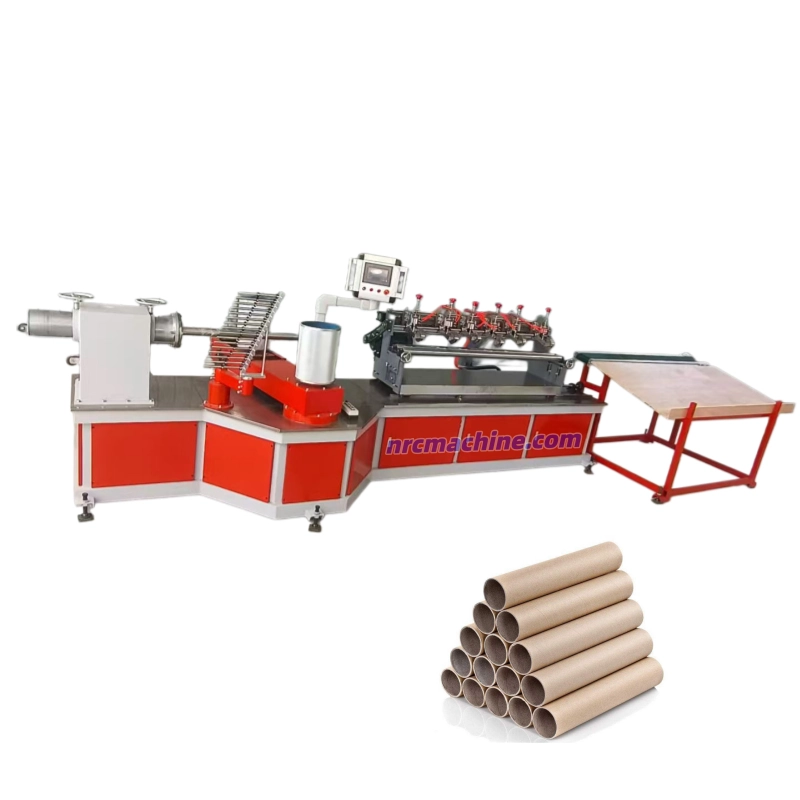
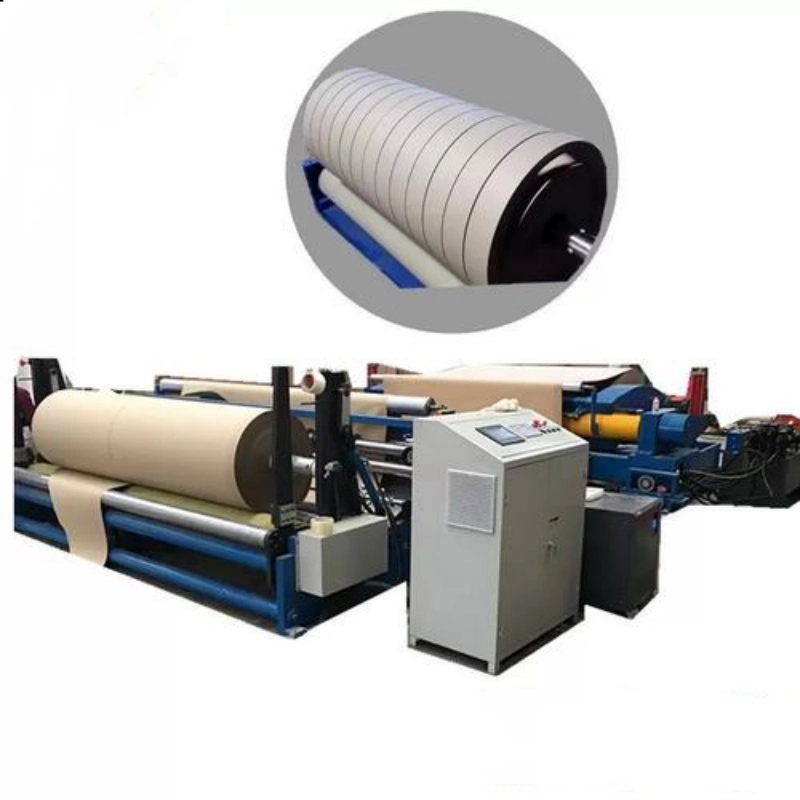
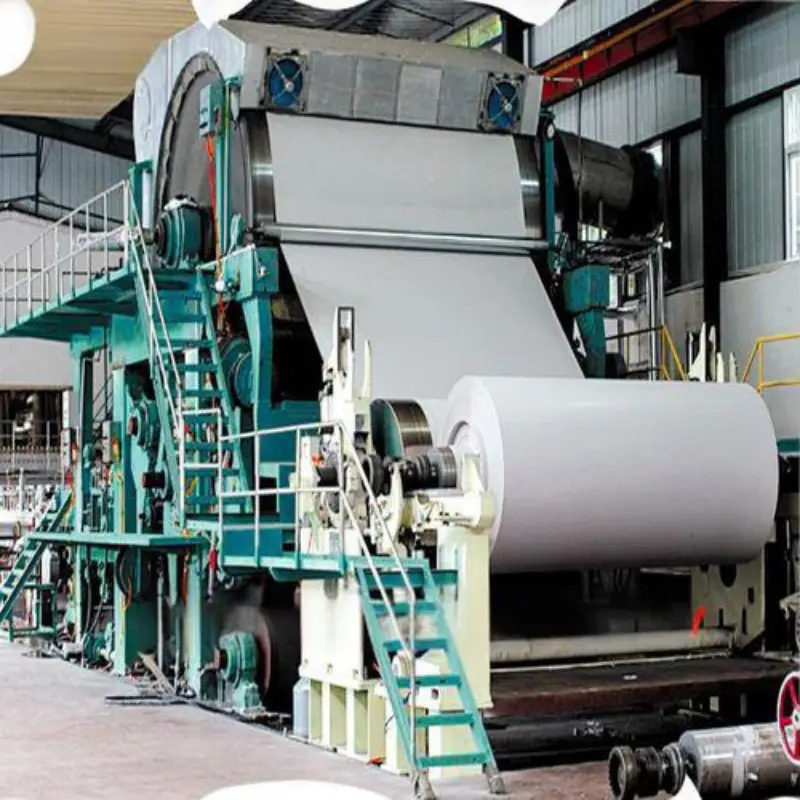
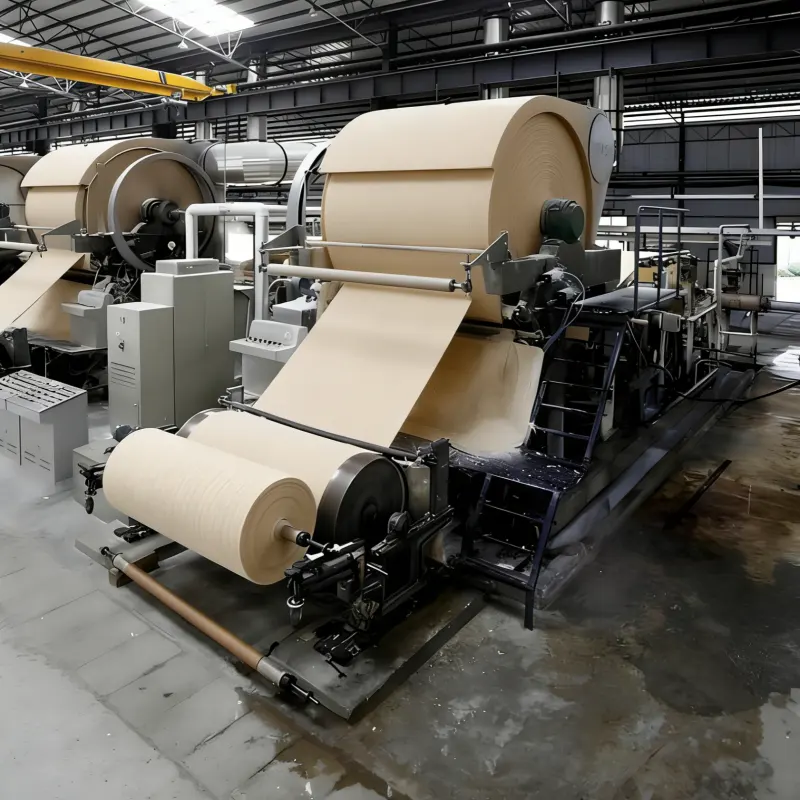
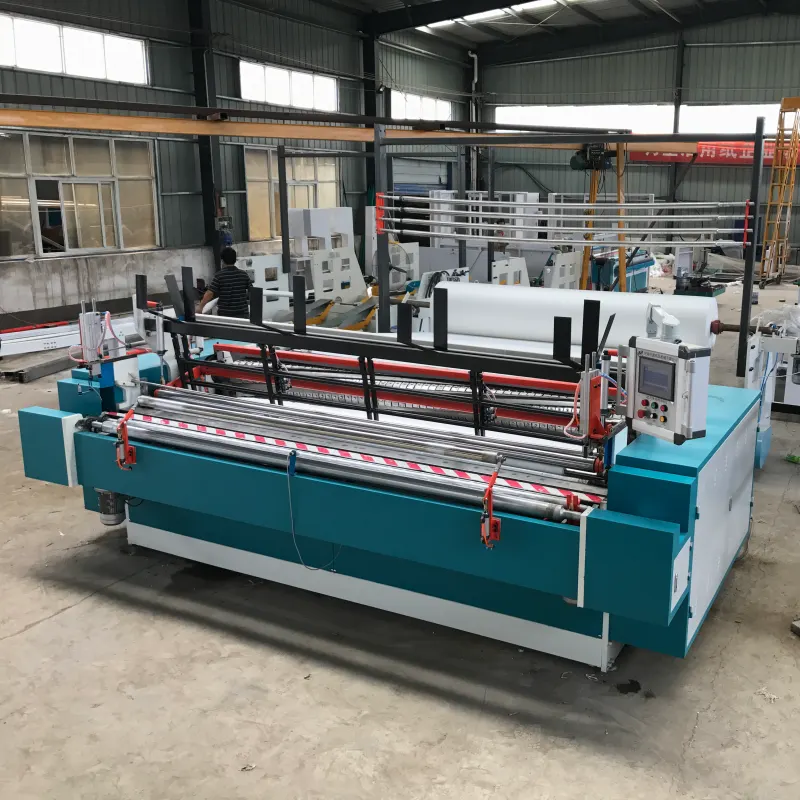
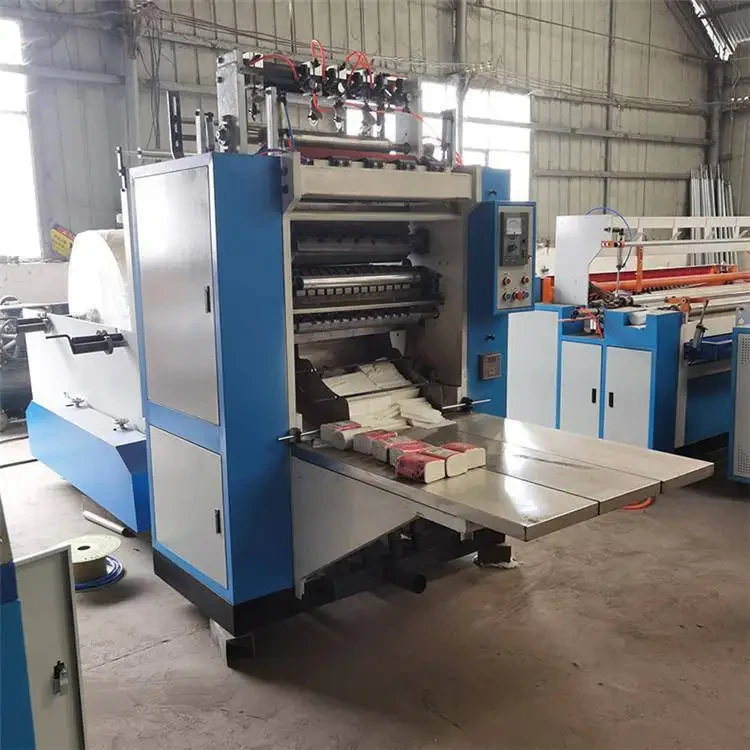
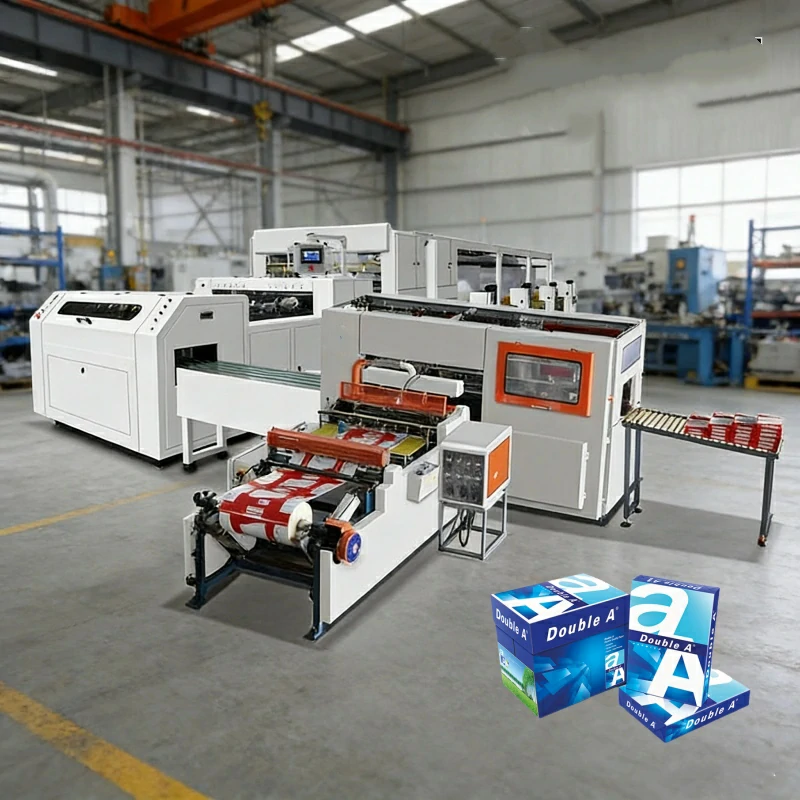
A slitter rewinder that looks good on paper can still become an expensive bottleneck once it reaches your floor. Buyers usually feel the problem after installation – tension is unstable, slit edges are rough, changeovers take too long, or the machine cannot handle the full range of jobs promised during quoting. That is why understanding how to choose a slitter rewinder machine starts with production reality, not brochure speed.
For paper converters, tape producers, film processors, and flexible material manufacturers, the right machine is the one that matches your material behavior, output target, labor plan, and growth path. Price matters, but the wrong configuration costs more through waste, downtime, rejected rolls, and operator frustration. A serious buying decision should focus on fit, consistency, and supplier capability.
How to choose a slitter rewinder machine for your production
The first question is simple: what exactly will you slit and rewind every day? Material type changes everything. Paper, kraft, thermal paper, adhesive tape, film, foil, laminates, and nonwoven materials all behave differently under tension and cutting pressure. A machine that performs well for one substrate may produce poor roll quality on another.
Material thickness also matters. Thin and sensitive webs require finer tension control and more stable guiding. Heavier grades may need stronger unwind and rewind structures, larger shaft capacity, and more cutting force. If your factory processes several materials, do not choose a machine based only on the easiest product in your range. Choose for the most demanding job you expect to run consistently.
Roll dimensions should be defined early. Buyers should confirm maximum jumbo roll width, unwind diameter, finished roll diameter, core sizes, and the narrowest slit width required. Many purchasing mistakes happen because the machine is selected for current jobs only, then becomes limiting when order mix changes. If your customers request multiple finished widths or tighter rewind rolls, the machine must be built for that flexibility.
Start with application, not advertised speed
High speed is useful only when the full production system can sustain it. Some buyers focus too much on top running speed without asking how often the machine can maintain that speed on their actual material. Slitting thermal paper at high speed is not the same as processing kraft paper or adhesive stock. Stable speed under real production conditions is more valuable than a high maximum number used only for sales presentation.
A better approach is to define your target output per shift and per month, then compare it with realistic machine performance. Include setup time, knife adjustment, roll loading, unloading, inspection, and operator skill level. A machine rated at very high speed may still deliver lower effective output if changeovers are slow or controls are difficult to manage.
This is where automation level becomes a commercial decision, not just a technical one. If labor cost is high, product mix changes often, or precision is critical, a more automated slitter rewinder may pay back quickly. If your production is stable and product specifications are narrow, a simpler machine may offer a better return on investment.
Slitting method affects quality and waste
Knife configuration should match the substrate. Razor slitting is often suitable for lightweight films and certain thin materials. Shear slitting is widely used when clean, accurate cuts are required across paper, laminates, and many converting applications. Score slitting can be practical for specific materials and widths but is not ideal for every product.
The right question is not which method is best in general. It is which method gives you consistent edge quality, low dust, low burr, and stable performance on your material. If your finished rolls go to printing, coating, packaging, or further converting, poor slit quality can create downstream defects that cost far more than the slitting operation itself.
Tension control is where many machines prove their value
If slit rolls telescope, wrinkle, loosen, or deform during transport and use, tension control is often the issue. Good tension management is essential from unwind to rewind, especially for thin paper, coated grades, film, and pressure-sensitive materials. Stable tension improves roll hardness, edge alignment, and finish quality.
Ask how the machine controls unwind braking, web guiding, and rewind torque across different roll diameters. Tension should remain consistent as the parent roll reduces and finished rolls build. For converters serving demanding customers, this is not a minor feature. It is a key factor in whether the machine can produce saleable rolls at scale.
Key machine details buyers should verify
Mechanical strength and frame design affect long-term accuracy. A rigid structure supports stable running and helps maintain slit consistency at production speed. Weak construction may lead to vibration, alignment drift, and reduced life of knives and rotating parts. In export projects especially, buyers should favor machines built for industrial duty rather than light workshop use.
Control system design also deserves close attention. Operators need clear parameter settings, fast job change capability, and reliable fault indication. A modern interface can reduce training time and setup errors, but only if it is practical and well supported. Ask whether spare electrical components are accessible in your market and whether remote troubleshooting is available.
Web guide systems, roll loading method, shaft type, trim handling, and finished roll unloading all affect real efficiency. These details are easy to overlook during quotation review, yet they directly influence labor requirements and daily output. A machine should not only slit accurately. It should also fit the workflow of your plant.
How to compare suppliers when choosing a slitter rewinder machine
Even a well-configured machine becomes a risky purchase if the supplier cannot support it properly. When evaluating how to choose a slitter rewinder machine, supplier credibility should carry as much weight as the technical specification. Factory-direct manufacturers usually provide better control over customization, spare parts, and after-sales communication than intermediaries who rely on outside workshops.
Ask direct questions about export experience, CE certification where required, installation support, operating manuals, spare parts planning, and response time after shipment. Buyers in international markets should also confirm packaging method, container loading experience, electrical standard adaptation, and commissioning assistance. These are practical issues, not sales extras.
A reliable supplier should be comfortable discussing trade-offs. For example, a lower-cost model may suit standard paper jobs but may not be the right choice for narrow widths, sensitive materials, or high-volume continuous operation. Serious manufacturers explain these boundaries clearly because long-term machine performance protects both sides of the business relationship.
NRC Machine works with buyers who need that kind of practical alignment – matching machine configuration to product range, output target, and export-ready support rather than selling a one-size-fits-all model.
Think beyond today’s order book
Many factories buy for current demand and regret it within a year. If you expect to add new product sizes, increase roll diameter, process different substrates, or raise monthly volume, build that into the purchase decision now. The cheapest machine often becomes expensive when expansion requires replacement instead of upgrade.
That does not mean every buyer needs the highest specification. Overbuying can hurt cash flow and delay return on investment. The right balance is to choose a machine that covers current production efficiently while leaving enough room for realistic growth. Your supplier should help define that line with actual production logic, not guesswork.
Questions that should be answered before you request a quote
Before requesting final pricing, prepare your production data. You should know your material type, GSM or thickness range, parent roll width and diameter, finished roll widths, core sizes, target speed, monthly output, and required slitting accuracy. Also define whether you need manual, semi-automatic, or higher automation operation.
If you do not provide this information, the quote may still look complete, but the machine may not be. Good procurement starts with clear process data. Good manufacturing results usually follow.
The best buying decisions are usually the least dramatic ones. They come from careful matching of material, output, knife system, tension control, automation, and supplier support. When those pieces fit, a slitter rewinder becomes more than a machine on the floor. It becomes a dependable part of your production plan.