فهم ماكينة الأنابيب الورقية - دليل شامل
س1: ما هو آلة تصنيع أنابيب الورق?
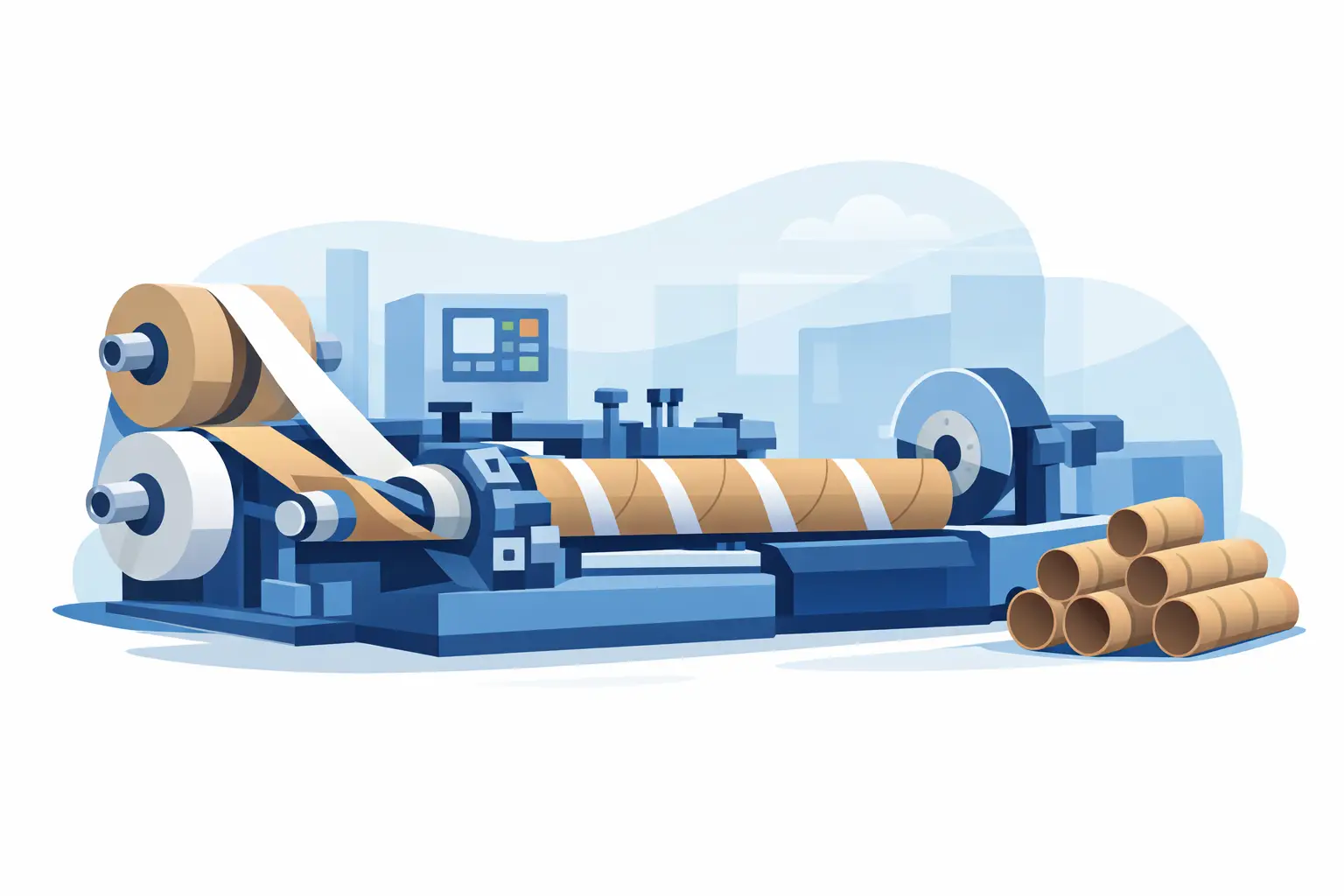
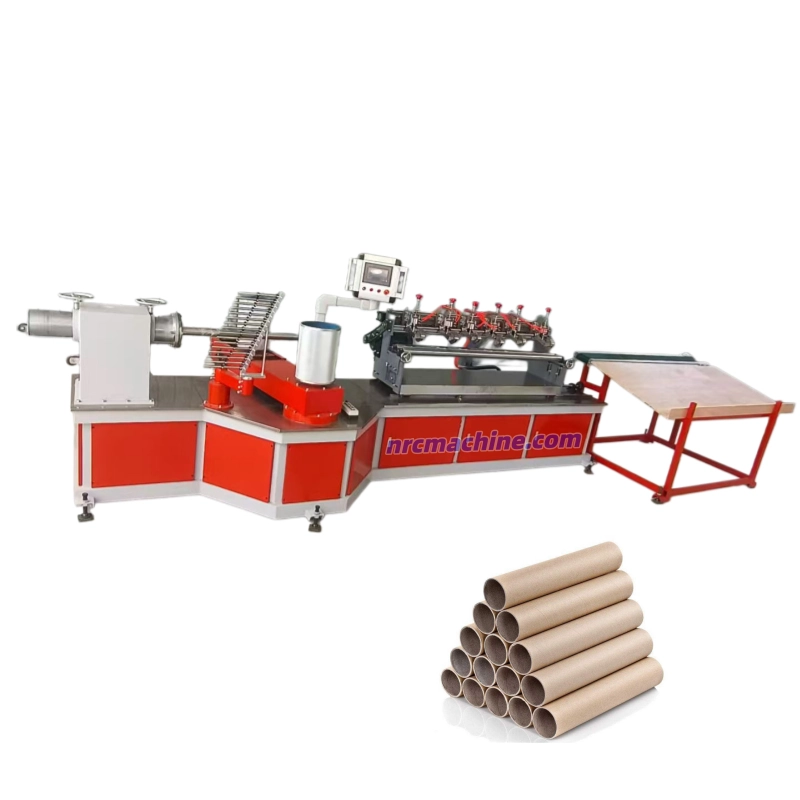
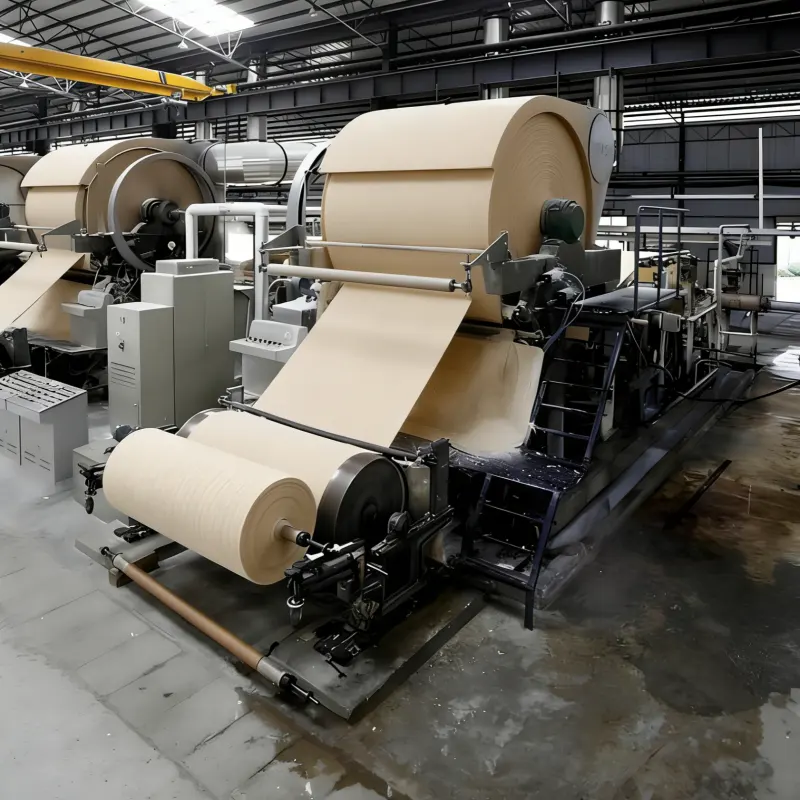
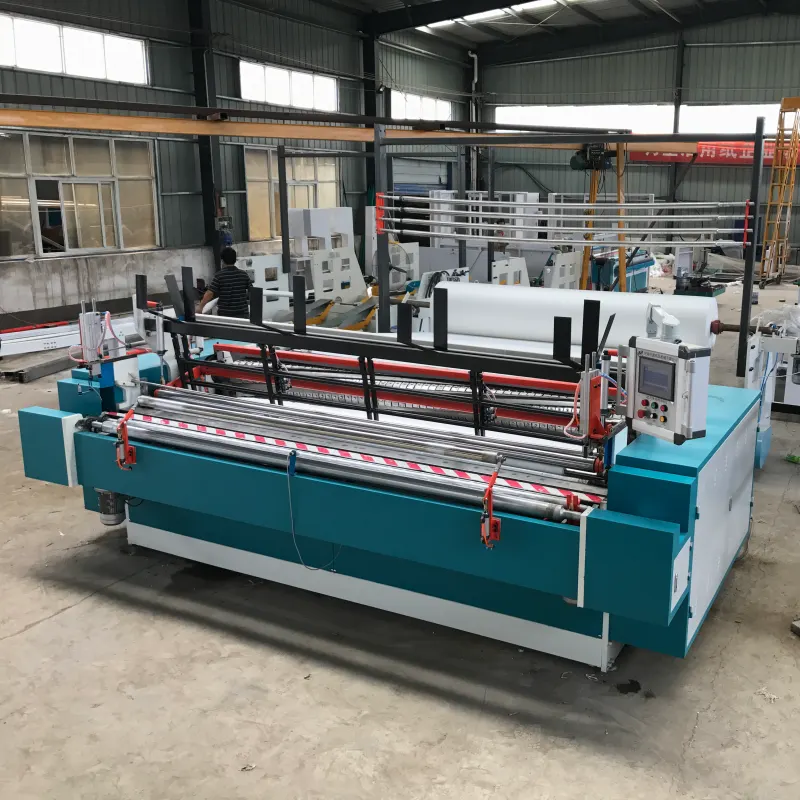
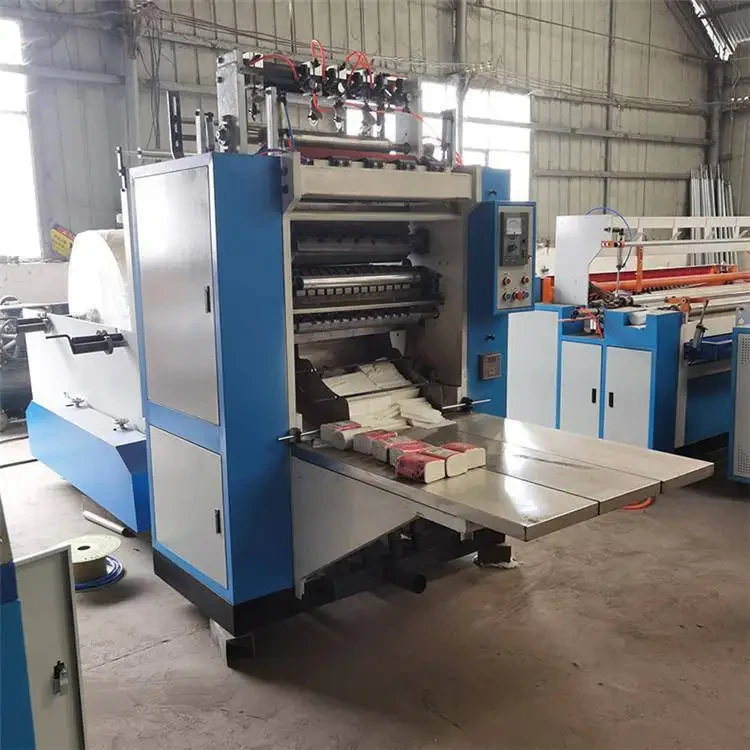
A آلة تصنيع أنابيب الورق عبارة عن جهاز صناعي مصمم لتصنيع أنابيب الورق أو النوى من بكرات الورق من خلال عملية لف ولصق مستمرة. تُستخدم هذه الأنابيب على نطاق واسع في صناعات مثل المنسوجات والطباعة والتغليف وتحويل الورق كدعامات لفات من الأفلام أو الرقائق أو الورق أو القماش.
س2: كيف تعمل ماكينة الأنابيب الورقية؟
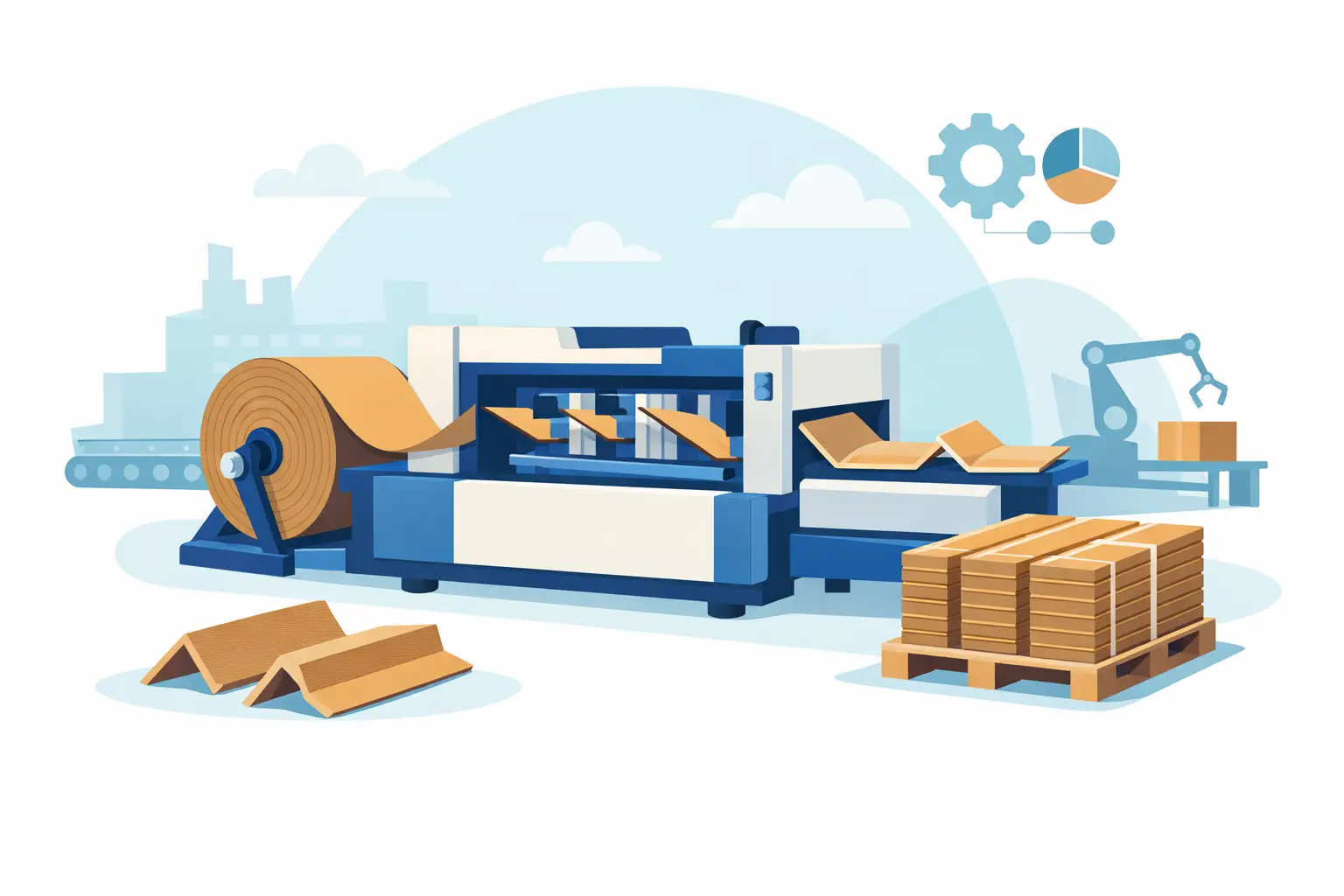
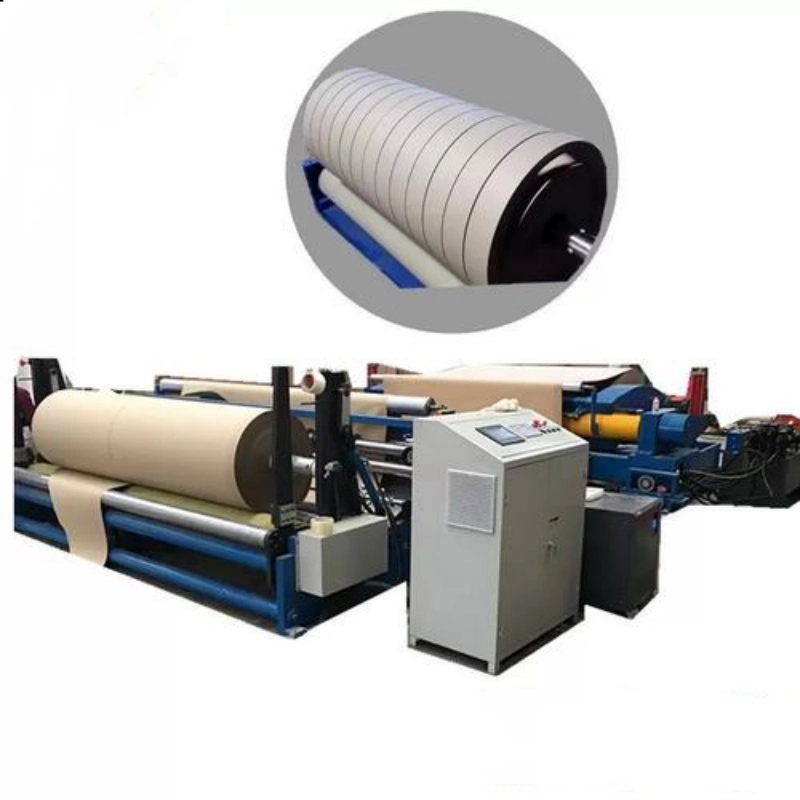
تعمل الماكينة عن طريق تغذية طبقات متعددة من ورق الكرافت أو ورق البطانة على مغزل دوار. يتم وضع المادة اللاصقة على كل طبقة، ثم يتم لفها بإحكام حول المغزل. ومع تراكم الطبقات، يأخذ الأنبوب شكله. وبمجرد الوصول إلى السماكة والقطر المطلوبين، يتم قطع الأنبوب حسب الطول وتجفيفه وإزالته. تتم العملية بأكملها بشكل آلي، مما يضمن الاتساق والإنتاجية العالية.
س3: ما هي الأنواع الرئيسية لماكينات الأنابيب الورقية؟
هناك نوعان أساسيان:
- ماكينة لف الأنابيب الورقية الحلزونية أو آلة لف الأنابيب الورقية الحلزونية: تنتج الأنابيب عن طريق لف شرائط الورق بشكل حلزوني مع مادة لاصقة، وهي مناسبة للأنابيب الطويلة والمستمرة.
- ماكينة لف الأنابيب الورقية الملفوفة (المتوازية) أو آلة لف الأنابيب الورقية المتعرجة المتوازية أو ماكينة الأنابيب الورقية الملتفة: لفّ لفائف الورق كاملة العرض حول مغزل في طبقات متوازية، وهي مثالية لللفائف الأقصر ذات القوة العالية.
س4: ما هي المواد المستخدمة في إنتاج الأنابيب الورقية؟
تشمل المواد الخام الأساسية ما يلي:
- ورق كرافت (للقوة والمتانة)
- ورق تبطين (للحصول على سطح أملس)
- مواد لاصقة ذات أساس مائي أو مذيب
يمكن إضافة الطلاءات أو التصفيح الاختيارية لمقاومة الرطوبة أو تحسين المظهر.
س5: ما هي التطبيقات الرئيسية للأنابيب الورقية؟
الأنابيب الورقية ضرورية في:
- صناعة المنسوجات: مثل نوى شعاع الاعوجاج ولفائف القماش
- الطباعة والنشر: لفات الصحف والمجلات
- التعبئة والتغليف: تستخدم في لفائف الأشرطة اللاصقة والأفلام اللاصقة والرقائق
- الإنشاءات: كقوالب لصب الخرسانة
س6: ما هي مزايا استخدام ماكينة الأنابيب الورقية؟
- كفاءة عالية: يزيد التشغيل الآلي من الإنتاج ويقلل من تكاليف العمالة
- التخصيص: يمكن أن تنتج أنابيب بأقطار وأطوال وسماكات جدران مختلفة
- صديقة للبيئة: أنابيب ورقية قابلة لإعادة التدوير وقابلة للتحلل الحيوي
- فعالة من حيث التكلفة: انخفاض تكاليف المواد والإنتاج مقارنة بالبدائل البلاستيكية أو المعدنية
س7: ما هي السمات التقنية الرئيسية لماكينة الأنابيب الورقية الحديثة؟
تشتمل الماكينات الحديثة عادةً على:
- وحدة تحكم منطقي قابلة للبرمجة (PLC) للتشغيل الدقيق
- شاشة تعمل باللمس HMI (واجهة بين الإنسان والآلة) لسهولة الإعداد والمراقبة
- محولات التردد للتحكم في السرعة
- أنظمة تطبيق الغراء الأوتوماتيكية
- وحدات تقطيع دقيقة لطول متناسق
س8: ما المدة التي يستغرقها إنتاج الأنبوب الورقي؟
تختلف سرعة الإنتاج حسب طراز الماكينة ومواصفات الأنبوب. في المتوسط، يمكن لماكينة عالية السرعة إنتاج 10-30 أنبوب في الدقيقة. قد تعمل الماكينات الحلزونية المستمرة بشكل أسرع، اعتمادًا على القطر ومعدل تغذية المواد.
س9: ما هي متطلبات الطاقة لماكينة أنابيب الورق النموذجية؟
تتطلب معظم الموديلات الصناعية مصدر طاقة ثلاثي الأطوار من 380 فولت - 415 فولت، مع استهلاك طاقة يتراوح بين 5 كيلوواط و15 كيلوواط، حسب مستوى الأتمتة والقدرة الإنتاجية.
Q10: هل يمكن لماكينة الأنابيب الورقية إنتاج أحجام مختلفة دون تغيير الأجهزة؟
نعم. تتميز العديد من الماكينات الحديثة بمغازل قابلة للتعديل وإعدادات قابلة للبرمجة، مما يسمح بالتبديل السريع بين أبعاد الأنابيب المختلفة دون إجراء تعديلات كبيرة على الأجهزة. تدعم هذه المرونة التصنيع في الوقت المناسب والطلبات المخصصة.
س11: ما هي الصيانة التي تتطلبها ماكينة الأنابيب الورقية؟
تشمل الصيانة الروتينية ما يلي:
- تنظيف أدوات وضع الغراء لمنع انسدادها
- تشحيم الأجزاء المتحركة (التروس، المحامل)
- فحص الأحزمة والبكرات للتأكد من عدم تآكلها
- معايرة المستشعرات وشفرات القطع
تضمن الصيانة المنتظمة جودة ثابتة وتطيل من عمر الماكينة.
س12: هل تدريب المشغل ضروري لتشغيل ماكينة الأنابيب الورقية؟
نعم. على الرغم من أن الماكينات الحديثة مؤتمتة، إلا أن المشغلين يحتاجون إلى تدريب على:
- إجراءات بدء تشغيل الماكينة وإيقاف تشغيلها
- ضبط المعلمات عبر HMI
- استكشاف المشكلات الشائعة وإصلاحها (على سبيل المثال، اختلال المحاذاة وعيوب الغراء)
- إجراء الصيانة الأساسية
السؤال 13: هل ماكينات الأنابيب الورقية مستدامة بيئيًا؟
بالتأكيد. إن الجمع بين المواد الخام القابلة لإعادة التدوير والتشغيل الموفر للطاقة يجعل ماكينات الأنابيب الورقية خيارًا مستدامًا. صُممت العديد من الموديلات لتقليل النفايات واستهلاك الغراء، بما يتماشى مع معايير التصنيع الأخضر.
س14: ما هو العمر الافتراضي النموذجي لماكينة تصنيع الأنابيب الورقية؟
مع الصيانة المناسبة، يمكن لماكينة الأنابيب الورقية عالية الجودة أن تدوم من 15 إلى 20 عامًا أو أكثر. وغالبًا ما تأتي الماكينات من الشركات المصنعة ذات السمعة الطيبة مزودة بإطارات قوية ومكونات مقاومة للتآكل لضمان الموثوقية على المدى الطويل.
السؤال 15: هل يمكن دمج ماكينات الأنابيب الورقية في خطوط الإنتاج الحالية؟
نعم. صُممت معظم الماكينات لسهولة التكامل مع معدات المنبع (آلات فك الورق) والمعدات النهائية (التقطيع والتجفيف والتعبئة). يمكن توصيلها بأنظمة أتمتة المصانع عبر بروتوكولات الاتصالات الصناعية مثل Modbus أو Profibus.
السؤال 16: ما هي العيوب الشائعة في الأنابيب الورقية، وكيف يمكن الوقاية منها؟
تشمل العيوب الشائعة ما يلي:
- التصفيح: ناتجة عن عدم كفاية الغراء أو سوء الالتصاق - يتم حلها عن طريق تحسين تطبيق الغراء
- أنابيب غير مستديرة: بسبب اللف غير المتساوي - تم تصحيحه عن طريق محاذاة المغزل والتحكم في الشد
- السحق: من عدم كفاية سمك الجدار - يتم منعه باستخدام المزيد من الطبقات أو الورق عالي الجودة
س17: ما هي ميزات السلامة التي يجب أن تتوفر في ماكينة الأنابيب الورقية؟
تتضمن ميزات السلامة الأساسية ما يلي:
- أزرار التوقف في حالات الطوارئ
- أجزاء متحركة محمية (تروس، بكرات)
- أنظمة الإغلاق/التعطيل (LOTO)
- حماية المحركات من التحميل الزائد
يوصى بالامتثال لمعايير مثل CE أو ISO 12100.
السؤال 18: كيف تؤثر الرطوبة على إنتاج الأنابيب الورقية؟
يمكن أن تؤدي الرطوبة العالية إلى تليين الورق وتأخير جفاف الغراء، مما يؤدي إلى ضعف الروابط. قد تتسبب الرطوبة المنخفضة في هشاشة الورق. تحافظ بيئات الإنتاج المثالية على الرطوبة النسبية 40-60% مع التحكم في درجة الحرارة (20-25 درجة مئوية).
س 19: هل يمكن لماكينات الأنابيب الورقية استخدام الورق المعاد تدويره؟
نعم. يستخدم العديد من المصنعين ورق الكرافت المعاد تدويره لتقليل التكاليف والأثر البيئي. ومع ذلك، يجب أن تفي جودة الورق المعاد تدويره بالحد الأدنى من معايير القوة والاتساق لضمان سلامة الأنبوب.
س20: أين يتم تصنيع ماكينات الأنابيب الورقية؟
وتشمل مراكز التصنيع الرئيسية الصين وألمانيا وإيطاليا والهند والولايات المتحدة الأمريكية. تشتهر الماكينات الصينية الصنع بفعاليتها من حيث التكلفة وتطورها التكنولوجي المتزايد، بينما تشتهر الماكينات الأوروبية بالهندسة الدقيقة.
الخلاصة:
تلعب ماكينات الأنابيب الورقية دورًا حيويًا في سلاسل التوريد الصناعية الحديثة، حيث توفر حلاً فعالاً ومستدامًا وقابلاً للتكيف للإنتاج الأساسي. ومع التطورات المستمرة في الأتمتة والتصميم البيئي، تستمر هذه الماكينات في التطور، لتلبي المتطلبات المتزايدة للصناعات المتنوعة في جميع أنحاء العالم.