Ein Tissue-Produkt kann mit voller Geschwindigkeit laufen und trotzdem Geld verlieren, wenn die Prägung von Rolle zu Rolle schwach, ungleichmäßig oder inkonsistent aussieht. Für Verarbeiter und Tissue-Hersteller, Wenn man weiß, wie man die Qualität der Tissue-Prägung verbessern kann, ist das nicht nur eine Frage der Veredelung. Sie wirkt sich auf die Wahrnehmung der Produktweichheit, die Lagenhaftung, das Erscheinungsbild im Regal, Kundenbeschwerden und die Gesamteffizienz der Anlage aus.

Die Prägequalität wird durch eine Kombination aus Rohpapiermerkmalen, der Konstruktion der Prägewalze, dem Maschinenzustand, den Druckeinstellungen und der Produktionsdisziplin bestimmt. Wenn ein Teil aus dem Gleichgewicht gerät, zeigt sich der Fehler oft schnell - abgeflachte Muster, Papierbrüche, schlechte Laminierung, übermäßiger Staub oder sichtbare Abweichungen über die gesamte Bahn. Das praktische Ziel ist einfach: ein klares, stabiles Prägemuster zu erzeugen, ohne das Volumen, die Weichheit oder die Verarbeitungsgeschwindigkeit zu beeinträchtigen.
Wie man die Qualität der Gewebeprägung an der Quelle verbessert
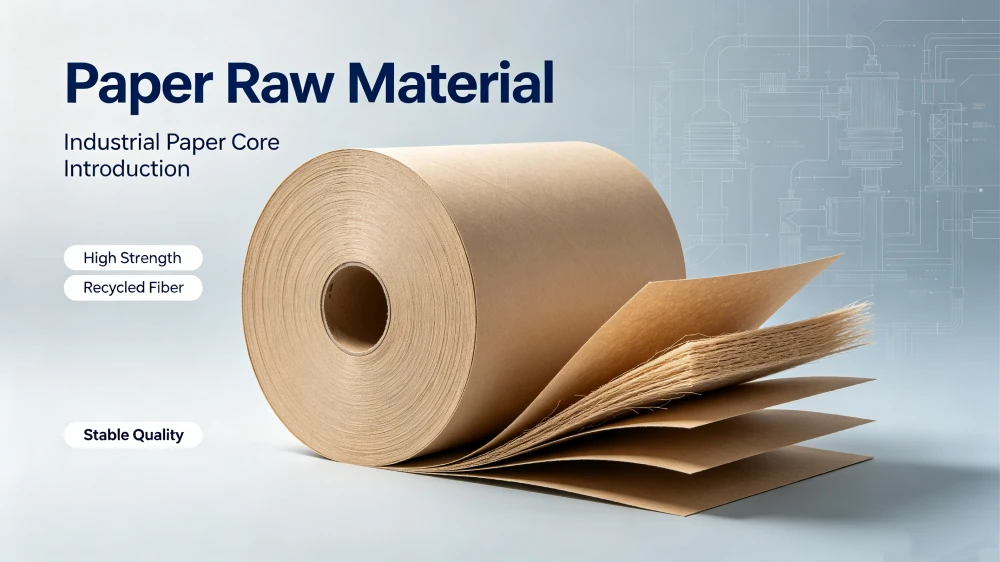
Die erste Anlaufstelle ist nicht immer das Prägewerk selbst. Die Qualität des Basispapiers wirkt sich direkt darauf aus, wie gut ein Muster übertragen wird. Wenn die Mutterrolle ein ungleichmäßiges Flächengewicht, Feuchtigkeitsschwankungen, eine schwache Formation oder eine instabile Dicke aufweist, variiert das Prägeergebnis, selbst wenn die Maschineneinstellungen unverändert bleiben.
Zu trockenes Gewebe kann reißen oder unter Druck an Weichheit verlieren. Gewebe, das zu viel Feuchtigkeit enthält, kann sich ungleichmäßig verformen und zu einer instabilen Bindung zwischen den Lagen führen. Auch die Faserzusammensetzung spielt eine Rolle. Native Zellstoffsorten reagieren in der Regel anders als recycelte, und die Prägetiefe, die für Toilettenpapier geeignet ist, eignet sich möglicherweise nicht für Kosmetiktuch oder Serviettenpapier.
Aus diesem Grund sollte neben der Spezifikation des eingehenden Papiers auch die Qualität der Prägung überprüft werden. Wenn die Bediener häufig den Druck erhöhen, nur um das Muster sichtbar zu machen, liegt das Problem möglicherweise eher im Papierprofil als in der Stahlwalzeneinstellung. Eine stabile Walze mit gleichmäßiger Feuchtigkeit und Dicke gibt der Prägeabteilung eine viel bessere Chance, wiederholbare Ergebnisse zu erzielen.
Prägemuster dem Produkttyp anpassen
Nicht jedes Muster sollte auf jeder Tissuesorte verwendet werden. Tiefe und aggressive Muster können optisch sehr ansprechend sein, aber sie erhöhen auch das Risiko von Durchstichen, Lagenablösung und Weichheitsverlust. Ein helleres dekoratives Muster kann auf Gesichtspapier sauberer aussehen, während Toilettenpapier kann ein Muster erforderlich sein, das sowohl das Aussehen als auch die Lagenverklebung unterstützt.
Die richtige Wahl hängt von der kommerziellen Zielsetzung des Produkts ab. Wenn die Priorität auf einer hochwertigen visuellen Präsentation liegt, kann die Musterdefinition die Führung übernehmen. Wenn die Priorität auf einer kostengünstigen Hochgeschwindigkeitsausgabe liegt, können die Haltbarkeit der Walzen und die Prozessstabilität wichtiger sein als die dekorative Komplexität. Eine bessere Prägequalität beginnt oft mit der Auswahl einer Mustergeometrie, die zum Papier, zur Verarbeitungsgeschwindigkeit und zur endgültigen Marktposition passt.
Der Zustand der Rollen und die Qualität der Gravur sind wichtiger, als viele Käufer erwarten
Prägewalzen sind keine passiven Komponenten. Ihre Gravurgenauigkeit, Härte, Oberflächenbeschaffenheit und ihr Verschleißzustand wirken sich direkt auf die Musterübertragung aus. Wenn die Walzengravur uneinheitlich ist oder die Spitzen abgenutzt sind, weist die Tissuebahn flache Bereiche, fehlende Details und eine schlechte visuelle Einheitlichkeit auf.
Dies ist besonders häufig in Betrieben der Fall, in denen die Walzen zu lange ohne Inspektion in Betrieb sind. Im Laufe der Zeit verringern Verschmutzungen, Mikroschäden und mechanischer Verschleiß die effektive Definition des Musters. Die Bediener können darauf reagieren, indem sie den Druck erhöhen, aber das verlagert das Problem nur. Höherer Druck kann die Platte quetschen, das Volumen verringern und den Walzenverschleiß beschleunigen.
Ein besserer Ansatz ist die regelmäßige Inspektion und Wartung der Walzen. Überprüfen Sie die Konsistenz der Gravurtiefe, die Sauberkeit der Oberfläche und die Leistung der Lager. Selbst eine gut konzipierte Prägestation kann beschädigte oder ungenaue Walzen nicht ausgleichen. Bei der Anschaffung neuer Geräte sollte die Qualität der Walzenherstellung ebenso sorgfältig geprüft werden wie die Rahmenstruktur, das Antriebssystem und die Geschwindigkeitswerte.
Überlegungen zum Aufbau Stahl-Gummi und Stahl-Stahl
Auch die Prägekonfiguration verändert das Ergebnis. Stahl-Gummi-Systeme können nachsichtiger sein und werden häufig eingesetzt, wenn ein weicheres Finish gewünscht wird. Stahl-auf-Stahl-Systeme können eine schärfere Definition erzeugen, erfordern aber eine strengere Kontrolle von Ausrichtung, Druck und Papiereigenschaften.
Es gibt keine universell beste Option. Wenn Ihr Produktsortiment mehrere Tissuesorten umfasst, hängt die richtige Antwort von den Anforderungen an die Musterschärfe, den Klebezielen, der Wartungsfähigkeit und der Anlagengeschwindigkeit ab. Käufer, die eine neue Tissue-Verarbeitungsanlage planen, sollten dies frühzeitig beurteilen, denn die Prägeeinheit sollte zum geplanten Produktmix passen, nicht nur zum Erstmuster.
Druck, Spaltkontrolle und Ausrichtung entscheiden über die Konsistenz
Wenn die Prägung auf einer Seite der Bahn deutlich und auf der anderen Seite schwach ist, sollte zuerst die Ausrichtung überprüft werden. Ein ungleichmäßiger Anpressdruck über die Breite führt immer zu sichtbaren Abweichungen. Das Gleiche gilt, wenn die Walzenparallelität aufgrund von Rahmenverschleiß, Lagerproblemen oder unsachgemäßer Installation abweicht.
Der Druck muss hoch genug sein, um das Muster zu übertragen, aber nicht so hoch, dass er die Papierstruktur zerdrückt. Dieses Gleichgewicht ist der Ausgangspunkt für viele Qualitätsprobleme. Ein zu hoher Druck kann die Sichtbarkeit für kurze Zeit verbessern, führt aber oft zu einer geringeren Dicke, einer geringeren Saugfähigkeit und einem härteren Handgefühl. Ein zu geringer Druck führt zu einem schwachen Muster und einer schlechten Lagenhaftung.
Die richtige Einstellung sollte durch kontrollierte Versuche ermittelt werden, nicht durch Vermutungen des Bedieners. Erfassen Sie den Druck nach Produktsorte, Flächengewicht, Lagenzahl und Geschwindigkeit. Wenn sich die Qualität bei einer Änderung der Geschwindigkeit ändert, liegt das Problem möglicherweise nicht nur am Druck. Es kann auch an der Verweilzeit, der Bahnspannung oder dem Feuchtigkeitsverhalten des Papiers unter Belastung liegen.
Halten Sie die Bahnspannung während des gesamten Prägevorgangs stabil
Eine zu hohe Bahnspannung kann den Bogen dehnen und das Prägemuster verzerren. Eine zu lockere Bahnspannung kann zu Faltenbildung, Laufproblemen und ungleichmäßigem Kontakt mit den Prägewalzen führen. In beiden Fällen leidet die Musterübertragung.
Eine stabile Abwicklungssteuerung, eine korrekte Bremseneinstellung und synchronisierte nachgeschaltete Antriebe tragen zu besseren Prägeergebnissen bei. Dies ist einer der Gründe, warum das Design einer integrierten Linie wichtig ist. Eine gute Prägeeinheit erzielt die besten Ergebnisse, wenn die vor- und nachgelagerten Abschnitte mechanisch stabil und richtig abgestimmt sind.
Sauberer Betrieb verbessert die Prägequalität im Laufe der Zeit
Staub, Faserablagerungen, Leimverunreinigungen und Papierreste verringern allmählich die Prägeleistung. Diese Probleme sind leicht zu unterschätzen, da sie sich langsam entwickeln. Eine Linie läuft vielleicht noch, aber das Muster wird weniger definiert, die Bahn beginnt ungleichmäßig zu markieren, und die Bediener nehmen ständig Einstellungskorrekturen vor, um dies auszugleichen.
Die routinemäßige Reinigung sollte als Qualitätskontrolle betrachtet werden, nicht nur als Haushaltsführung. Walzen, Druckflächen, Führungsbereiche und Klebestellen müssen regelmäßig gereinigt werden. Ist die Kleberlaminierung Teil des Prozesses, muss der Klebstoffauftrag sorgfältig kontrolliert werden. Überschüssiger Klebstoff kann die Sichtbarkeit des Musters beeinträchtigen und schmutzige Übertragungspunkte auf der Walzenoberfläche erzeugen.
Betriebe, die einen disziplinierten Reinigungsplan einhalten, verzeichnen in der Regel eine bessere Musterkonsistenz, weniger Papierbrüche und eine längere Lebensdauer der Rollen. Dies ist eine kostengünstige Verbesserung, die sich direkt auf die Ausgabequalität auswirkt.
Übung des Bedieners und Reaktionszeit der Maschine sind Teil der Antwort
Selbst bei einer gut gebauten Maschine sinkt die Prägequalität, wenn die Einstellungen ohne Methode geändert werden. Häufige manuelle Korrekturen, inkonsistente Startprozeduren und mangelnde Disziplin bei der Gradationsänderung verursachen oft mehr Abweichungen als die Maschine selbst.
Die Standardbetriebsbedingungen sollten für jedes Produkt dokumentiert werden. Dazu gehören Druckbereich, Geschwindigkeitsfenster, Papierspezifikation, Spannungseinstellung und visuelle Qualitätskontrollpunkte. Wenn Probleme auftreten, brauchen die Bediener eine klare Reihenfolge für die Fehlersuche. Wenn sie Druck, Spannung und Geschwindigkeit gleichzeitig ändern, ist es schwierig, die Ursache zu ermitteln.
Hier ist das Design der Geräte auch aus Sicht des Einkaufs von Bedeutung. Maschinen mit stabiler Struktur, präziser Einstellung und zuverlässiger Steuerung sind leichter innerhalb der Spezifikationen zu halten. Bei Fabriken, die ihre Kapazität erweitern oder ältere Verarbeitungsanlagen ersetzen, sollte die Prägeabteilung nicht nur nach dem Aussehen des Musters, sondern auch nach der Einstellgenauigkeit, dem Zugang zur Wartung und der Wiederholbarkeit in der realen Produktion bewertet werden.
Verbesserung der Tissue-Prägequalität bei Produktionserweiterung
Eine Anlage, die mit Versuchsmaterial bei mäßiger Geschwindigkeit arbeitet, kann die Qualität bei voller kommerzieller Produktion nicht halten. Mit zunehmender Geschwindigkeit werden kleine Schwachstellen schnell sichtbar: Vibrationen, Spannungsschwankungen, Walzenerwärmung, Instabilität der Bahnführung und Schwankungen bei der Lagenverklebung.
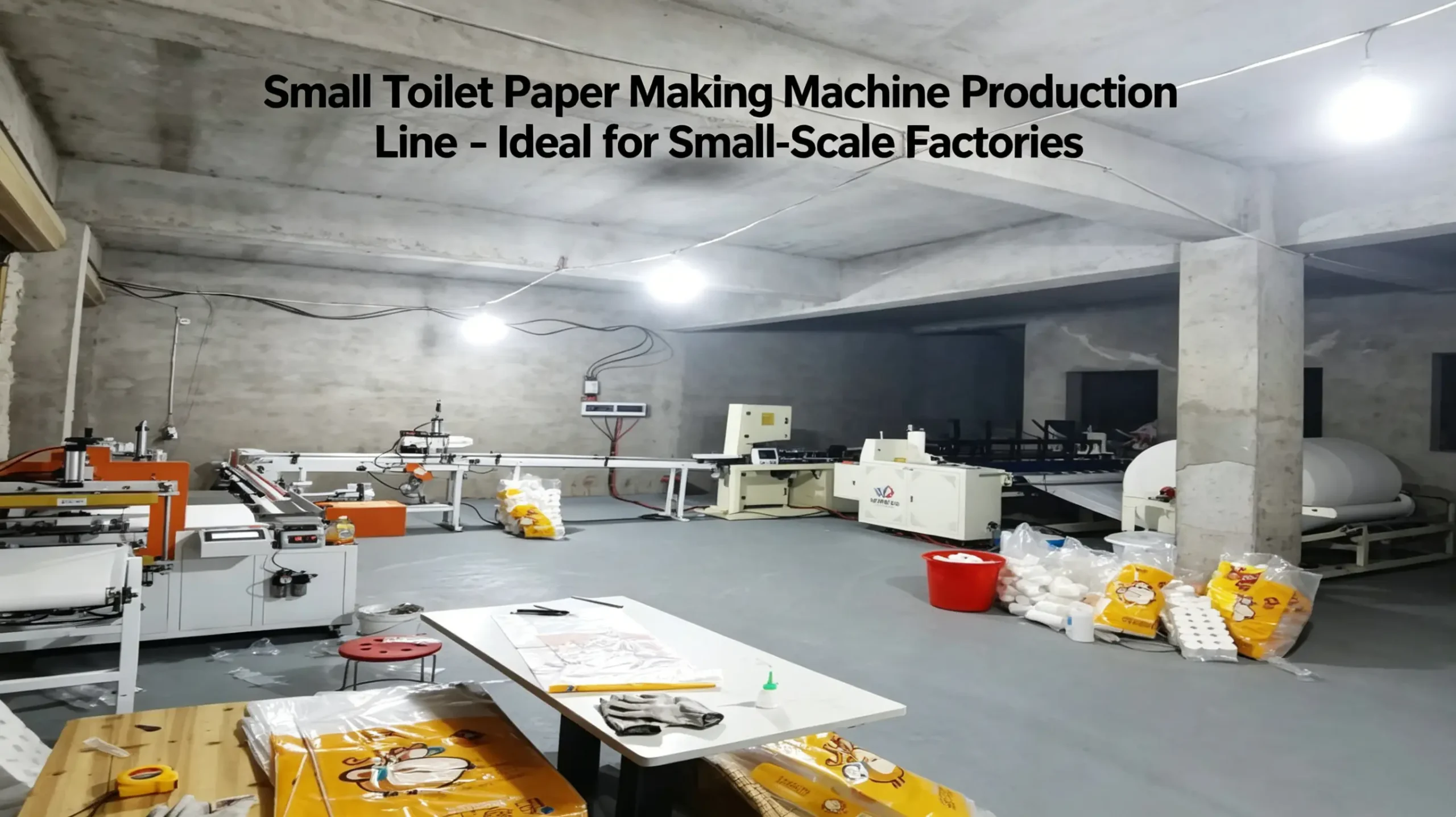
Aus diesem Grund sind Scale-up-Tests so wichtig. Wenn Ihre Fabrik plant höhervolumige Gewebeproduktion, Die Prägequalität sollte bei der angestrebten Betriebsgeschwindigkeit validiert werden, nicht nur bei der Startgeschwindigkeit. Ein Maschinenlieferant mit echter Verarbeitungserfahrung kann Ihnen helfen, die richtige Prägekonfiguration, die richtige Walzenkombination und den richtigen Betriebsbereich für Ihren Produktplan zu bestimmen. Für Käufer, die Maschinen direkt vom Hersteller vergleichen, ist diese Unterstützung oft genauso wichtig wie der Preis der Maschine.
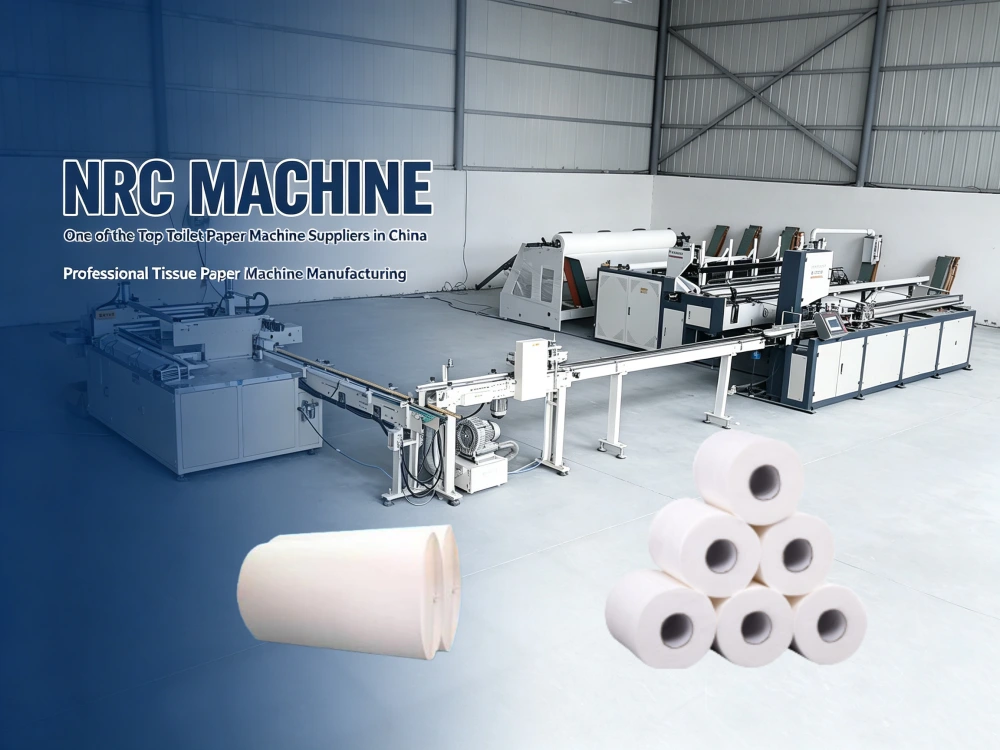
NRC Machine arbeitet mit Käufer von Tissue- und Papierverarbeitungsprodukten, die eine Produktion benötigen Geräte, die unter den Bedingungen des Exportmarktes, wo sich Zuverlässigkeit, Service und praktische Unterstützung bei der Einrichtung direkt auf die Investitionsrendite auswirken, eine konstante Leistung erbringen.
Die besten Prägeergebnisse werden in der Regel durch gleichmäßige Grundlagen erzielt, nicht durch extreme Einstellungen. Gutes Papier, das richtige Walzendesign, kontrollierter Druck, sauberer Betrieb und wiederholbare Maschineneinstellungen tragen mehr zum Erscheinungsbild des Produkts und zur Effizienz der Verarbeitung bei als ständige Anpassungen. Wenn Ihre Prägequalität uneinheitlich ist, beginnt die schnellste Verbesserung oft mit einer disziplinierten Prozessüberprüfung und nicht mit einer härteren Einstellung.