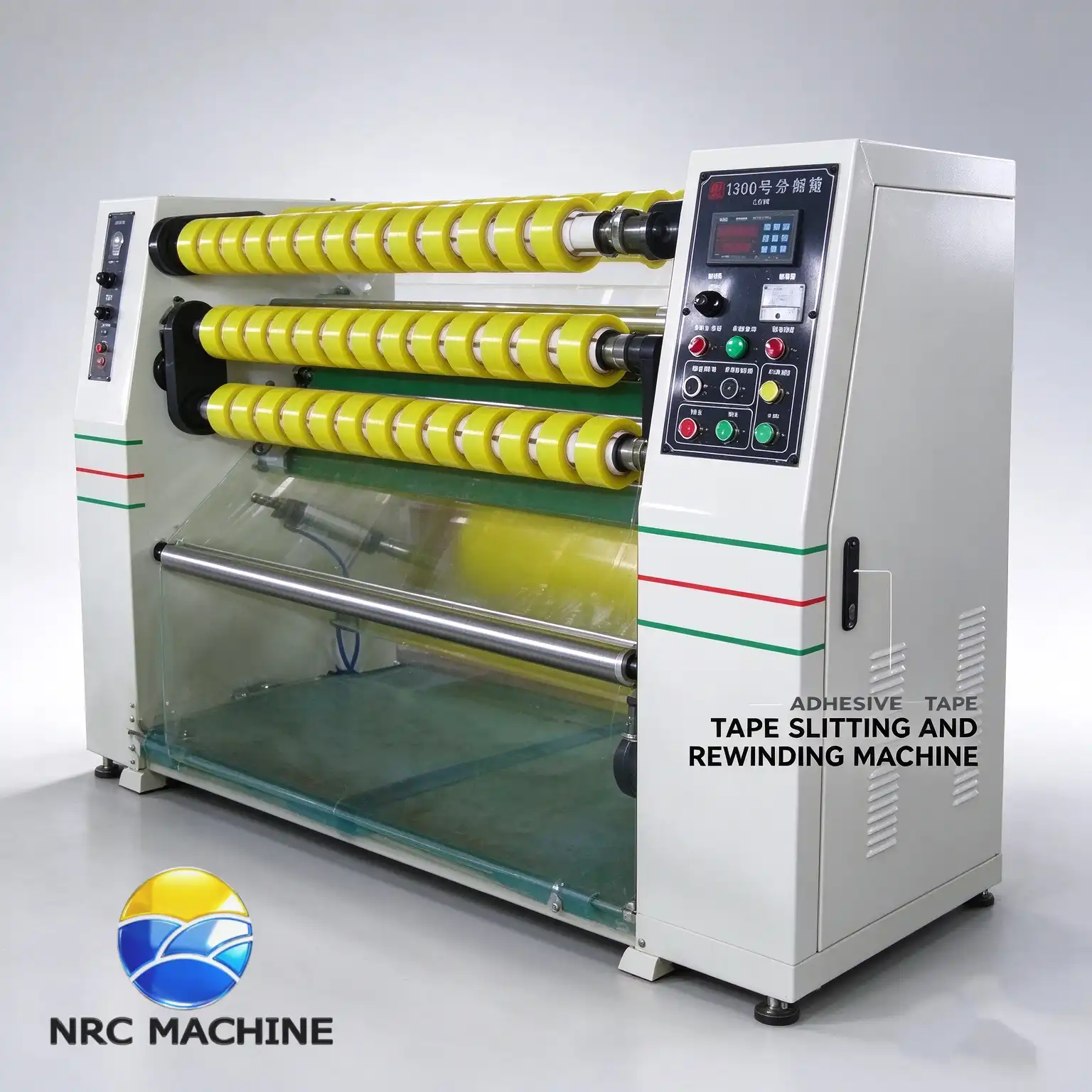
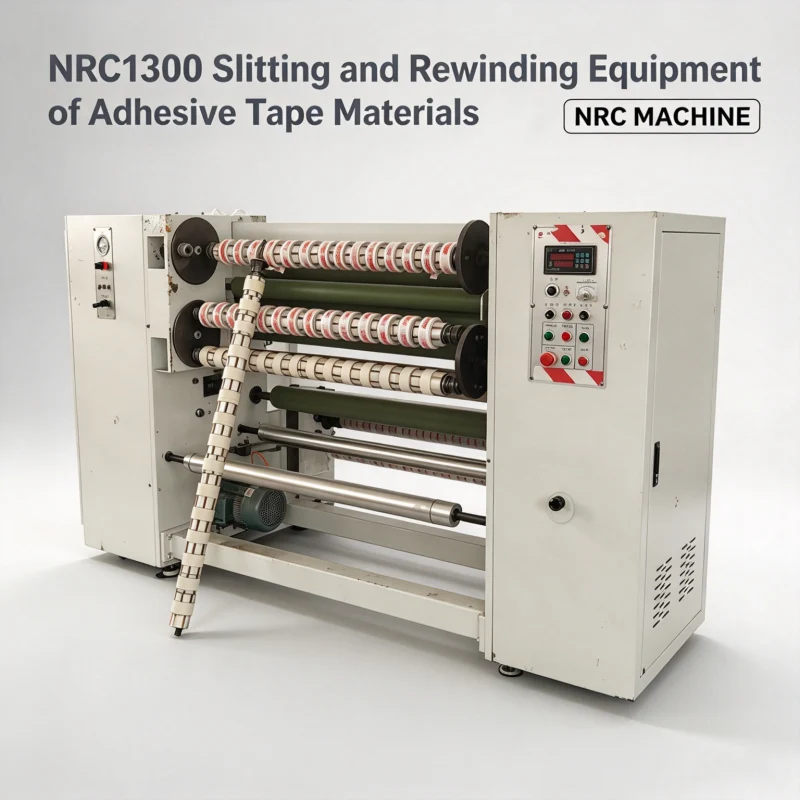
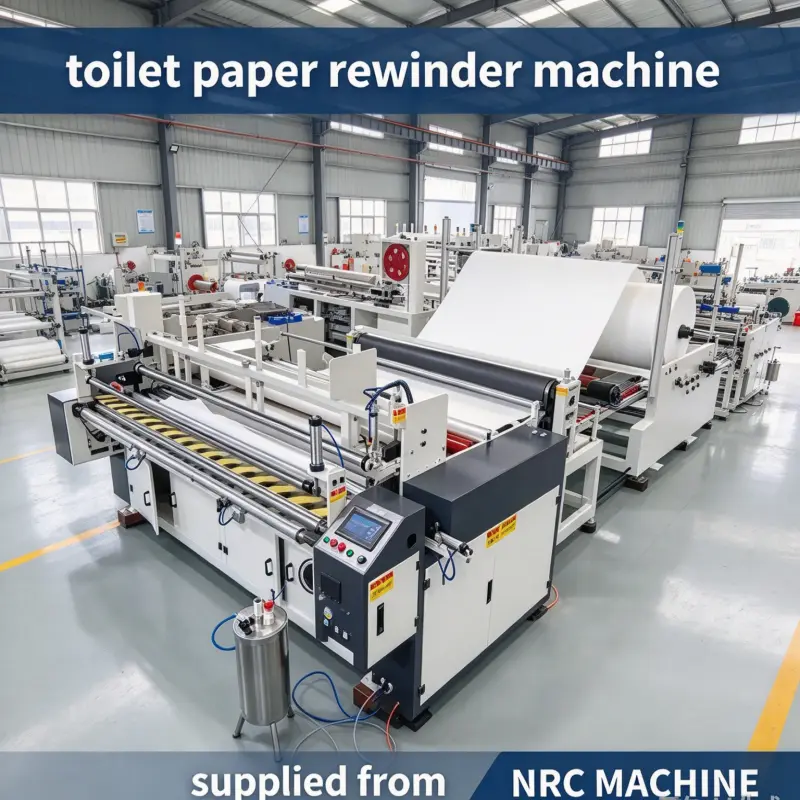
Si una línea de tubo de papel no cumple la tolerancia de diámetro, aunque sea por un pequeño margen, el problema rara vez se queda pequeño. Aparece más tarde en corte, rebobinado, de papel, el etiquetado, el bobinado textil o la carga de núcleos. Por eso, una revisión seria de una máquina de bobinado de tubos de papel no debe empezar sólo por el precio. Debe empezar por la consistencia de la producción, la compatibilidad de materiales y si la máquina puede mantener una producción estable en condiciones reales de fábrica.
Para los propietarios de fábricas, importadores y directores de producción, la máquina adecuada no es simplemente la que ofrece la mayor velocidad en una hoja de presupuesto. Una máquina de bobinado de tubos de papel tiene que ajustarse a la mezcla de productos, el nivel de habilidad del operario, el sistema de adhesivo, las especificaciones básicas y el plan de capacidad futura. Las máquinas que parecen similares en las fotos pueden funcionar de forma muy diferente una vez que ejecutan los ciclos de papel kraft, cola y corte durante un turno completo.
Lo que más importa en una revisión de una bobinadora de tubos de papel
La primera cuestión es la adecuación a la aplicación. Los tubos de papel se utilizan en envases, bobinado de películas, conos textiles, Los tubos en espiral de pared gruesa son adecuados para la fabricación de núcleos de cintas, núcleos de papeleras y almacenamiento industrial en general. Una máquina configurada para tubos en espiral de uso ligero no es automáticamente adecuada para machos industriales de pared gruesa. A veces, los compradores comparan los presupuestos línea por línea y pasan por alto la pregunta básica: ¿qué tipo de tubo producirá bien esta máquina, todos los días, con un desperdicio y un coste de mano de obra aceptables?
La segunda cuestión es la estabilidad de la producción. Una máquina puede ofrecer cifras de velocidad atractivas, pero la velocidad nominal y la velocidad estable no son lo mismo. La velocidad estable depende de la precisión del mandril, el control de la tensión de la cinta, la precisión de la aplicación de cola, la alineación de la alimentación de papel y la sincronización del corte. Si alguno de estos elementos es deficiente, la calidad de la producción empieza a desviarse a medida que los operarios presionan más la línea.
La tercera cuestión es la viabilidad posventa. En la maquinaria de exportación, el servicio forma parte de la máquina. Las normas eléctricas, la disponibilidad de piezas de recambio, la calidad de la documentación, la respuesta del servicio técnico a distancia y la orientación para la instalación afectan al valor real de compra. Un precio de compra bajo puede salir caro si el tiempo de inactividad se alarga porque las piezas de recambio o las respuestas técnicas son lentas.
Revisión de las bobinadoras de tubos de papel: principales factores de rendimiento
Precisión de bobinado y calidad del tubo
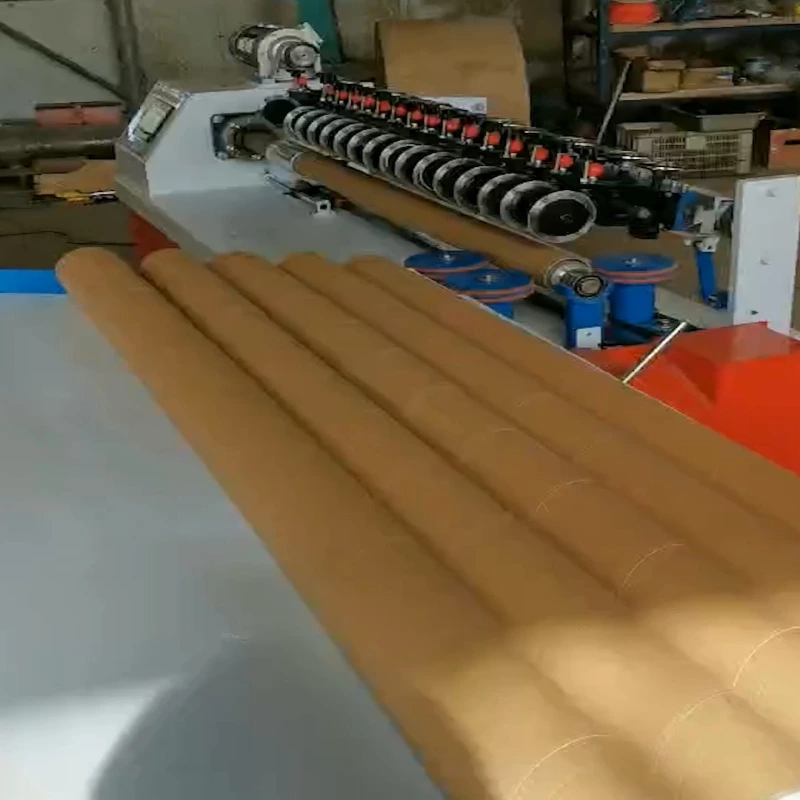
Una buena máquina debe producir un diámetro interior uniforme, un grosor de pared consistente y una formación de superficie limpia. Esto parece básico, pero es donde se producen muchos errores de compra. Si las capas de papel no se alinean correctamente durante el bobinado, el resultado pueden ser tubos ovalados, poca resistencia a la compresión o defectos visibles en la superficie.
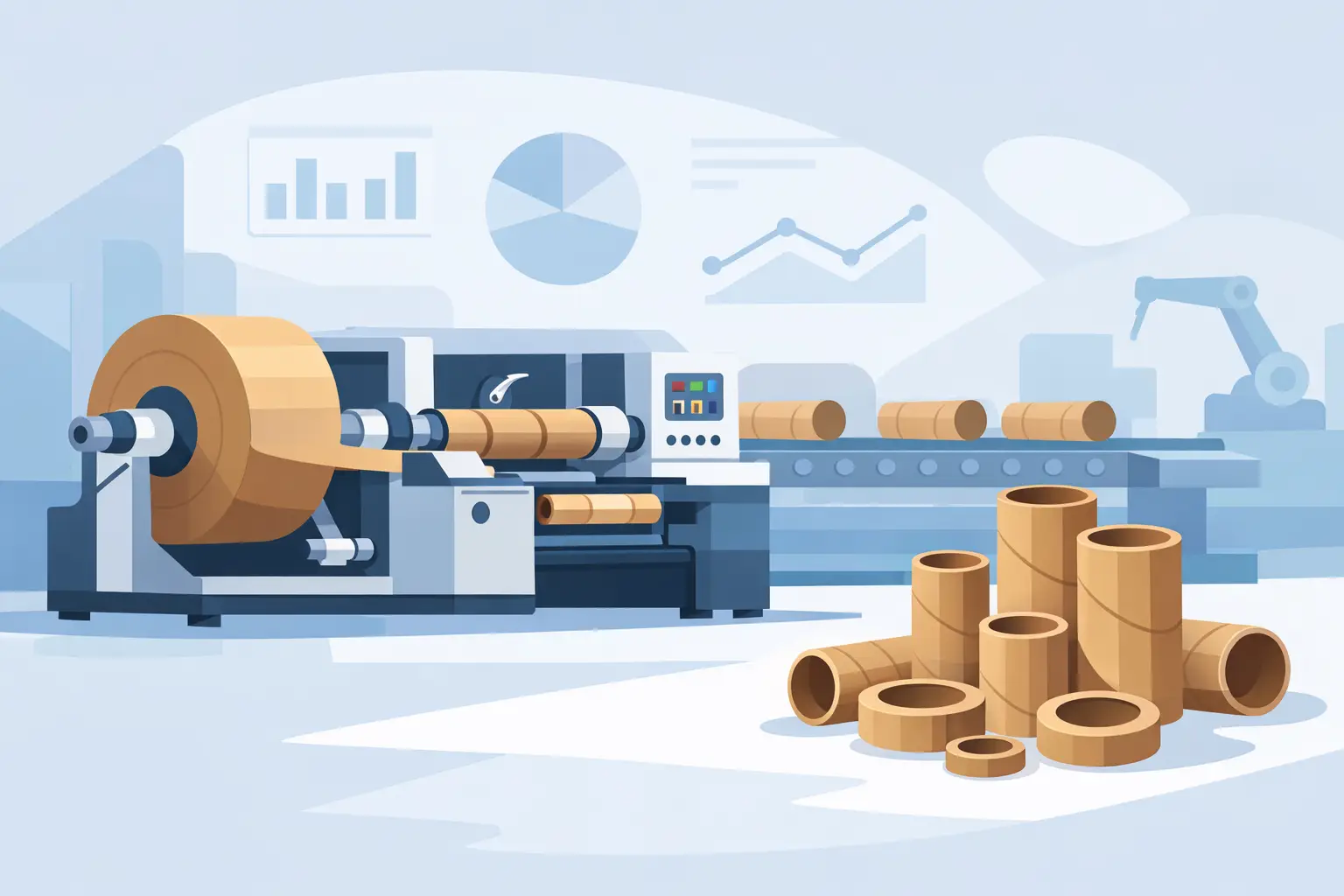
Para los compradores que atienden a clientes con estrictas tolerancias en el núcleo, la precisión del corte también merece mucha atención. Las variaciones en la longitud de los tubos generan problemas de embalaje y reclamaciones de los clientes. En la práctica, un corte estable es tan importante como el propio bobinado, sobre todo cuando una fábrica suministra grandes volúmenes de pedidos repetidos.
Velocidad frente a rendimiento útil
La velocidad cotizada sólo es útil cuando refleja una producción vendible. Una máquina más rápida que produce más rechazos no es una mejor inversión. Pregunte cómo funciona la máquina con su peso base, la gama de diámetros de tubo y el grosor de pared deseado. Los tubos finos y los tubos gruesos plantean exigencias diferentes a la sección de bobinado y al sistema de corte.
La producción útil también depende de la eficacia de los cambios. Si una máquina funciona rápido pero tarda demasiado en reajustarse para otro diámetro o longitud, la producción diaria total puede ser decepcionante. Esto es aún más importante para las fábricas que trabajan con tiradas cortas o especificaciones mixtas.
Sistema adhesivo y compatibilidad de materiales
El control del pegamento tiene un efecto directo sobre la resistencia, el aspecto y el tiempo de limpieza. Demasiado poco adhesivo debilita la unión. Demasiado adhesivo crea desorden, residuos y problemas de mantenimiento. Una unidad de encolado bien diseñada debe permitir una aplicación uniforme y una limpieza sencilla.
La compatibilidad de materiales también es importante. Algunos compradores procesan diferentes grados de kraft, papel reciclado o materias primas específicas del cliente. Una máquina que sólo funcione bien con una especificación de papel limitada puede limitar la flexibilidad futura. Antes de realizar el pedido, conviene confirmar el rango GSM aceptable del papel, el tipo de cola y la sensibilidad a la humedad.
Automatización y requisitos laborales
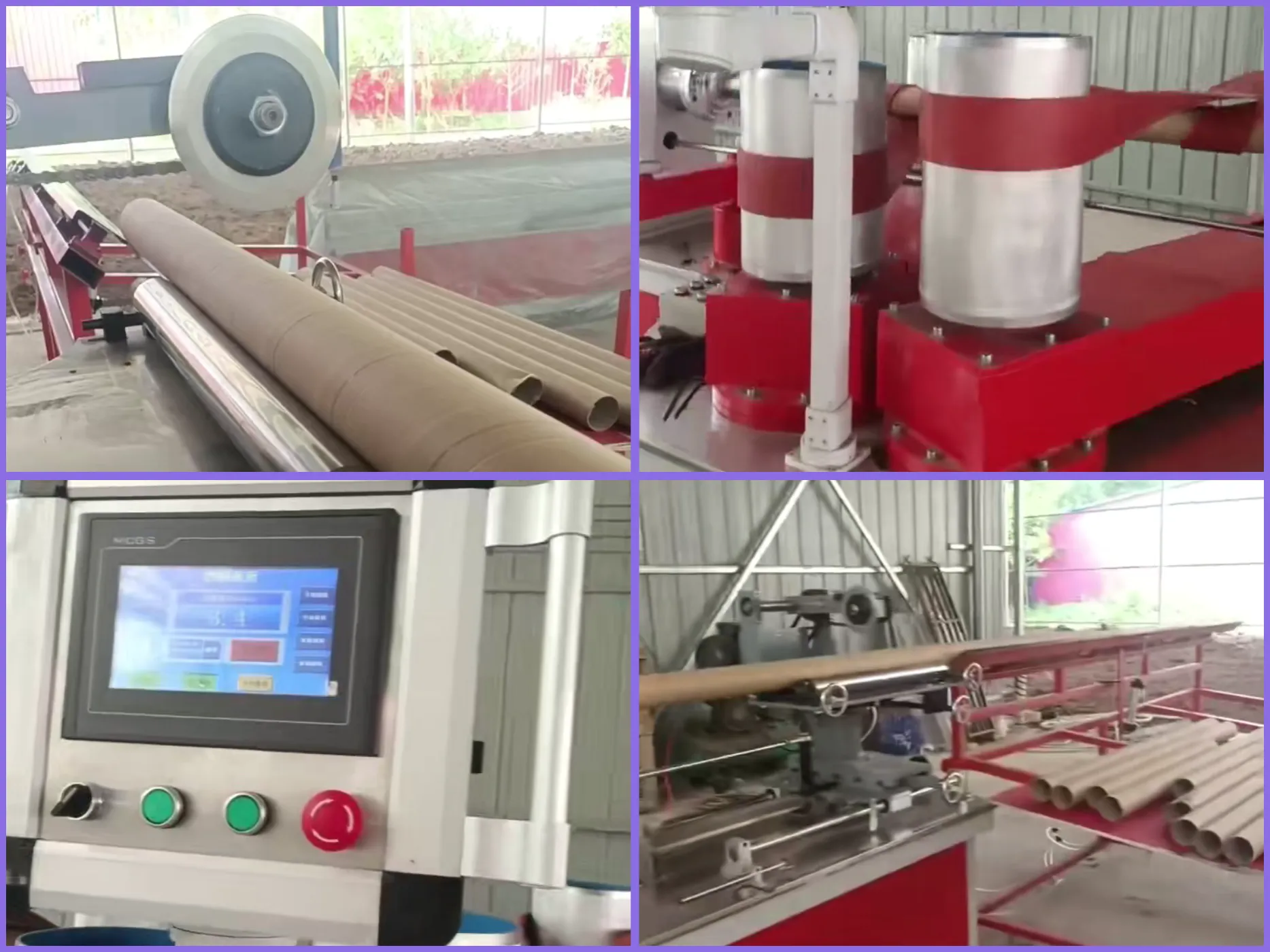
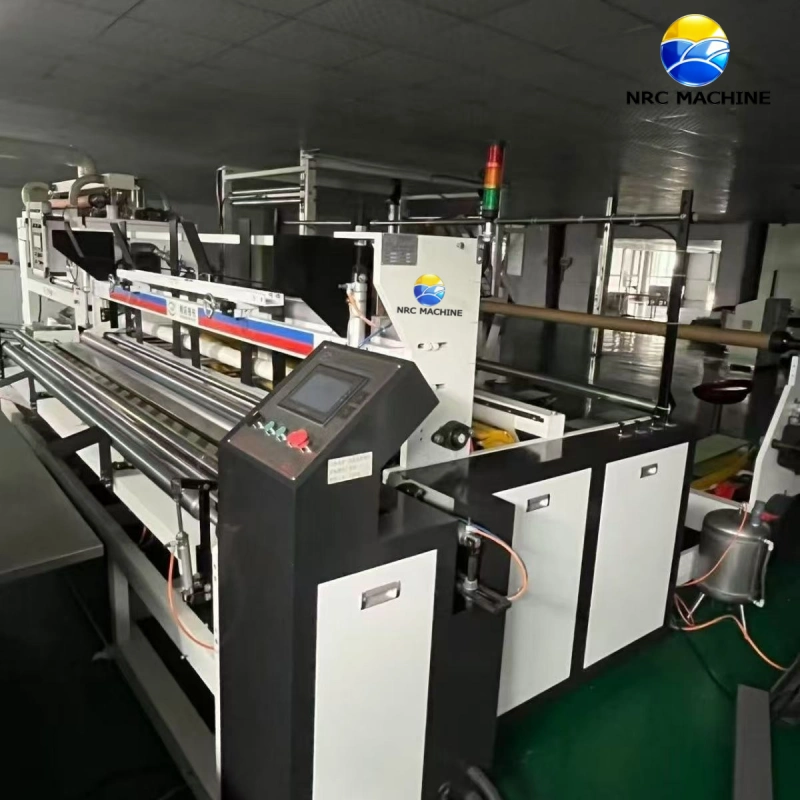
La automatización debe juzgarse por la reducción de mano de obra, la uniformidad y la facilidad de manejo, no sólo por el número de funciones. Los controles de pantalla táctil, el corte automático, el servoposicionamiento y los sistemas de alarma pueden mejorar el rendimiento cuando se integran correctamente. Pero los controles excesivamente complicados pueden ralentizar la formación y crear dependencia del servicio si el equipo de operarios no está preparado.
Para muchas fábricas en crecimiento, la mejor configuración no es la más automatizada. Es la que equilibra una aportación razonable de mano de obra con un rendimiento fiable y un mantenimiento manejable. La respuesta correcta depende del coste de la mano de obra local, la disponibilidad de conocimientos técnicos y el volumen de pedidos previsto.
Calidad de construcción, mantenimiento y asistencia técnica
La rigidez del bastidor de la máquina, la calidad de los rodamientos, la selección del motor, los estándares de los componentes eléctricos y la durabilidad de la cortadora influyen en el coste de funcionamiento a largo plazo. Estos detalles son menos visibles que un exterior pintado, pero importan más después de seis meses de producción.
En cualquier revisión de la bobinadora de tubos de papel, el acceso para el mantenimiento merece más atención de la que suelen prestarle los compradores. Si los operarios no pueden limpiar fácilmente las secciones de cola, ajustar los componentes clave o sustituir las piezas de desgaste, el mantenimiento preventivo se retrasa. Esto provoca un rendimiento desigual y tiempos de inactividad evitables.
La asistencia técnica debe evaluarse antes del pedido, no después del envío. Pregunte qué documentos se incluyen, si se dispone de orientación para la puesta en marcha, con qué rapidez se responde a las preguntas técnicas y qué piezas de repuesto deben almacenarse localmente. Un fabricante con experiencia debe ser capaz de explicarlo de forma clara y directa.
Comparación de tipos de máquinas para distintas fábricas
Las máquinas semiautomáticas suelen ser adecuadas para las fábricas más pequeñas, los nuevos operadores o los compradores que prueban un mercado local. Suelen requerir una inversión inicial menor y pueden ser prácticas cuando el coste de la mano de obra es manejable. La contrapartida es un menor rendimiento, una mayor dependencia del operario y, en ocasiones, una producción menos uniforme a velocidades más altas.
Las líneas totalmente automáticas o de mayor configuración tienen más sentido para plantas establecidas con pedidos estables y plazos de entrega más ajustados. Pueden reducir la intensidad de mano de obra y mejorar la repetibilidad, sobre todo en el caso de tiradas de productos estándar. La contrapartida es un mayor coste de capital y una mayor dependencia de la formación y el apoyo técnico adecuados.
La producción de tubos de alta resistencia requiere una norma de revisión diferente a la núcleos de envases ligeros. Para los núcleos industriales, el par de torsión, la estabilidad de la presión, la capacidad de espesor de pared y la resistencia de la fresa son más importantes que la velocidad del cabezal. Los compradores deben adaptar la clase de máquina a la demanda real del producto, no a la lista de especificaciones más amplia posible.
El coste es superior al precio de la máquina
Una revisión comercial sensata tiene en cuenta el coste total de explotación. El uso de energía, el consumo de cola, el desgaste de las cuchillas, la tasa de rechazos, las necesidades de mano de obra, el tiempo de inactividad por mantenimiento y la sustitución de piezas de repuesto afectan a la rentabilidad. Una máquina más barata puede perder rápidamente su ventaja en costes si funciona con mayores residuos o con una calidad de tubo inconsistente.
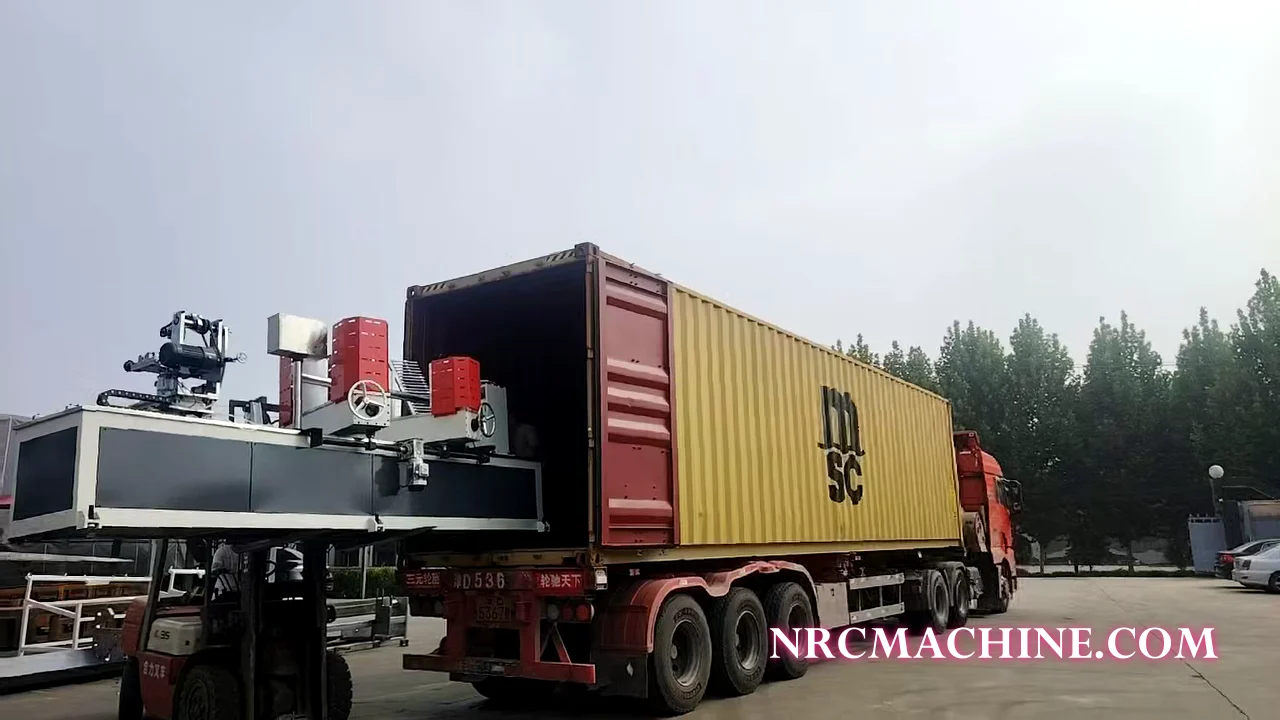
Los compradores de exportación también deben tener en cuenta la preparación de la instalación y la planificación logística. La compatibilidad de tensiones, la disposición de los talleres, el flujo de materias primas y la formación de los operarios influyen en el tiempo de puesta en marcha. Los retrasos tras la entrega son costosos, sobre todo cuando ya se han planificado la producción o los contratos con los clientes.
Aquí es donde trabajar con un proveedor de fábrica tiene una ventaja práctica. Por lo general, un fabricante con amplia experiencia en maquinaria puede asesorar sobre la adecuación de la línea, las expectativas de producción y la selección de accesorios con más precisión que un revendedor centrado únicamente en cerrar la transacción. Para los compradores que comparan el valor a largo plazo, esa diferencia es importante.
Quién debe comprar qué tipo de máquina
Si está iniciando un negocio de papel, una configuración más sencilla con un rendimiento básico estable suele ser el punto de partida adecuado. Necesita una calidad predecible, un funcionamiento sencillo y una máquina que pueda mantenerse sin excesiva complejidad. La ampliación puede venir más tarde, una vez que la demanda del producto y la gama de tamaños estén probadas.
Si ya dirige una planta de transformación y necesita producir tubos para el consumo interno, céntrese en la consistencia, la integración con su proceso posterior y el riesgo de tiempo de inactividad. La fabricación interna de tubos tiene éxito cuando la máquina reduce la dependencia del suministro sin crear un nuevo cuello de botella.
Si es usted importador o distribuidor, revise la máquina no sólo como equipo, sino como paquete de servicios. Su cliente juzgará la compra por el éxito de la instalación, la calidad de la producción y la capacidad de respuesta del servicio técnico. Por eso, la credibilidad del fabricante es tan importante como la hoja de especificaciones.
Veredicto final sobre esta revisión de la bobinadora de tubos de papel
La mejor máquina rara vez es la más barata y no siempre es la más rápida. Es la que se ajusta a las especificaciones de su tubo, funciona de forma estable con su material, se adapta a su estructura de mano de obra y viene con un servicio de asistencia que protege la producción. Los compradores que revisan las máquinas de este modo suelen tomar mejores decisiones de capital y evitan costosas sorpresas tras la instalación.
Para una compra seria, haga preguntas más difíciles antes de solicitar el presupuesto final. Pregunte cómo funciona la máquina en un turno completo, cómo manipula su tipo de papel, qué piezas de desgaste debería tener en stock y con qué rapidez se ofrece asistencia después de la exportación. Un buen proveedor responderá con datos concretos, no con lenguaje comercial. Esta suele ser la señal más clara de que está comprando un equipo fabricado para la producción, no sólo para la presentación.