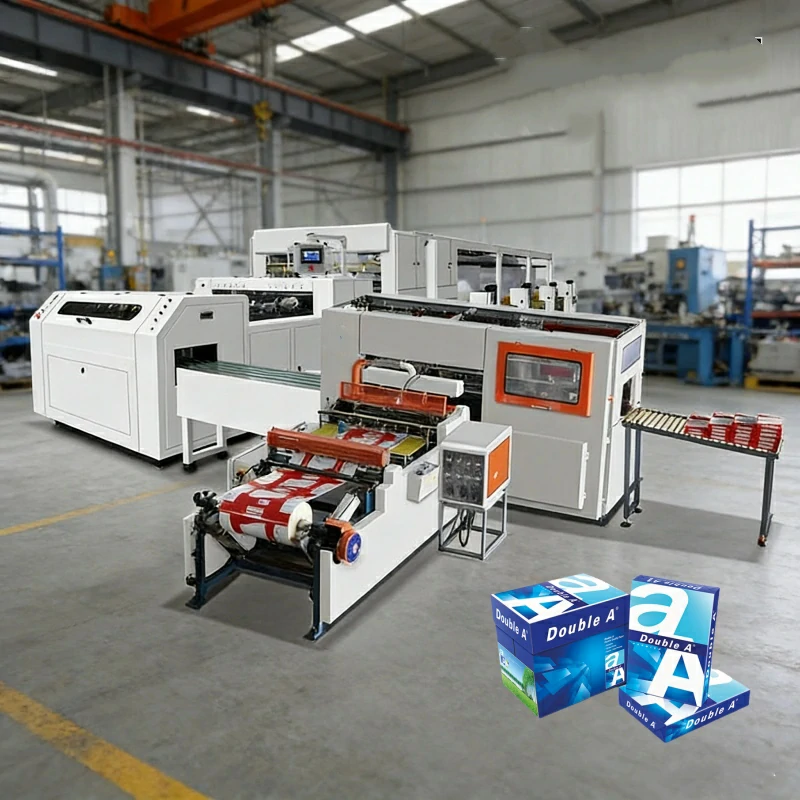
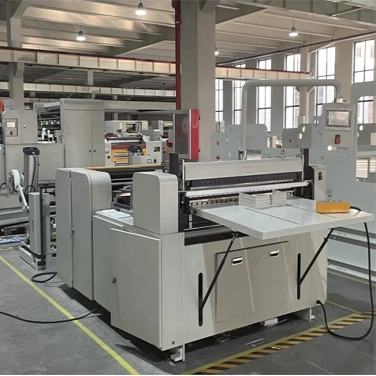
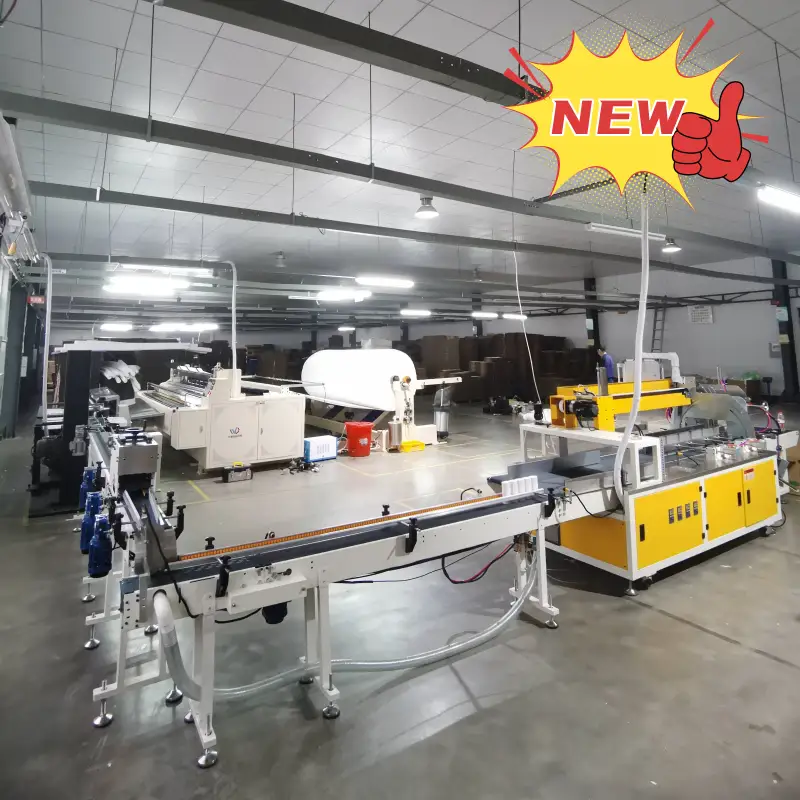
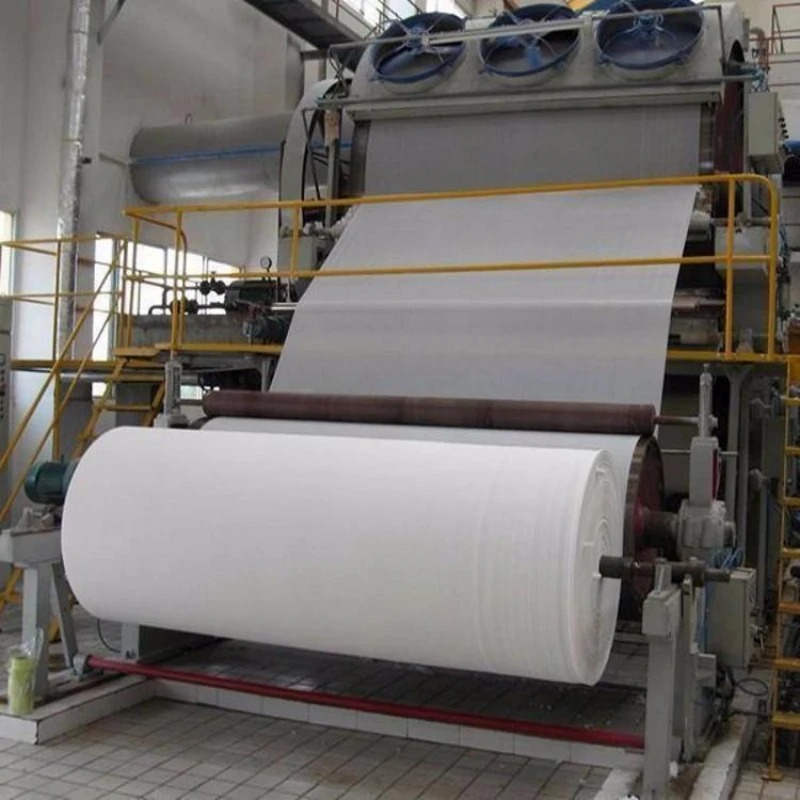
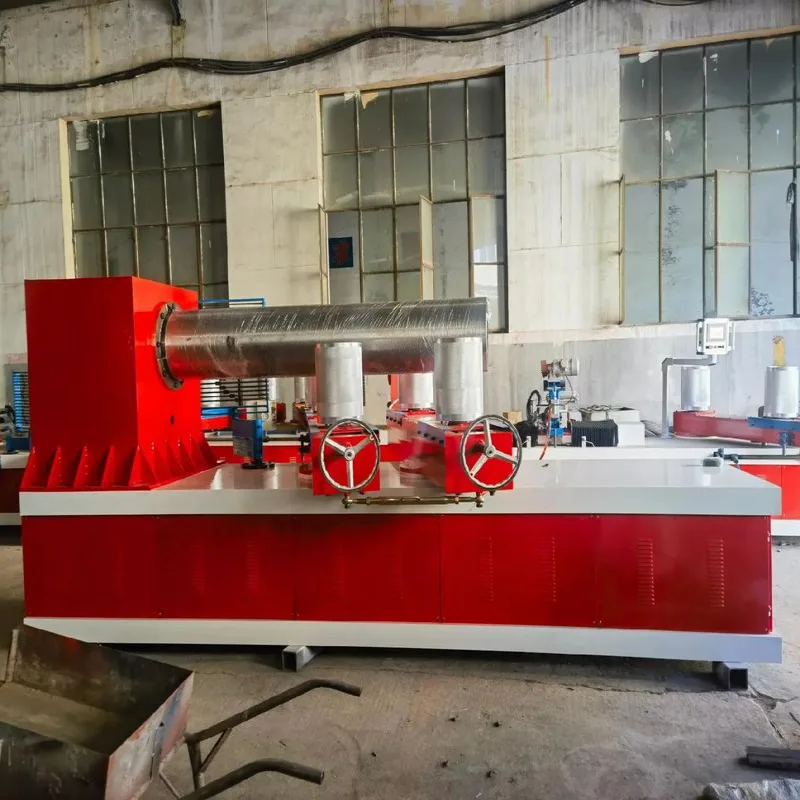
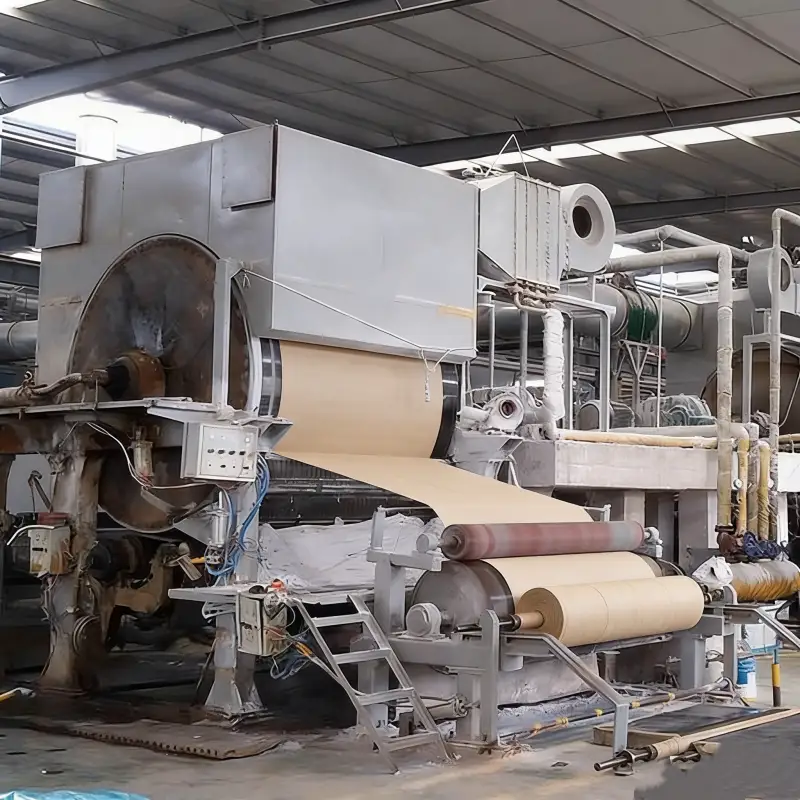
A buyer asking about facial tissue paper making machine price is usually not looking for a single number. They are trying to answer a harder question – what will this machine actually cost my factory to buy, install, run, and scale? That is the right way to evaluate tissue equipment, because two machines with very different prices can produce very different business results.
What affects facial tissue paper making machine price
The price of a facial tissue machine is shaped first by production capacity. A compact machine built for smaller output and local distribution will sit in a different range than a high-speed line designed for continuous production, multi-shift operation, and wider market coverage. If your target is to supply supermarkets, distributors, hotels, and institutional buyers at scale, capacity becomes a commercial decision, not just a technical one.
Automation level is another major cost driver. A semi-automatic setup may reduce the initial investment, but it can increase labor dependence, changeover time, and operator skill requirements. A more automated line usually costs more upfront, yet it often improves consistency, reduces waste, and supports stronger long-term output control. For many factory owners, the right choice depends on local labor cost, available technicians, and how aggressively the business plans to grow.
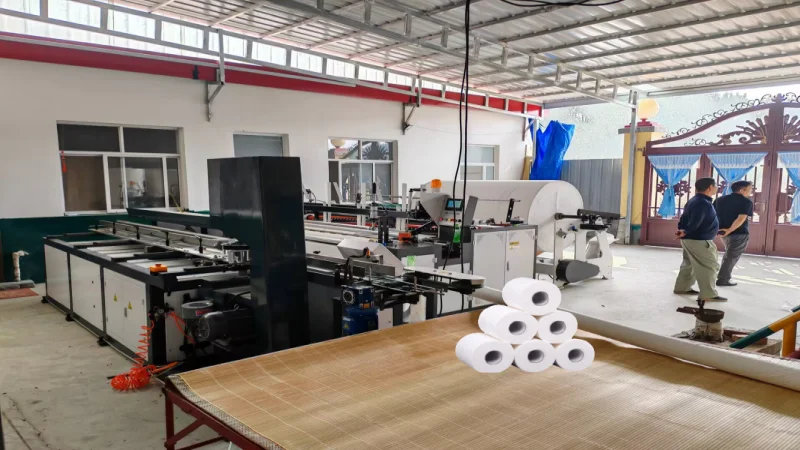
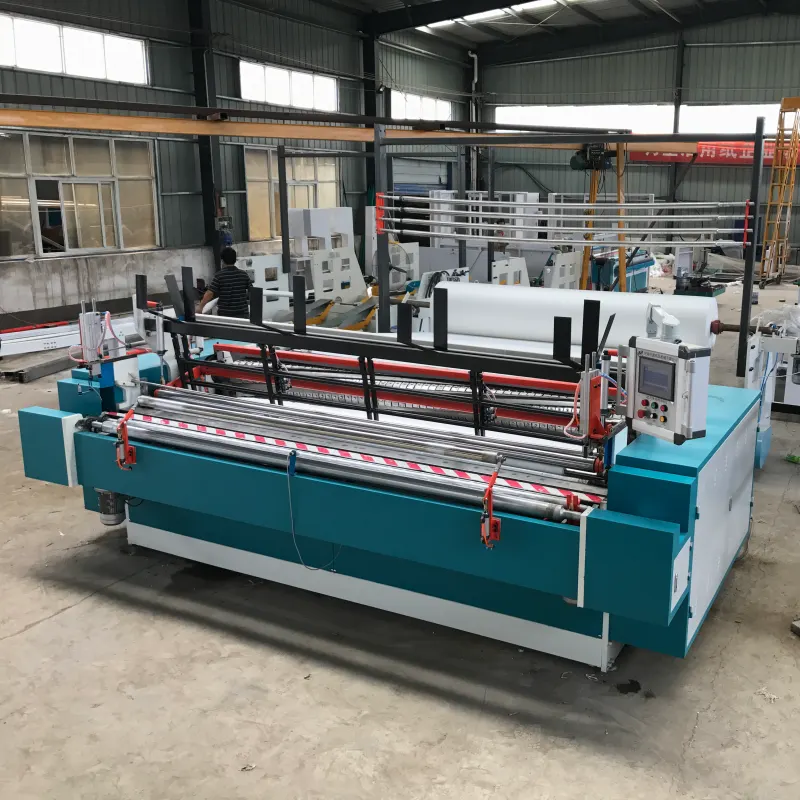
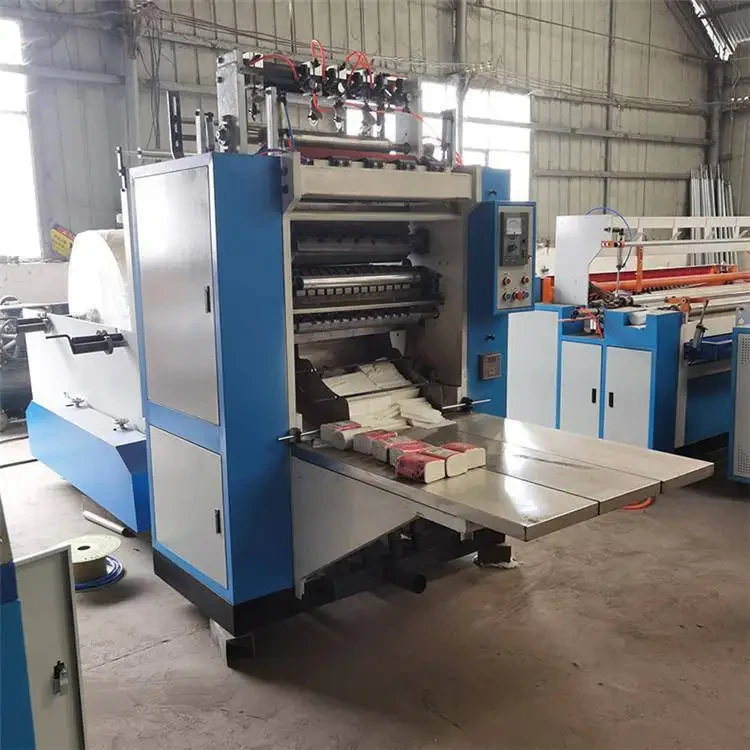
Machine configuration also matters. Some buyers are pricing a single core converting unit, while others need a more complete production line that includes jumbo roll unwinding, embossing, folding, cutting, counting, and packaging support. When suppliers quote different scopes, price comparisons become misleading. A lower number may simply mean fewer included functions.
Facial tissue paper making machine price by machine scope
In practical terms, facial tissue paper making machine price tends to rise with the completeness of the line. A basic setup may cover the converting stage only. This can suit buyers who already have part of the process in place or who want to enter the market with tighter capital control. The trade-off is that future expansion may require additional integration work, extra floor space planning, and more operator coordination.
A mid-range production line often adds stronger automation, better folding precision, stable counting performance, and more dependable finishing quality. This level is common for businesses that want commercial output without stepping immediately into the highest-capacity industrial tier. It is often the most balanced option for importers, distributors building local production, and factory owners upgrading from manual or semi-manual operations.
A fully equipped line commands a higher price because it is built for output stability, product uniformity, and lower operational friction. These systems are usually more attractive for established producers serving broader regional demand. The higher purchase price can make financial sense if downtime is costly, order volumes are growing, and packaging quality directly affects sales performance.
The hidden cost behind a low quote
The cheapest quote in the market is rarely the cheapest machine to own. Buyers in tissue converting know that purchase price is only one part of the investment. If a low-cost machine has unstable running speed, frequent maintenance needs, poor component quality, or limited technical support, the savings disappear quickly.
This is where serious manufacturers separate themselves from trading intermediaries. A factory-direct supplier can usually explain what is included in the machine build, what standards are followed, how export packaging is handled, and what support is available after delivery. Those details matter because tissue production is a volume business. When the machine stops, margins stop with it.
A realistic evaluation should include power consumption, raw material compatibility, spare parts availability, operator training, and installation guidance. If a supplier cannot clearly discuss these points, the quoted price does not tell the full story.
How to compare quotes without making a bad buying decision
The most common pricing mistake is comparing numbers without aligning technical scope. One quote may include embossing units, automatic counting, vacuum folding, and control system upgrades, while another may cover only the base machine. On paper, the second quote looks more attractive. In production, it may leave gaps that create extra cost later.
Ask each supplier to confirm the same commercial and technical points. What is the output range? What tissue GSM can the machine handle? What is the finished product specification? Is installation support included? Are electrical standards and motor brands clearly identified? Is the machine built for your market’s voltage and plant conditions? Without this alignment, price analysis is incomplete.
It also helps to think in terms of price per usable output, not just price per machine. A machine that runs faster, produces cleaner folding, and reduces reject rates may carry a higher upfront cost but a better return per case sold. For plant managers and owners, this is often the more useful metric.
Why capacity planning matters before you request price
Many buyers ask for pricing before they define their production target. That usually leads to weak quote accuracy. If your daily output goal, tissue sheet size, pack format, and market positioning are not clear, the supplier can only offer a broad estimate.
A better approach is to start with your commercial model. Are you producing standard facial tissue for retail shelves, soft premium tissue for branded distribution, or institutional tissue for hospitality and commercial use? Are you targeting one shift or multiple shifts? Will you sell in one city, one country, or several markets? These answers directly affect the right machine specification and, therefore, the right price band.
This is especially important for buyers entering growth markets where demand can scale quickly. Under-buying creates production constraints. Over-buying ties up capital and may pressure cash flow in the early stage. Good machinery pricing starts with realistic production planning.
The role of quality, certification, and export service
For international buyers, machine price should also reflect export readiness. A facial tissue machine is not just a domestic factory purchase. It is an imported production asset that must arrive safely, clear documentation requirements, and be supported after shipment. CE certification, machine testing standards, packing quality, and logistics experience all influence the real value behind the quote.
This is one reason many business buyers prefer established manufacturers with export history. The machine itself matters, but so does the process around it. Delays, missing documents, poor packaging, and weak communication can add cost that never appears in the original quotation.
At this stage, the supplier’s responsiveness becomes part of the pricing decision. If a team responds quickly, clarifies technical details, and understands production-line planning, the purchasing process becomes more efficient. For buyers sourcing internationally, that commercial discipline has real value.
What buyers should prepare before asking for facial tissue paper making machine price
The fastest way to get a useful quote is to provide operating requirements, not just ask for a price list. A supplier can quote more accurately when the buyer shares expected output, paper width, jumbo roll specification, finished tissue dimensions, pack style, automation preference, and destination country. That information reduces back-and-forth and helps identify whether a standard machine or custom configuration is the better fit.
It is also smart to be honest about budget range. Serious manufacturers can often recommend the right level of equipment once they understand whether the project is a startup line, a mid-scale expansion, or a high-capacity factory upgrade. That saves time and keeps discussions commercially relevant.
For buyers comparing several suppliers, consistency matters. Send the same requirement sheet to each one. Then compare not only the machine price, but also scope, support, lead time, spare parts, and production suitability. That is how procurement teams avoid expensive assumptions.
Price matters, but return matters more
A facial tissue line should be purchased as a production investment, not as a one-time expense. The right machine supports stable output, acceptable operating cost, and room for future growth. The wrong one may look cheaper at the start and become expensive through downtime, waste, labor pressure, and inconsistent product quality.
For businesses evaluating suppliers, the most useful question is not simply, “What is the facial tissue paper making machine price?” It is, “What machine configuration gives my factory the best commercial return for the market I want to serve?” When that question drives the buying process, pricing becomes clearer, negotiation becomes smarter, and the final equipment choice is more likely to support long-term production success.
If you are planning a new tissue project or expanding an existing line, a detailed inquiry will always produce a better answer than a generic price request. At https://nrcmachine.com/, that is where a serious buying conversation should start.