Lorsqu'une rame de papier A4 quitte la table d'emballage avec des bords irréguliers, le problème commence généralement plus tôt, au niveau de la coupe. Une machine de découpe du papier A4 n'est pas une simple unité de finition. Elle affecte directement la précision des feuilles, la qualité des rames, la vitesse d'emballage, le taux de déchets et l'uniformité que vos clients constatent à chaque fois qu'ils ouvrent une boîte.
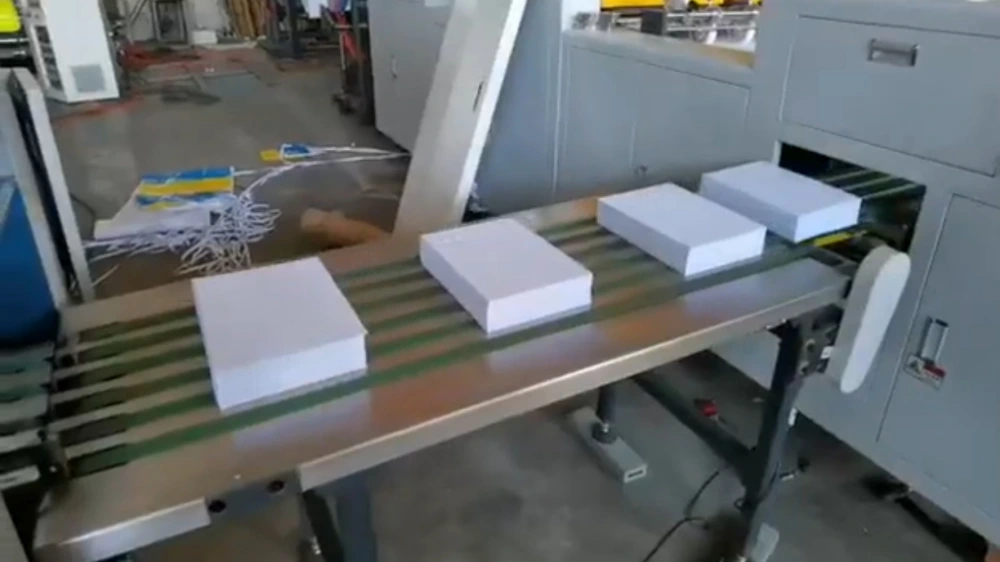
Pour les propriétaires d'usines et les directeurs de production, le choix d'une machine est donc une décision commerciale autant que technique. La bonne configuration permet de stabiliser la production et de réduire les coûts d'exploitation. Une mauvaise configuration entraîne des pertes de coupe, des temps d'arrêt, des réclamations de la part des clients et des goulets d'étranglement qui se manifestent sur l'ensemble de la chaîne de production.
Ce que fait une machine à découper le papier A4
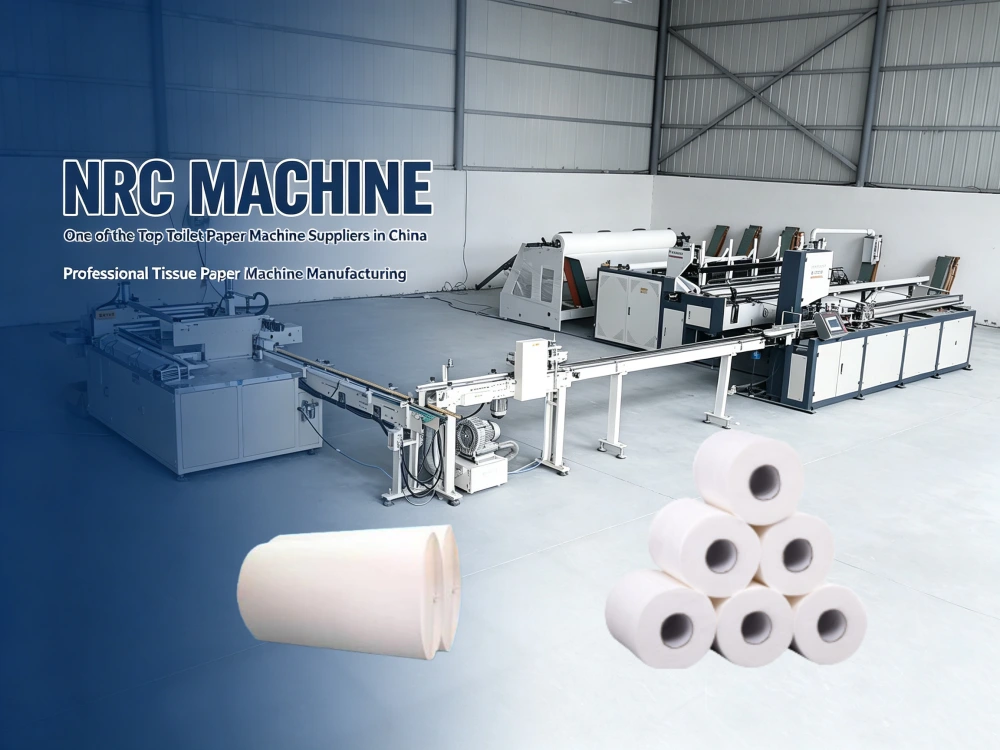
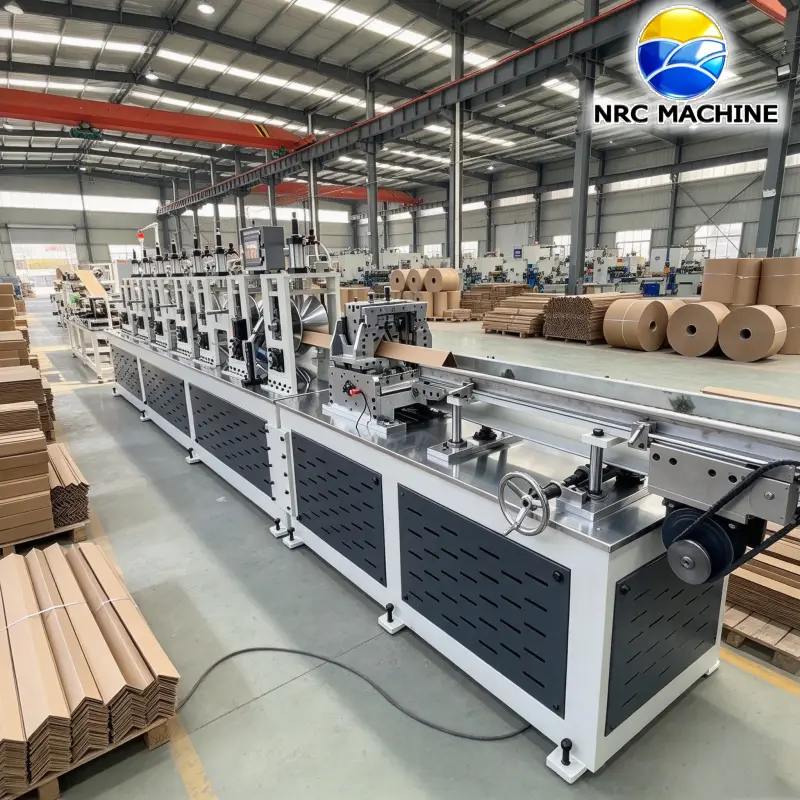
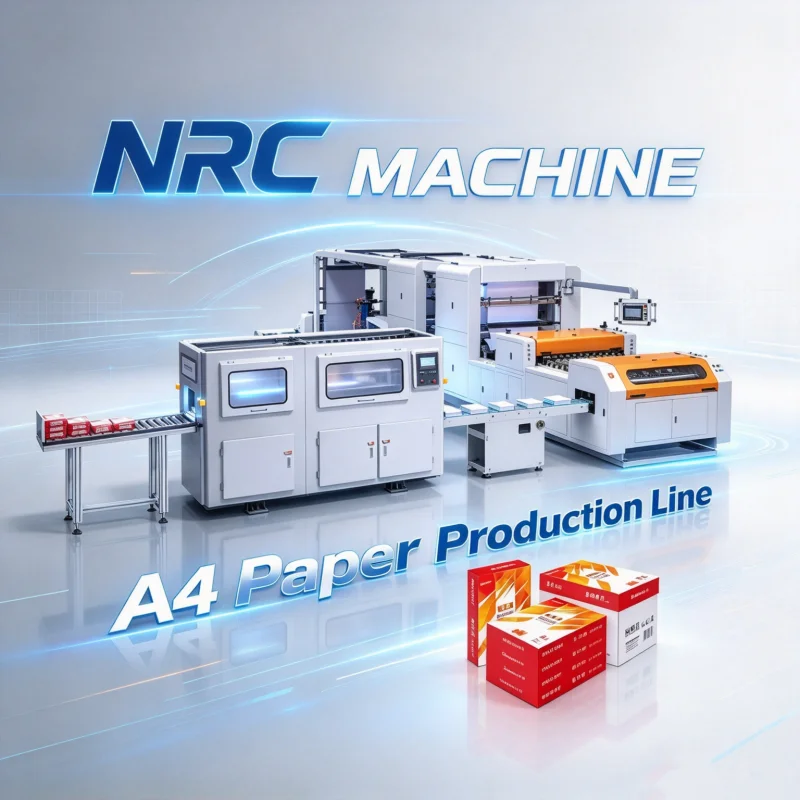
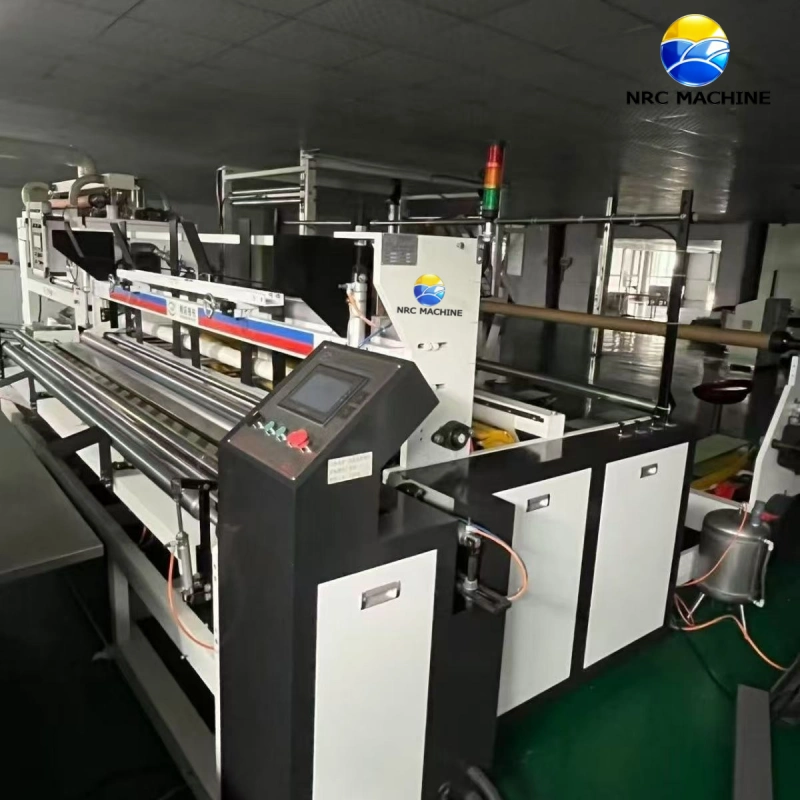
Dans le domaine de la transformation industrielle du papier, une machine à couper le papier a4 convertit des rouleaux ou des feuilles de papier de grande taille en format A4 fini, avec une longueur, une largeur et une qualité d'empilage contrôlées. Dans de nombreux environnements de production, cette machine fait partie d'un groupe de production. Ligne de rames de papier A4 qui comprend le déroulement, la découpe, la coupe transversale, le comptage, l'empilage et l'emballage.
Cela semble simple, mais c'est l'étape de la coupe qui porte la plus grande partie du fardeau de la précision. Les acheteurs se concentrent souvent sur la vitesse, mais la vitesse sans contrôle est coûteuse. Si la longueur des feuilles varie, si les coins ne sont pas d'équerre ou si l'alignement des piles est mauvais, l'emballage en aval devient plus lent et les rames finies ont un aspect incohérent, même si le papier lui-même est de bonne qualité.
C'est pourquoi les acheteurs sérieux évaluent ensemble la tolérance de coupe, la stabilité mécanique, les performances des couteaux, la précision de l'alimentation et le niveau d'automatisation. Une machine peut se ressembler sur le papier mais avoir des performances très différentes dans une usine réelle.
Types de machines à découper le papier A4 et leur place
La machine la mieux adaptée dépend du format de vos matières premières, de votre production cible et de votre modèle de main-d'œuvre. Il n'existe pas de configuration unique qui convienne à toutes les usines.
Systèmes roll-to-sheet
Une machine à bobines est le choix le plus courant pour les volumes moyens à élevés. Production de papier A4. Il déroule des bobines géantes, coupe la bande à la largeur voulue, puis recoupe les feuilles à la taille finale. Cette installation est efficace pour les transformateurs qui souhaitent une production continue et un contrôle plus strict des coûts sur les grosses commandes.
L'avantage est la productivité. Les systèmes à bobines sont mieux adaptés aux usines qui fournissent des bureaux, des distributeurs, des écoles et des grossistes, où les objectifs de production quotidienne sont élevés. Ils s'intègrent également plus facilement dans une ligne de production de rames complètes.
Le compromis se situe au niveau de l'investissement et de la discipline d'installation. La manipulation des rouleaux, le contrôle de la tension, l'état des lames et la formation des opérateurs sont plus importants. Si votre équipe est inexpérimentée ou si le volume de vos commandes est encore en développement, un système de moindre capacité peut s'avérer plus pratique.
Systèmes de coupe de feuilles
Certains acheteurs travaillent à partir de feuilles mères plutôt que de rouleaux. Dans ce cas, un massicot à feuilles peut s'avérer plus adapté. Il peut convenir à des séries de production plus courtes, à des ateliers plus petits ou à des opérations avec des produits de tailles différentes.
Le principal avantage est la flexibilité et la simplification de la manipulation des matériaux. La limite est le rendement. Pour les entreprises qui prévoient d'augmenter considérablement leur production de papier pour copieurs ou de papier de bureau, la découpe feuille à feuille peut devenir un goulot d'étranglement plus tôt que prévu.
Les spécifications qui comptent avant l'achat
Un devis n'est utile que si la configuration de la machine correspond à votre plan d'usine. De nombreuses erreurs d'achat se produisent parce que la demande commence par le prix au lieu des exigences de production.
Capacité de production
Commencez par des objectifs de production réels, et non des objectifs idéaux. Combien de ramettes devez-vous produire par jour ? Combien d'équipes allez-vous mettre en place ? Quel taux d'utilisation est réaliste sur votre marché ? Une machine conçue pour fonctionner à très grande vitesse risque d'être moins performante si l'approvisionnement en matériaux en amont, l'organisation de la main-d'œuvre ou la section d'emballage ne parviennent pas à suivre le rythme.
La capacité doit être évaluée comme une production stable, et non comme la vitesse maximale indiquée dans une brochure. Demandez comment les performances se maintiennent sur de longues périodes de travail, et pas seulement pendant de courts essais.
Précision de coupe
Pour le papier de bureau, la cohérence des formats n'est pas facultative. Les utilisateurs finaux s'attendent à une alimentation propre dans les imprimantes et les photocopieuses. Même une légère variation dimensionnelle peut créer des problèmes d'emballage et d'acceptation par le client.
Une bonne machine de découpe de papier a4 doit maintenir une longueur de feuille stable, des angles droits et des bords nets tout au long de la production. La précision provient de l'ensemble du système : servocommande, guidage de la bande, conception des couteaux, stabilité de l'alimentation et rigidité de la machine.
Gamme de papier et compatibilité gsm
Tous les acheteurs n'utilisent pas la même qualité de papier. Il se peut que vous traitiez du papier pour photocopieur courant, du papier de bureau à forte luminosité ou des grammages différents pour répondre à la demande du marché local. La machine doit correspondre à votre gamme de papier réelle, et non à une condition de test étroite.
Ceci est particulièrement important pour les usines qui prévoient de servir plus d'un segment de clientèle. Une machine qui ne traite qu'une gamme limitée de gsm peut limiter les opportunités de vente futures.
Qualité et entretien des couteaux
Les performances des couteaux ont une incidence sur la propreté de la coupe, la stabilité de fonctionnement et les coûts de maintenance. Une machine dont la durabilité des lames est médiocre peut entraîner des temps d'arrêt récurrents et des variations de qualité.
Posez des questions pratiques. À quelle fréquence les lames doivent-elles être affûtées ou remplacées dans le cadre d'une production normale ? Quelle est la facilité d'accès pour l'entretien ? Votre équipe peut-elle assurer l'entretien courant en interne ou devrez-vous faire appel à une assistance externe à chaque fois ?
Automatisation et besoins en main-d'œuvre
Une automatisation plus poussée améliore généralement la cohérence et réduit les manipulations manuelles, mais elle augmente également l'investissement initial. Le bon équilibre dépend du coût de la main-d'œuvre, de la disponibilité des opérateurs et de votre plan d'expansion.
Si la main-d'œuvre est coûteuse ou difficile à gérer, l'automatisation est plus rapidement rentable. Si votre marché est encore en développement et que le contrôle du capital est une priorité, une configuration semi-automatique peut s'avérer plus judicieuse au début.
Comment la machine s'intègre dans la chaîne de production complète
Une opération de transformation A4 doit être planifiée comme une ligne, et non comme un équipement isolé. Même un massicot performant ne donnera pas les résultats escomptés s'il est associé à un dérouleur faible, à un emballage lent ou à un mauvais transfert de la pile.
Correspondance en amont et en aval
Avant d'acheter, vérifiez comment le massicot se connectera au chargement du rouleau, découpage, Il s'agit d'un travail d'équipe, de comptage, d'empilage et d'emballage. L'équilibre des lignes est essentiel. Si une section fonctionne beaucoup plus vite qu'une autre, vous créerez des temps morts ou des empilements qui réduiront la production effective.
C'est l'une des raisons pour lesquelles de nombreux acheteurs préfèrent travailler directement avec un fabricant qui comprend les applications de transformation du papier au sens large. Lorsqu'un fournisseur connaît à la fois le massicot et l'équipement de finition connexe, les décisions relatives à la configuration sont généralement plus pratiques.
Conditions d'espace, d'alimentation et d'installation
La taille de la machine, l'agencement de l'usine, l'alimentation électrique et les déplacements de l'opérateur sont autant d'éléments qui influent sur les performances après la livraison. Une machine qui correspond à votre objectif de production mais pas à l'agencement de votre atelier peut créer des problèmes de manipulation permanents.
Examinez attentivement l'espace au sol, y compris la zone de chargement des matières premières, le transfert des rames finies, l'accès pour la maintenance et l'espace d'expansion future. Les acheteurs sous-estiment parfois la valeur opérationnelle d'un aménagement propre jusqu'à ce que la production commence.
Erreurs d'achat courantes avec une machine à découper le papier A4
La première erreur consiste à acheter uniquement en fonction du prix. Le prix inférieur d'une machine peut être rapidement effacé par les déchets, les retouches, les problèmes de pièces de rechange et une production plus lente. Dans la production industrielle, une coupe bon marché est souvent une coupe coûteuse.
La deuxième erreur consiste à acheter trop de capacité. Si la demande de votre marché ne justifie pas encore une ligne à haut rendement, la machine risque d'être sous-utilisée alors que les coûts de financement et d'exploitation se maintiennent. La croissance est importante, mais il peut être plus judicieux de procéder à des investissements échelonnés.
La troisième erreur consiste à ignorer le service et la préparation à l'exportation. Pour les acheteurs internationaux, la qualité de la machine n'est qu'un élément de l'achat. La documentation, la conformité CE, l'emballage, l'assistance pour les pièces détachées, les conseils pour la mise en service et la rapidité de la communication sont autant d'éléments qui influent sur la réussite du projet.
La quatrième erreur consiste à ne pas définir clairement le produit papier. Les acheteurs demandent parfois une machine A4 sans confirmer le grammage du papier, la largeur de la bobine, la vitesse requise, le type d'emballage final et les conditions locales d'alimentation électrique. Cela entraîne des devis inexacts et des retards.
Ce qu'il faut demander à votre fournisseur avant de vous engager
Un fournisseur sérieux doit être en mesure de parler de la production en termes réalistes, et pas seulement en termes généraux. Demandez pour quel format de matière première la machine est conçue, quelle est la tolérance de coupe attendue, quel est le niveau d'automatisation prévu et quelles sont les pièces d'usure qui doivent être remplacées régulièrement.
Vous devez également demander comment la machine est testée avant d'être expédiée, quelle formation est disponible, comment la machine est utilisée et comment elle est utilisée. pièces détachées sont pris en charge, et comment l'installation est gérée pour les clients à l'exportation. Ce ne sont pas des questions secondaires. Elles font partie de la valeur de la machine.
Pour les acheteurs qui créent une entreprise de papier pour copieurs, il est souvent préférable de discuter de la gamme complète dès le départ. Un fabricant comme le CNRC Machine peut soutenir ce type de planification plus efficacement qu'un vendeur qui se concentre sur une seule unité autonome.
Choisir pour les trois prochaines années, et pas seulement pour la prochaine commande
La meilleure machine de découpe de papier a4 est celle qui correspond à votre réalité de production actuelle tout en laissant une marge de manœuvre pour une croissance disciplinée. Il peut s'agir d'un système à rouleaux à grande vitesse pour un transformateur établi, ou d'une configuration d'entrée plus contrôlée pour une nouvelle entreprise entrant sur le marché du papier de bureau.
Ce qui compte le plus, c'est l'adéquation. L'adaptation à vos objectifs de production, à votre modèle de main-d'œuvre, à votre gamme de papier et au reste de votre ligne. Lorsque ces facteurs sont alignés, la machine devient plus qu'un simple massicot. Elle devient un outil de rentabilité stable qui favorise la qualité, les commandes répétées et une gestion plus fluide de l'usine.
Si vous comparez des options maintenant, commencez par votre plan de production réel et posez des questions plus difficiles avant de demander le prix le plus bas. Cette approche permet généralement de prendre de meilleures décisions concernant les machines et de réduire les surprises après l'installation.