A4 paper is a simple product on the surface, but the business behind it is decided by margins, machine uptime, and supply consistency. If you are researching how to start a4 paper ream business, the real question is not just how to produce sheets. It is how to build a line that can cut accurately, pack cleanly, control waste, and deliver a product the market will reorder.
This business can work well in both developing and mature markets because demand is broad. Offices, schools, copy centers, government departments, print shops, and distributors all consume A4 paper every day. The opportunity is clear, but so is the competition. Low pricing alone is rarely enough. Buyers want stable sheet size, good whiteness, reliable packaging, and consistent ream count. That means your setup decisions matter from day one.
Understand the business before you buy equipment
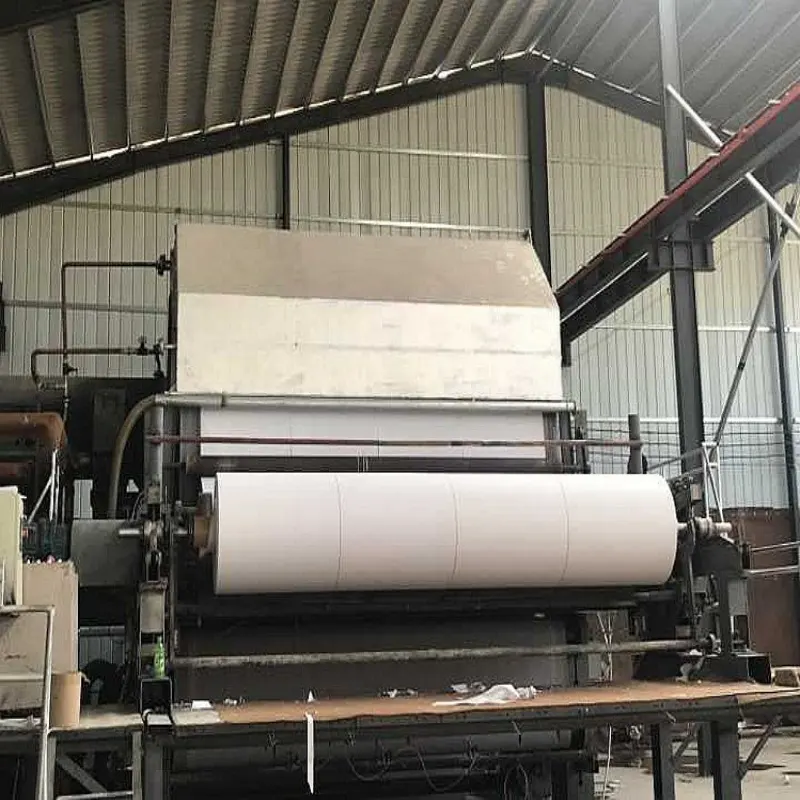
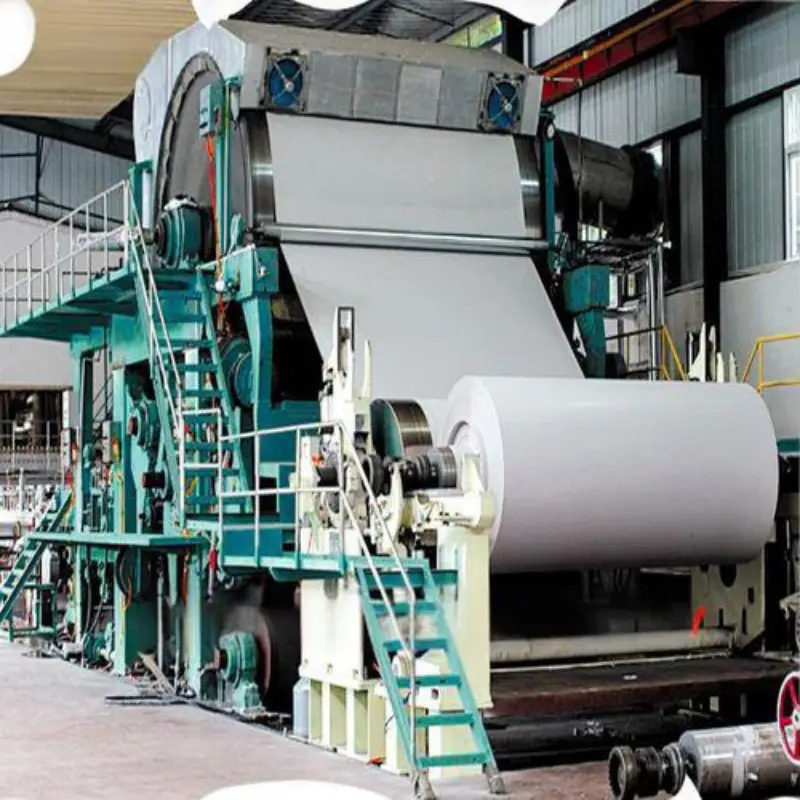
An A4 paper ream business is a converting business, not a paper mill. You are typically buying jumbo paper rolls or large-format paper stock, then processing it into A4 sheets, counting, wrapping, and packing it for sale. That distinction matters because your profitability depends more on conversion efficiency and procurement discipline than on making paper from pulp.
Before investing, define your market position. Some startups aim for wholesale distribution with standard office paper. Others target schools, contract supply, or private label production for local distributors. A few focus on premium copy paper for commercial printing. Each route changes your raw material specification, machine speed requirement, packaging format, and quality control standard.
If your local market is price-sensitive, you may start with standard 70 GSM or 75 GSM products and focus on volume. If customers are more quality-driven, 80 GSM with stronger brightness and cleaner packaging may be the better fit. There is no single correct entry point. It depends on what buyers in your region actually reorder, not what looks attractive in a brochure.
How to start an A4 paper ream business with the right production setup
Your production setup should match your target output and sales plan. New investors often make one of two mistakes. They either buy a machine that is too small and becomes a bottleneck in a few months, or they buy a high-capacity line without enough orders to keep it productive. Good planning sits in the middle.
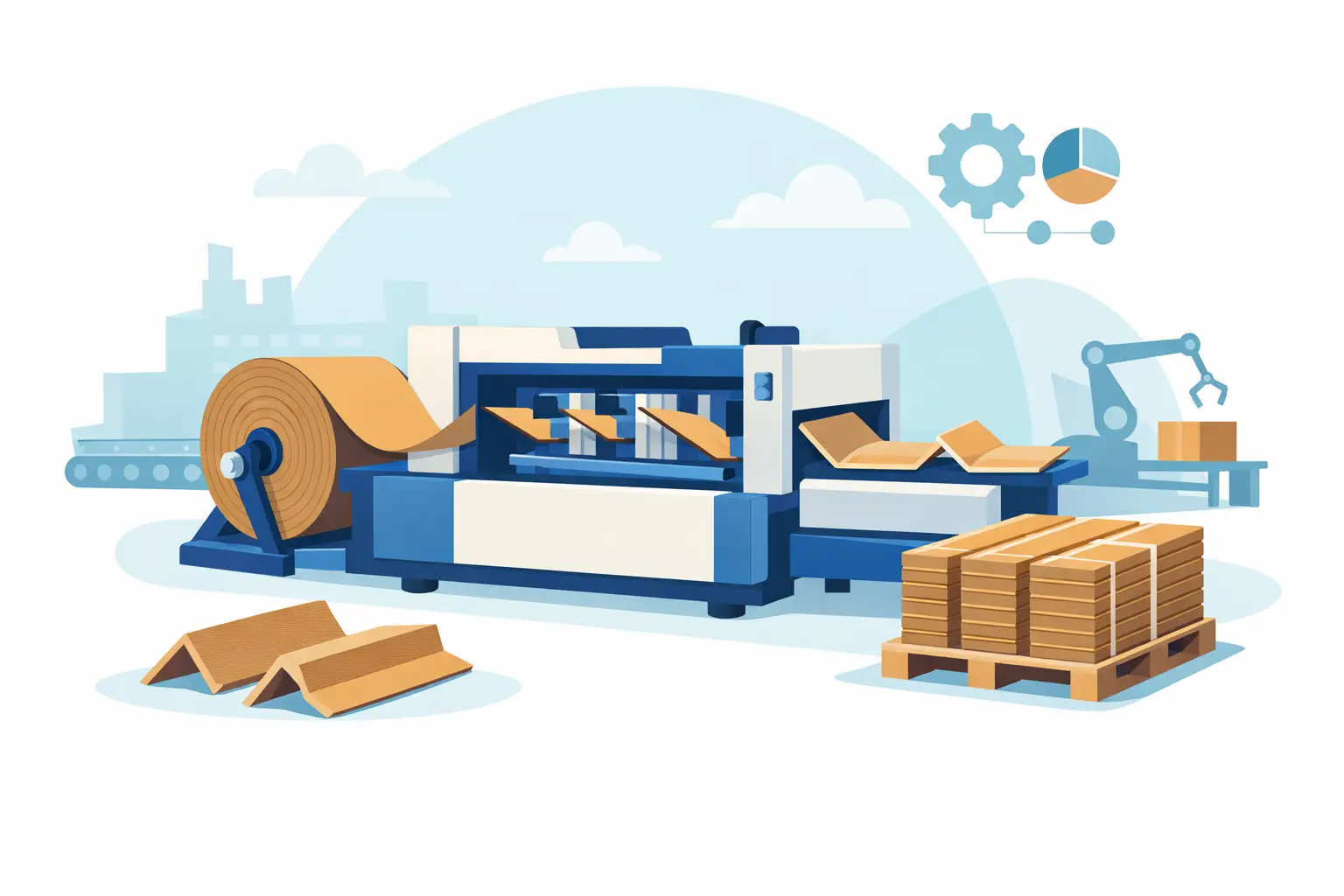
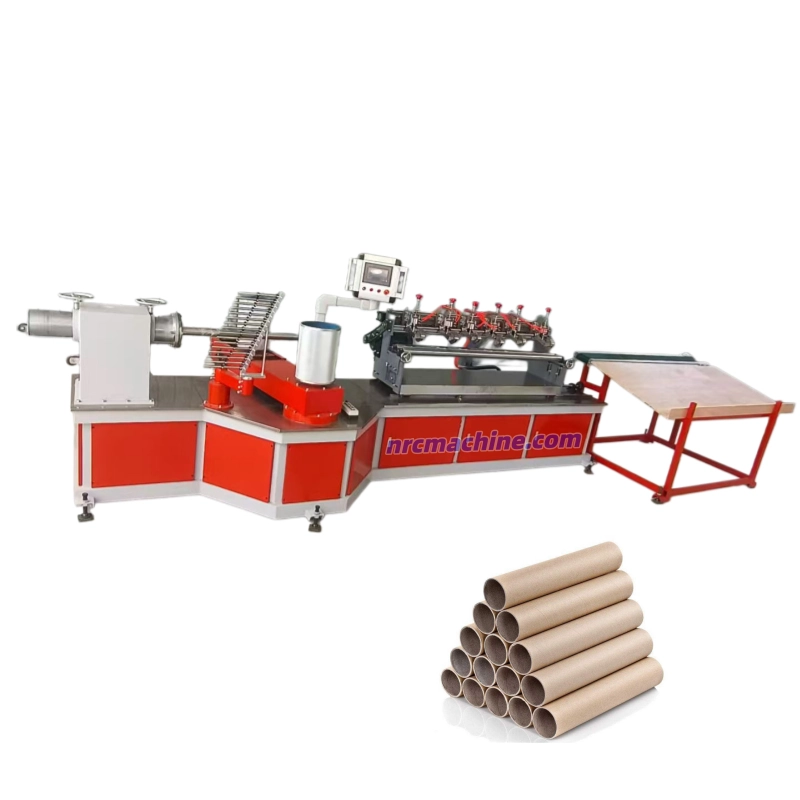
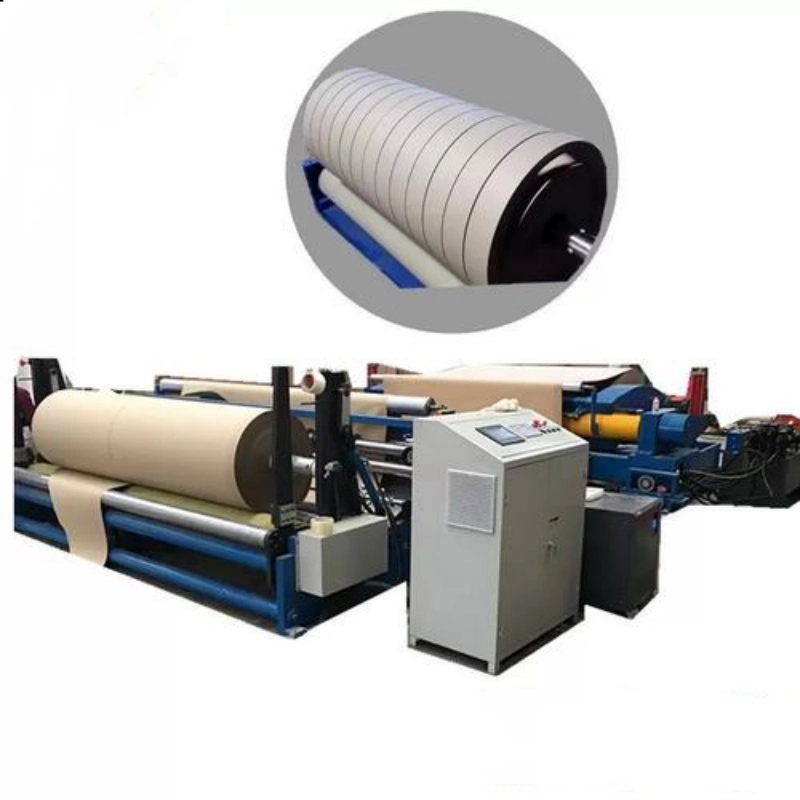
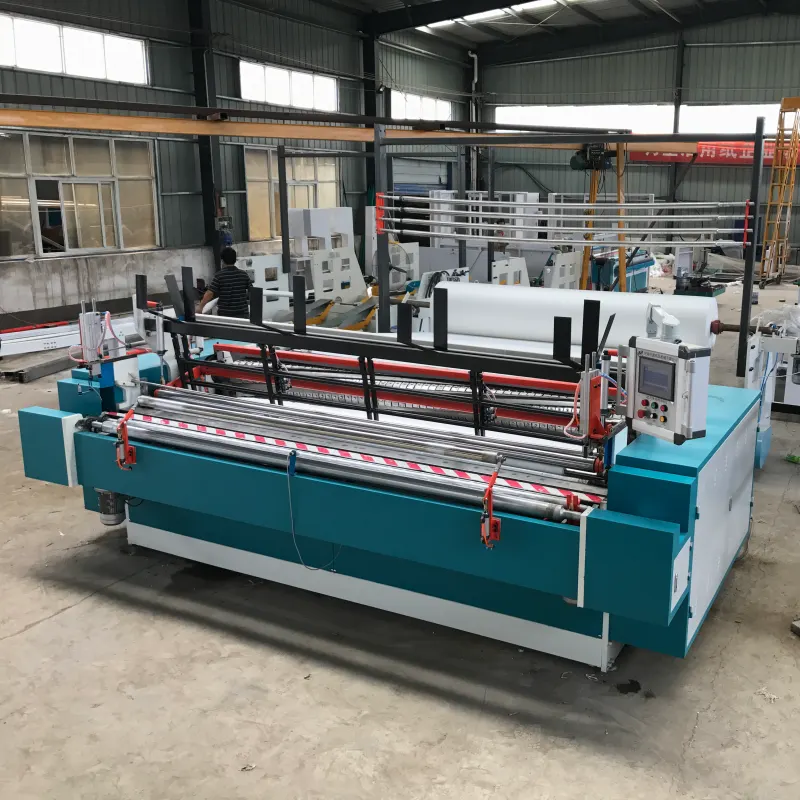
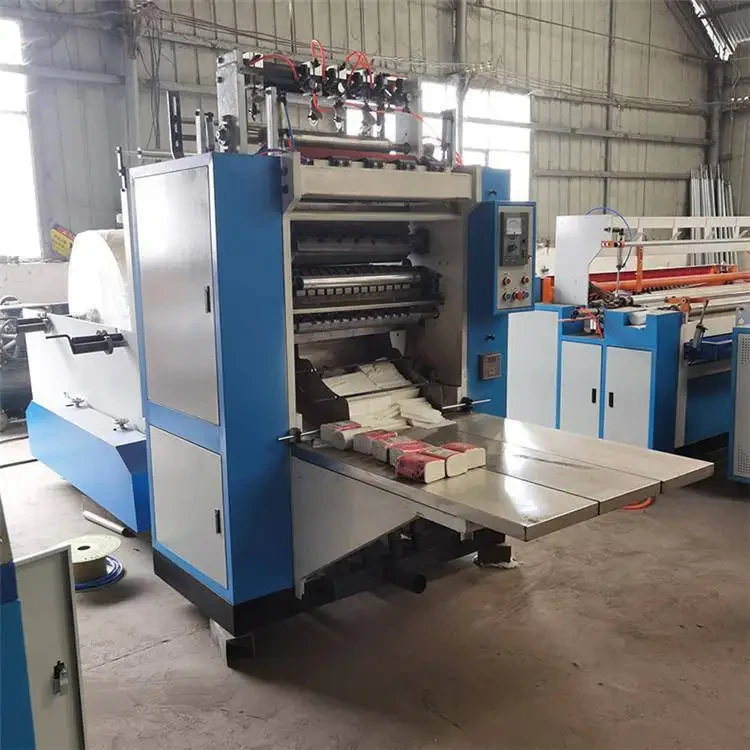
A standard A4 paper ream production line usually includes a jumbo roll feeding section, slitting and cross-cutting system, sheet counting unit, wrapping section, and final packing area. Depending on the level of automation, the line may also include auto labeling, carton packing support, and waste collection systems.
The machine specification should be checked carefully. Cutting accuracy, sheet flatness, speed stability, wrapping quality, and operator friendliness all affect your cost per ream. A machine that runs fast on paper but creates frequent stoppages or poor stack quality will not give you better business results. In practical terms, stable performance is usually more valuable than headline speed.
For many buyers, it also makes sense to think beyond the machine itself. Power requirements, workshop layout, spare parts availability, blade quality, and after-sales support have a direct effect on how quickly you can begin commercial production. This is one reason experienced buyers prefer working with a direct manufacturer rather than a pure trader. The equipment is only part of the purchase. Technical support and long-term service are part of the investment too.
Raw materials will decide your margins
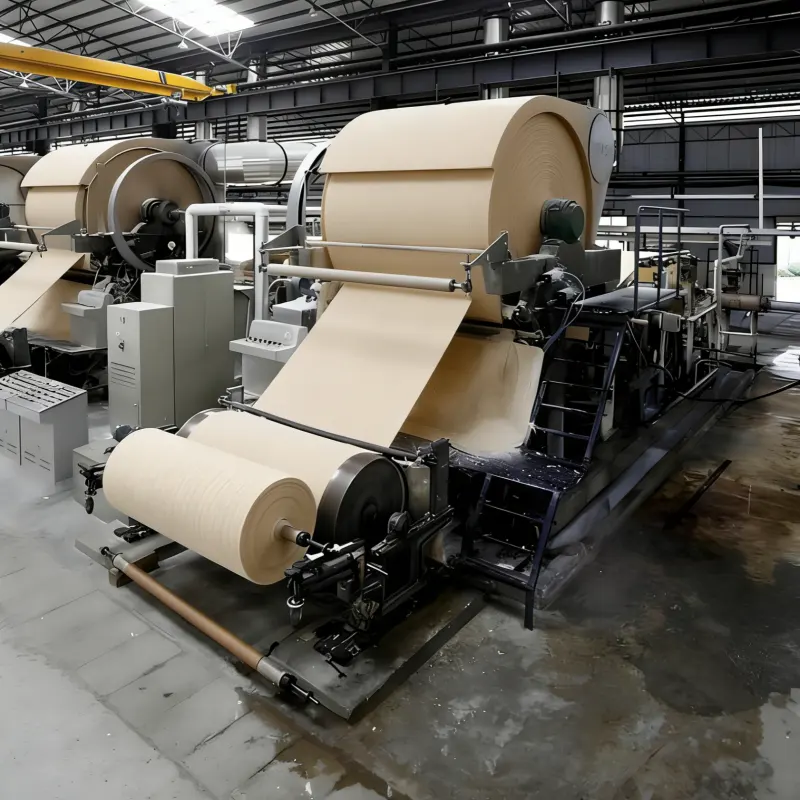
The main raw material is paper, and this is where many startup budgets rise or fall. You need to secure a stable source of jumbo rolls or parent paper with the right GSM, moisture balance, brightness, and surface quality. If the paper is inconsistent, your finished reams will be inconsistent, no matter how good your machine is.
You also need wrapping material, labels, outer cartons if required, and consumables such as blades and packing accessories. Do not calculate your cost based only on paper and machine financing. Include trim loss, rejected packs, electricity, labor, warehouse handling, and transport. The ream business often looks simple from the outside, but small cost leaks add up quickly when you are selling in high volume.
If possible, negotiate raw material supply before finalizing your line capacity. A strong machine without stable roll supply can leave you underutilized. On the other hand, a well-managed supply agreement can improve your negotiating position with distributors because you can promise continuity.
Facility, labor, and operating requirements
You do not need a massive plant to begin, but you do need an organized one. Your facility should support raw material storage, machine operation, finished goods packing, and dry, clean warehousing. Paper is sensitive to moisture and handling damage, so your environment must protect product quality before and after conversion.
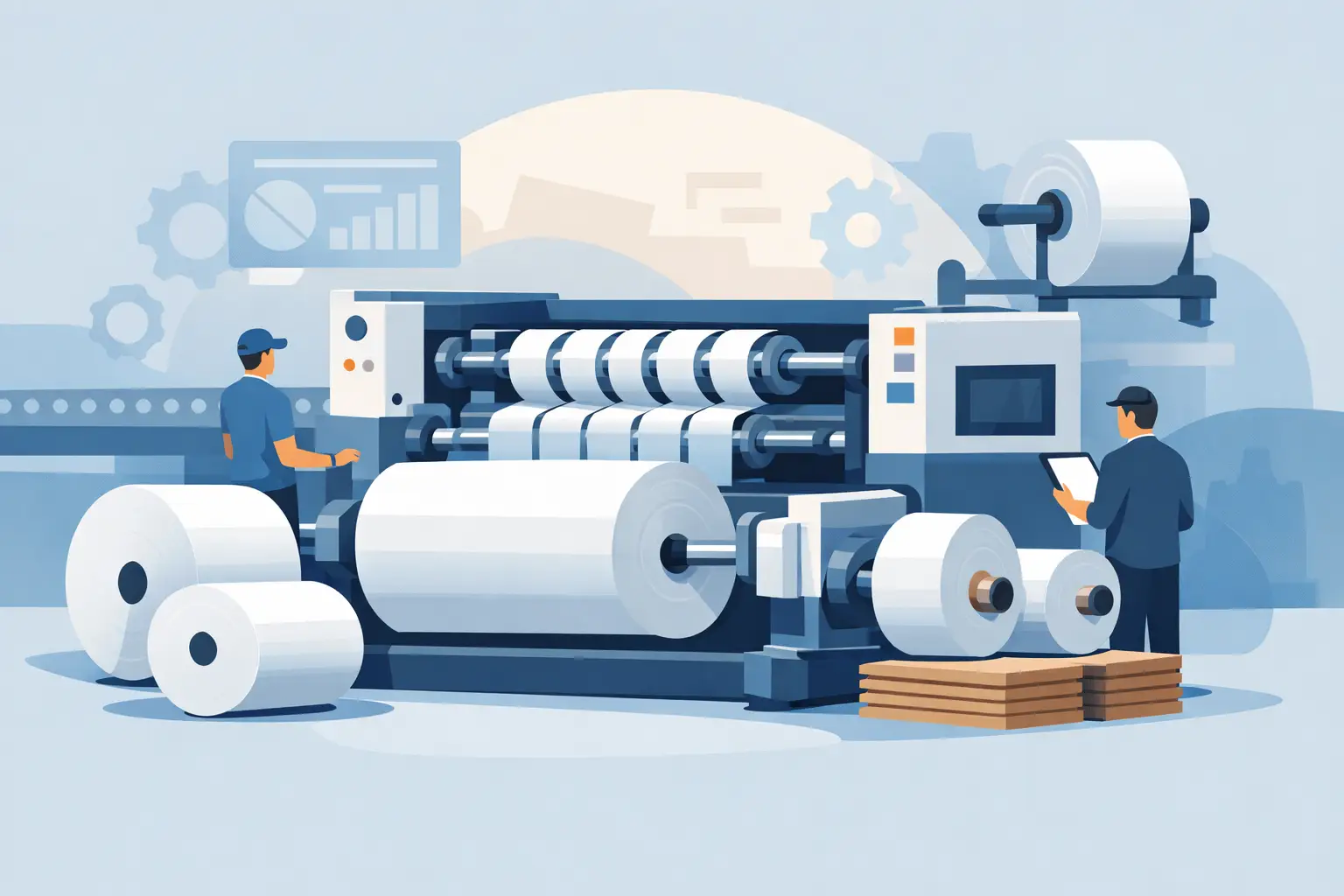
Labor requirements depend on automation level. A semi-automatic operation may need more workers for handling, wrapping, and carton packing. A more automated line reduces manual dependence but raises the importance of trained operators and maintenance discipline. In either case, startup owners should plan for operator training early. Good output is not only about buying a capable machine. It is about running it correctly every shift.
Utilities also deserve attention. Reliable power is essential because unstable electricity can interrupt production and damage controls. If your area has power fluctuation, backup planning is not optional. Air systems, lighting, internal movement, and loading access all affect daily efficiency.
Quality control is what makes buyers stay
In the A4 ream market, customers notice defects immediately. Uneven sheet size, dust, curled paper, poor wrapping, or short counts will damage repeat sales fast. That is why quality control should be built into your workflow, not added later after customer complaints.
Check sheet dimensions regularly. Confirm ream count. Inspect wrapping seal quality. Review paper appearance and print performance. If you are supplying distributors or contract buyers, consistency matters even more because their brand reputation is tied to your output.
This is also where machine quality and setup precision connect directly to sales. A production line that holds tolerance, counts accurately, and wraps tightly gives you a much stronger commercial position. Buyers may compare prices, but they remember complaints and returns.
Sales channels matter as much as production
Starting production is only half the business. You need a clear route to market. In most cases, A4 paper reams move through wholesalers, office supply distributors, education suppliers, print supply channels, and institutional contracts. Some manufacturers also build a private label segment for regional brands.
If you are launching from zero, start by identifying who can move volume consistently. It is usually better to secure fewer serious buyers than many small, irregular accounts. Ream paper is a repeat-purchase product, so stable channel partners can support forecasting and smoother machine utilization.
Packaging and presentation also affect sell-through. Clean wrapper design, clear GSM labeling, and strong carton presentation help buyers position your product confidently. This is especially relevant if you plan to compete with imported brands or enter modern retail supply.
Investment planning and risk control
Anyone studying how to start a4 paper ream business should be realistic about capital structure. Your investment is not only machinery. It includes raw material inventory, facility preparation, labor, packaging stock, shipping, installation, and working capital for the first production cycles.
The smart approach is to match your launch scale to your demand visibility. If you already have distribution relationships, a larger automated line may make sense. If you are testing a new market, a more controlled entry may reduce pressure. Bigger is not always better in the beginning. Sustainable output is better.
Risk control also means choosing equipment that can be maintained, supported, and supplied with parts over time. A lower upfront machine price can become expensive if downtime stretches because parts or service are difficult to access. For this reason, many serious investors evaluate machine suppliers not only by quotation, but by factory experience, export capability, certification, and response speed.
Choosing a machine partner for long-term growth
Your machine supplier will influence startup speed, production stability, and future expansion. Ask practical questions. What output range does the line deliver under real conditions? What paper GSM can it process? What level of automation is included? What training is provided? What spare parts are recommended at startup? What support is available after shipment and installation?
For buyers planning to scale, it is also useful to work with a supplier that understands broader paper converting operations. A company like NRC Machine serves buyers building complete production capability, not just purchasing a single unit. That matters when your next decision involves slitting, packaging upgrades, or additional paper processing equipment.
A4 paper ream production is a straightforward business only when the foundation is right. Choose your market carefully, size your line realistically, control raw material quality, and build around reliable output rather than assumptions. If you treat the business as an operating system instead of just a machine purchase, you give yourself a much better chance of building a product the market keeps buying.