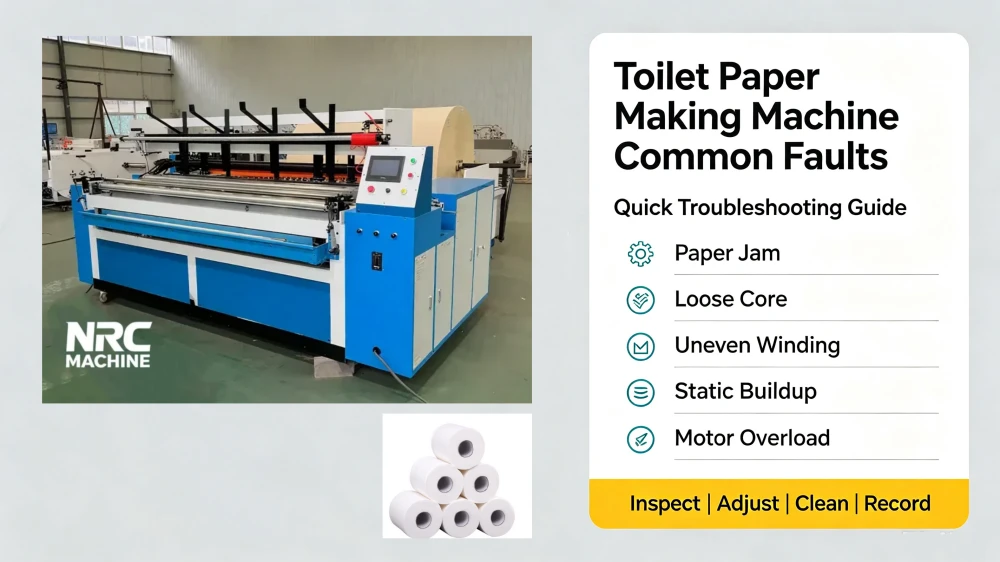
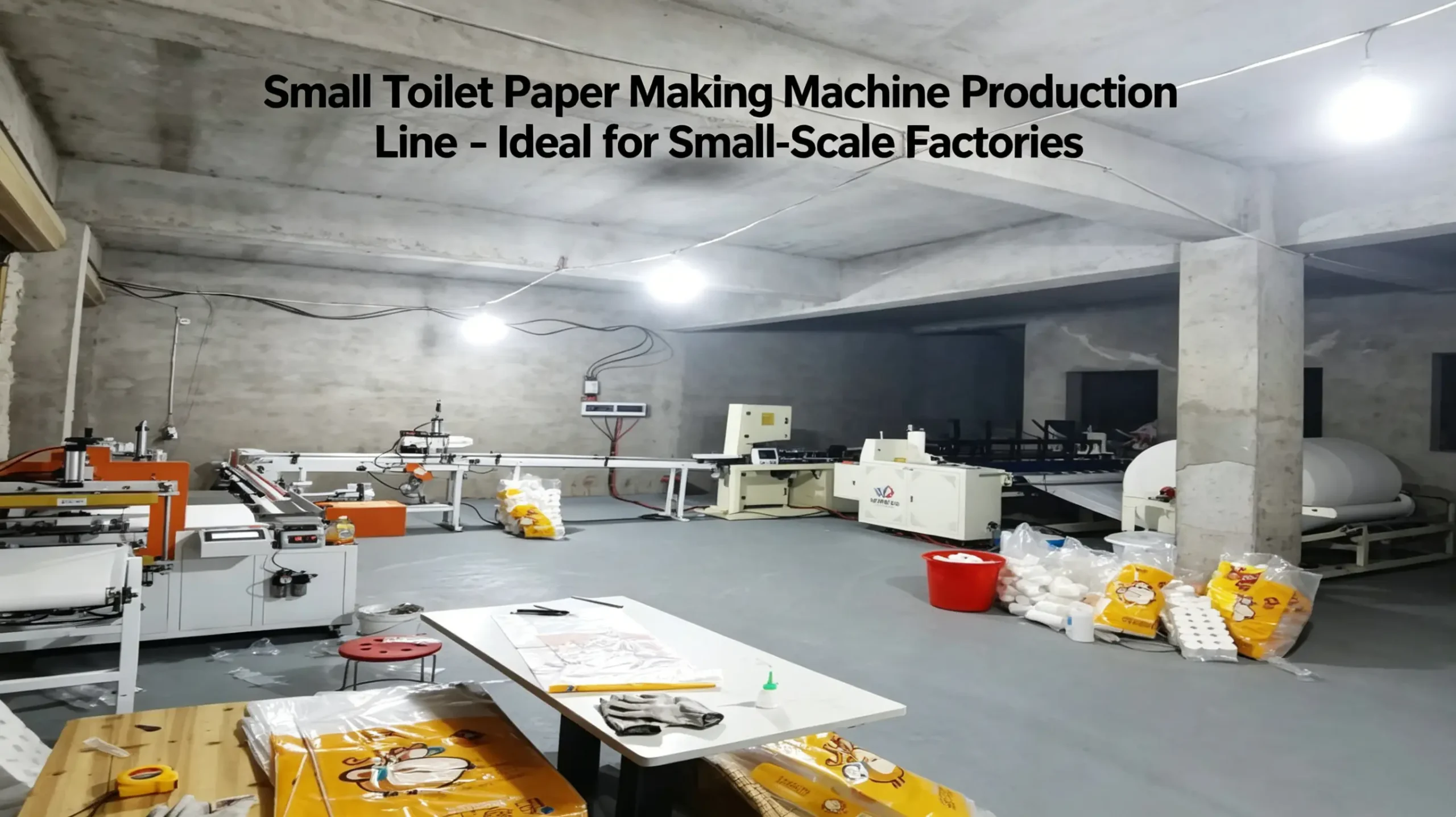
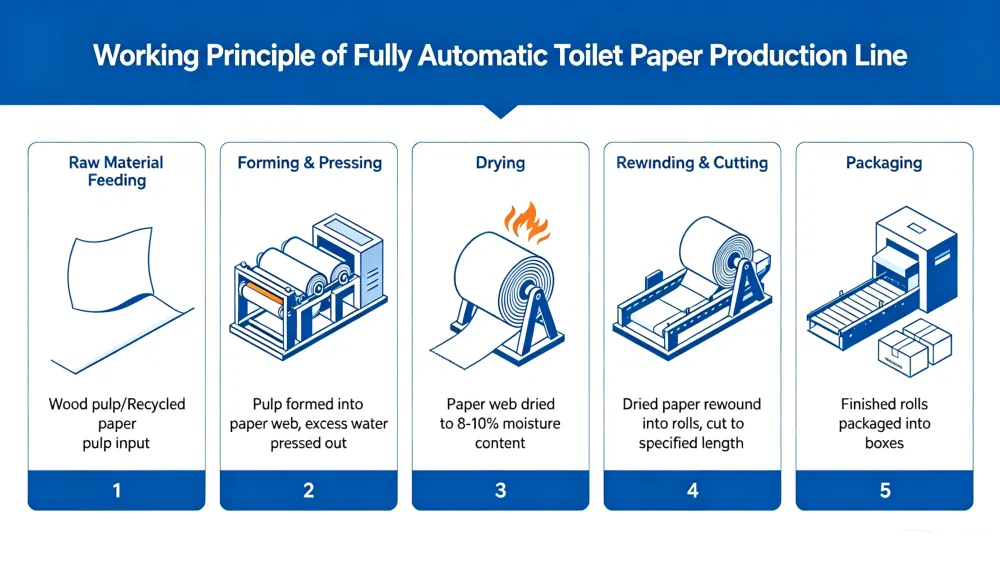
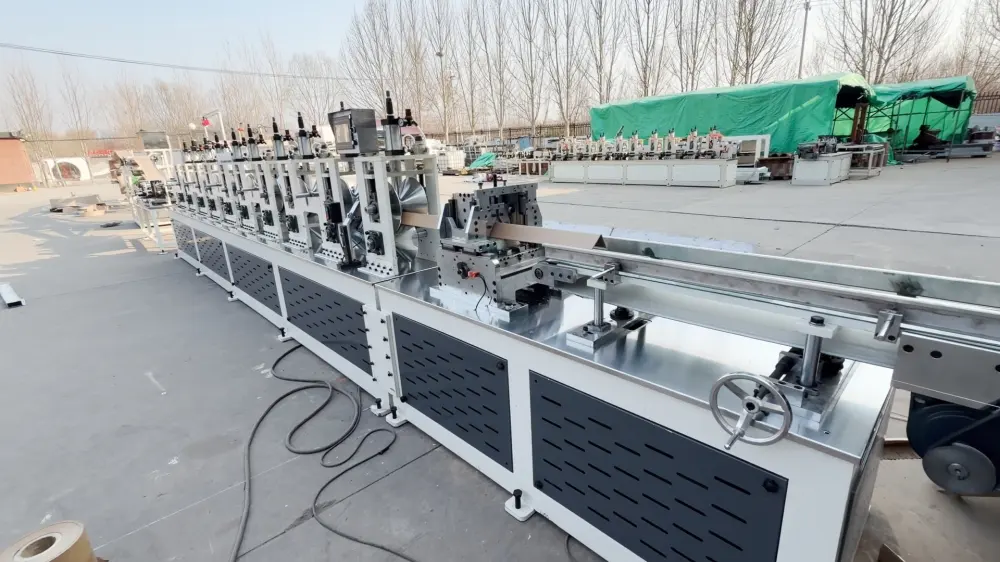
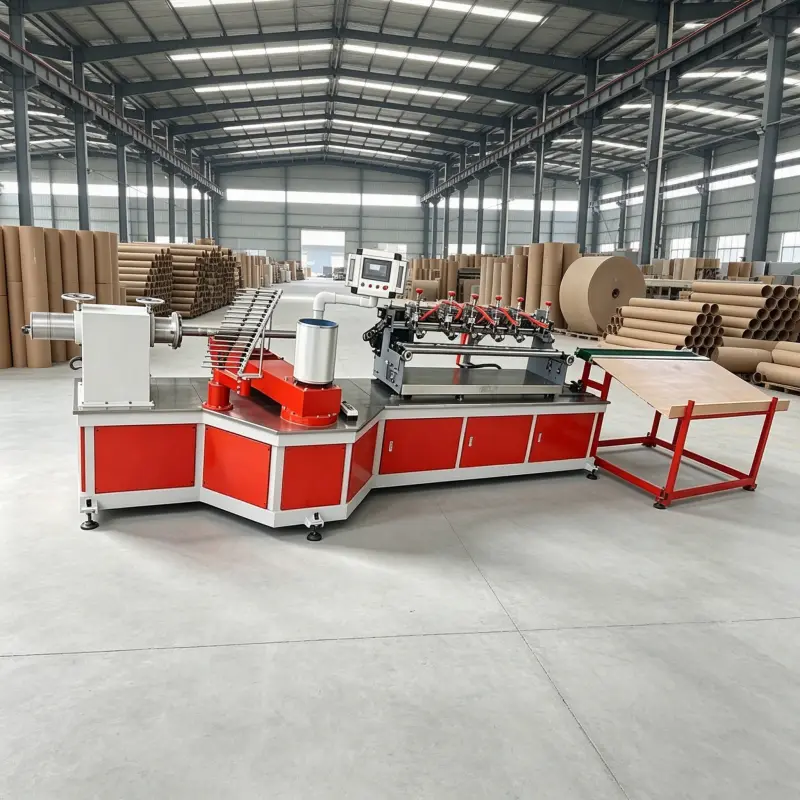
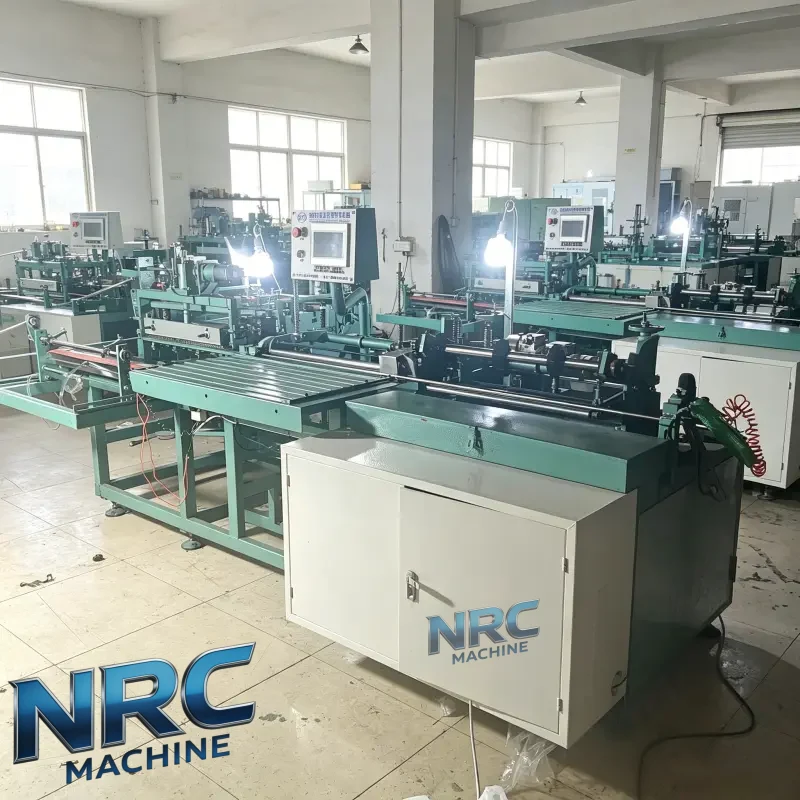
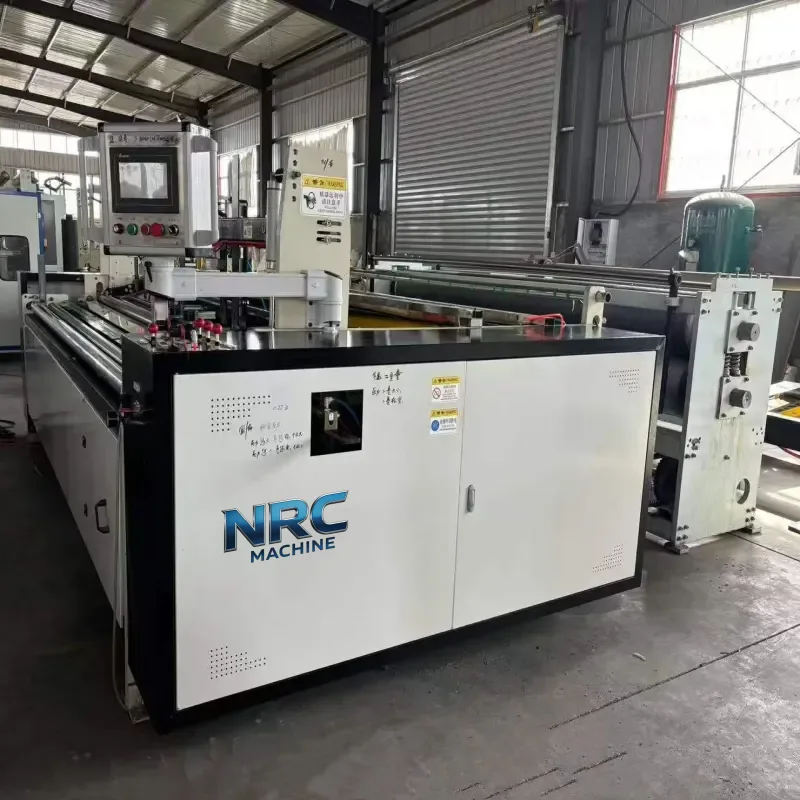
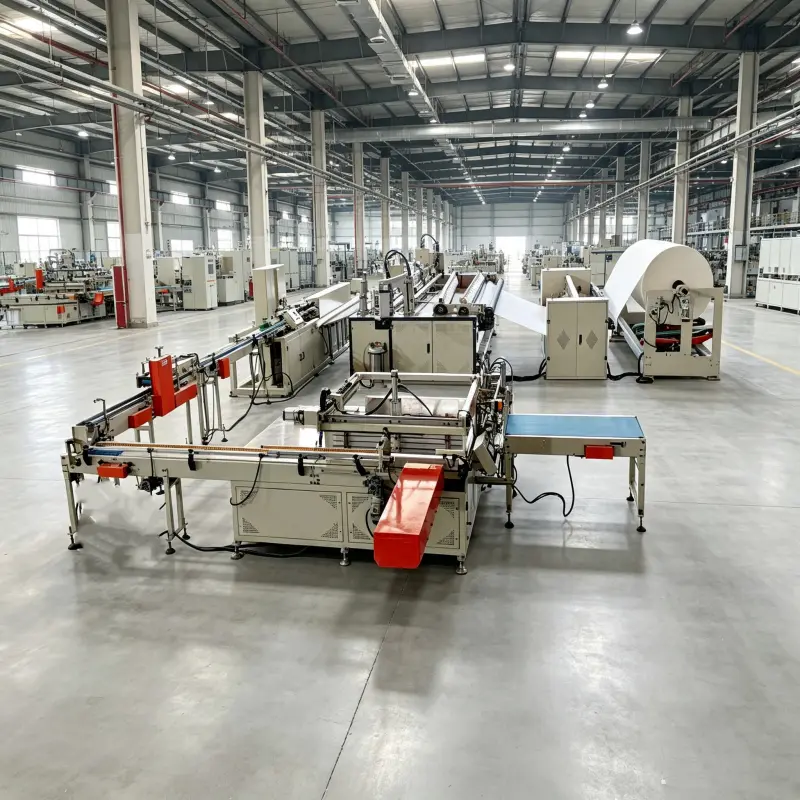
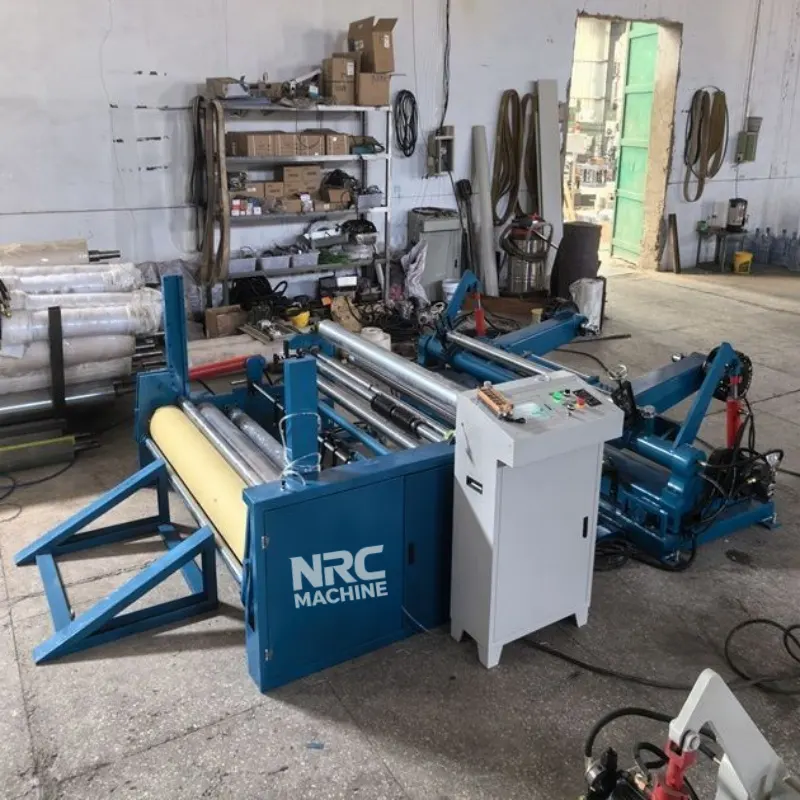
Slitter roll jumbo dapat menambah output dengan cepat atau menghasilkan limbah dengan cepat. Perbedaannya biasanya terletak pada penyiapan operator, kontrol tegangan, kondisi blade, dan seberapa baik alat berat ini disesuaikan dengan kualitas kertas. Jika Anda ingin memahami cara mengoperasikan peralatan jumbo roll slitter dengan benar, pekerjaan dimulai sebelum motor utama dinyalakan.
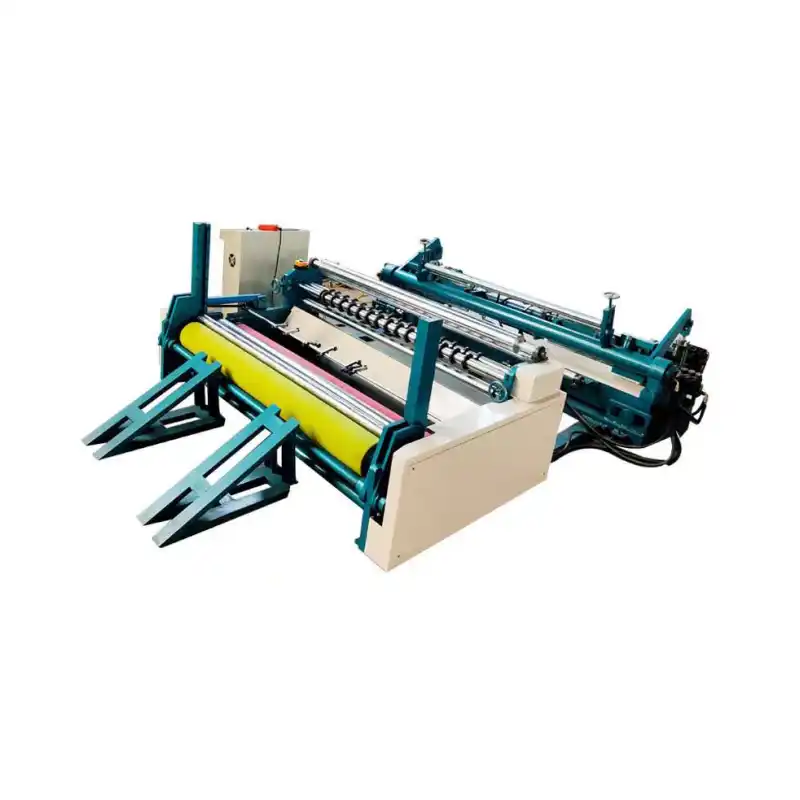
Untuk konverter kertas, pengolah tisu, dan pabrik penggulungan ulang, slitting bukan sekadar langkah pemotongan. Hal ini memengaruhi kualitas gulungan, hasil akhir tepi, akurasi lebar akhir, dan efisiensi pengemasan hilir. Celah yang bersih dan penggulungan ulang yang stabil berarti lebih sedikit penolakan, waktu henti yang lebih sedikit, dan penggunaan bahan baku yang lebih baik.
Sebelum Anda mengoperasikan slitter roll jumbo
Mulailah dengan bahannya, bukan dengan panel kontrolnya. Periksa spesifikasi gulungan jumbo terhadap pesanan produksi, termasuk kelas kertas, GSM, lebar, diameter gulungan, ukuran inti, dan lebar jadi yang diperlukan. Sebuah mesin dapat berfungsi dengan sempurna dan masih menghasilkan hasil yang buruk jika gulungan mentahnya longgar, teleskopik, rusak di bagian tepi, atau kelembabannya tidak konsisten.
Selanjutnya, konfirmasikan pengaturan slitter. Penahan pisau, spacer, poros, penyangga pelepas, pemandu web, dan stasiun pemutaran ulang harus sesuai dengan pekerjaan. Jika Anda mengganti dari tisu ke kraft, atau dari kertas tipis ke stok berlapis, pengaturan yang berhasil pada proses terakhir mungkin tidak akan berhasil pada proses berikutnya. Di sinilah operator yang berpengalaman menghemat waktu - mereka mengatur ulang untuk bahan alih-alih mengasumsikan satu resep untuk semua.
Pemeriksaan keamanan dilakukan sebelum pemuatan. Verifikasi pelindung, penghentian darurat, tekanan udara, penguncian poros, respons rem, dan status kelistrikan. Operator harus mengenakan APD yang benar dan menjauhkan tangan dari zona blade, titik jepit, dan poros yang berputar. Pada jalur produksi ekspor, tata letak alat berat yang sesuai dengan CE akan membantu, tetapi pengoperasian yang aman tetap bergantung pada disiplin di alat berat.
Cara mengoperasikan slitter gulungan jumbo langkah demi langkah
Urutan pengoperasian harus distandarisasi. Hal ini akan melindungi kualitas output dan masa pakai alat berat.
Muatkan gulungan jumbo dengan benar
Pasang gulungan jumbo pada dudukan penyangga dengan menggunakan metode pengangkatan dan pengaturan poros yang tepat. Pastikan gulungan berada di tengah dan aman. Ketidaksejajaran pada tahap ini biasanya muncul kemudian sebagai pengembaraan web, lebar celah yang tidak rata, atau penggulungan yang buruk.
Sebelum memasang benang, periksa tepi gulungan dan lapisan luarnya. Jika lapisan luarnya hancur atau kotor, lepaskan bagian yang rusak terlebih dahulu. Memulai dengan bahan yang buruk hanya akan memindahkan cacat ke dalam gulungan yang sudah jadi.
Mengatur jalur web dan threading
Masukkan jaring kertas melalui rol sesuai dengan jalur mesin. Jaga agar lembaran tetap rata dan bebas dari kerutan saat melewati rol pemandu, zona tegangan, bagian penggorok, dan poros mundur. Jika web terpelintir selama pengulungan, gulungan akhir tidak akan melacak dengan benar.
Banyak operator yang terburu-buru melakukan langkah ini untuk menghemat waktu. Hal ini biasanya menghabiskan lebih banyak waktu dalam penghentian dan koreksi reel. Jalur web yang stabil adalah dasar dari penggoresan yang mulus.
Menyesuaikan posisi mata pisau dan lebar celah
Atur bilah ke lebar jadi yang diperlukan berdasarkan pesanan produksi. Ukur dengan hati-hati dan pastikan jaraknya sebelum memulai proses. Bahkan kesalahan penempatan blade yang kecil pun dapat menghasilkan gulungan yang tidak sesuai spesifikasi di seluruh batch.
Jenis mata pisau itu penting. Mata pisau silet sering digunakan untuk bahan yang lebih ringan dan pemotongan yang bersih dan berkecepatan tinggi. Pisau geser lebih baik untuk material yang lebih berat atau pekerjaan yang membutuhkan kualitas tepi yang sangat penting. Pemotongan skor mungkin cocok untuk beberapa aplikasi, tetapi tergantung pada ketebalan material dan persyaratan hasil akhir. Metode yang benar tidak bersifat universal - tergantung pada kertas dan penggunaan akhir.
Mengatur ketegangan dan tekanan mundur
Ini adalah area yang memisahkan operasi rata-rata dari produksi yang efisien. Ketegangan buka harus cukup stabil untuk mengontrol web tanpa meregang, robek, atau membuat ujungnya melengkung. Ketegangan rewind harus membangun gulungan yang kuat tanpa menghancurkan inti atau membuat gulungan terlalu keras.
Jika tegangan terlalu rendah, jaring bisa melayang, kusut, atau terbelah secara tidak merata. Jika terlalu tinggi, kertas bisa pecah atau menghasilkan gulungan yang sulit dilepaskan nanti. Untuk nilai jaringan, kontrol yang lebih lembut sering kali diperlukan. Untuk kertas kraft atau kertas yang lebih padat, mesin dapat mentolerir pengaturan yang lebih tinggi. Operator yang terampil menyesuaikan berdasarkan perilaku material, tidak hanya pada nomor tampilan.
Mulailah dengan kecepatan rendah terlebih dahulu
Ketika mempelajari cara mengoperasikan peralatan jumbo roll slitter, satu aturan yang harus selalu dipegang teguh - jangan pernah memulai pekerjaan baru dengan kecepatan penuh. Mulailah dengan kecepatan yang lebih rendah dan perhatikan perilaku web, pelacakan blade, kualitas tepi, dan pembuatan mundur.
Periksa apakah kertas berjalan lurus, apakah pita celah terpisah dengan bersih, dan apakah gulungan yang sudah jadi menggulung secara merata. Setelah mesin stabil, tingkatkan kecepatan secara bertahap. Menjalankan terlalu cepat sebelum pengaturan terbukti, adalah salah satu penyebab pemborosan yang paling umum.
Pengaturan utama yang memengaruhi kualitas pemotongan
Pengoperasian yang baik bukan hanya tentang menghidupkan dan mematikan mesin. Ini adalah tentang mengendalikan variabel-variabel yang mempengaruhi hasil gulungan.
Ketajaman dan keselarasan mata pisau
Mata pisau yang tumpul akan menghasilkan tepi yang kabur, debu, seret, dan konsistensi lebar yang buruk. Mata pisau yang tidak sejajar dapat merobek alih-alih memotong, terutama pada kualitas kertas yang lebih ringan. Periksa mata pisau secara teratur dan gantilah sebelum kualitasnya menurun. Menunggu terlalu lama untuk mengganti mata pisau biasanya akan meningkatkan jumlah skrap lebih banyak daripada menghemat biaya perkakas.
Panduan web
Jika pemandu web tidak dikalibrasi, kertas dapat bergeser melintasi bagian penggoresan. Hal ini menghasilkan variasi lebar dan tepi gulungan yang tidak rata. Pada gulungan jumbo yang lebar, bahkan pergeseran kecil pun bisa menjadi masalah yang lebih besar dalam jangka panjang. Sensor pemandu dan sistem koreksi harus diperiksa sebagai bagian dari penyiapan normal.
Penahanan inti dan keseimbangan mundur
Gulungan yang sudah jadi membutuhkan kekerasan yang seragam dan bentuk yang bersih. Jika pegangan inti longgar atau poros rewind tidak seimbang, gulungan dapat melengkung, miring, atau menjadi terlalu lunak di satu sisi. Hal ini menimbulkan masalah penanganan dalam pengemasan dan pengangkutan.
Kecepatan versus stabilitas
Kecepatan maksimum tidak selalu merupakan kecepatan yang paling menguntungkan. Pemintalan yang sedikit lebih lambat dan stabil sering kali menghasilkan output yang lebih layak jual daripada pemintalan berkecepatan tinggi dengan jeda dan reject yang berulang-ulang. Bagi manajer pabrik, angka yang harus diperhatikan adalah jumlah gulung yang baik per shift, bukan hanya meter per menit.
Masalah pengoperasian yang umum terjadi dan apa yang biasanya terjadi
Operator harus mengetahui tanda-tandanya sejak dini. Putusnya jaring sering kali menunjukkan ketegangan yang berlebihan, bahan yang rusak, kualitas sambungan yang buruk, atau masalah pada mata pisau. Kerutan biasanya menunjukkan tegangan yang tidak merata, kontaminasi rol, atau penguliran yang salah. Tepi yang tidak jelas biasanya terkait dengan mata pisau yang tumpul atau metode pemotongan yang salah.
Jika teleskop bergulir selama pemutaran ulang, periksa profil tegangan, tekanan pengendara, kesejajaran poros, dan kualitas inti. Jika lebar celah melayang, periksa jarak antar mata pisau dan pemandu web. Jika debu menumpuk dengan cepat, lihat kondisi mata pisau, kecepatan, dan apakah kualitas kertas cocok untuk metode pemotongan yang dipilih.
Pabrik terbaik tidak memperlakukan hal ini sebagai kesalahan operator yang terisolasi. Mereka mendokumentasikan masalah tersebut, membandingkan pengaturan, dan membuat resep pekerjaan yang dapat diulang. Hal ini mengurangi ketergantungan pada tebakan dan mempersingkat waktu pelatihan untuk staf baru.
Praktik pengoperasian harian yang melindungi masa pakai alat berat
Slitter roll jumbo memiliki kinerja terbaik ketika operasi dan pemeliharaan terhubung. Bersihkan rol, area blade, sensor, dan poros di akhir setiap shift. Bersihkan debu kertas sebelum menumpuk di sekitar komponen yang bergerak atau area listrik. Periksa tekanan pneumatik, titik pelumasan, dan kondisi bearing sesuai jadwal.
Perhatikan suara, getaran, panas, atau respons rem yang tidak normal. Tanda-tanda awal ini sering muncul sebelum terjadi kerusakan besar. Jika mesin digunakan untuk kualitas kertas campuran, disiplin pemeliharaan lebih penting lagi karena perubahan pengaturan akan meningkatkan keausan dan kemungkinan kesalahan penyetelan.
Bagi pembeli yang merencanakan lini konversi baru, pelatihan sama pentingnya dengan spesifikasi mesin. Mesin yang kuat dengan praktik pengoperasian yang lemah tidak akan menghasilkan output yang diharapkan. Inilah sebabnya mengapa banyak pembeli industri lebih suka bekerja secara langsung dengan produsen yang berpengalaman seperti Mesin NRC, di mana konfigurasi alat berat, panduan pemasangan, dan dukungan pengoperasian diselaraskan sejak awal.
Melatih operator untuk hasil yang konsisten
Seorang operator yang berpengalaman dapat menjalankan produksi untuk sementara waktu, tetapi sebuah pabrik membutuhkan sebuah sistem yang dapat diulang. Prosedur operasi standar harus mencakup pemuatan, penguliran, penyetelan mata pisau, penyesuaian tegangan, peningkatan kecepatan, inspeksi gulungan, dan penghentian. Toleransi lebar, kualitas tepi, kekerasan gulungan, dan tingkat pemborosan harus diukur berdasarkan target yang jelas.
Ini juga membantu untuk memisahkan pengaturan awal dari pengaturan penyempurnaan. Operator baru dapat mengikuti garis dasar, sementara supervisor menangani penyesuaian untuk perubahan material atau pekerjaan yang sulit. Hal ini mengurangi risiko tanpa memperlambat produksi.
Ketika pengoperasian tergantung pada desain mesin
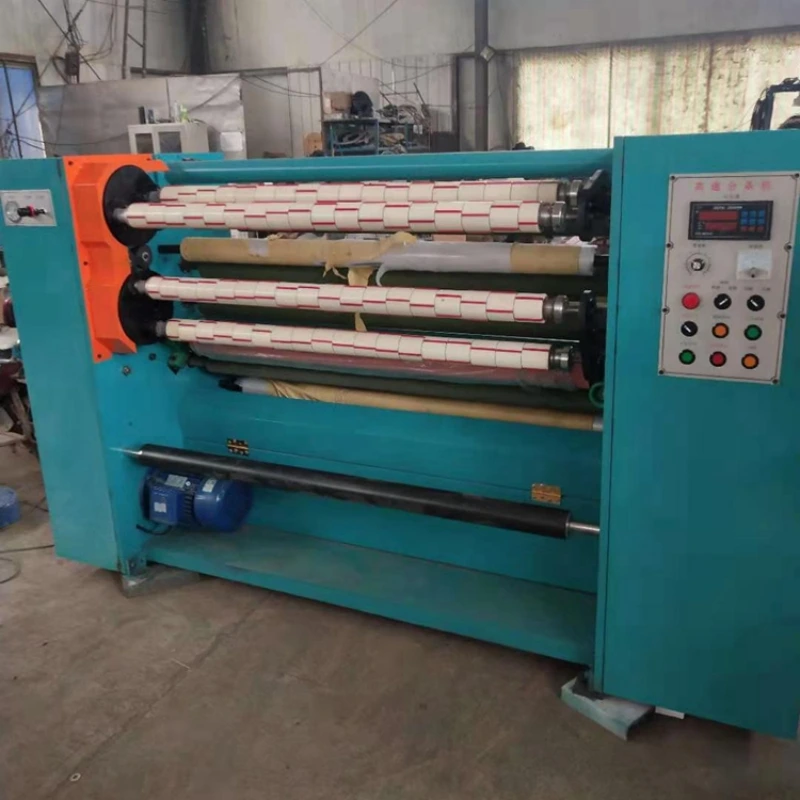
Tidak semua roll slitter jumbo beroperasi dengan cara yang sama. Sistem pelepasan poros dan tanpa poros, pemosisian pisau secara manual dan otomatis, poros diferensial, pemunduran permukaan, pemunduran tengah, dan desain penghilangan trim, semuanya memengaruhi cara mesin dijalankan. Pembeli harus mengingat hal ini ketika membandingkan peralatan.
Mesin dengan biaya lebih rendah mungkin masih merupakan pilihan komersial yang tepat jika campuran produknya sederhana dan tenaga kerja tersedia. Untuk output yang lebih tinggi, toleransi yang lebih ketat, atau perubahan pekerjaan yang sering, otomatisasi yang lebih banyak dapat mengurangi pemborosan dan meningkatkan konsistensi. Metode pengoperasian yang tepat sebagian bergantung pada keterampilan operator dan sebagian lagi pada apa yang dirancang untuk dikontrol oleh alat berat.
Slitter roll jumbo memberikan hasil pengoperasian yang cermat. Jika penyetelan akurat, mata pisau tajam, tegangan stabil, dan kecepatan ditingkatkan dengan kontrol, alat berat ini menjadi aset produksi yang andal, bukannya menjadi sumber pemborosan yang dapat dihindari. Jika Anda mengevaluasi peralatan menggorok atau menyiapkan lini baru, fokuslah pada realitas operasi di pabrik Anda - karena produksi yang baik dimulai dari mesin yang dapat dijalankan dengan baik oleh tim Anda setiap hari.