Is a Toilet Paper Making Business Profitable?
Is a toilet paper making business profitable?The profitability of a toilet paper making business depends on various factors, and the answer is not absolute. However, under the right conditions and with proper management, it can be a profitable venture. Here are the key aspects to consider:
Market Demand
Toilet paper is an essential daily consumable product with stable and continuous demand. Unlike seasonal or trendy goods, it has a consistent market throughout the year, providing a solid foundation for the business. As the global population grows and living standards improve, especially in developing regions, the demand for toilet paper is expected to increase steadily.
Cost Structure
- Raw Materials: The main raw materials for toilet paper are wood pulp, bamboo pulp, or recycled paper. The prices of these materials fluctuate with the market. Sourcing raw materials at a stable and reasonable price is crucial to controlling costs. For example, if a factory can establish long-term cooperative relationships with pulp suppliers or use locally abundant resources like bamboo, it can reduce raw material costs.
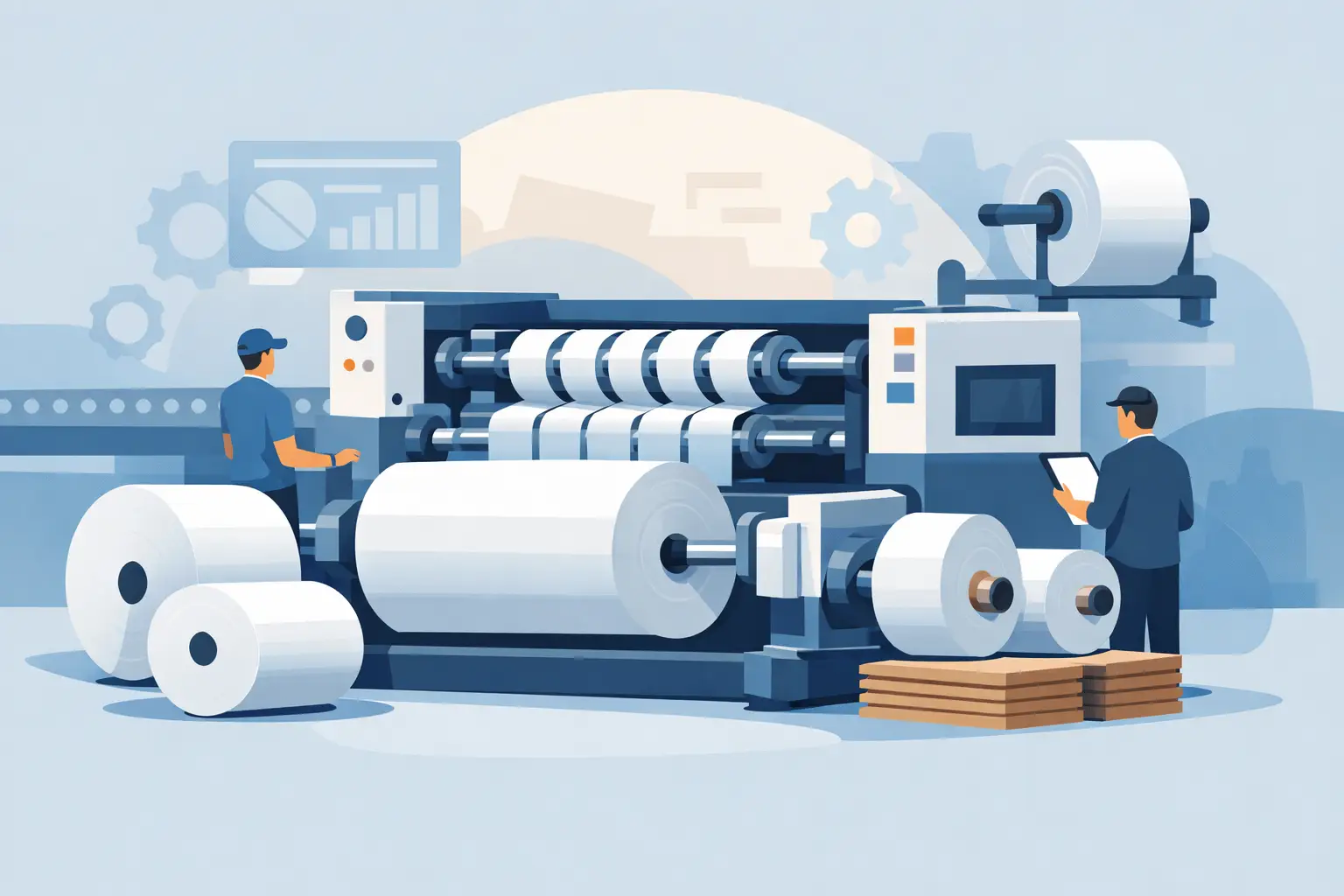
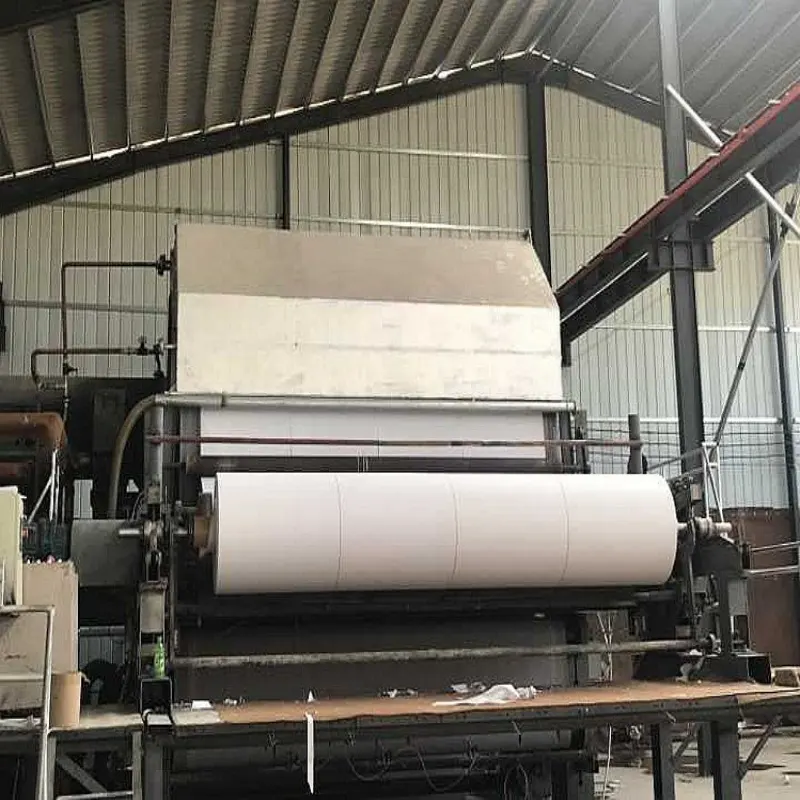
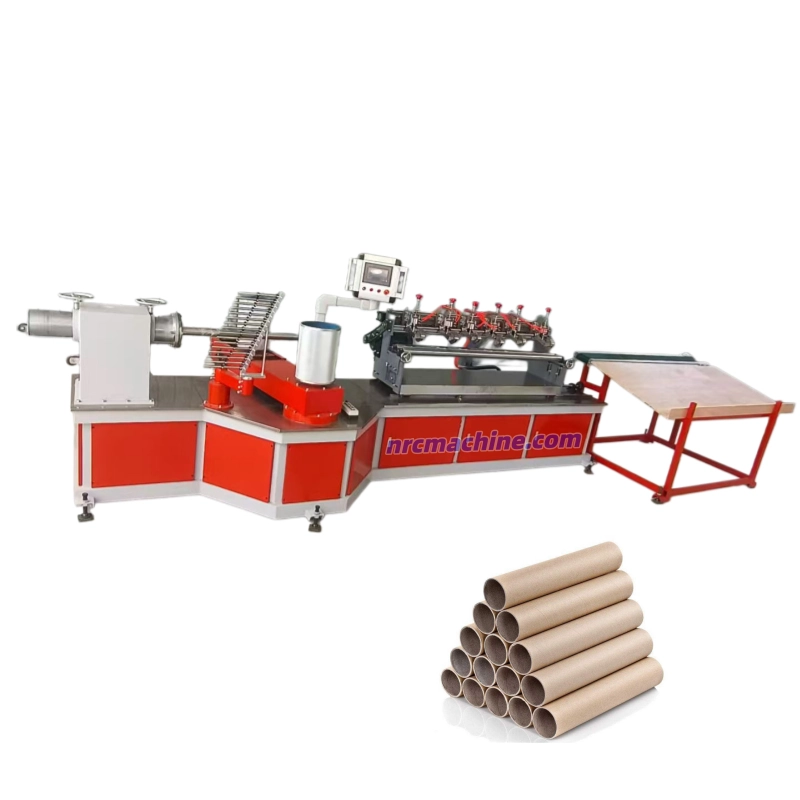
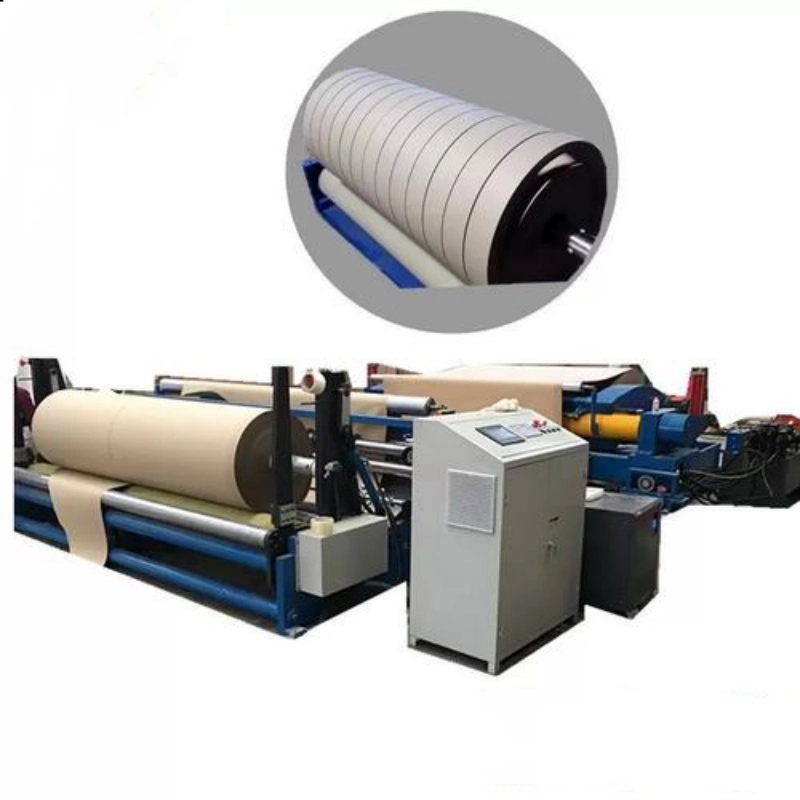
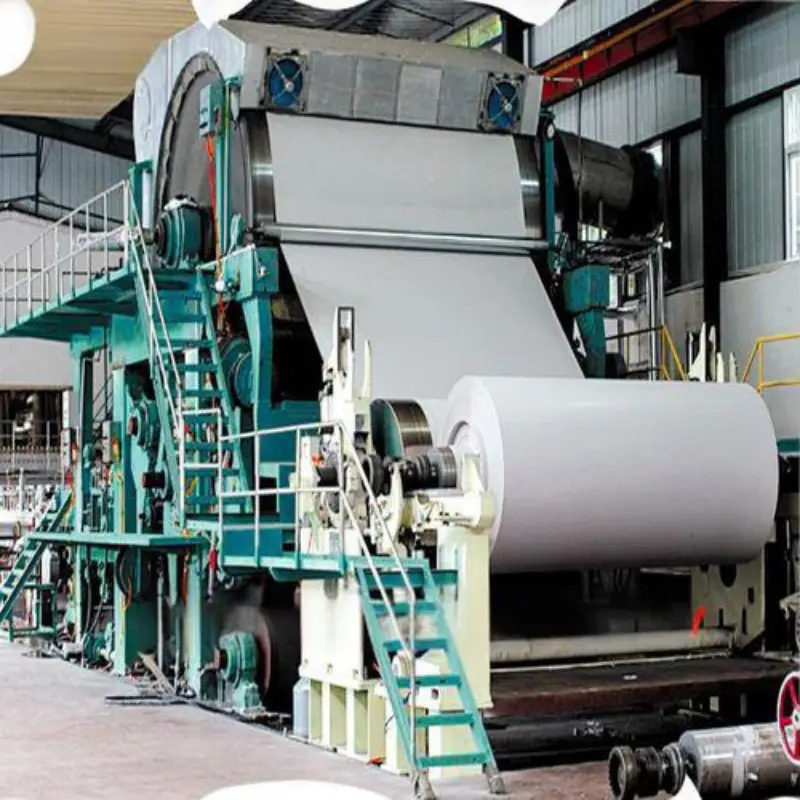
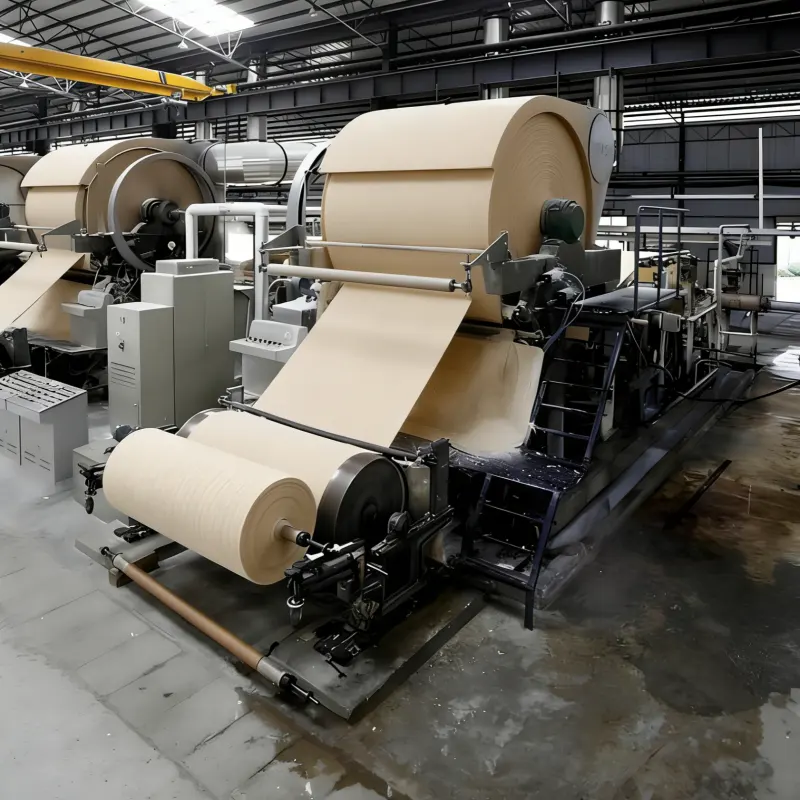
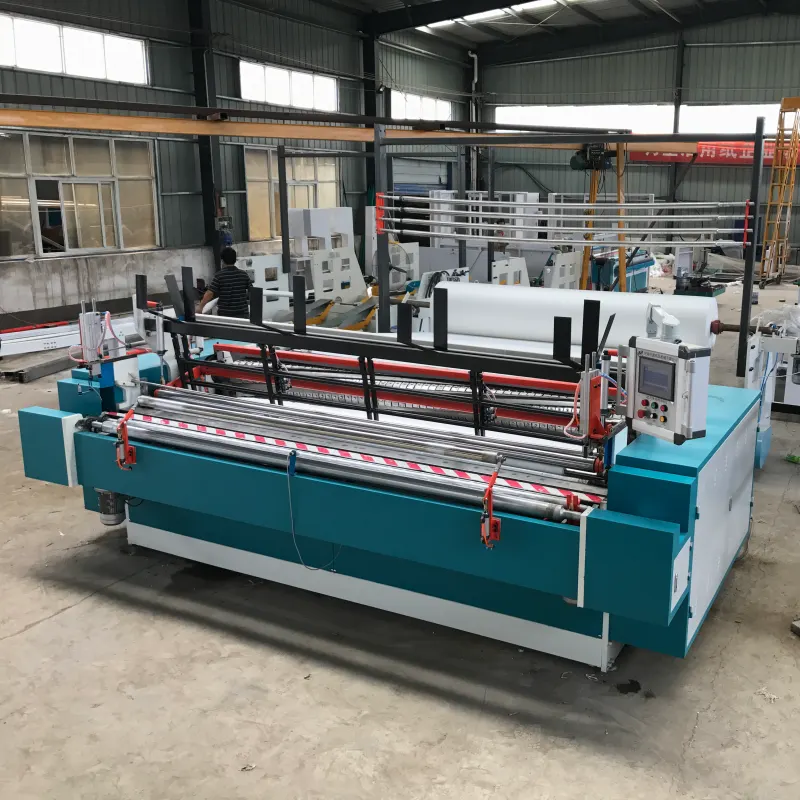
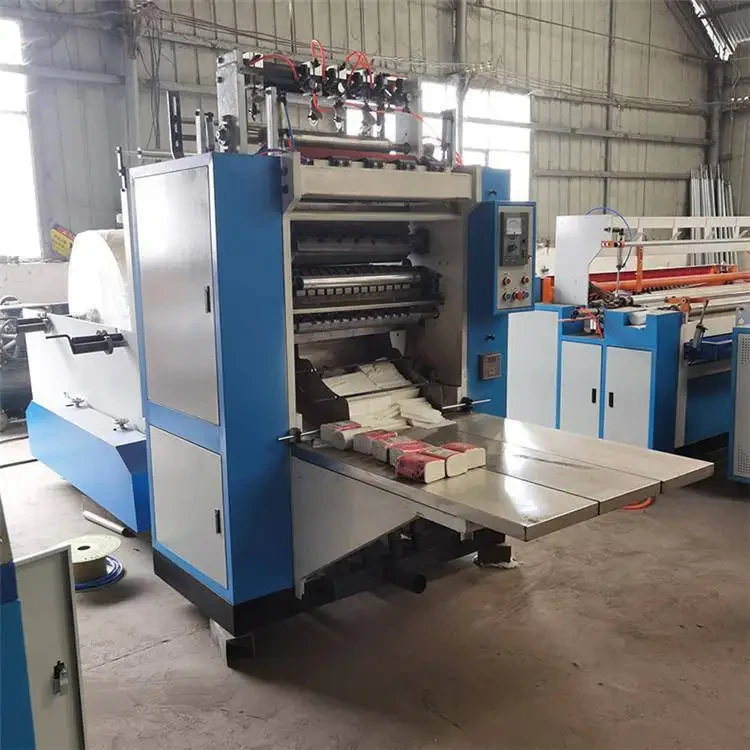
- Production Equipment: Investing in production equipment is a significant initial cost. The cost varies depending on the production scale and equipment automation level. Automated toilet paper making production lines can improve efficiency and reduce labor costs but require higher upfront investment.
- Labor and Energy: Labor costs depend on the local wage level and production automation degree. Energy costs, including electricity and water, also need to be considered. Optimizing production processes and improving energy efficiency can help reduce these expenses.
Competition
The toilet paper market has many participants, from large international brands to small local manufacturers. Large brands have advantages in brand recognition, economies of scale, and distribution channels, while small manufacturers may focus on local markets or niche products. To stand out, a new entrant needs to find a unique selling point, such as offering eco-friendly products, unique packaging, or competitive pricing.
Profit Margins
The profit margin of toilet paper varies. Generally, the gross profit margin of mass-market toilet paper is around 10%-20%. However, if a company can produce high-end or specialized products, such as toilet paper made from 100% bamboo pulp or with added moisturizing ingredients, the profit margin can be higher, reaching 30% or more. Effective cost control and efficient production are key to improving profit margins.
Entry Barriers
- Technical Barriers: Although the basic technology of toilet paper production is not extremely complex, ensuring product quality, consistency, and meeting hygiene standards requires certain technical expertise. For instance, controlling the softness, strength, and absorbency of toilet paper to meet consumer expectations needs technical know-how.
- Capital Barriers: Starting a toilet paper making business requires substantial capital for equipment, raw materials, factory setup, and market promotion. The initial investment can range from hundreds of thousands to millions of dollars, depending on the production scale.
- Brand and Distribution Barriers: Building a strong brand and establishing a wide distribution network take time and resources. Consumers often prefer well-known brands, and getting products into major retail channels may involve negotiation and slotting fees.
Growth Potential
The growth potential of the toilet paper making business is influenced by market trends and innovation. With the increasing awareness of environmental protection, eco-friendly toilet paper made from recycled materials or sustainable sources has significant growth potential. Additionally, as e-commerce develops, online sales channels offer new opportunities for toilet paper manufacturers to expand their market reach.
Risks and Challenges
- Raw Material Price Fluctuations: If the price of wood pulp or other raw materials rises sharply, it can squeeze profit margins. For example, in recent years, the price of wood pulp has experienced significant volatility due to supply and demand imbalances and policy changes.
- Environmental Regulations: The toilet paper production process involves wastewater and waste gas emissions. Stricter environmental regulations may require manufacturers to invest in pollution control equipment, increasing production costs.
- Market Competition: Intense competition may lead to price wars, reducing profit margins. Small manufacturers may struggle to survive if they cannot differentiate their products or achieve cost advantages.
In conclusion, a toilet paper making business can be profitable, but it requires careful planning, effective cost control, and a clear market strategy. Entrepreneurs need to assess the market demand, competition, and their own resources before entering this industry. By focusing on product quality, cost efficiency, and market differentiation, a toilet paper making business can achieve sustainable profitability and growth.