Macchina per la produzione di carta igienica: Una guida semplice
Vi siete mai chiesti come vengono prodotti i morbidi e piccoli rotoli di carta igienica che avete in bagno? La risposta si trova in una macchina per la produzione di carta igienica - un'apparecchiatura intelligente e automatizzata che trasforma i grandi e ingombranti rotoli di carta tissue dei genitori nei comodi e piccoli rotoli di carta igienica che usiamo ogni giorno. Questa guida spiega tutto quello che c'è da sapere su questa macchina, utilizzando parole semplici e dettagli chiari per gli studenti.
Che cos'è una macchina per la produzione di carta igienica?
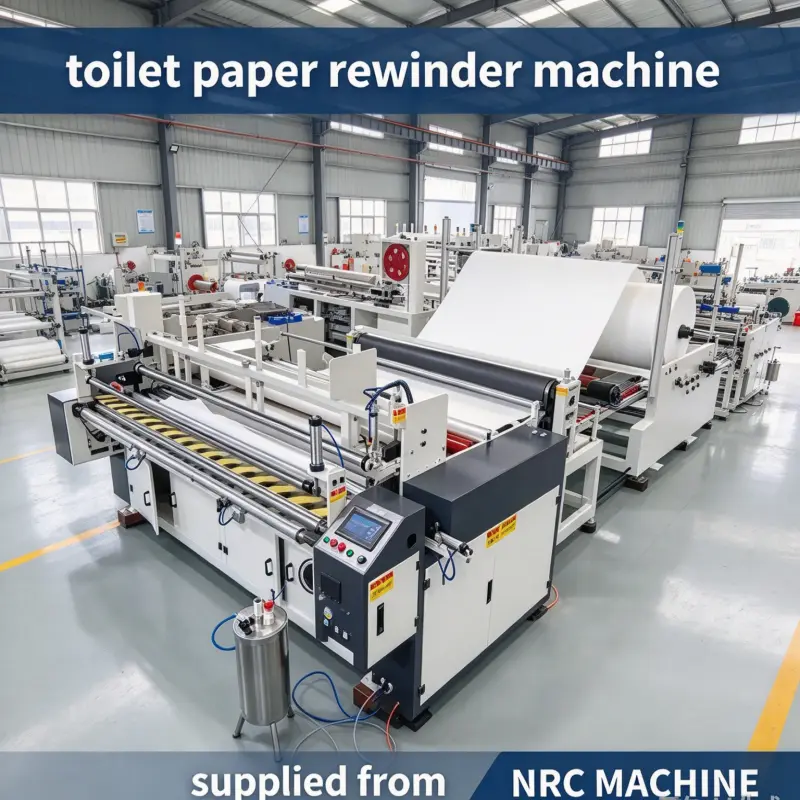
Una macchina per la produzione di carta igienica è uno strumento industriale specializzato progettato per trasformare i rotoli di carta madre grezzi in rotoli di carta igienica finiti e pronti all'uso. Non si tratta di un'enorme e complicata macchina industriale difficile da capire, ma di un sistema snello che combina diversi piccoli passaggi per trasformare i grandi “tronchi” di carta nei rotoli compatti che acquistiamo nei negozi. La maggior parte dei modelli moderni sono completamente o semi-automatici, il che significa che una volta impostati hanno bisogno di poco aiuto umano e lavorano rapidamente per produrre carta igienica di alta qualità in modo efficiente.
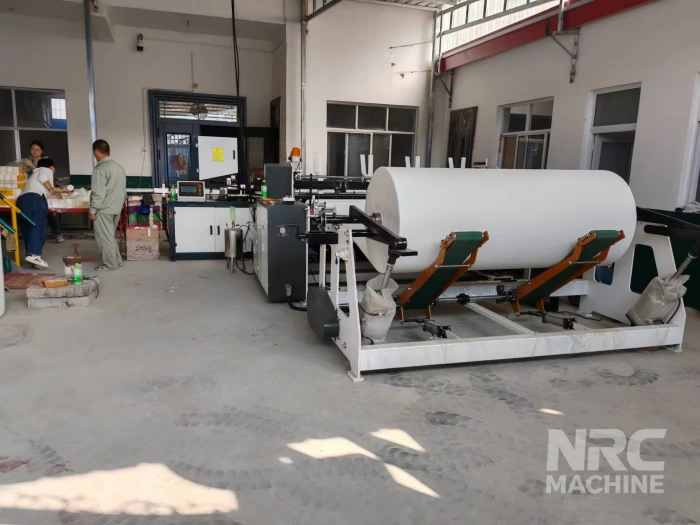
Il compito principale di questa macchina è semplice: trasformare i rotoli di carta tissue dei genitori in piccoli rotoli di carta igienica senza danneggiare la consistenza morbida del tissue. La carta rimane delicata, assorbente e facile da strappare, che sono le caratteristiche più importanti di una buona carta igienica.
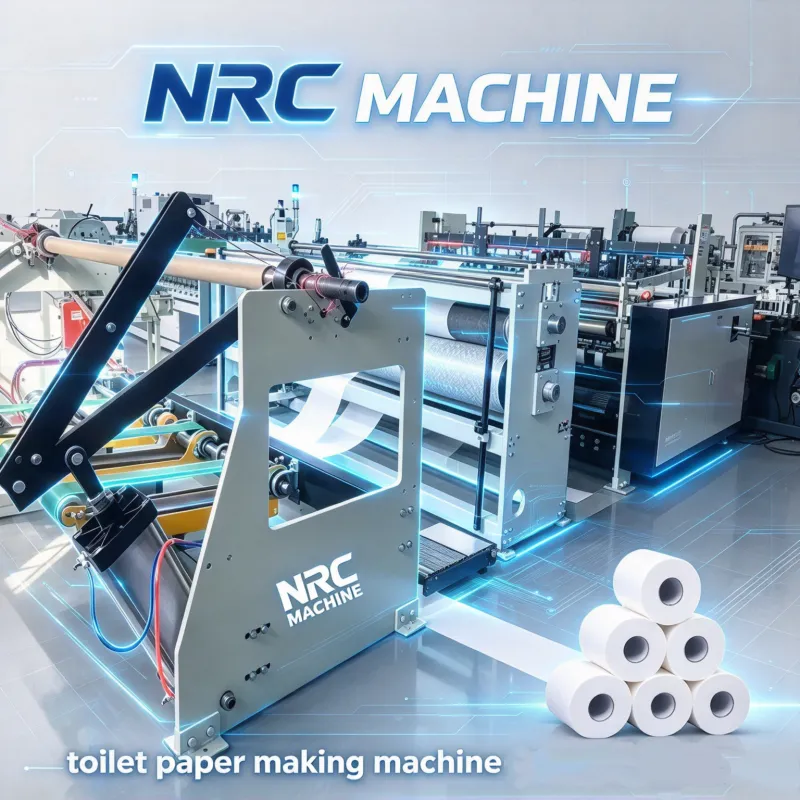
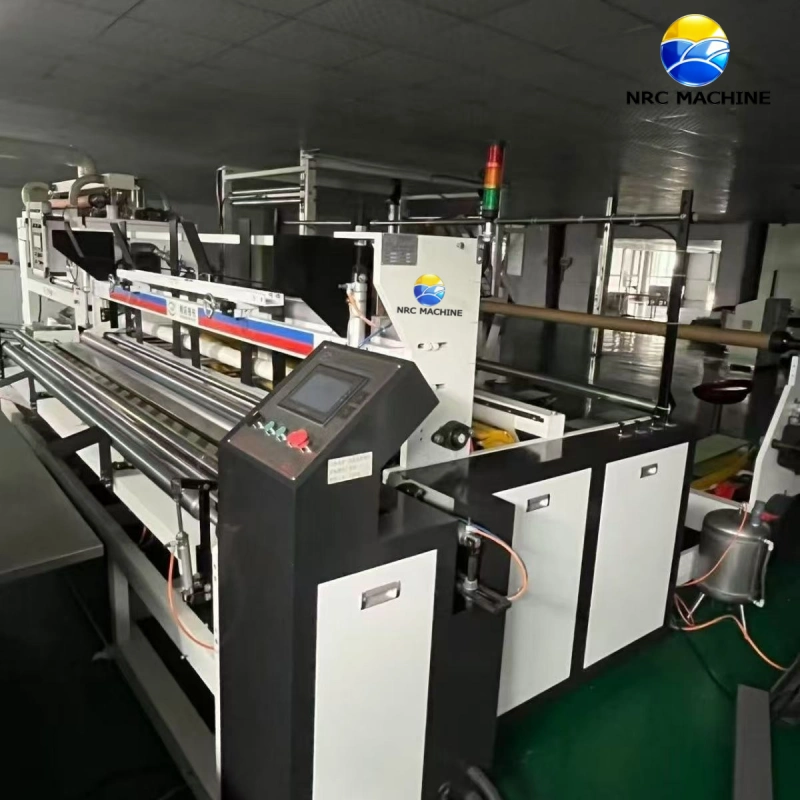
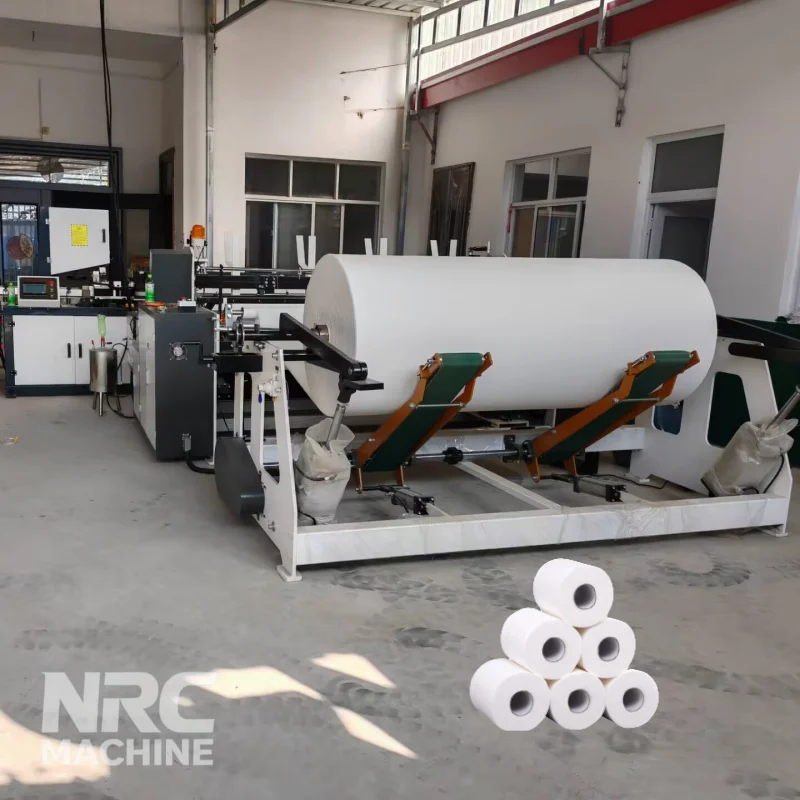
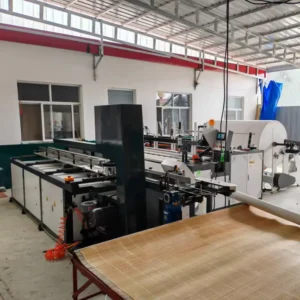
Parti fondamentali di una macchina per la produzione di carta igienica fornite da MACCHINA NRC
Ogni macchina per la produzione di carta igienica ha alcune parti principali che lavorano insieme come una squadra. Ecco le più importanti, spiegate in termini semplici:
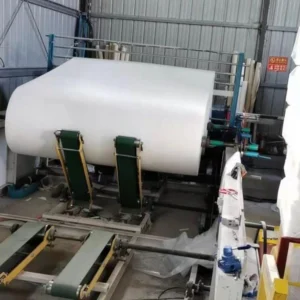
- Stazione di svolgimento: è il punto in cui vengono caricati i grandi rotoli di carta tissue dei genitori. Rilascia lentamente il rotolo grande per alimentare il resto della macchina.
- Unità di goffratura: Aggiunge alla carta tissue motivi morbidi e in rilievo. Questo rende la carta più soffice, più assorbente e più piacevole al tatto.
- Unità di perforazione: Taglia piccole linee tratteggiate nella carta. Queste linee consentono di strappare facilmente un foglio alla volta.
- Unità di riavvolgimento e taglio: la parte più importante! Avvolge la carta tissue lavorata attorno a piccole anime di cartone e taglia la lunga striscia di carta nella giusta larghezza per i piccoli rotoli di carta igienica.
- Pannello di controllo: Uno schermo con pulsanti che consente agli operatori di impostare la velocità, le dimensioni del rotolo e altre impostazioni. È come il “cervello” della macchina.
Processo passo dopo passo: Dai rotoli per genitori ai piccoli rotoli di carta igienica
L'intera linea di produzione segue una sequenza regolare e ripetibile. Vediamo come la carta grande si trasforma in rotoli di carta igienica piccoli:
- Carica i rotoli di carta madre: Gli addetti collocano i rotoli di carta tissue madre, grandi e pesanti, sulla stazione di svolgimento. Questi rotoli sono la materia prima: sono larghi e lunghi, non destinati all'uso diretto.
- Svolgimento e scorrevolezza: la macchina tira il rullo madre lentamente e in modo uniforme, assicurandosi che la carta non si sgualcisca o si strappi mentre avanza.
- Emboss for Softness: il tessuto passa attraverso l'unità di goffratura, che aggiunge motivi delicati per aumentare la morbidezza e l'assorbenza.
- Perforazione per lo strappo: l'unità di perforazione imprime piccole linee tratteggiate lungo la carta, in modo che gli utenti possano strappare i singoli fogli senza problemi.
- Rewind & Slit: la carta lavorata viene avvolta strettamente attorno a piccoli tubi di cartone. La macchina taglia poi la carta larga in strisce strette, creando rotoli di carta igienica individuali.
- Cut & Collect: il rotolo lungo di carta igienica viene tagliato alla lunghezza perfetta e i rotoli piccoli finiti vengono raccolti per l'imballaggio e la spedizione.
Parametri tecnici di base (tabella di facile lettura)
Questa tabella mostra le specifiche comuni per una macchina standard per la produzione di carta igienica, con unità semplici che gli studenti delle scuole superiori possono comprendere. Questi numeri possono cambiare leggermente a seconda del modello di macchina, ma si tratta di valori tipici.
| Parametro | Valore tipico | Cosa significa |
| Modello | NRC1880/2200/3000 | Modello diverso, prezzo diverso |
| Larghezza del rotolo genitore | 1000 - 2000 mm | Larghezza dei rotoli di tissue grezzo di grandi dimensioni caricati nella macchina |
| Diametro del rotolo di carta igienica finito | 90 - 130 mm | Diameter of the small toilet rolls you use at home |
| Velocità di lavoro | 80 - 200 m/min | Velocità con cui la carta si muove attraverso la macchina (metri al minuto) |
| Spaziatura tra i fori | 100 - 120 mm | Distanza tra ogni linea di strappo (dimensione di un foglio di carta igienica) |
| Alimentazione | 220V / 380V (standard industriale) | Elettricità necessaria per il funzionamento della macchina |
| Produzione giornaliera | 1 - 5 tonnellate di rotoli di carta igienica | Totale rotoli di carta igienica piccoli finiti in una giornata di lavoro |
Perché è importante la macchina per la produzione di carta igienica?
Questa macchina cambia la vita quotidiana. Prima delle macchine automatiche per la produzione di carta igienica, la produzione di rotoli di carta igienica era lenta e veniva fatta a mano; ora, una macchina può produrre migliaia di piccoli rotoli di carta igienica in un solo giorno. La qualità è costante: ogni rotolo è morbido, della giusta dimensione e facile da usare. Inoltre, le macchine moderne sono eco-compatibili: consumano meno energia e riducono gli sprechi di carta, contribuendo alla salvaguardia dell'ambiente.
Pensieri finali
Il macchina per la produzione di carta igienica è un esempio perfetto di come l'ingegneria renda i prodotti di tutti i giorni più facili e accessibili. Trasformando i grandi rotoli di carta tissue in piccoli rotoli di carta igienica, si trasforma una semplice materia prima in un prodotto su cui tutti facciamo affidamento. La prossima volta che prenderete un rotolo di carta igienica, saprete esattamente come è stato prodotto! Il prezzo della macchina per la produzione di carta igienica è determinato da molti fattori. Contattate NRC MACHINE, ottenete un preventivo con un buon prezzo!
Domande frequenti
1. Che cos'è e come funziona una macchina per la produzione di carta igienica?
Una macchina per la produzione di carta igienica è un dispositivo industriale specializzato progettato per trasformare grandi rotoli di carta tissue in piccoli rotoli di carta igienica pronti per l'uso attraverso una serie di fasi automatizzate, tra cui lo svolgimento, la goffratura, la perforazione, il riavvolgimento e il taglio.
2.Quali sono le parti principali di una macchina per la produzione di carta igienica?
Le parti principali comprendono la stazione di svolgimento per l'alimentazione dei rotoli di tissue di grandi dimensioni, l'unità di goffratura per l'aggiunta di motivi, l'unità di perforazione per la creazione di linee di strappo, l"unità di avvolgimento e taglio per la sagomatura dei rotoli più piccoli, e il pannello di controllo che gestisce le operazioni della macchina.
3.Quali sono le fasi di produzione della carta igienica con questa macchina?
Il processo prevede il caricamento dei rotoli madre, lo svolgimento e la lisciatura del tessuto, la goffratura per garantire la morbidezza, la perforazione per facilitare lo strappo, il riavvolgimento e il taglio in rotoli più piccoli e infine il taglio e la raccolta della carta igienica finita.
4.Quali sono le caratteristiche tecniche tipiche di una macchina per la produzione di carta igienica?
Un modello tipico di macchina può avere una larghezza del rotolo madre di 1000-2000 mm, produrre rotoli di carta igienica con un diametro di 90-130 mm, operare a velocità di 80-200 metri al minuto e avere una produzione giornaliera di 1-5 tonnellate di rotoli di carta igienica, a seconda del modello.
5.Perché la macchina per la produzione di carta igienica è considerata importante?
La macchina è importante perché consente una produzione rapida ed efficiente di rotoli di carta igienica di alta qualità, garantisce una qualità costante del prodotto e rispetta l'ambiente riducendo il consumo energetico e gli sprechi.