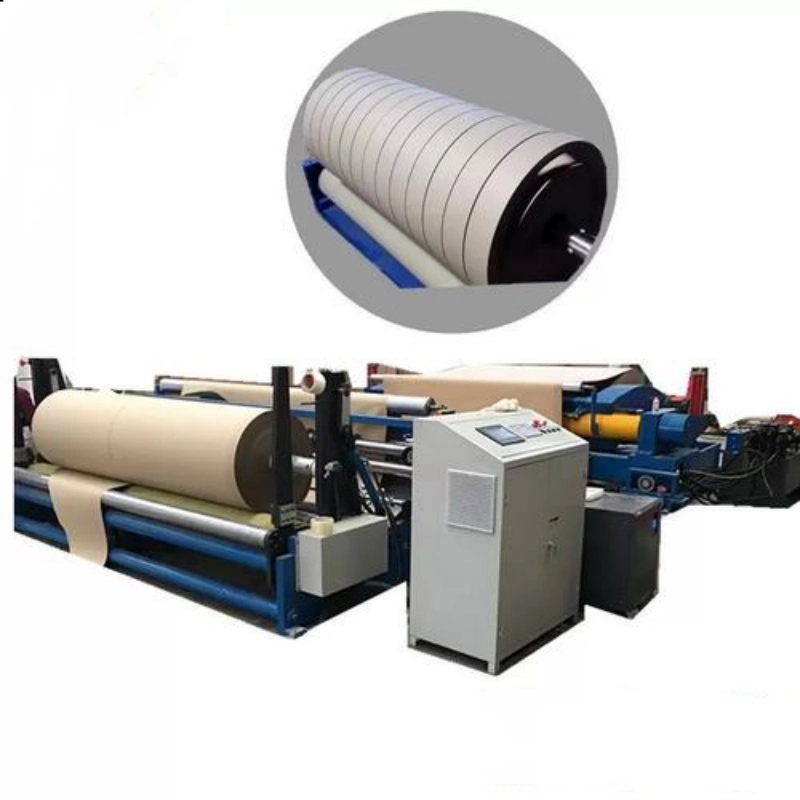
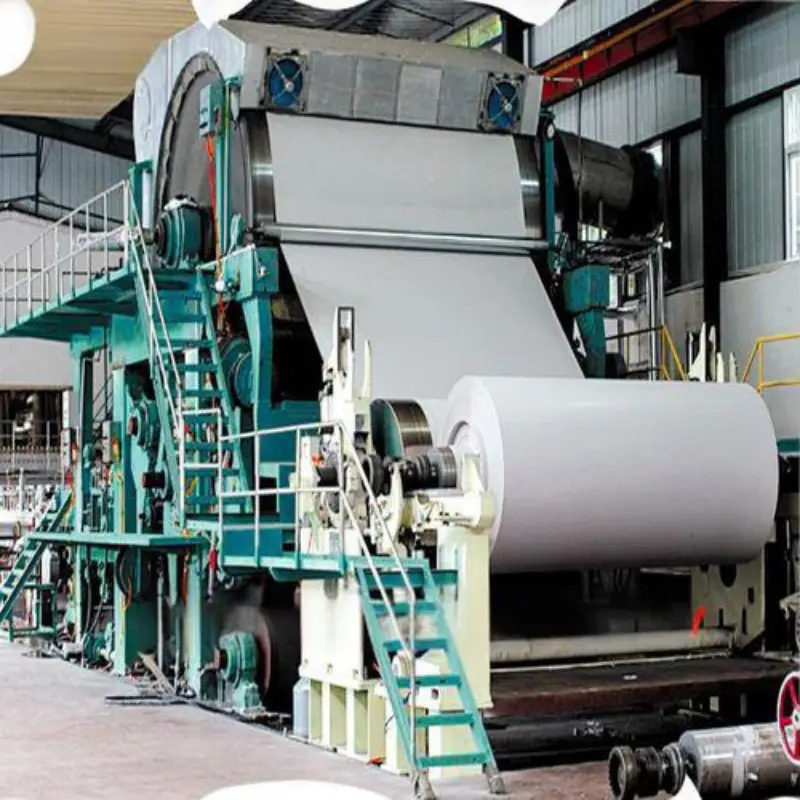
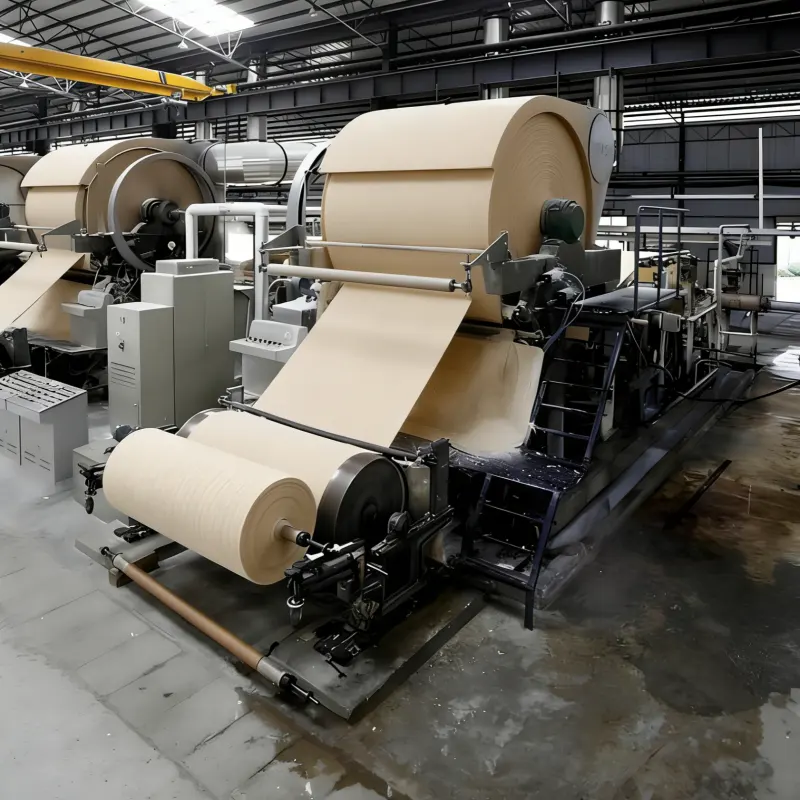
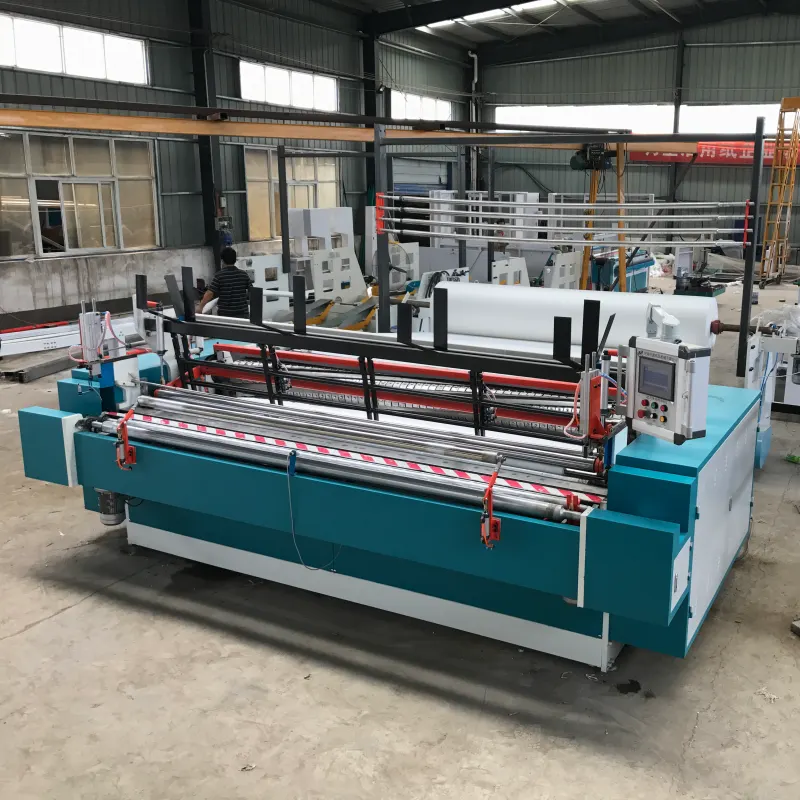
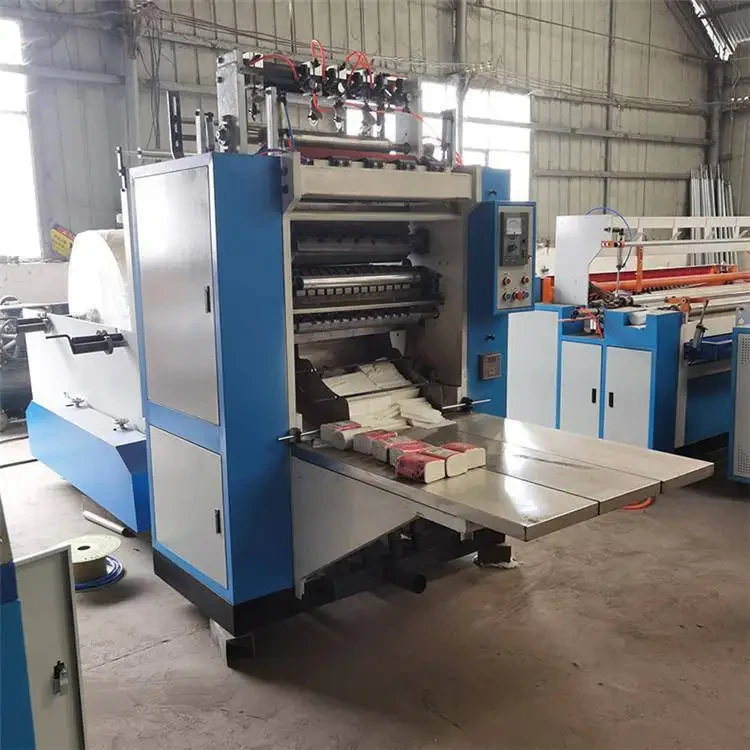
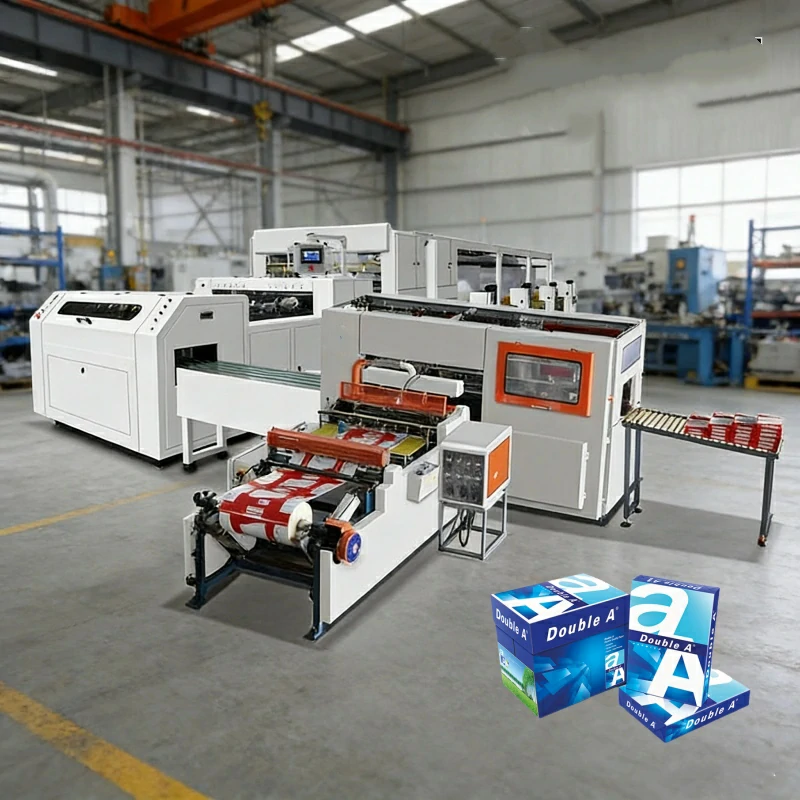
If you are comparing suppliers, the first thing to understand about paper slitting rewinding machine price guide is that there is no single market number that fits every factory. A basic machine for narrow-width converting will be priced very differently from a high-speed, fully automatic system built for continuous industrial output. Buyers who treat all models as equal often end up comparing quotes that are not actually comparable.
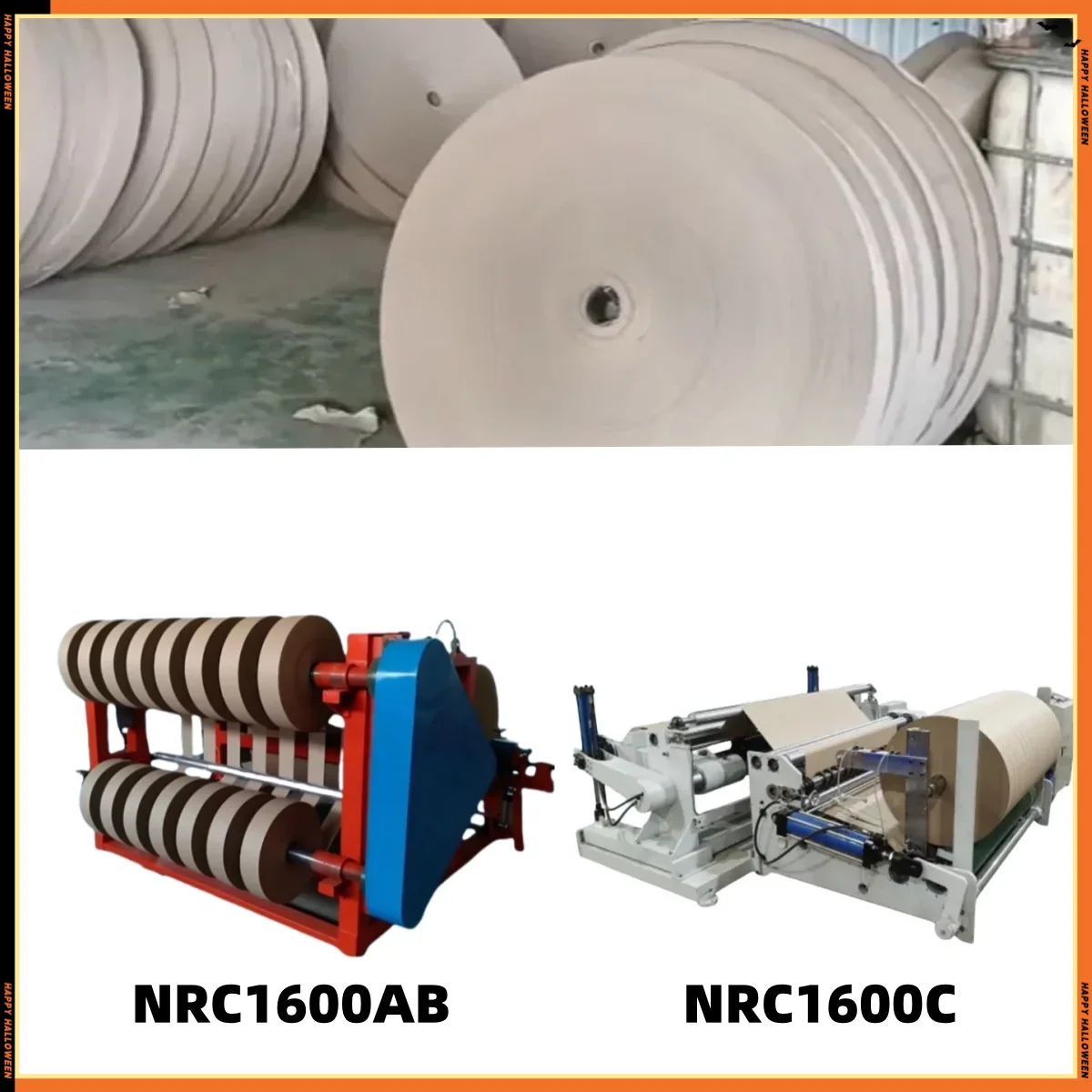
For factory owners, converters, and importers, paper slitting rewinding machine price matters for one reason – return on production capacity. The right machine is not simply the cheapest one on the list. It is the machine that fits your paper grades, roll widths, output targets, labor conditions, and future expansion plan without creating hidden operating costs.
What affects paper slitting rewinding machine price
The biggest pricing factor is machine configuration. Two machines may both be described as slitting rewinding equipment, but their actual value can differ sharply once you look at working width, jumbo roll diameter, finished roll diameter, slitting accuracy, rewinding tension control, shaft type, automation level, and installed power.
Working width is one of the clearest cost drivers. A machine designed for narrower rolls generally uses a lighter frame, smaller unwinding structure, and simpler control system. As width increases, the frame strength, roller design, web handling stability, and motor requirements usually increase with it. That raises manufacturing cost and, naturally, the selling price.
Speed also changes the price significantly. A lower-speed machine may be suitable for startups, short runs, or operations where labor cost is lower and volume pressure is moderate. A high-speed machine costs more upfront, but for a plant running long shifts, the extra output can lower unit cost over time. This is where many buyers need to think beyond purchase price and focus on cost per finished roll.
Automation is another major variable. Manual loading, manual knife setting, and basic rewinding controls reduce the initial investment. Automatic tension control, PLC systems, touchscreen operation, automatic meter counting, auto stop, shaftless unwinding, and edge guiding increase machine cost but improve consistency and reduce operator dependency. In factories where downtime and labor variability are expensive, automation often pays back faster than expected.
The slitting system itself influences price as well. Razor slitting, circular knife slitting, and shear knife systems are not identical in performance or in cost. The correct setup depends on the paper type, thickness, finish quality required, and production speed. A supplier that asks detailed questions about your material is usually helping you avoid a bad equipment match, not just increasing the quote.
Typical paper slitting rewinding machine price ranges
In broad terms, entry-level paper slitting rewinding machine price can start in the lower industrial range for simple, smaller-width models with modest speed and basic controls. Mid-range machines typically add wider web handling, better drive systems, stronger tension control, and more stable finished roll quality. High-end machines move into a different investment category altogether, especially when they are built for larger jumbo rolls, higher speeds, servo control, and more automated operation.
That said, buyers should be careful with published price ranges online. Many advertised numbers only reflect a base machine and exclude optional items, electrical standards, air shafts, compressors, spare knives, installation support, or export packing. In some cases, the listed number is only a reference used to generate inquiries.
A serious quote should define exactly what is included. If one supplier appears much cheaper than others, check the machine width, speed under actual load, control brand, unwinding type, number of slitting stations, and whether commissioning is part of the package. A lower quote can be valid, but it can also mean reduced specification.
Why cheap pricing can become expensive
A low machine price can look attractive during procurement, especially for startups managing limited capital. The problem starts when the machine cannot hold tension properly, finished rolls telescope, slitting edges are rough, or changeover takes too long. What looked like a savings at purchase becomes a production issue every day on the floor.
This is especially relevant for plants supplying commercial paper products where roll quality affects downstream packing, storage, and customer acceptance. If operators constantly adjust settings to maintain output, labor cost rises and waste increases. A machine that is only affordable on paper may not be affordable in operation.
Buyers should also think about spare parts and service access. A machine with a low initial price but weak after-sales support can lead to long stoppages when components fail. In export markets, this matters even more because replacement timelines affect production planning. Price should always be evaluated together with service response, documentation, electrical compatibility, and technical support.
How to compare quotes the right way
When evaluating paper slitting rewinding machine price, the most practical approach is to compare total production fit rather than sticker value alone. Start with your raw material specifications. What is your parent roll width, basis weight, paper type, and maximum roll diameter? Then define your required finished roll widths, target output, and shift pattern.
Once those basics are clear, compare suppliers on the actual machine structure. Ask about frame thickness, roller balancing, control system brands, brake and tension method, slitting knife type, rewinding precision, and safety configuration. If your operation is expected to scale, ask whether the machine design allows future upgrades or integration with related converting equipment.
It is also worth reviewing what support is included before and after shipment. For international buyers, this can be just as important as machine price. Clear manuals, video support, parts availability, startup guidance, and export-ready packing reduce the real risk of buying overseas. Factory-direct suppliers with export experience usually have an advantage here because they understand documentation, logistics, and machine preparation for different markets.
Configuration choices that change your investment
Some of the biggest price jumps come from features that directly affect operating performance. Shaftless unwinding, for example, helps handle heavy jumbo rolls more efficiently and can reduce loading difficulty. Automatic web guiding improves alignment and roll quality, especially at higher speeds. Differential shafts or specialized rewinding arrangements may be necessary when precision and consistency are critical.
Motor and control quality also matter. Better electrical components may raise the quote, but they often improve stability and simplify maintenance. For plants operating in regions with power fluctuations or limited local technical support, choosing proven components can be the smarter commercial decision.
Machine customization is another factor. Many B2B buyers need non-standard widths, voltage requirements, safety labeling, language settings, or application-specific adjustments. Custom engineering adds cost, but it can save far more by making the machine suitable for your actual production environment from day one.
Is a higher paper slitting rewinding machine price worth it?
It depends on your business model. If you are testing a new market, running moderate volumes, or entering production with a tight budget, a well-built basic model may be the right move. It allows you to start output, build sales, and control capital exposure.
If you already have confirmed demand, multiple shifts, or a plan to expand related converting operations, investing in a more capable machine often makes stronger financial sense. Higher speed, lower waste, better roll quality, and reduced manual adjustment can improve the economics of every order you run.
This is why experienced buyers do not ask only, “What is the machine price?” They ask, “What will this machine cost me per month in labor, waste, downtime, and lost output if I choose the wrong specification?” That is the more useful question.
What buyers should ask before requesting a final quote
Before moving forward, learn about this paper slitting rewinding machine price guide and prepare your requirements clearly. Share your raw material details, maximum parent roll size, desired finished roll widths, production speed target, and any special needs related to paper grade or finished roll quality. If you need CE-focused export compliance, installation guidance, or spare parts support, state that early.
A supplier can only provide an accurate commercial quotation when the application is clear. This is one reason serious manufacturers ask technical questions before giving a final number. They are not slowing the process down. They are making sure the proposed machine matches the production task.
For buyers looking for long-term value, the best purchasing decision is usually the one that balances machine price with output reliability, service support, and factory suitability. A well-matched line should strengthen your operation, not just fill a short-term budget target. If you are requesting quotations, ask for specification clarity first and pricing second – that is how better machinery decisions get made.