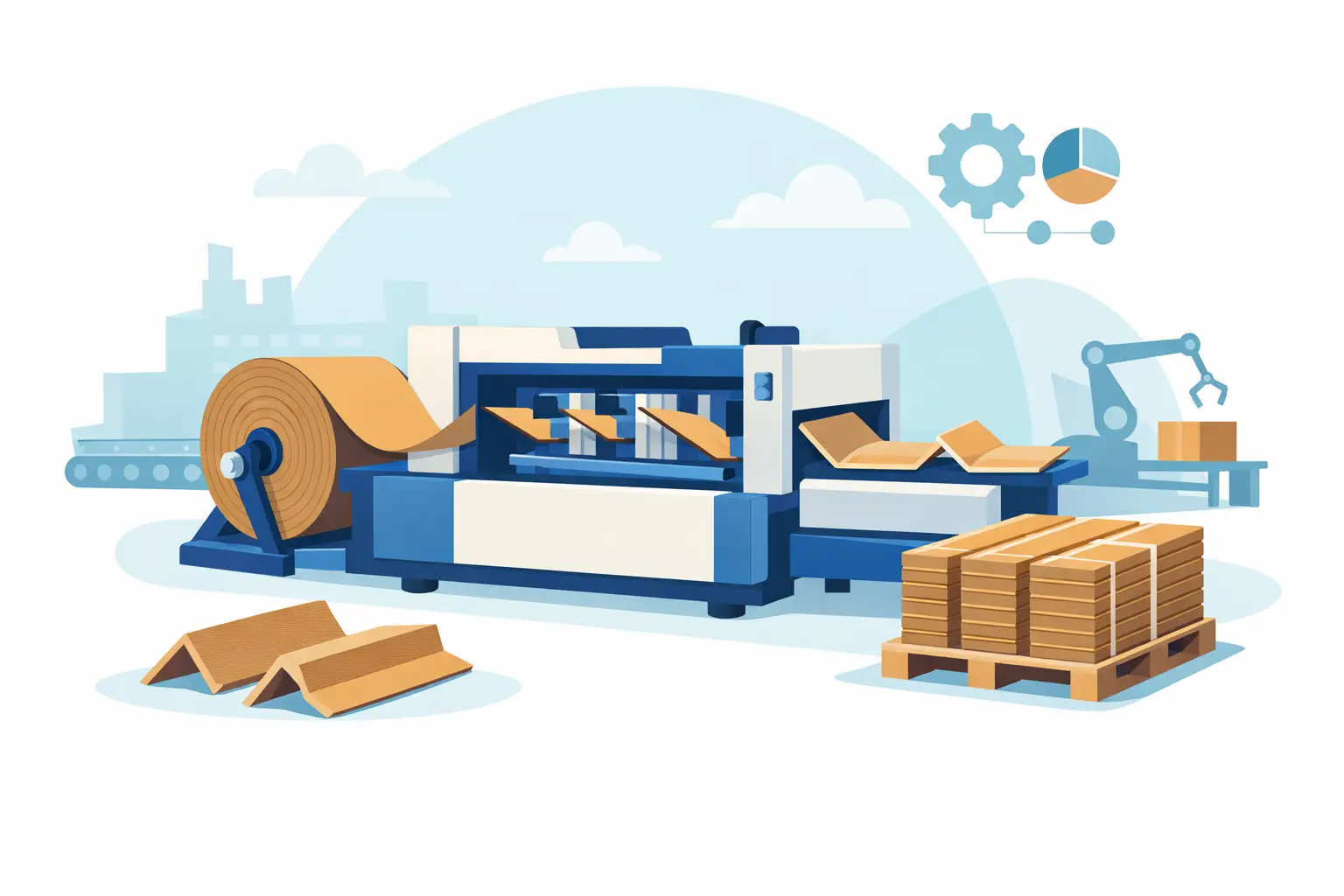
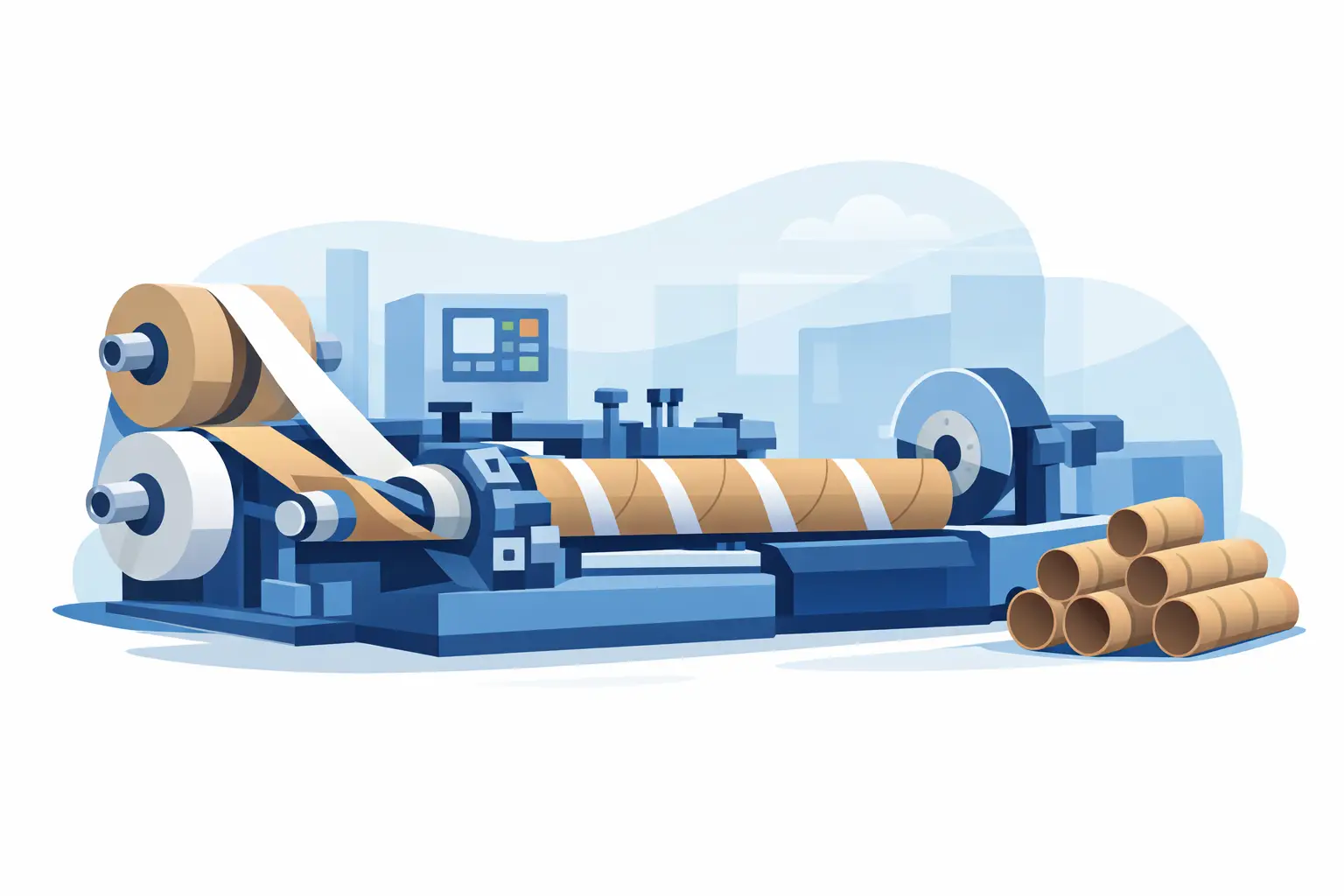
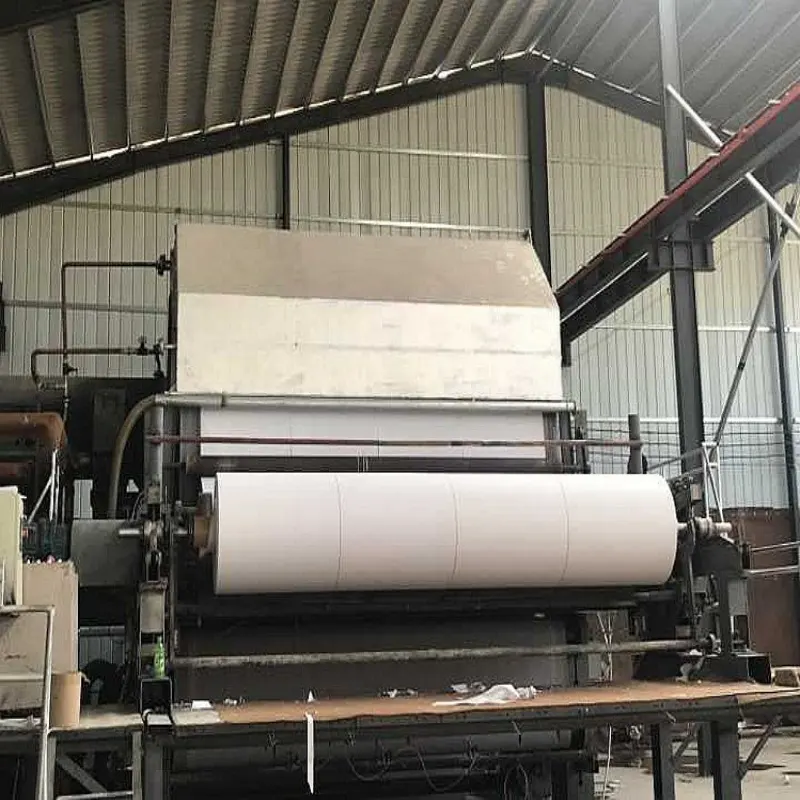
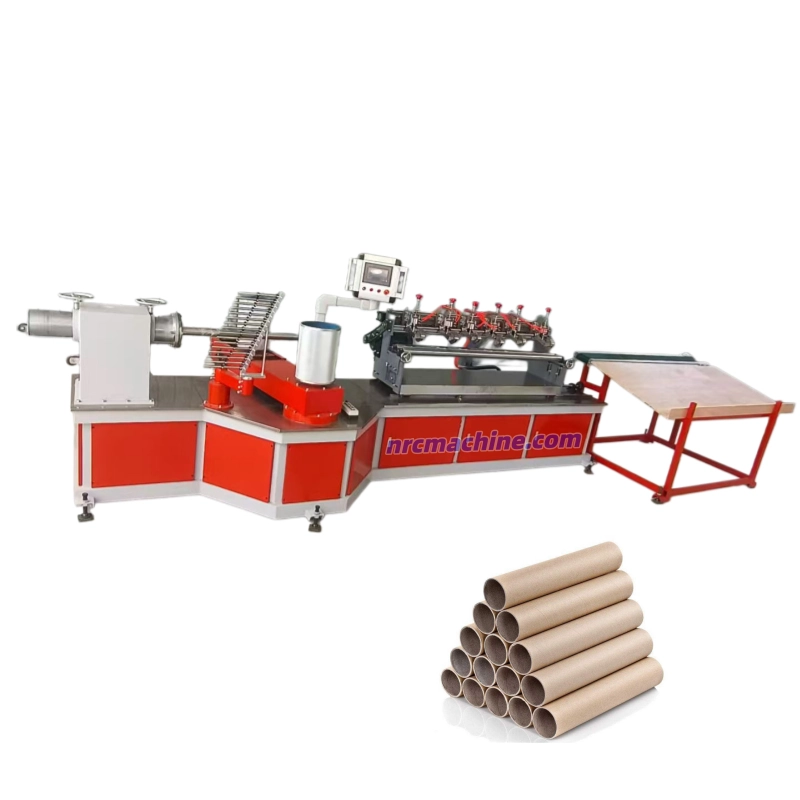
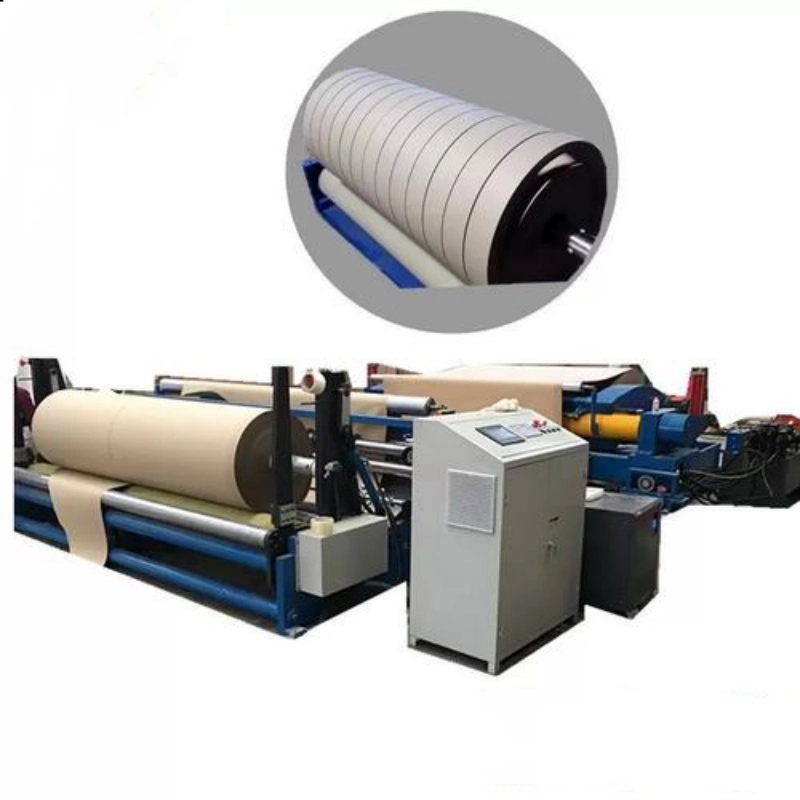
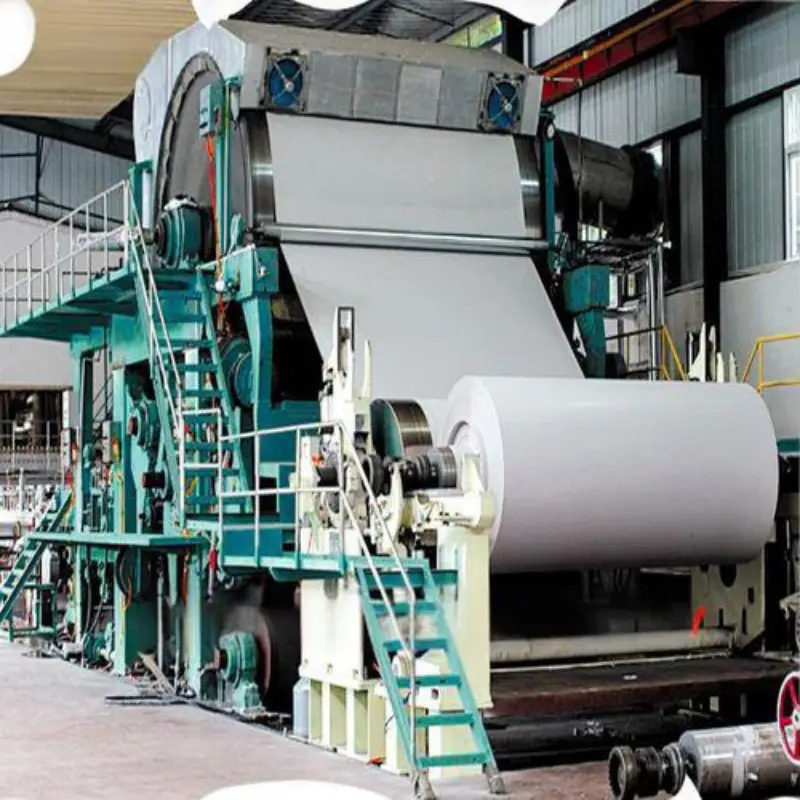
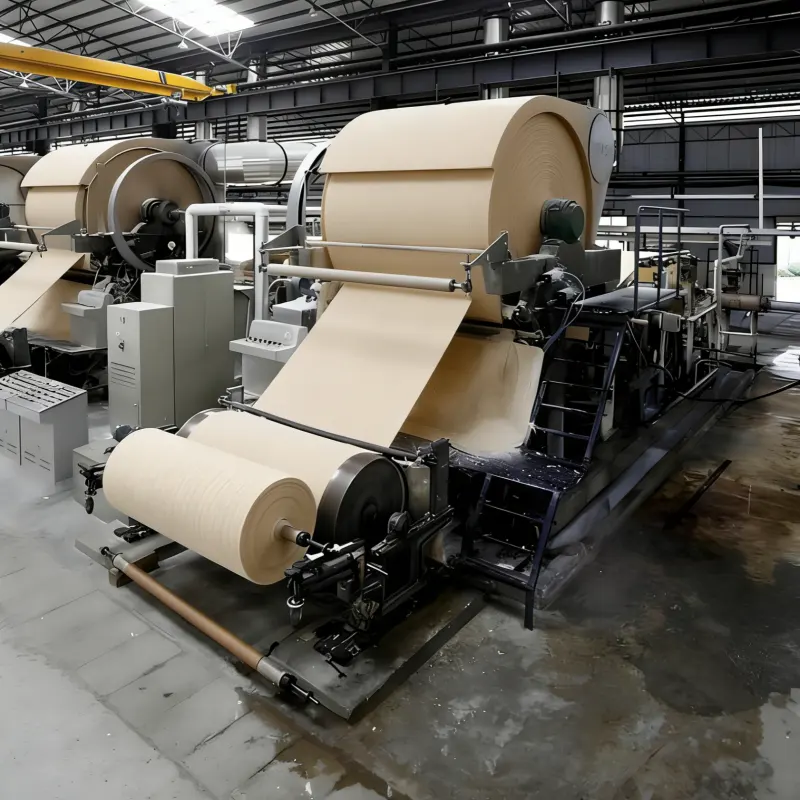
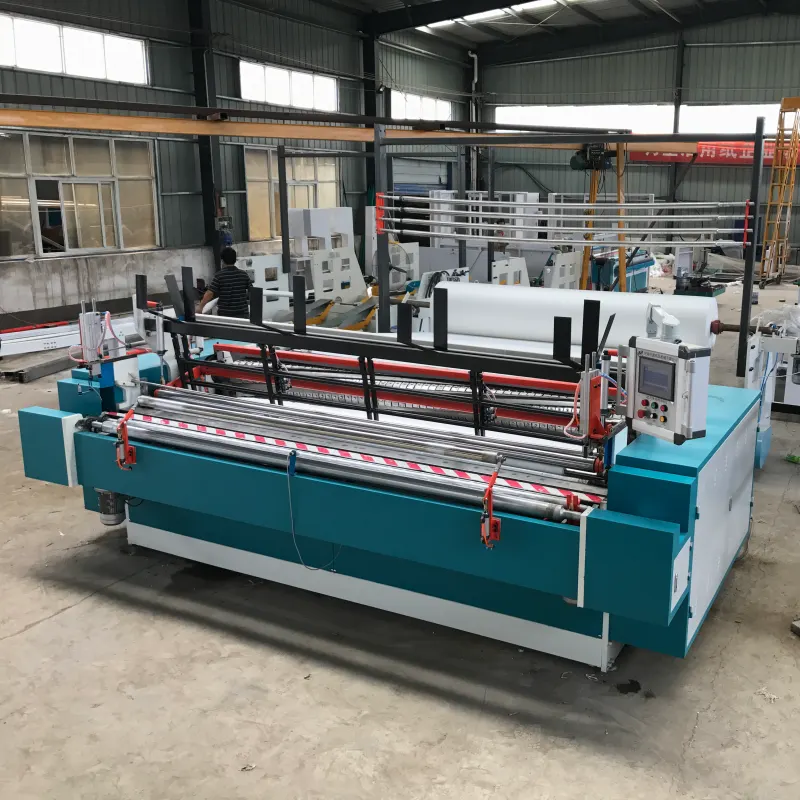
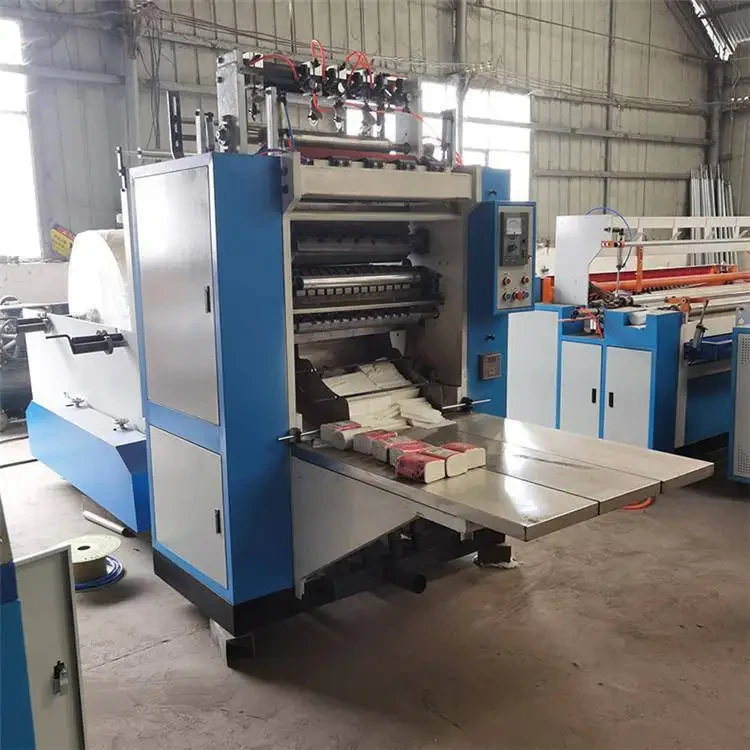
Choosing a paper tube making machine for kraft cores is very important for packaging industry. If your kraft cores fail under winding tension, crush during transport, or create sizing inconsistency on the production floor, the problem usually starts long before the finished tube leaves the line.
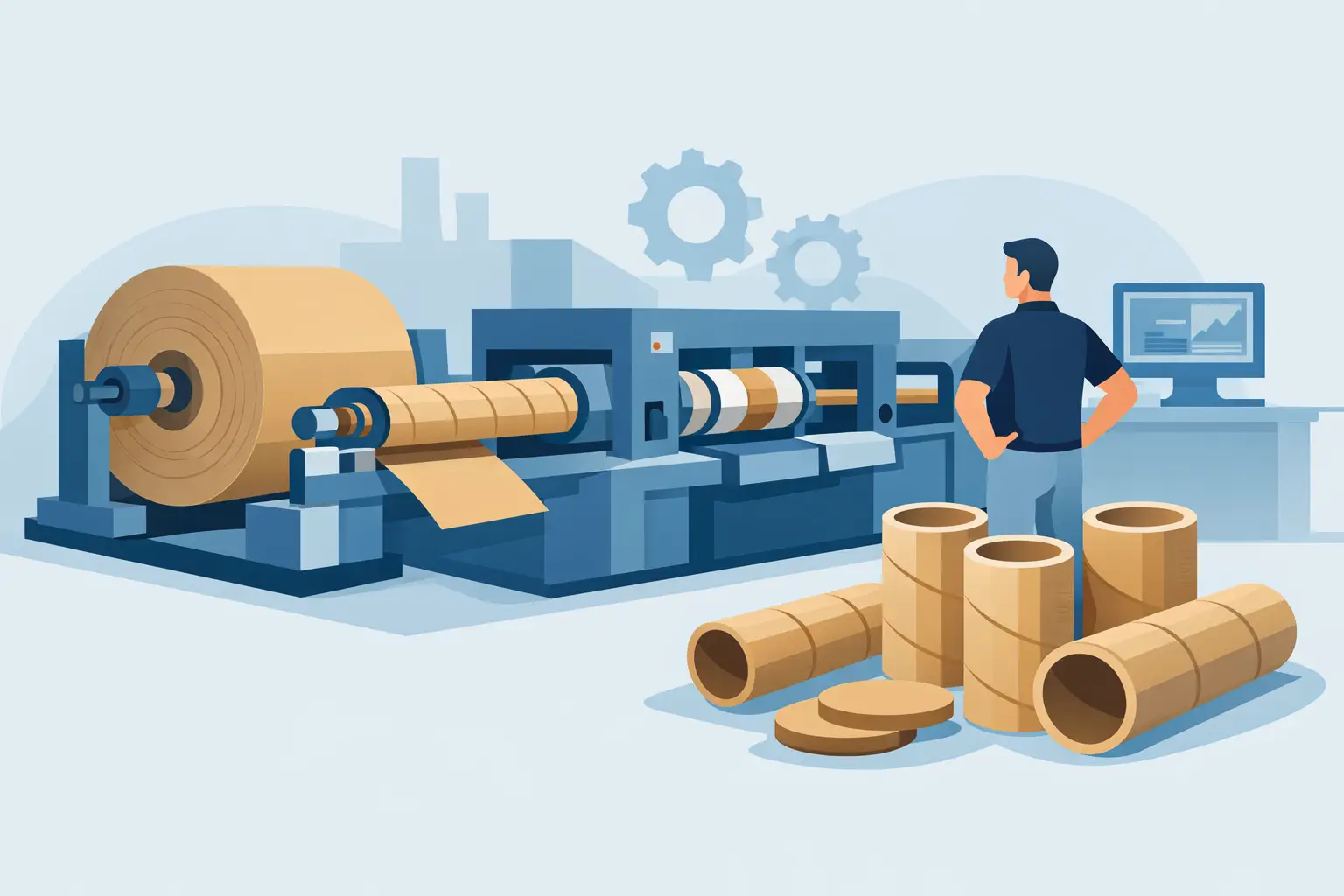
A paper tube making machine for kraft cores has to match your actual product requirements, adhesive system, paper grades, and output targets. Buying on headline speed alone is one of the most common and most expensive mistakes in this category.
What buyers really need from a paper tube making machine for kraft cores
Kraft cores are not generic paper tubes. In many factories, they serve as load-bearing components for films, paper rolls, tapes, textiles, foils, and other wound products. That means the machine must deliver repeatable wall thickness, stable inner diameter control, solid bonding strength, and clean cutting accuracy. If one of those variables drifts, downstream operations feel it immediately.
For plant managers and investors, the practical question is not simply whether the machine can make tubes. The question is whether it can make the right cores, at the right cost, with a reject rate your factory can live with. A low purchase price can look attractive at first, but if the machine struggles with bonding consistency or requires frequent adjustment, the real production cost rises fast.
Start with the kraft core application
Before reviewing machine models, define what the core must do in service. A core used for light packaging material is very different from one used for heavy paper rolls or industrial tape logs. The required crush strength, radial compression resistance, surface finish, and length tolerance all affect machine selection.
Core diameter and wall thickness come first. These two specifications shape mandrel configuration, paper ply arrangement, gluing method, and cutting setup. If your factory plans to supply several industries, flexibility matters. If your business is built around one standard core size with high monthly volume, a more dedicated configuration may be the better commercial choice.
The paper itself also matters. Kraft paper quality is not perfectly uniform from supplier to supplier. Moisture variation, GSM range, fiber quality, and winding condition all influence tube forming performance. A machine that runs well with one kraft paper source may need adjustment with another. Serious buyers account for this during evaluation instead of assuming all raw material behaves the same way.
Machine design affects more than speed
Many buyers compare paper tube equipment by maximum speed, but speed is only one part of throughput. Real output depends on changeover time, adhesive curing behavior, operator control, cutting stability, and machine uptime. A line that runs slightly slower but stays consistent through long production shifts may deliver better daily output than a machine with higher advertised speed and frequent stoppages.
Winding section stability
The winding section is where paper layers are formed and bonded around the mandrel. Stable tension control and precise paper feeding are essential for uniform tube density. Poor alignment creates spiraling defects, weak bonding lines, or thickness variation that becomes a problem during slitting, packaging, or customer use.
For kraft cores, this is especially important because the product is often expected to carry load. Even a small weakness in structure can lead to deformation when the customer rewinds material under tension.
Gluing system performance
Adhesive application is another major factor. Too little glue can weaken the core. Too much glue can create mess, waste, drying issues, and dimensional instability. The best setup depends on your paper grade, ambient factory conditions, and core specification.
This is one area where buyers should ask detailed questions. What adhesive types does the machine support? How stable is glue application at higher speeds? How easy is it to clean and maintain the gluing section? These are operational questions, not minor details.
Cutting accuracy and finish
A kraft core line also needs dependable cutting performance. Uneven cut length increases waste and creates problems for customers using automated winding systems. Clean end faces matter for stacking, packing, and product presentation, but more importantly, they matter for fit and handling in the customer’s process.
If you plan to sell into industrial markets where core tolerances are checked closely, cutting accuracy is a sales issue as much as a production issue.
How to match the machine to your factory plan
A paper tube making machine for kraft cores should fit the business model behind the purchase. A startup operation serving local converters does not need the same configuration as a larger manufacturer supplying multiple regions and running several shifts.
If labor cost is a major concern, higher automation can make sense. Automatic paper feeding, synchronized cutting, and easier control systems reduce operator dependence and help standardize output. On the other hand, if your order mix changes often and production volume is still growing, a machine with simpler mechanics and practical flexibility may offer a better return in the early stage.
Space and utilities should also be reviewed early. Buyers sometimes focus heavily on machine width, speed, and price, then discover later that layout, adhesive preparation area, raw material flow, or finished goods handling create bottlenecks. The machine is only one part of the production system.
Questions serious buyers should ask suppliers
A capable supplier should be able to discuss more than brochure specifications. You should expect clear answers about core size range, ply configuration, adhesive compatibility, speed under real production conditions, and recommended raw material. It is also reasonable to ask about electrical standards, export packing, installation support, spare parts availability, and operator training.
For international buyers, after-sales support is not secondary. It is part of the machine value. Delayed technical response can cost more than a component replacement. This is why many buyers prefer working directly with an experienced manufacturer rather than a general trader. Factory-level support usually leads to faster technical clarification and better understanding of machine application.
At NRC Machine, this direct-manufacturer approach is a central part of how industrial buyers evaluate equipment for export projects and production expansion.
Common trade-offs in kraft core production
There is no single best machine for every factory because the right answer depends on the mix of strength requirements, volume, labor structure, and budget. Higher speed can reduce unit cost, but only if your raw material, operators, and downstream handling can keep up. Broader size flexibility helps serve more customers, but highly flexible machines may involve more setup time than dedicated production lines.
Core strength is another area where trade-offs appear. Increasing wall thickness and using stronger kraft paper improves performance, but it also raises material cost. In some markets, the winning strategy is premium quality with tighter tolerances. In others, competitiveness comes from stable mid-range quality with disciplined cost control. Your machine should support the position you want in the market.
Why export readiness matters in machine selection
For US buyers importing equipment, and for manufacturers in growth markets building new capacity, export readiness is not a marketing extra. Documentation, electrical configuration, packing quality, and communication speed all affect project timing. A machine that arrives with incomplete support information can delay installation and startup.
This is why procurement teams should evaluate the supplier as carefully as the machine. CE certification, international shipment experience, and practical communication during pre-sale discussions often signal what the working relationship will look like after delivery. If the supplier is slow, vague, or inconsistent before the order, that usually does not improve after payment.
The best investment is the one that fits your product mix
A kraft core business grows on consistency. Customers reorder when core dimensions stay stable, bonding holds under use, and deliveries remain dependable. The machine you choose should help you protect those standards every day, not just during trial runs.
When evaluating a paper tube making machine for kraft cores, focus on the full production picture – raw material behavior, adhesive system, tube specification, labor structure, maintenance needs, and support after installation. The strongest buying decision is not the cheapest machine or the fastest machine. It is the machine that fits your factory plan, your customer requirements, and your target margin.
If you are comparing options, ask the supplier to discuss your actual core sizes, paper grades, and daily output goals in detail. A good machine supplier will not push a standard answer when your production needs a specific one. That conversation usually tells you as much as the machine specification itself.
The right line should make your next order easier to deliver, not harder to manage.