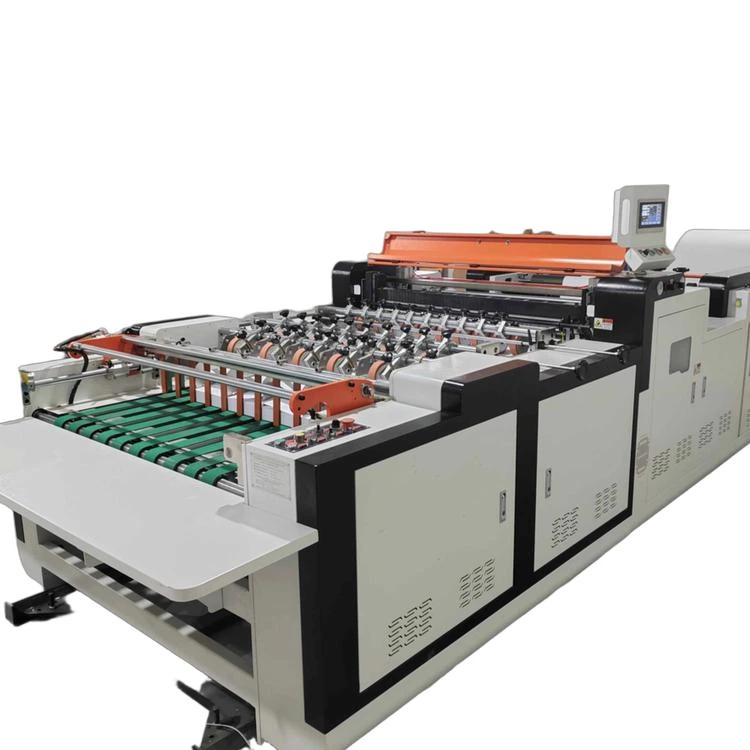
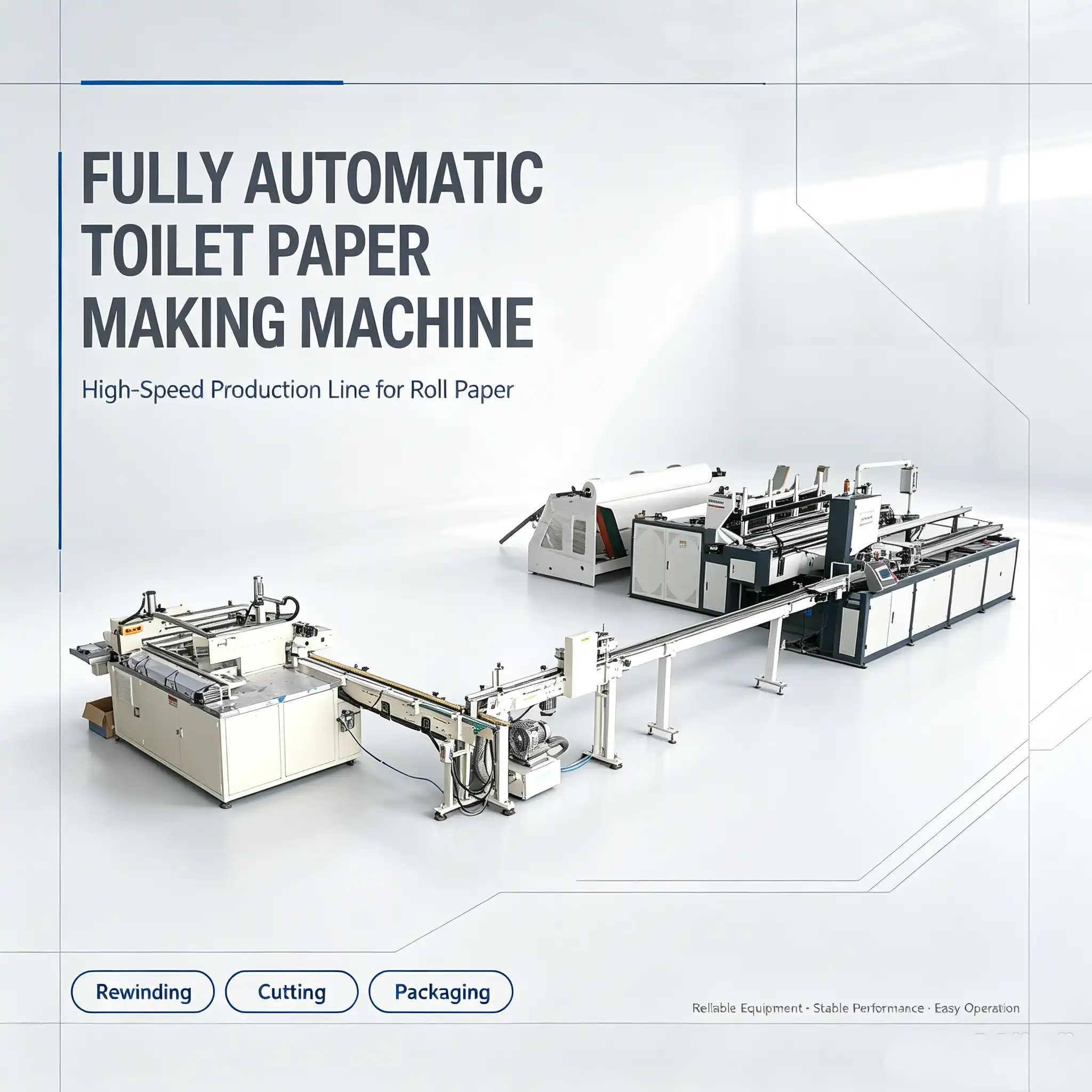
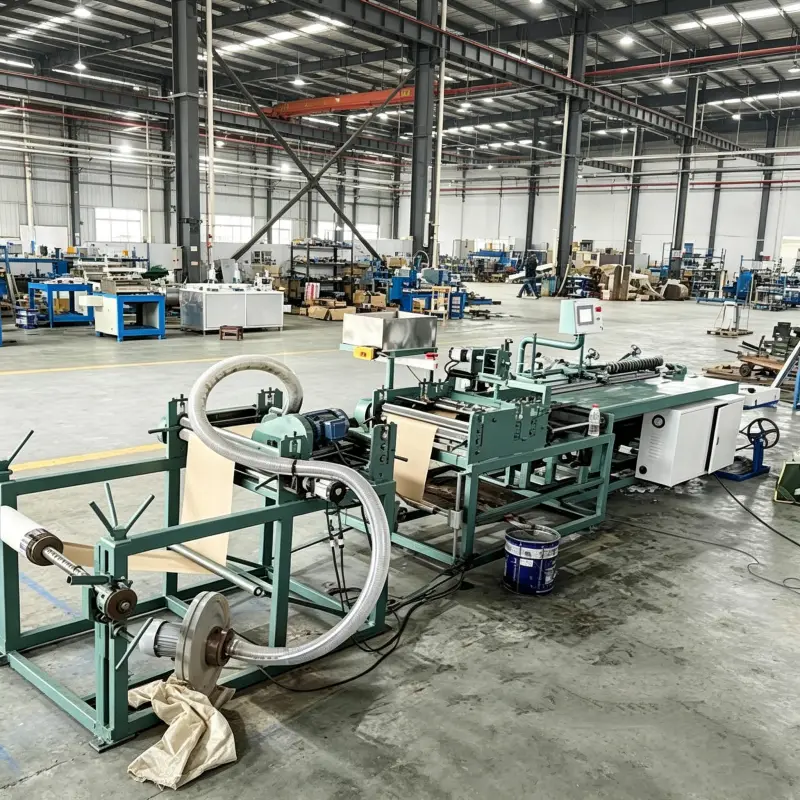
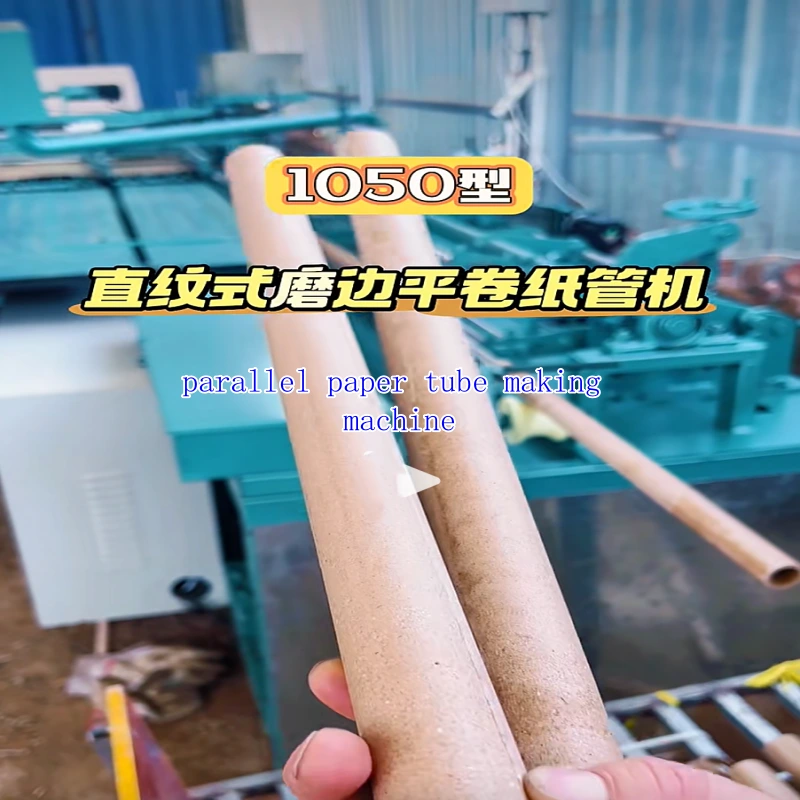
Jeśli sekcja nawijania stożków zwalnia, koszty pracy rosną lub wskaźniki odrzutów są zbyt wysokie, maszyna do produkcji stożków papierowych jest zwykle miejscem, w którym zaczyna się prawdziwa decyzja. W przypadku papierni, producentów wsparcia tekstylnego i inwestorów rozpoczynających produkcję stożków, wybrana maszyna wpływa na stabilność produkcji, wytrzymałość stożka, koszty operacyjne i łatwość skalowania zakładu.

Papierowe stożki z pozoru nie są skomplikowanymi produktami, ale ich produkcja jest wrażliwa na dokładność maszyn. Niewielkie różnice w kącie nawijania, konsystencji klejenia, wydajności suszenia lub precyzja cięcia może powodować problemy na poziomie użytkownika końcowego. W zastosowaniach tekstylnych oznacza to słabe nawijanie przędzy, deformację podczas transportu lub uszkodzenie stożka pod obciążeniem. Nabywcy, którzy traktują maszynę jako zwykły towar, często płacą później więcej za przestoje, odpady i niespójną jakość produktu.
Co maszyna do produkcji stożków papieru musi robić dobrze
Maszyna do produkcji stożków papierowych przekształca tekturę lub laminowany materiał papierowy w stożkowe rurki, które są następnie cięte, suszone, wykańczane i przygotowywane do produkcji tekstyliów lub zastosowanie przemysłowe. W praktyce oczekuje się, że maszyna będzie zapewniać powtarzalne wymiary, stabilne nakładanie kleju, solidną wytrzymałość formowania i szybkość produkcji, która pasuje do dalszych etapów wykańczania.
Brzmi to prosto, ale są pewne kompromisy. Linia o wyższej prędkości jest wartościowa tylko wtedy, gdy zachowuje spójność kształtu. Tańsza maszyna może wyglądać atrakcyjnie na etapie wyceny, ale jeśli wymaga częstej ręcznej regulacji lub wytwarza niestabilne stożki, oszczędności szybko znikają. Poważni nabywcy powinni oceniać maszynę jako zasób produkcyjny, a nie tylko jako cenę zakupu.
Najważniejsze pytanie nie brzmi po prostu: “Jaka maszyna jest najszybsza?”. Brzmi ono: “Jaka konfiguracja pasuje do mojego materiału, specyfikacji stożka, modelu pracy i docelowej wydajności?”. Prawidłowa odpowiedź zależy od asortymentu produktów i rynku.
Kluczowe czynniki przy wyborze maszyny do produkcji stożków papieru
Wydajność powinna być dopasowana do rzeczywistego planu sprzedaży, a nie tylko do ambicji. Wielu nowych nabywców prosi o najwyższą możliwą prędkość, ale jeśli ilość zamówień wciąż rośnie, zbyt duża konfiguracja może zwiększyć presję kapitałową bez poprawy zwrotu. Z drugiej strony, niewymiarowa maszyna może powodować opóźnienia w dostawach, gdy biznes się rozwinie. Zrównoważony wybór daje przestrzeń do rozwoju bez konieczności kupowania produkcji, której nie można wykorzystać.
Kolejnym krytycznym punktem jest zakres rozmiarów stożków. Różne branże i zastosowania przędzy wymagają różnych kątów stożka, długości, grubości ścianek i kształtów końcówek. Jeśli fabryka będzie obsługiwać wielu klientów, elastyczność ma znaczenie. Jeśli masz już zdefiniowany standard produktu, bardziej wyspecjalizowana maszyna może zapewnić lepszą wydajność. Jest to przypadek, w którym “bardziej wszechstronny” nie oznacza automatycznie “lepszy”. Zależy to od tego, czy potrzebujesz swobody zmiany, czy dedykowanej objętości.
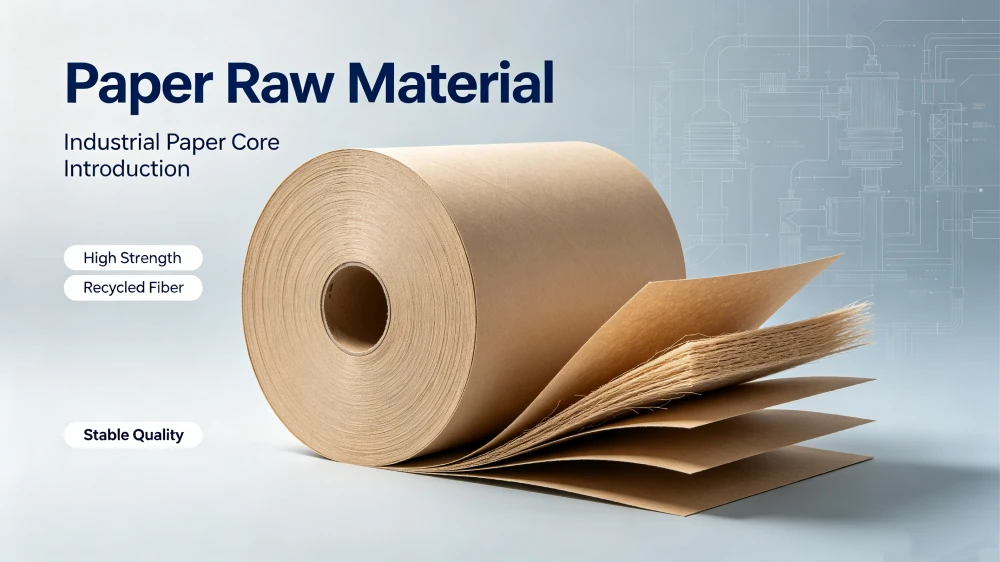
Kompatybilność materiałów wymaga szczególnej uwagi. Jakość papieru różni się w zależności od rynku, a nie każdy zakład używa tego samego gatunku tektury, poziomu wilgotności lub systemu klejenia. Maszyna powinna być odpowiednia dla surowca, który można konsekwentnie pozyskiwać. Linia, która działa dobrze tylko z papierem premium, może stać się kosztowna w eksploatacji na rynkach, na których powszechne są różnice materiałowe.
Poziom automatyzacji wpływa również na rentowność. Niektórzy nabywcy preferują niższy koszt początkowy przy bardziej ręcznej obsłudze. Inni chcą bardziej zautomatyzowanego formowania, cięcia i przenoszenia, aby zmniejszyć zależność od siły roboczej i poprawić spójność. Żadne z tych podejść nie jest uniwersalnie właściwe. Na rynkach o niskich kosztach pracy i dostępnych operatorach, półautomatyczna konfiguracja może mieć sens komercyjny. W zakładach koncentrujących się na dużych ilościach, powtarzalności i ściślejszym nadzorze, wyższa automatyzacja często zapewnia lepszą długoterminową wartość.
Dlaczego stabilność maszyny ma większe znaczenie niż jej szybkość
W sprzedaży przemysłowej szybkość jest łatwa do zareklamowania. Stabilność jest trudniejsza do udowodnienia, ale ma większe znaczenie w codziennej produkcji. A maszyna do produkcji stożków papierowych która działa z realistyczną, stałą wydajnością z mniejszą liczbą przestojów, zwykle przewyższa szybszą maszynę, która wymaga ciągłej interwencji.
Jest to szczególnie prawdziwe, gdy kupujący porównują oferty od dostawców fabrycznych i firm handlowych. Na papierze kilka maszyn może wyglądać podobnie. W praktyce różnice ujawniają się w sztywności ramy, dokładności formowania, jakości układu napędowego, standardach podzespołów elektrycznych i innych parametrach. kontrola przyczepności. Punkty te wpływają na wibracje, zużycie, częstotliwość konserwacji i konsystencję produktu.
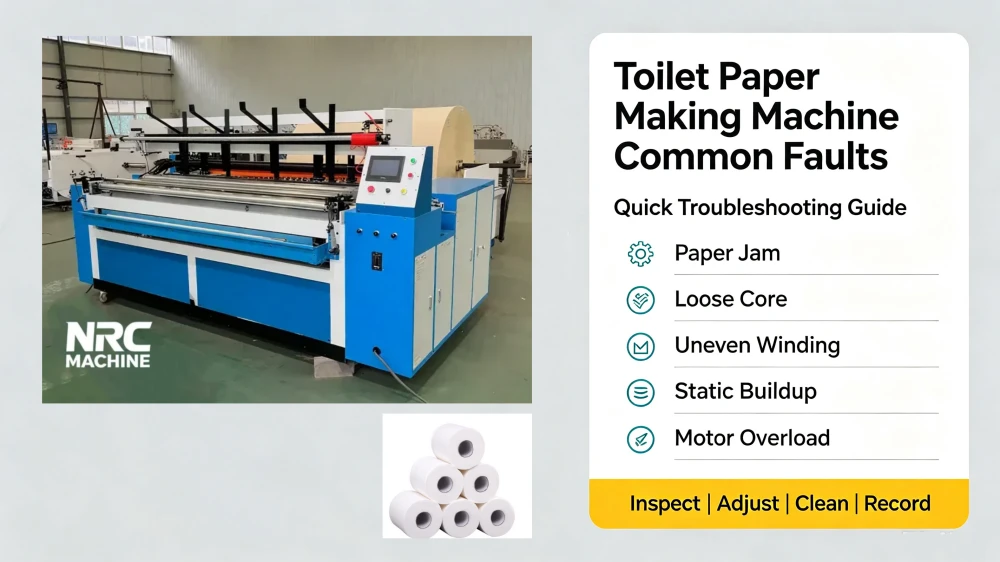
Dla właścicieli fabryk przestoje to nie tylko kwestia techniczna. Jest to problem związany z planowaniem, pracą i obsługą klienta. Gdy jedna maszyna przestaje działać, skutki tego odczuwalne są w całym harmonogramie. Dlatego doświadczeni nabywcy zadają praktyczne pytania dotyczące wydajności, wsparcia w zakresie części zamiennych, szkoleń i reakcji na usterki, a nie tylko wydajności znamionowej.
Opcje maszyn do produkcji stożków papieru dla rozwijających się fabryk
Fabryki na różnych etapach rozwoju potrzebują różnych strategii maszynowych. Startup lub mały producent często potrzebuje niezawodnego, kontrolowanego kosztowo modelu, który może produkować standardowe stożki przy niewielkim nakładzie pracy i konserwacji. Priorytetem jest wejście na rynek z akceptowalną jakością i ochrona przepływów pieniężnych.
Rozwijająca się fabryka zazwyczaj potrzebuje czegoś więcej niż tylko podstawowej produkcji. Może wymagać szybszego przezbrajania, szerszych możliwości w zakresie rozmiarów, lepszej integracji wykańczania i większej spójności dla stałych klientów. Na tym etapie maszyna staje się częścią szerszej decyzji dotyczącej planowania produkcji. Nie chodzi już tylko o produkcję stożków. Chodzi o zbudowanie bardziej niezawodnego systemu dostaw.
Większy nabywca przemysłowy może skupić się na równowadze linii, wydajności na zmianę, redukcji odpadów i dostępie do usług. Dla takiego nabywcy wsparcie techniczne, opakowanie eksportowe, dokumentacja i wskazówki dotyczące instalacji są często równie ważne, jak sama konstrukcja maszyny. Jest to jeden z powodów, dla których wielu międzynarodowych nabywców woli współpracować bezpośrednio z doświadczonym producentem zamiast kupować przez wielu pośredników.
Pytania, które kupujący powinni zadać przed złożeniem wniosku o wycenę
Dobra wycena zaczyna się od dobrych informacji o fabryce. Jeśli dostawca nie rozumie docelowych wymiarów stożka, rodzaju materiału, oczekiwanej dziennej wydajności, standardu mocy i poziomu automatyzacji, wycena może nie odzwierciedlać maszyny, której faktycznie potrzebujesz.
Przed wysłaniem zapytania należy jasno określić specyfikację stożka. Potwierdź zakres rozmiarów, cel produkcyjny na dzień lub na zmianę, GSM papieru lub konstrukcję tektury, preferencje dotyczące kleju oraz to, czy potrzebujesz samodzielnej maszyny, czy bardziej kompletnej linii z obsługą wykańczania. Weź również pod uwagę przestrzeń w fabryce, dostępnych operatorów i możliwości konserwacji.
Mądrze jest zapytać, jak maszyna radzi sobie ze zmianami rozmiaru, jakie części zużywające się są oczekiwane, jakie szkolenie jest wliczone w cenę i jakie wsparcie posprzedażowe jest dostępne na rynkach eksportowych. Dla nabywców w USA, Nigerii, Ghanie i podobnych aktywnych rynkach importowych, gotowość do wysyłki i komunikacja techniczna mogą mieć duże znaczenie po przyjeździe. Maszyna to tylko jedna część transakcji. Jakość reakcji dostawcy przed zakupem często odzwierciedla jakość wsparcia po zakupie.
Wartość bezpośrednich dostaw fabrycznych
Dla nabywców sprzętu przemysłowego bezpośrednie zaopatrzenie fabryczne może zmniejszyć zamieszanie i przyspieszyć podejmowanie decyzji. Zapewnia bardziej przejrzystą komunikację techniczną, większą kontrolę nad konfiguracją i lepszy wgląd w to, co jest zawarte w zamówieniu. Ma to znaczenie, gdy maszyna musi pasować do rzeczywistego planu produkcji, a nie do ogólnego opisu katalogowego.
Producent z doświadczeniem w eksporcie może również pomóc w ograniczeniu typowego ryzyka związanego z zakupem. Oczekiwania związane z CE, sposób pakowania, przygotowanie części zamiennych, testowanie maszyn i obsługa dokumentów wpływają na to, czy projekt przebiega sprawnie. Szczegóły te są często pomijane podczas porównywania cen, ale stają się bardzo ważne, gdy maszyna jest już w transporcie lub gotowa do instalacji.
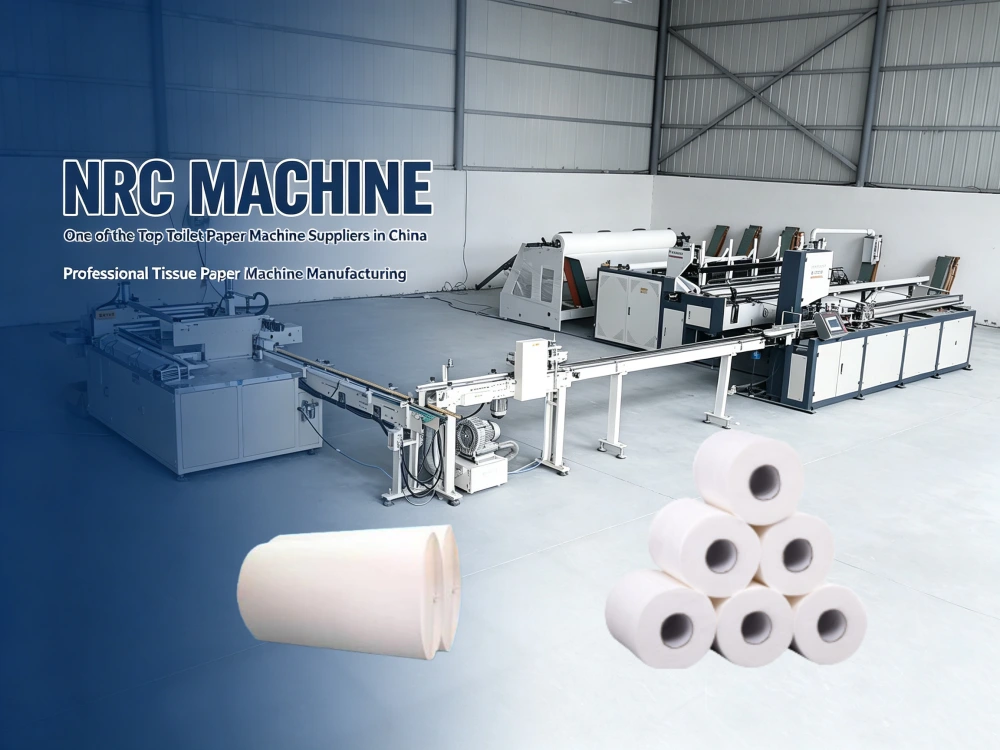
NRC Machine obsługuje tego typu nabywców, koncentrując się na praktycznych dostawach maszyn, bezpośredniej komunikacji z fabryką i wsparciu dla międzynarodowych projektów produkcyjnych w różnych kategoriach przetwarzania papieru.
Lepsza decyzja zakupowa zaczyna się od celu produkcyjnego
Odpowiednia maszyna do produkcji stożków papierowych nie jest najtańszym modelem i nie zawsze jest najbardziej zautomatyzowana. Jest to maszyna, która pasuje do materiału, celu wyjściowego, warunków pracy i wymagań jakościowych przy najmniejszym tarciu operacyjnym w czasie.
Jeśli porównujesz opcje, skup się na tym, jak maszyna będzie działać w Twojej fabryce, z Twoimi operatorami, dla Twoich specyfikacji stożka. Takie podejście prowadzi do lepszej decyzji inwestycyjnej i bardziej niezawodnej linii produkcyjnej. Gdy maszyna pasuje do zadania, wzrost staje się łatwiejszy do zarządzania i znacznie łatwiejszy do powtórzenia.