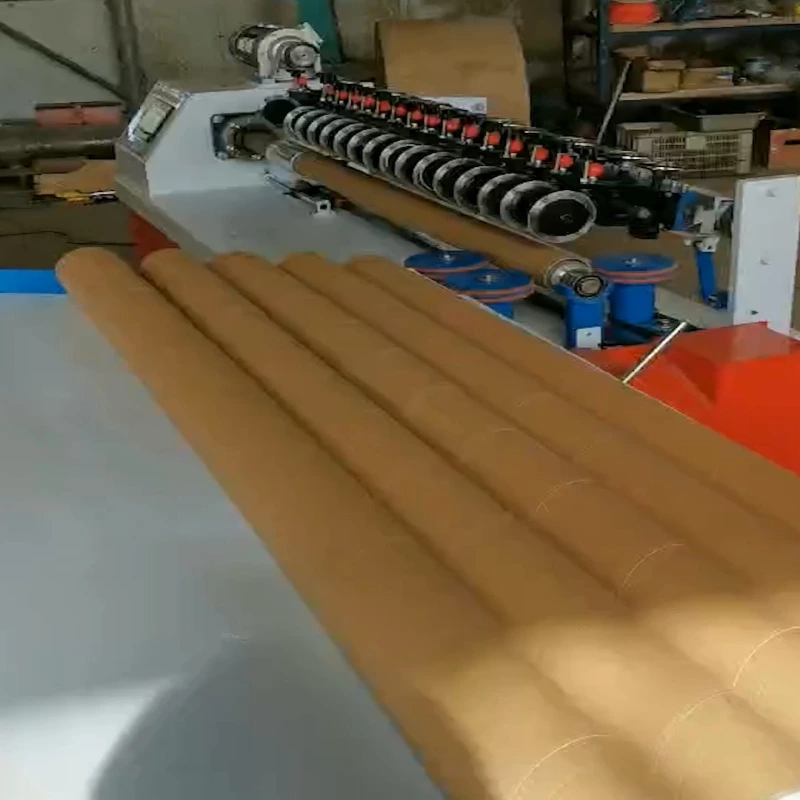
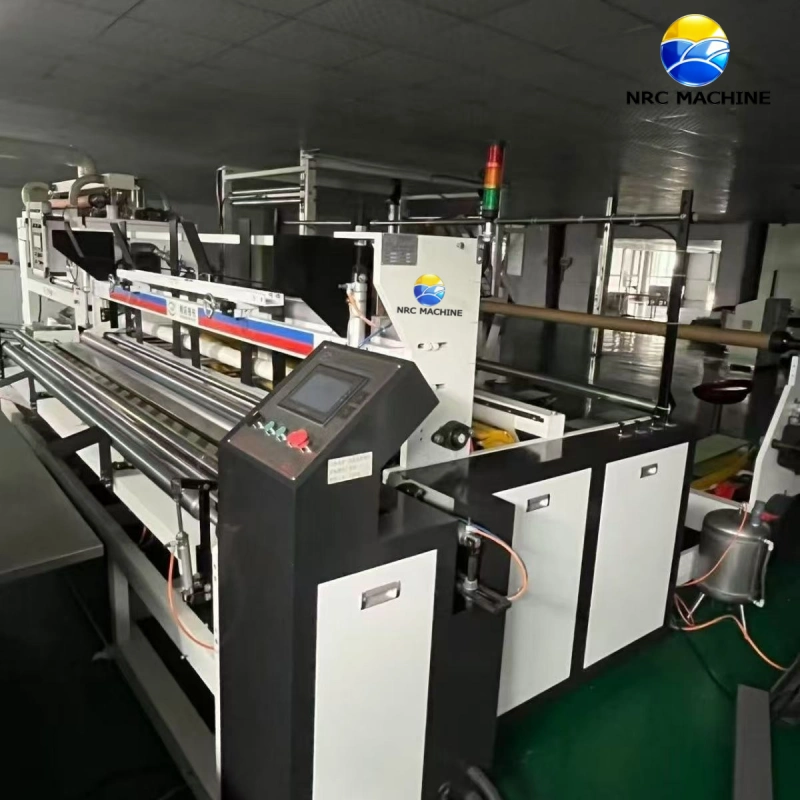
Surowiec w postaci papieru kraftowego do produkcji przemysłowych tulei papierowych – wprowadzenie
1.Papier do szpul: Optymalny Surowiec do przemysłowej produkcji tulei papierowych
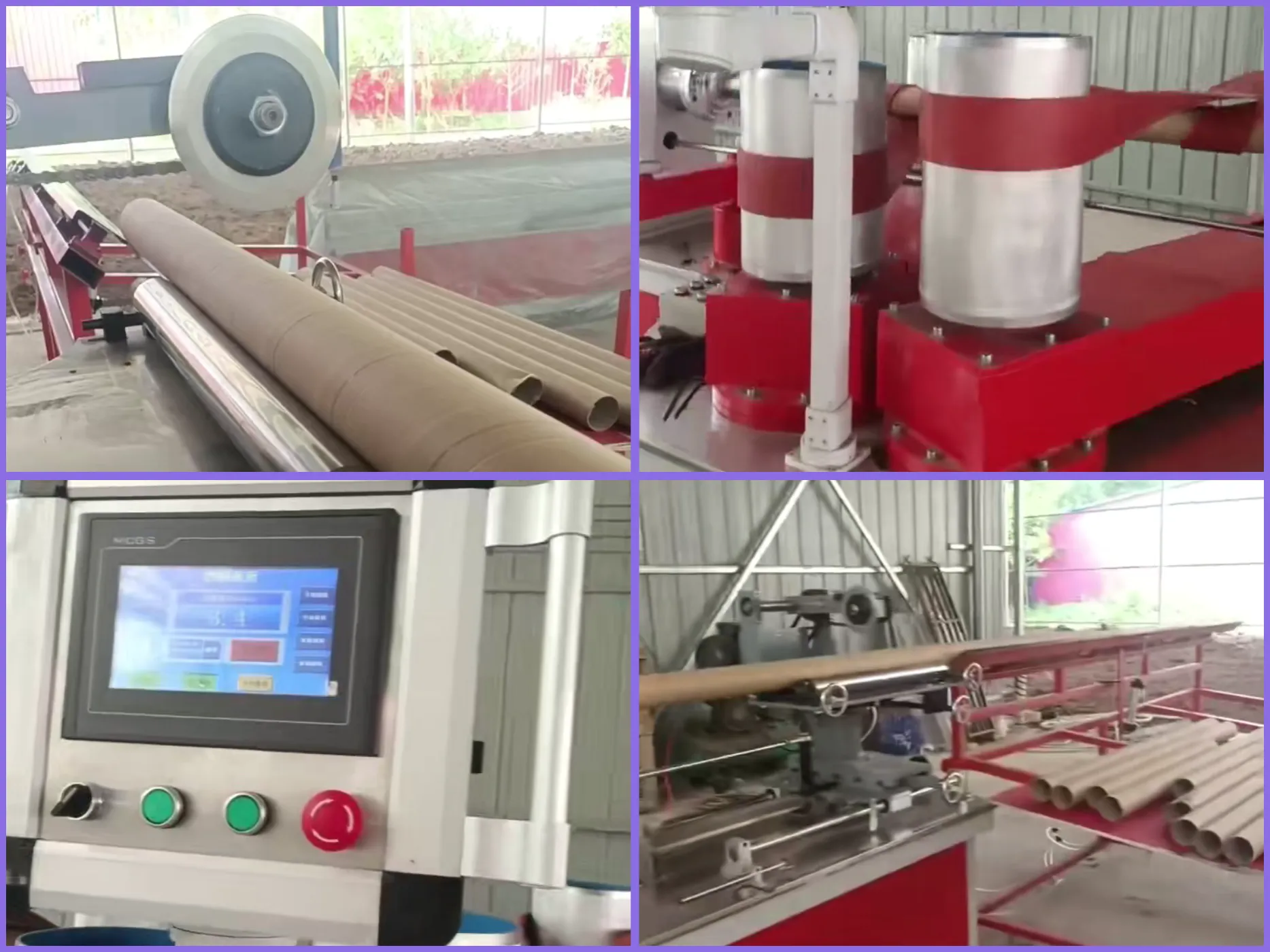
Qingdao New Richuan Precision Machinery Co., Ltd, jedna z czołowych chińskich firm dostawcy maszyn do produkcji rdzeni papierowych, radzi producenci tub papierowych w celu doboru odpowiednich surowców, co pozwoli ograniczyć odpady produkcyjne i poprawić właściwości gotowych rdzeni. Wiele zakładów błędnie stosuje zwykły papier pakowy lub tekturę do wyścielania opakowań jako materiał na rdzenie papierowe, co prowadzi do zapadania się rurek, rozwarstwiania się warstw oraz wysokiego odsetka braku na szybkich maszynach do nawijania spiralnego.
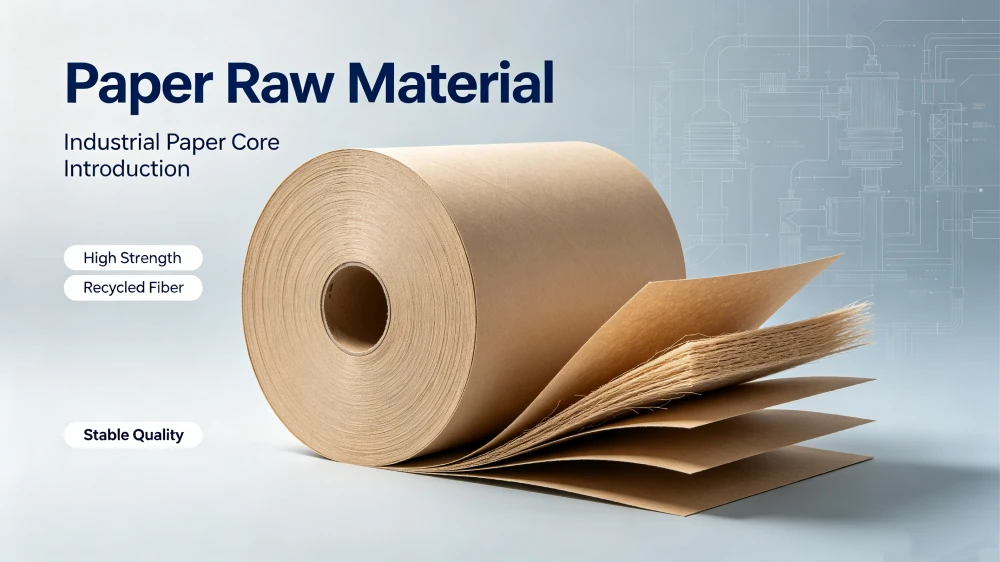
Papier na szpule to specjalnie zaprojektowana, wytrzymała tektura przeznaczona do produkcji przemysłowych rdzeni papierowych, tub na przędzę tekstylną, rdzeni do folii oraz papierowych ochraniaczy kątowych, charakteryzująca się wysoką wytrzymałością na zgniatanie pierścieniowe oraz wytrzymałością wiązania międzywarstwowego, co pozwala jej przeciwdziałać odkształceniom i rozwarstwianiu się podczas nawijania z dużą prędkością oraz układania w stosy pod dużym obciążeniem. Papier na szpule nazywany jest również papierem rurowym lub papierem rdzeniowym.
2.Najważniejsze parametry użytkowe papieru w rolkach do zastosowań przemysłowych
Papier na szpule został zaprojektowany specjalnie z myślą o procesach wielowarstwowego nawijania spiralnego i różni się od papieru opakowaniowego ogólnego przeznaczenia.
2.1 Wysoka sztywność i doskonała odporność na zgniatanie pierścieniowe
Gęsta struktura papieru zapobiega wyginaniu się i powstawaniu wgnieceń po uformowaniu rury. Doskonale sprawdza się przy układaniu w stosy ciężkich przemysłowych rdzeni papierowych o dużej średnicy.
2.2 Niezawodna wytrzymałość połączenia międzywarstwowego
Zoptymalizowany proces ubijania zapewnia spójność włókien. Zapobiega to rozwarstwianiu się i odrywaniu podczas wielowarstwowego nawijania spiralnego, co idealnie współgra z szybkimi urządzeniami do nawijania na rdzeń papierowy.
2.3 Odporny na zużycie, odporny na wilgoć i nadający się do obróbki skrawaniem
Gładka, kalandrowana powierzchnia ogranicza do minimum osadzanie się zanieczyszczeń podczas przędzenia przędzy tekstylnej z dużą prędkością. Obróbka klejem zwiększa odporność na wilgoć, zapobiegając mięknięciu w wilgotnych warsztatach. Gotowe rdzenie papierowe nadają się bezpośrednio do cięcia na tokarce i szlifowania.
2.4 Możliwość barwienia na zamówienie
Papier na szpule można barwić na kolor czerwony, żółty, niebieski, pomarańczowy i inne kolory. Zakłady tekstylne rozróżniają specyfikacje przędzy za pomocą kolorowych szpul, co zwiększa wydajność sortowania.
3. Zakresy gramatury papieru na szpule, klasy i odpowiadające im zastosowania
Wybór papieru w rolkach zależy od gramatury (g/m²) i klasy jakości. Poniżej znajduje się praktyczna tabela informacyjna:
| Zasięg sieci GSM | Główne zastosowania |
| 65–150 g/m² | Mała tuba do haftu, tuba na stożek z cienką przędzą, nawijanie z niską prędkością do niewielkich obciążeń |
| 200–300 g/m² | Rurka z włókna chemicznego typu POY / DTY, mały rdzeń foliowy, rdzeń wewnętrzny z taśmy samoprzylepnej |
| 360–430 g/m² | Rurka do przędzy tekstylnej, rdzeń do folii mulczowej, rdzeń do papieru przemysłowego ogólnego przeznaczenia (specyfikacja dla rynku głównego) |
| 480–510 g/m² | Rdzenie do dużych obciążeń przeznaczone do rolek folii ze stali nierdzewnej i aluminium, dużych rolek macierzystych do maszyn papierniczych oraz wytrzymałych papierowych osłon kątowych |
4. Trzy główne klasy jakości papieru szpulowego
- Ocena C: Zapewnia podstawową wydajność przy konkurencyjnym koszcie. Nadaje się do zastosowań przy niskich prędkościach i niewielkich obciążeniach, takich jak rurki do fajerwerków i proste rdzenie do folii.
- Klasa B: Standardowy produkt klasy przemysłowej o zrównoważonych, stabilnych parametrach. Najlepszy stosunek ceny do jakości dla większości przetwórców tkanin i folii z tworzyw sztucznych.
- Klasa A: Wysokiej jakości gatunek o dużej wytrzymałości, charakteryzujący się najwyższą gęstością, odpornością na wilgoć oraz wytrzymałością na odrywanie międzywarstwowe. Przeznaczony do szybkiego przędzenia włókien chemicznych oraz do ciężkich metalowych rdzeni cewek.
5. Przewodnik po pułapkach związanych z zaopatrzeniem w papier do szpul i kontrolą jakości
Niewłaściwe zaopatrzenie w surowce powoduje nieoczekiwane przestoje i wysoki poziom odpadów na linii produkcyjnej rdzeni papierowych. Należy przestrzegać poniższych praktycznych wskazówek.
5.1 Uważaj na fałszywe oznaczenia GSM
Fizyczne ważenie wyrywkowych próbek przy dostawie. Dopuszczalna tolerancja wagi powinna mieścić się w zakresie ±5%. Niedowaga tektury bezpośrednio zmniejsza nośność rdzenia papierowego.
5.2 Obowiązkowa weryfikacja indeksu technicznego
Przed złożeniem zamówienia poproś dostawcę papieru o dostarczenie raportów z badań. Zwróć szczególną uwagę na wytrzymałość na zgniatanie pierścieniowe w kierunku poprzecznym i wzdłużnym oraz wytrzymałość na odrywanie międzywarstwowe. Prosty test, który można przeprowadzić na miejscu: mocno zgnij papier; papier z rolki spełniający wymagania zgina się płynnie, bez rozwarstwiania.
5.3 Ściśle kontrolować zawartość wilgoci
Standardowa zawartość wilgoci: 6%–8%. Zbyt wysoka wilgotność powoduje, że rdzenie papierowe stają się miękkie i odkształcone. Zbyt niska wilgotność sprawia, że papier staje się kruchy, co prowadzi do odprysków i pęknięć podczas cięcia.
5.4 Dopasuj klasę do rzeczywistych warunków pracy
Nie należy bezkrytycznie obniżać klasy jakości tylko w celu obniżenia kosztów. Klasę C należy wybierać do zadań wykonywanych z niską prędkością i przy niewielkim obciążeniu; klasę B – do standardowej produkcji seryjnej; natomiast klasa A jest niezbędna w przypadku szybkiego przędzenia lub rdzeni cewek przeznaczonych do pracy w trudnych warunkach.
6. Przegląd rynku papieru w rolkach (początek września 2026 r.)
Obecna sytuacja na rynku papieru w rolkach charakteryzuje się słabą równowagą podaży i popytu, wynikającą z kosztów surowców, przy wąskim zakresie wahań cen.
- Średnia krajowa cena rynkowa: około 500 USD/ MT
- Główna cena transakcyjna we wschodnich Chinach: USD500‑600/ MT
- Dynamika rynku: Niski wolumen obrotu w sierpniu; zakłady produkujące rdzenie papierowe na dalszym etapie łańcucha dostaw dokonują zakupów wyłącznie na bieżące zapotrzebowanie, bez gromadzenia dużych zapasów. Na początku września odnotowano niewielki spadek cen (20–30 USD/MT) papieru szpulowego klasy C w prowincji Hebei; ceny we wschodnich Chinach nieznacznie spadły, a ogólna sytuacja na rynku pozostaje stabilna, bez wyraźnej tendencji.
- Logika rynkowa: Koszty surowców do produkcji płyt odpadowych nieznacznie spadają, podczas gdy branża tekstylna powoli wkracza w szczyt sezonu, jednak popyt pozostaje na niskim poziomie, co powoduje ciągłą grę między podażą a popytem.
7. Papier szpulowy a papier pakowy i tektura podkładowa: kluczowe różnice
Wielu nabywców, kierując się oszczędnością, próbuje zastąpić papier szpulowy zwykłym papierem pakowym lub tekturą do wyścielania opakowań, co powoduje nadmierne straty produkcyjne.
- VS Papier pakowy: Papier pakowy charakteryzuje się wysoką wytrzymałością na rozciąganie i rozdarcie, jednak jego sztywność przy zgniataniu pierścieniowym jest znacznie niższa niż w przypadku papieru na szpule. Grubościenne tuleje papierowe wykonane z papieru pakowego mają tendencję do łatwego zapadania się.
- VS – tektura falista do opakowań kontenerowych: Zwykła tektura linera charakteryzuje się słabą przyczepnością międzywarstwową. Podczas nawijania wielowarstwowego łatwo ulega rozwarstwieniu i nie nadaje się do stosowania w maszynach do produkcji rdzeni papierowych pracujących z dużą prędkością.
- Zalety papieru w rolkach: Opracowany specjalnie z myślą o technologii spiralnego nawijania wielowarstwowego. Kompaktowy, jednolity arkusz gwarantuje okrągłość i stabilny wyważenie dynamiczne gotowych rdzeni papierowych.
8. Często zadawane pytania (FAQ)
Pytanie 1: Czy mogę użyć papieru kraftowego zamiast papieru na szpule do przemysłowych tulei papierowych?
A1: Nie zaleca się stosowania w przypadku produkcji wymagającej dużej wytrzymałości lub odbywającej się z dużą prędkością. Papier pakowy nie charakteryzuje się wystarczającą sztywnością przy zgniataniu pierścieniowym, więc rdzenie papierowe ulegną zgnieceniu pod wpływem ułożenia w stos lub dużego obciążenia podczas nawijania.
Pytanie 2: Jaki papier na szpule GSM powinienem wybrać do produkcji rdzeni wewnętrznych taśm?
A2: Papier w rolkach klasy B o gramaturze 200–300 g/m² stanowi najczęściej stosowany materiał na rdzenie taśm samoprzylepnych.
Pytanie 3: Dlaczego rdzenie papierowe pękają podczas cięcia?
A3: Przyczyną jest zazwyczaj zbyt niska wilgotność papieru w rolce (poniżej 6%). Należy utrzymywać wilgotność surowca w zakresie 6–8%.
Pytanie 4: Czy papier na szpule klasy A jest zawsze niezbędny do produkcji wszystkich wyrobów z rdzeniem papierowym?
A4: Należy dobrać klasę w zależności od obciążenia i prędkości. Klasa B spełnia większość wymagań dotyczących rdzeni papierowych do zastosowań przemysłowych ogólnego przeznaczenia, zapewniając lepszy stosunek ceny do jakości.
Pytanie 5: Jak szybko sprawdzić wytrzymałość połączenia międzywarstwowego w terenie?
A5: Należy mocno zgiąć próbkę papieru. Jeśli warstwy się rozdzielą, oznacza to, że wiązanie międzywarstwowe nie spełnia wymagań i papier nie nadaje się do stosowania w szybkich nawijarkach.
9. Uwagi końcowe
Jakość surowca ma bezpośredni wpływ na wydajność produkcji rdzeni papierowych oraz stabilną pracę maszyny do ich wytwarzania. Jako profesjonalny producent urządzeń do produkcji rdzeni papierowych firma Qingdao Xinrich Precision Machinery Co., Ltd zaleca dopasowanie gramatury (GSM) i klasy papieru szpulowego do docelowej specyfikacji gotowego rdzenia, zamiast ślepego dążenia do najniższej ceny materiału.
W razie potrzeby możemy udostępnić gotową do użycia listę kontrolną do kontroli przychodzących szpul papieru dla Państwa zespołu ds. zaopatrzenia. Prosimy o kontakt, jeśli potrzebują Państwo dodatkowego wsparcia w zakresie maszyn do produkcji rdzeni papierowych oraz surowców.