
Toilet Tissue Paper Embossing and Printing Machine for Making Kitchen Towel
Overview
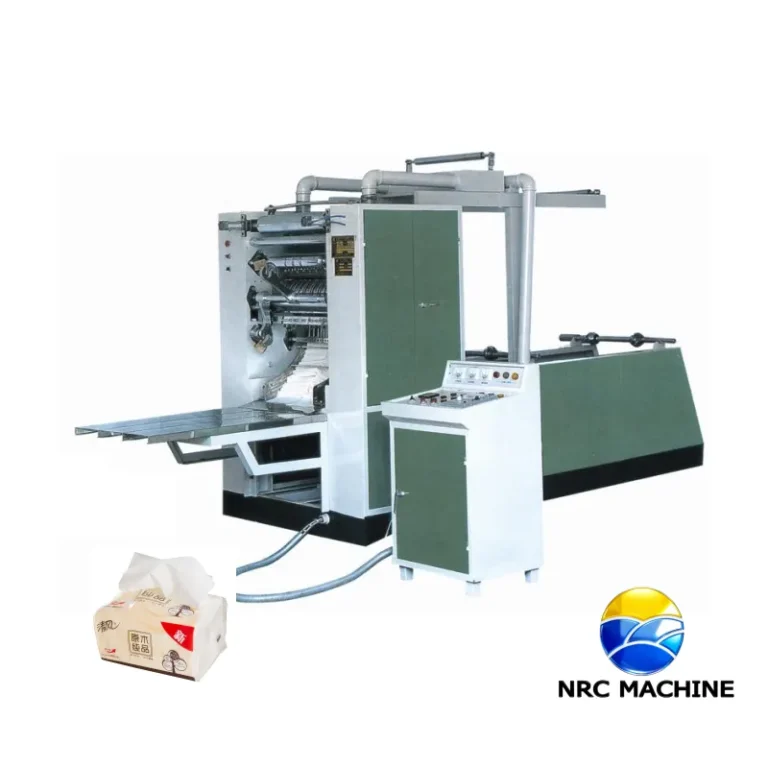
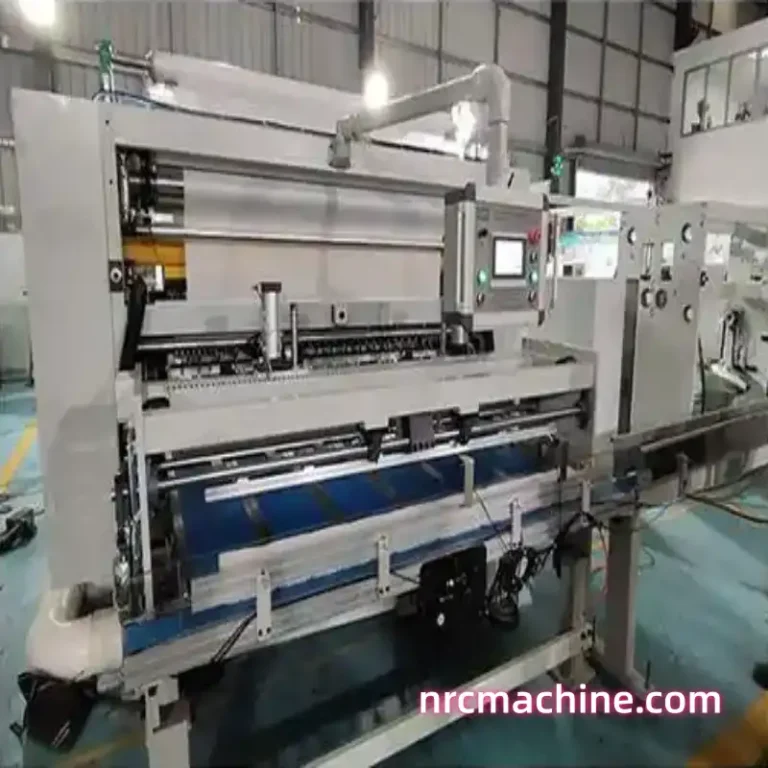
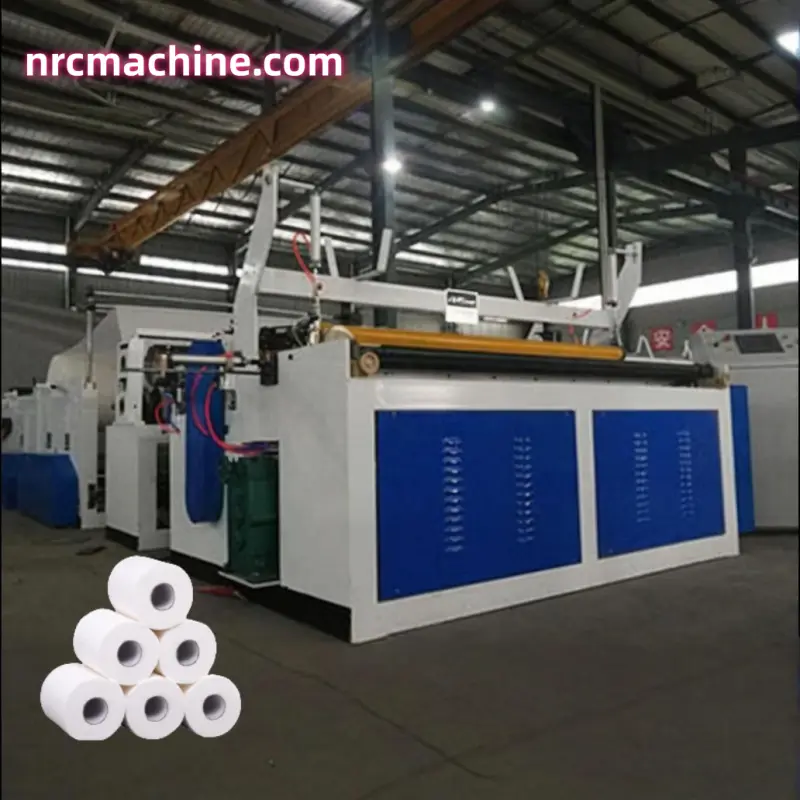
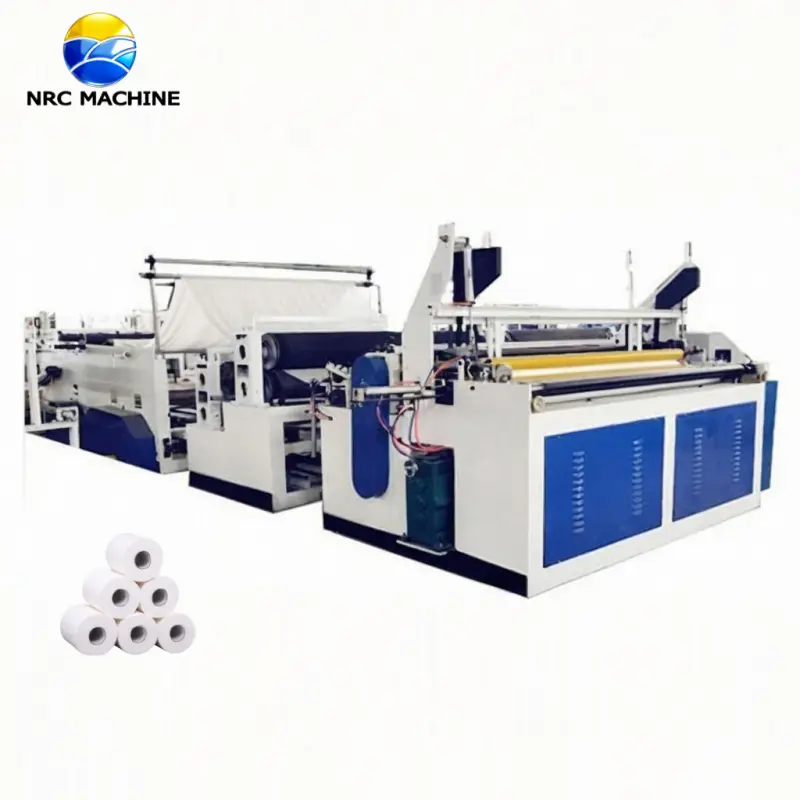
A toilet tissue paper embossing and printing machine for making kitchen towel production is a specialized industrial device that enhances the appearance and functionality of paper towels. It combines embossing—creating raised patterns—and printing—applying designs or text—onto tissue paper, transforming plain rolls into market-ready kitchen towels. This machine is crucial in the paper product industry, catering to consumer demand for both aesthetic appeal and practical performance.
Key Components and Working Principle
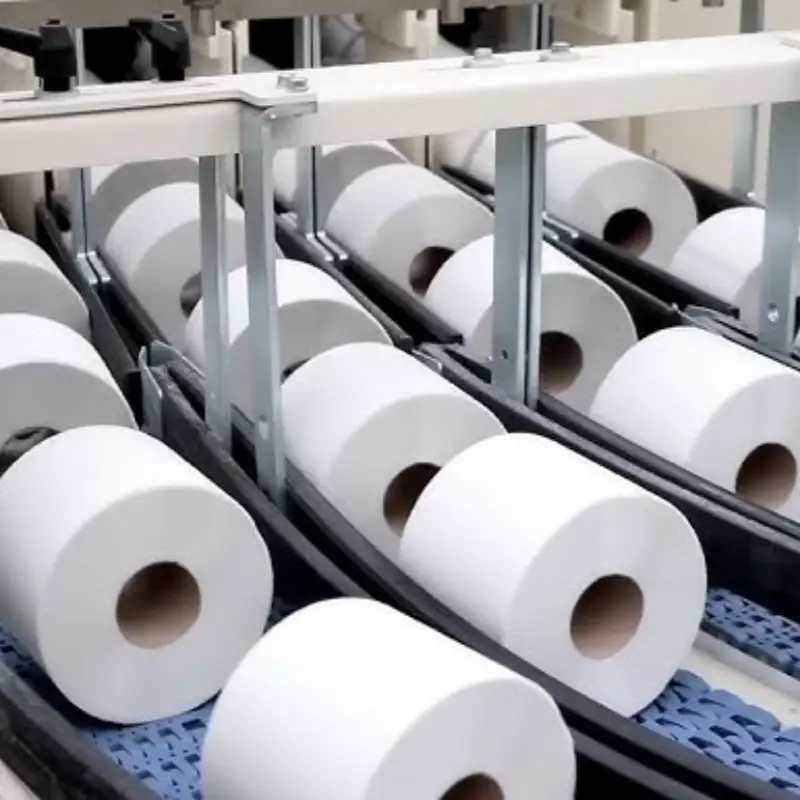
The machine comprises several core parts: an unwinding unit, embossing rollers, a printing unit, a drying system, and a rewinding unit. First, the unwinding unit feeds the base tissue paper roll. Then, the embossing rollers, often engraved with custom patterns, press the paper to form textured designs, improving absorbency and softness. Next, the printing unit, equipped with flexographic or gravure technology, applies water-based or oil-based inks to print logos, patterns, or messages. After printing, the drying system removes moisture from the ink, ensuring quick fixation. Finally, the rewinding unit collects the finished paper into rolls for further processing.
Technical Features and Advantages
This machine boasts advanced technical features. It supports high-speed operation, with production speeds reaching 200-300 meters per minute, significantly boosting efficiency. Its precision control system ensures consistent pattern alignment and ink distribution, minimizing waste. Additionally, the machine is adaptable to various paper weights (typically 25-40 gsm) and widths (up to 3.5 meters), accommodating diverse product specifications. The use of eco-friendly inks and low-energy drying methods also aligns with sustainable manufacturing trends, reducing environmental impact.
Application and Market Value
In the kitchen towel market, this machine enables manufacturers to differentiate their products. Embossed patterns not only enhance visual appeal but also increase the paper’s surface area, boosting absorbency—a key selling point. Custom printing allows brands to showcase logos, usage instructions, or decorative designs, strengthening brand identity and consumer recognition. As kitchen towels are widely used in households and commercial kitchens, this machine helps producers meet market demands for high-quality, visually appealing products, ultimately driving sales and market competitiveness.
Maintenance and Future Trends
Regular maintenance is vital for optimal performance. Operators should clean the embossing rollers and printing unit after each production run to prevent ink buildup and ensure print quality. Lubricating moving parts and checking electrical connections also prolong the machine’s lifespan. Looking ahead, future trends may include integrating smart control systems for real-time monitoring and predictive maintenance, as well as developing machines that use even more sustainable materials and inks to meet evolving environmental standards.
Technical Parameter
| Model | 1880mm ~2100mm |
| Applicable Raw Paper | 2-3 plies 14~23g/㎡Wood pulp paper |
| Finshed product | Toilet rolls with core /without core |
| Raw Paper Width | Max 2100mm |
| Raw Paper Dia | Max2100mm |
| Finished Size | Φ60~130 mm |
| Finished Core Dia | Φ35mm-Φ50mm |
| Raw Paper Core Dia | 3”(76.2 mm) |
| Perforation | Spiral perforating knife,Chain wheel positioning
|
| Production Speed | 200 m/min |
| Power | 12kw |
| Parameter Design | LCDTouch Screen |
| Control | PLC |
| Paper Feeding | 3 Unwinding stands,controlled by pneumatic |
| Air Pressure | 0.5 Mps |
| Power | 380V,50hz |