Покупатель, спрашивающий о цене машины для производства ноутбуков, обычно не ищет одно число. Они пытаются ответить на более практичный вопрос - во сколько обойдется моему заводу покупка, эксплуатация и масштабирование этой машины в течение следующих нескольких лет?
Это правильный вопрос. При производстве ноутбуков цена сильно варьируется в зависимости от типа машины, уровня автоматизации, целевого объема производства, а также от того, покупаете ли вы отдельный аппарат или создаете целую линию. Низкая начальная цена может показаться привлекательной на этапе запроса, но впоследствии стать дорогой, если спрос на рабочую силу высок, гибкость формата ограничена или послепродажная поддержка слаба.
Что на самом деле включает в себя цена машины для производства ноутбуков
Первая ошибка, которую совершают многие покупатели, - это сравнение только цены машины. В промышленных закупках эта цифра имеет значение, но она не является полной основой затрат.
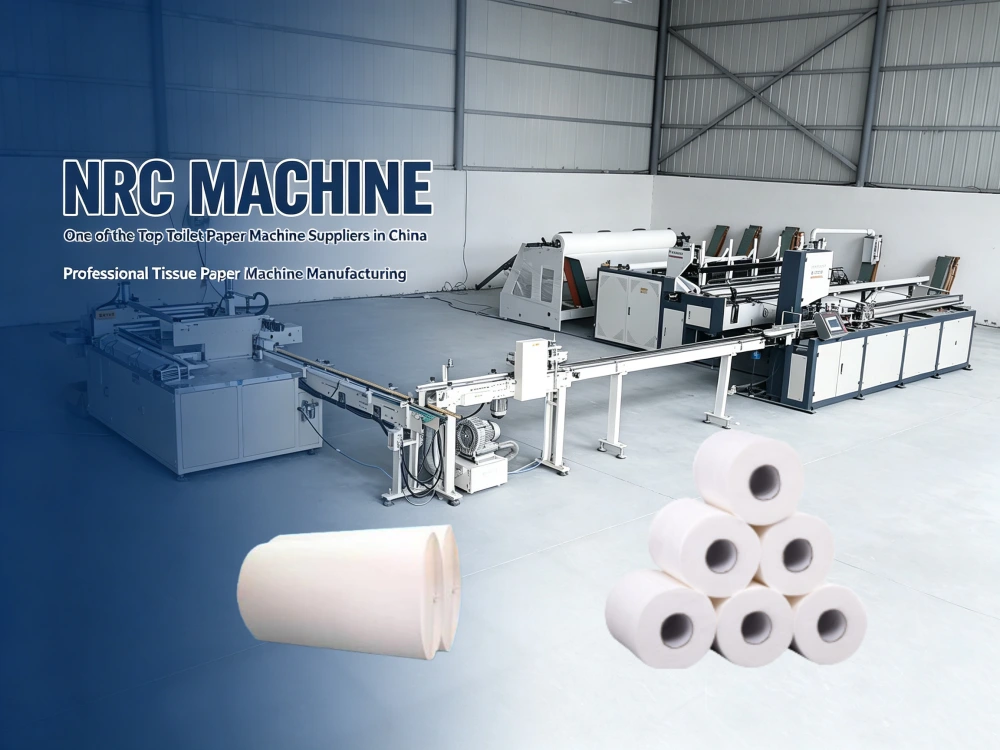
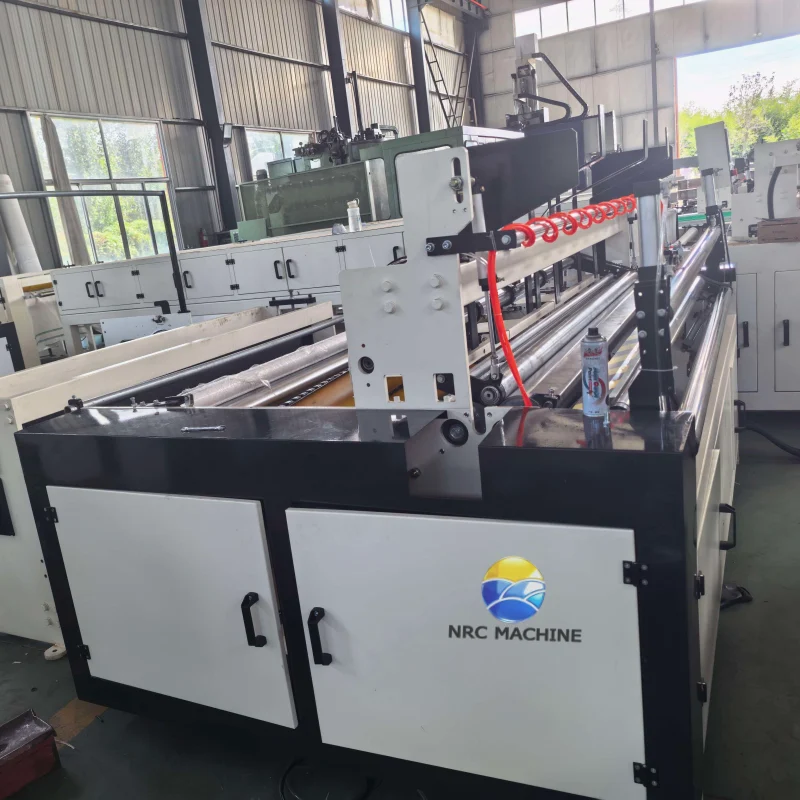
Производственный процесс может включать подачу бумаги, линовку, подачу обложки, сшивание или спиральный переплет, фальцовку, прессование, обрезку, подсчет и укладку. Некоторым покупателям требуется только одна часть этого рабочего процесса. Другим нужна интегрированная производственная линия. Одно только это различие может перевести цену машины для производства блокнотов из разряда инвестиций начального уровня в разряд капитальных вложений в полноценное заводское производство.
Экспортная упаковка, изменения в электрических стандартах, запасные части, поддержка при вводе в эксплуатацию и обучение оператора также влияют на окончательное предложение. Две машины могут выглядеть одинаково на фотографиях, но существенно отличаться по тому, что входит в комплект поставки для обеспечения готовности к производству.
Основные факторы, которые изменяют ноутбук делая машину цена
Тип машины и производственный процесс
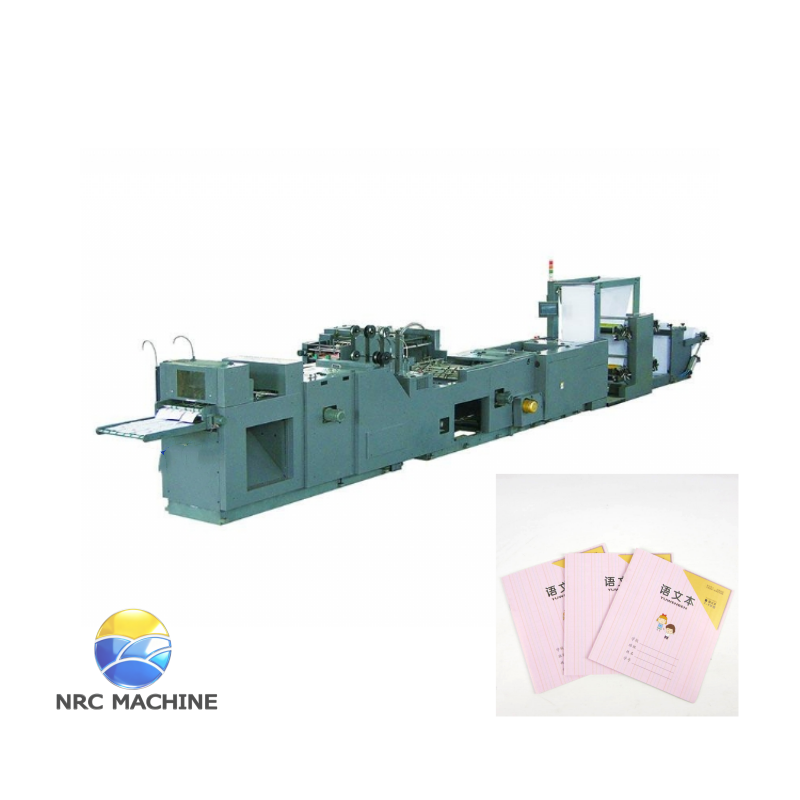
Не все ноутбуки выполняют одну и ту же работу. Простая машина для сшивания тетрадей стоит совсем не так, как полностью автоматическая. Линия по производству ноутбуков подает бумагу, выравнивает подписи, сшивает, фальцует, обрезает и выдает готовые книги.
Если в ассортимент вашей продукции входят школьные тетради, офисные блокноты, тетради для записей или тетради нестандартного формата, спецификация машины изменится. Системы тетрадей на спирали, системы центрального сшивания и линии тетрадей в мягкой обложке подчиняются разной логике производства, и цены соответствуют этой сложности.
Уровень автоматизации
Автоматизация - один из самых больших факторов, определяющих затраты. Полуавтоматические машины обычно имеют более низкую цену, но они требуют больше операторов и больше ручных операций между этапами. Полностью автоматические системы стоят дороже, однако они часто позволяют сократить расходы на оплату труда, улучшить согласованность и повысить стабильность производства.
Для заводов с небольшим ежедневным объемом производства или низкой стоимостью рабочей силы может иметь смысл использовать полуавтоматическое оборудование. Для заводов, ориентированных на крупные заказы, экспортные контракты или программы розничных поставок, более высокий уровень автоматизации часто является лучшим коммерческим решением.
Скорость производства и дневная производительность
Ожидаемая производительность имеет большее значение, чем многие начинающие покупатели думают. Машина, созданная для умеренного производства, не может быть просто переведена в режим крупносерийной работы без ущерба для износа, времени простоя и качества продукции.
В более высокоскоростных машинах для производства ноутбуков используются более прочные конструкции, более совершенные системы управления и более точная синхронизация. Это повышает цену машины для производства ноутбуков, но также меняет экономику производства. Если одна машина может заменить несколько менее производительных устройств, капитальные затраты могут быть оправданы.
Диапазон размеров и форматов ноутбуков
Некоторые покупатели производят школьные тетради одного стандартного размера в течение всего года. Другие поставляют продукцию дистрибьюторам и нуждаются в нескольких размерах, количестве страниц и типах обложек. Машина с более широкой регулировкой размера, более быстрой переналадкой и лучшим контролем регистрации будет стоить дороже узкоформатной модели.
Гибкость ценна, но только если она вам нужна. Платить за широкоформатные возможности, которые ваша фабрика будет использовать редко, неэффективно. Именно поэтому правильное коммерческое предложение должно начинаться со спецификаций вашего целевого ноутбука, а не просто с запроса на самую дешевую машину.
Совместимость материалов
Бумага GSM, толщина картона обложки, способ линовки и стиль переплета - все это влияет на конфигурацию машины. Если вы планируете обрабатывать бумагу различной плотности или более тяжелые материалы обложки, машине могут потребоваться модернизированные подающие устройства, более мощные сшивающие головки или различные компоненты обрезки.
Это еще одна область, где сравнение низких цен может ввести в заблуждение. Машина, предназначенная для работы с легкими материалами, может оказаться неподходящей для реальной продукции, которую вы хотите продавать.
Качество сборки, элементы управления и компоненты
Промышленные покупатели знают, что цена машины и ее стоимость - не одно и то же. Конструкция рамы, качество подшипников, электрические компоненты, системы управления ПЛК, марка двигателя и конструкция безопасности - все это имеет значение.
Более дешевая машина может снизить ваши первоначальные инвестиции, но если запасные части отсутствуют или работа системы управления нестабильна, ваши эксплуатационные расходы быстро возрастут. В производстве ноутбуков остановки влияют на сроки поставки, использование рабочей силы и доверие клиентов.
Послепродажное обслуживание и поддержка экспорта
Для международных покупателей сервисная поддержка является частью стоимости машины. Быстрая техническая реакция, четкая документация, наличие запасных частей и опыт экспорта могут оправдать более высокое предложение.
Если поставщик не может обеспечить установку, обучение или устранение неполадок после отгрузки, кажущаяся экономия может исчезнуть. Это еще более важно для покупателей на растущих рынках, где каждый потерянный день производства напрямую влияет на денежный поток.
Низкая цена против правильной цены
На рынке всегда есть предложения по низким ценам. Вопрос в том, соответствуют ли эти предложения вашей производственной цели.
Если вы запускаете небольшое подразделение по производству ноутбуков с ограниченным количеством SKU и умеренным объемом выпуска, то правильной ценой может стать установка начального уровня или полуавтоматическая установка. Если вы поставляете продукцию оптовикам, по государственным контрактам, по каналам школьной дистрибуции или нескольким региональным покупателям, правильная цена обычно означает вложение средств в более мощную автоматизацию, повышение пропускной способности и более надежную поддержку.
Более эффективным подходом является расчет цены с учетом объема производства, трудозатрат, отходов, технического обслуживания и объема заказов. Машина, которая стоит дороже, но обеспечивает стабильное производство и меньшее количество отходов, со временем может оказаться более дешевым активом.
Как сравнить котировки цен на машины для производства ноутбуков
Серьезный покупатель должен сравнивать предложения построчно, а не заголовок за заголовком. Спросите, какие этапы производства включены, а какие остаются ручными. Уточните диапазон размеров тетрадей, скорость, способ переплета и необходимое количество операторов.
Также необходимо проверить напряжение, частоту, установленную мощность, потребность в воздухе, площадь помещения и рекомендуемые запасные части. Если одно предложение включает руководство по вводу в эксплуатацию, оснастку и упаковку, готовую к экспорту, а другое - нет, эти предложения не равны, даже если фотографии станков выглядят одинаково.
Обратите внимание на пригодность образцов. Образец должен быть оценен по стилю, количеству страниц, материалу обложки и стандарту качества готовой продукции. Если поставщик не может четко соответствовать вашим производственным требованиям, предложение будет неполным.
Когда полная линия имеет больше смысла, чем одна машина
Некоторые покупатели начинают с того, что запрашивают одну машину для производства ноутбуков, а затем понимают, что им нужно еще и оборудование для производства вышестоящих или нижестоящих систем. Это обычное явление.
Если ваш производственный план включает резка бумаги, Приобретение оборудования по отдельности из нескольких источников может привести к проблемам совместимости: линовка, обработка обложек, переплет, прессование, обрезка и упаковка. Комплексная линия часто улучшает рабочий процесс, уменьшает количество переносов и упрощает техническую ответственность.
Для растущего предприятия это может быть более разумным способом контроля затрат. Инвестиции на начальном этапе будут выше, но интеграция линий часто улучшает планирование выпуска и сокращает количество узких мест.
Типичные профили покупателей и ценовые ожидания
Предприниматели-стартаперы обычно ориентируются на начальную стоимость, управляемую рабочую силу и быстрый запуск продукта. В этом случае для начала тестирования рынка может быть достаточно полуавтоматической или компактной установки для ноутбука.
Дистрибьютор или уже состоявшийся производитель бумаги обычно обращает внимание на объем, диапазон форматов и повторяемость. Такого покупателя меньше волнует самая низкая цена машины и больше - способно ли оборудование поддерживать стабильное ежедневное производство.
Владелец фабрики, перешедший на выпуск тетрадей из смежных видов бумажной продукции, может уже понимать экономику конверсии. Для такого покупателя цена машины для производства ноутбуков оценивается с точки зрения окупаемости мощностей, диверсификации продукции и контроля цепочки поставок.
Это разные ситуации покупки, и их не следует сводить к одному ценовому ответу.
Почему технические характеристики должны быть выше цены
Запрос цены без подробностей производства обычно приводит к получению расплывчатого числа, которое не пригодится при закупках. Лучший запрос включает в себя тип блокнота, способ переплета, размер листа, размер готовой продукции, ожидаемый ежедневный объем выпуска, бумагу GSM, материал обложки и целевой рынок.
Имея такую информацию, производитель может порекомендовать подходящую конфигурацию вместо того, чтобы отправлять типовое предложение. Это экономит время и помогает избежать недопокупки или перепокупки.
В NRC Machine именно так должны начинаться серьезные обсуждения оборудования - с реальных требований завода, а не просто с первой цены на странице.
Что спрашивают умные покупатели, прежде чем запросить окончательное предложение
Прежде чем приступить к работе, уточните, является ли машина полуавтоматической или полностью автоматической, какая производительность реальна при регулярной работе, как происходит смена формата и какая техническая поддержка предоставляется после отгрузки. Спросите, какие расходные материалы и запасные части обычно требуется в течение первого года.
По возможности вам также следует запросить рекомендации по производству, видеозаписи работы оборудования и подтверждение образцов. Для покупателей-экспортеров способ упаковки, время выполнения заказа и помощь в установке должны быть частью коммерческого обсуждения, а не второстепенным вопросом.
Ноутбук - это не просто покупка. Это производственное решение, которое влияет на планирование трудозатрат, выполнение заказов и долгосрочные производственные расходы. Лучшая цена - это та, которая соответствует вашему продукту, объему и плану развития, не создавая при этом проблем, которых можно избежать через полгода после установки.
Если вы оцениваете оборудование для производства ноутбуков, начните с цели производства, которую вам нужно достичь. Правильное предложение будет иметь гораздо больше смысла, когда машина будет соответствовать бизнесу, который вы хотите построить.