Introduction: Meeting Rising Demand with Affordable Innovation
Toilet Paper Making Machine for Small Business: A Game-Changer in the Hygiene Industry.In the wake of heightened global awareness around hygiene and sanitation, the demand for essential paper products—especially toilet paper—has surged. While large-scale manufacturers dominate the market, a new wave of entrepreneurship is emerging through small businesses leveraging compact, efficient toilet paper making machines. These machines are empowering startups and micro-enterprises to enter the hygiene products sector with minimal capital, offering a sustainable and profitable business model.
From rural communities to urban entrepreneurs, the accessibility of toilet paper making technology is reshaping how essential goods are produced and distributed.
The Rise of Compact Toilet Paper Making Machines
Gone are the days when paper production was limited to massive factories with multi-million-dollar equipment. Technological advancements have led to the development of compact, semi-automatic, and fully automatic toilet paper making machines tailored for small-scale operations.
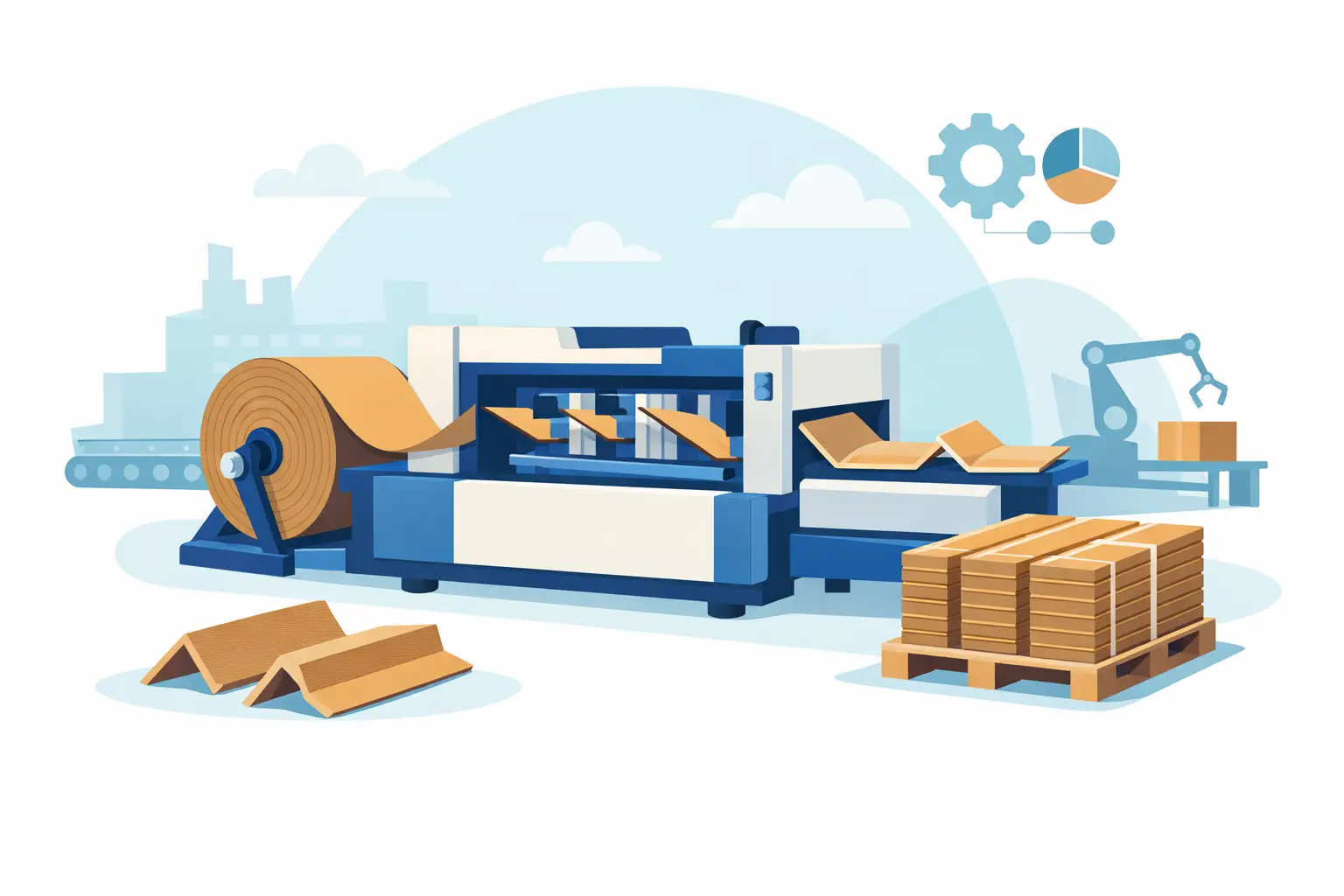
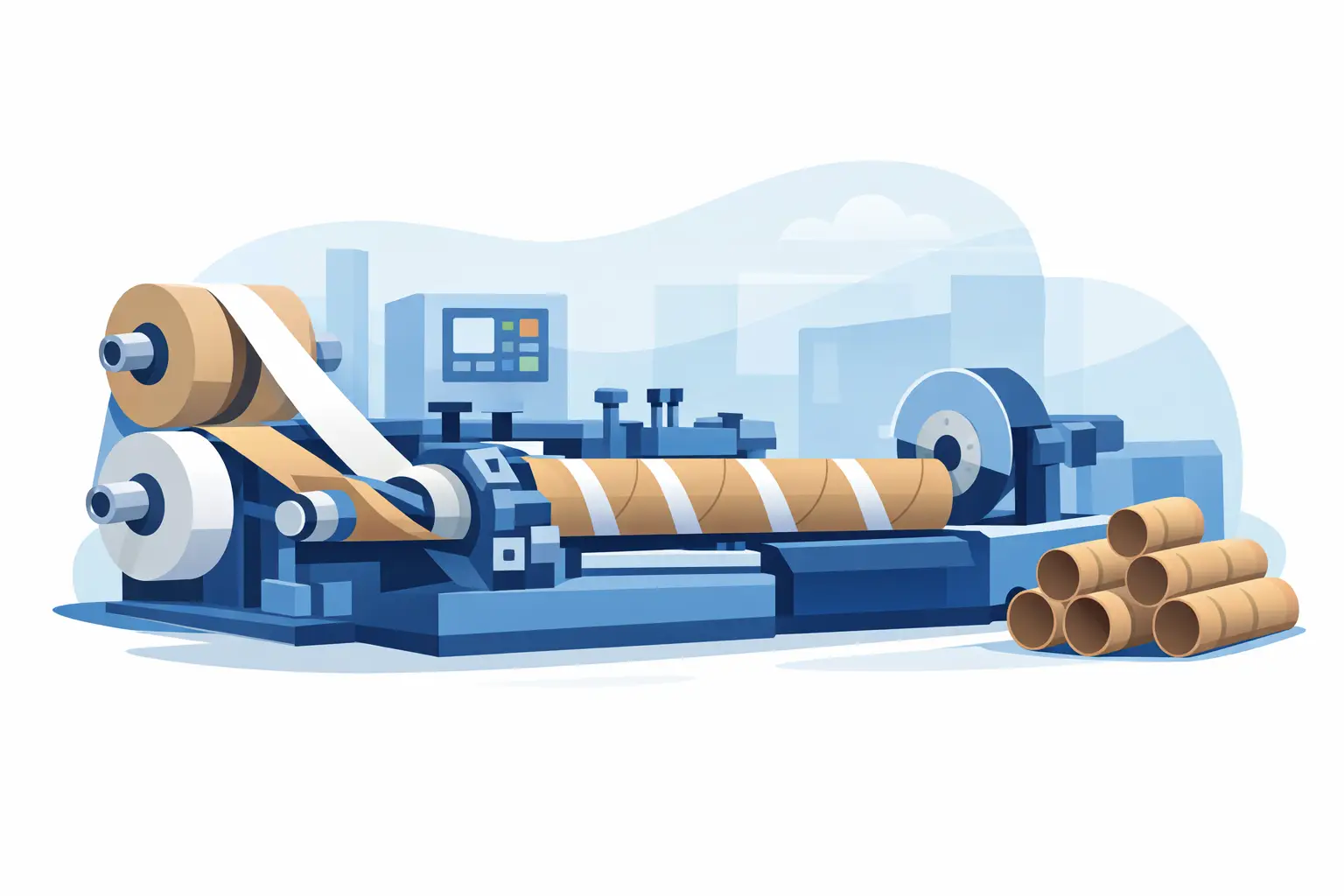
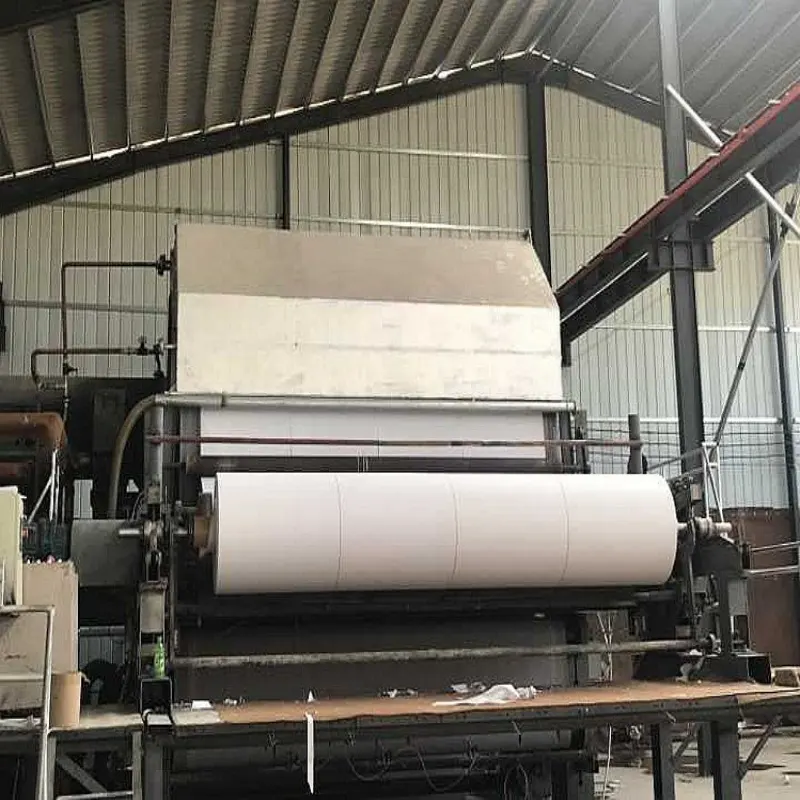
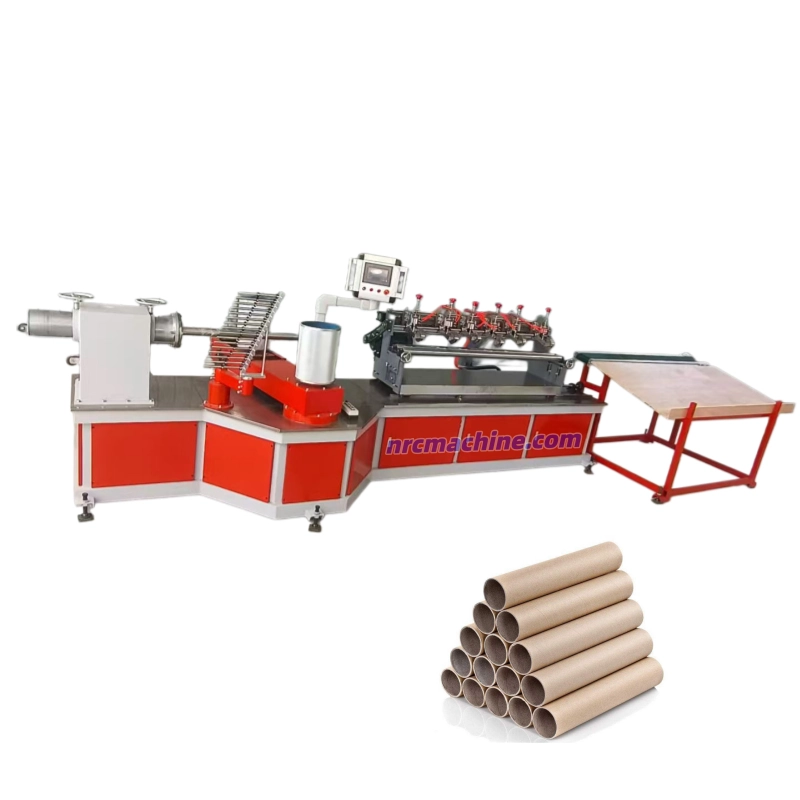
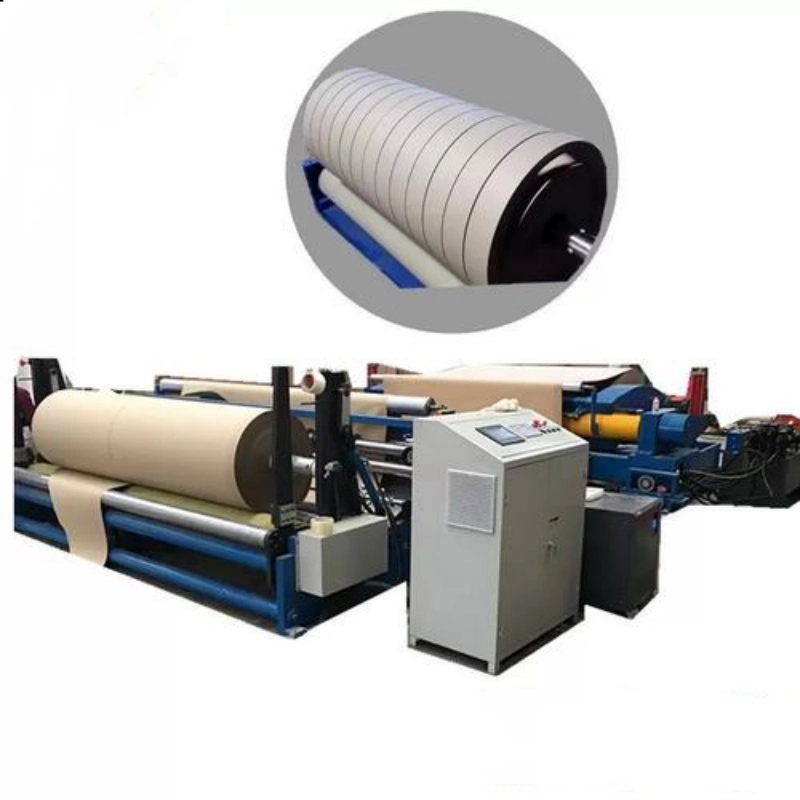
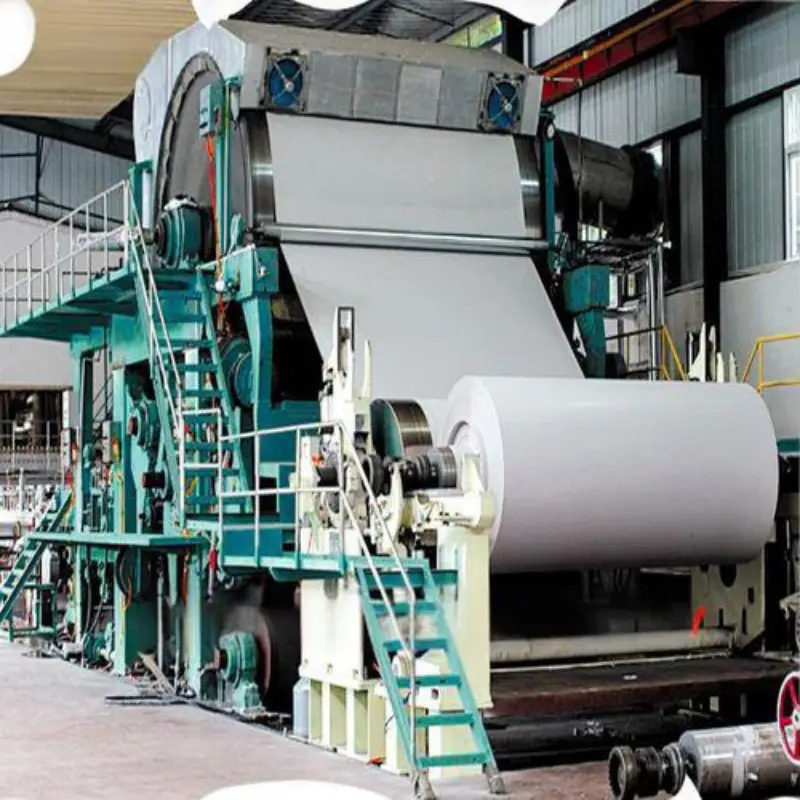
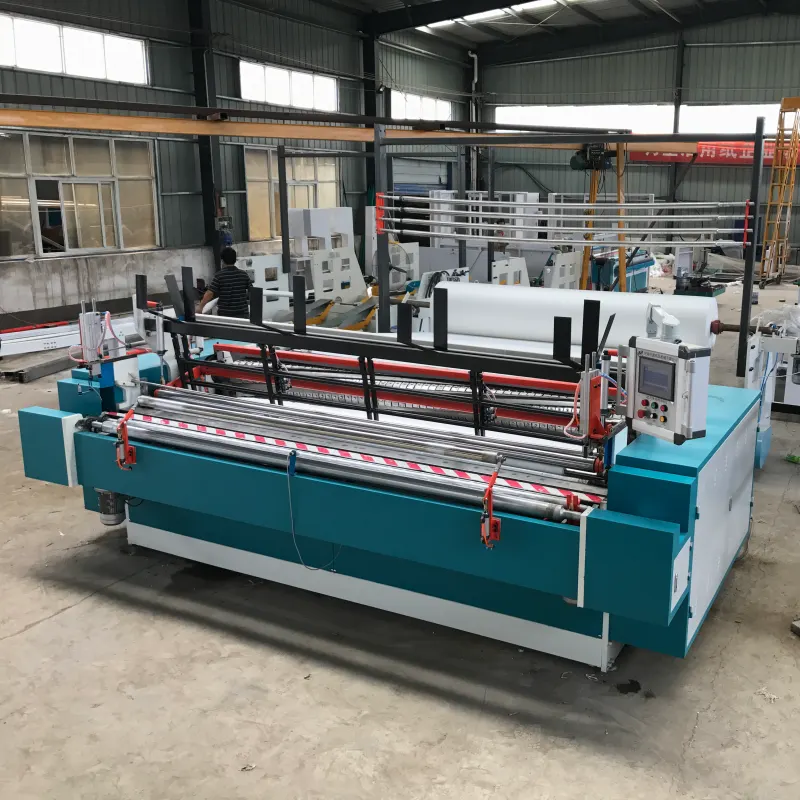
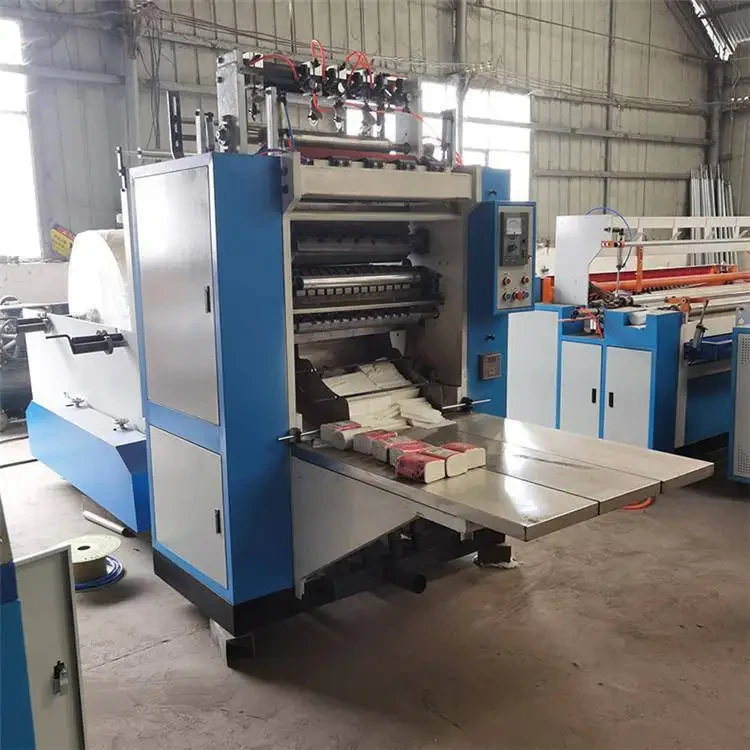
These machines typically include components such as:
- Pulp processing units
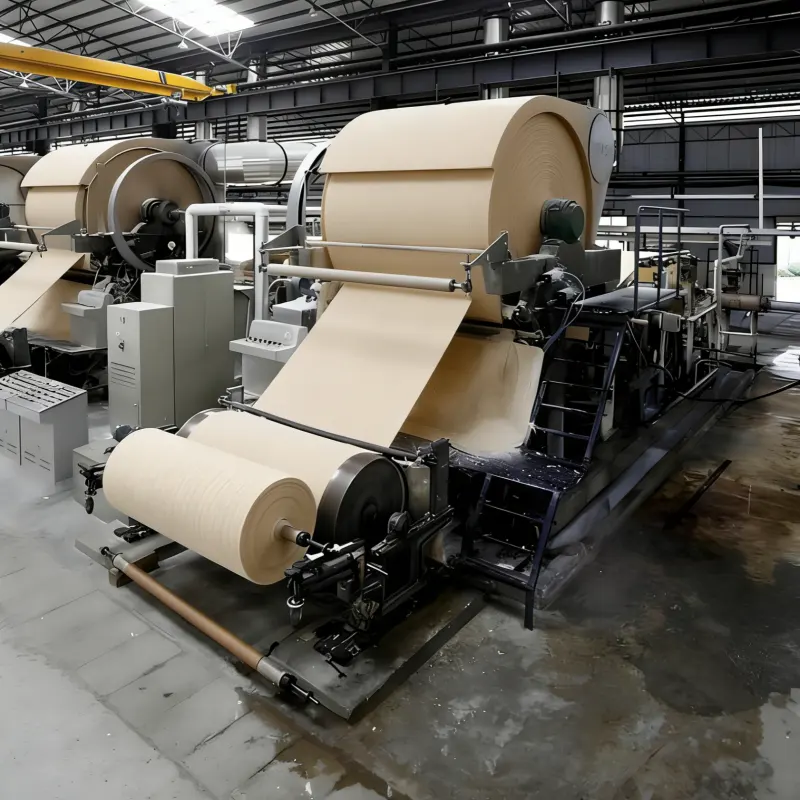
- Paper forming and drying systems
- Rewinding and cutting mechanisms
- Embossing and perforating modules
With capacities ranging from 100 to 1,000 kg of finished toilet paper per day, these systems are ideal for small businesses targeting local markets, grocery stores, hotels, or online sales platforms.
Why Small Businesses Are Turning to Toilet Paper Production
Low Initial Investment, High ROI
Compared to traditional manufacturing setups, small-scale toilet paper machines require significantly lower capital—ranging from 30,000 depending on automation level. This makes them accessible to entrepreneurs in developing regions and emerging economies.
Growing Market Demand
The global tissue paper market is projected to exceed $100 billion by 2027. With consistent household consumption, toilet paper remains a recession-resistant product.
Sustainability and Local Sourcing
Many small producers use recycled paper or sustainable bamboo pulp, aligning with eco-conscious consumer trends. Local production also reduces carbon footprint from transportation and packaging.
Flexibility and Scalability
Business owners can start with a basic model and upgrade as demand grows. Some machines support customization in roll size, ply count, and packaging design—key for brand differentiation.
Key Features of Modern Small-Scale Machines
Modern toilet paper making machines for small businesses offer several advantages:
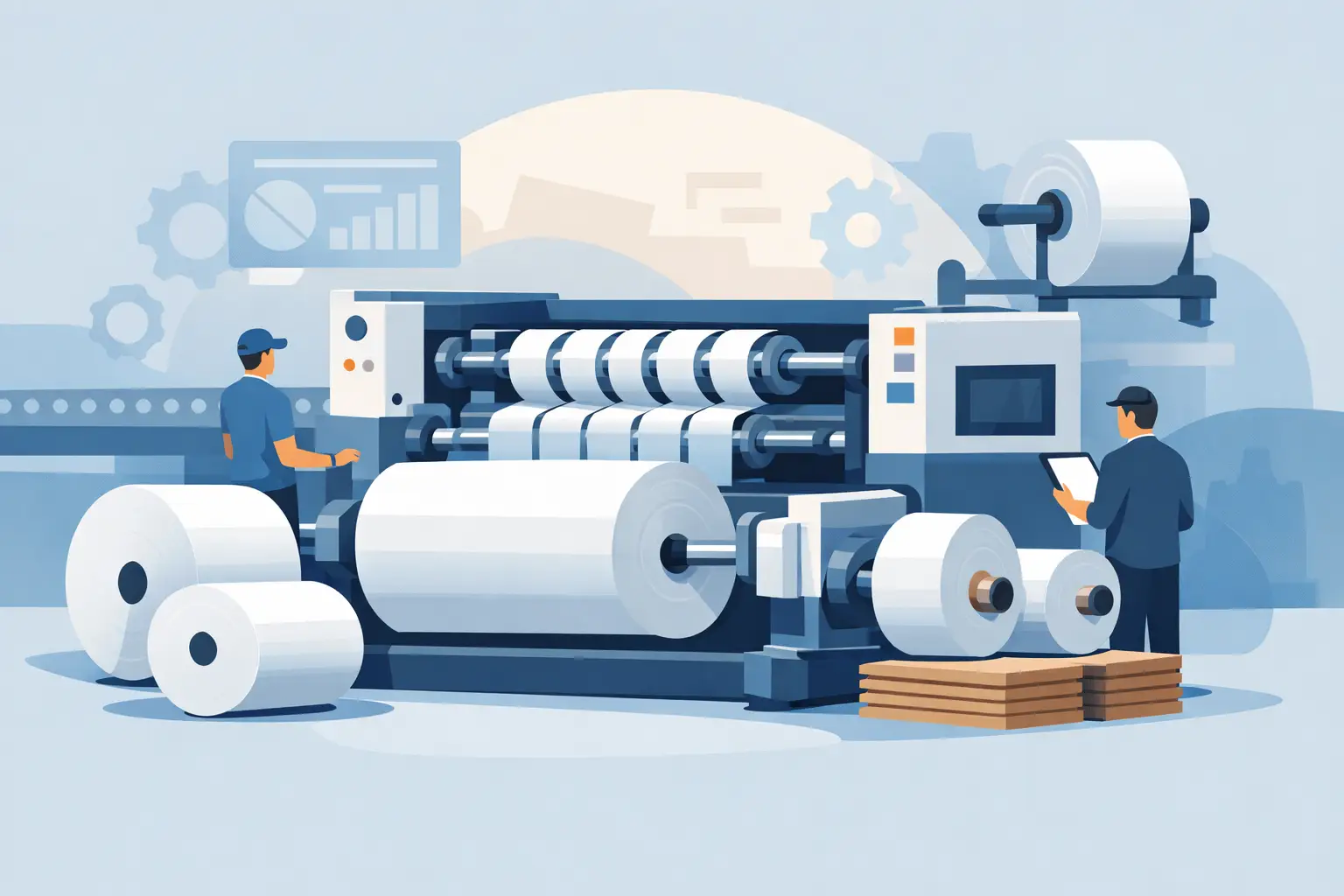
- User-Friendly Operation: Designed for ease of use, often requiring only 1–2 operators after training.
- Energy Efficiency: Utilize low-power drying systems and optimized motor usage.
- Minimal Space Requirement: Can be operated in small warehouses or workshops (as little as 100–200 sq. ft.).
- Multi-Functionality: Capable of producing not only toilet paper but also paper towels and napkins.
Additionally, many manufacturers provide technical support, training, and spare parts, ensuring smooth operations.
Success Stories: Small Businesses Making a Big Impact
In Vietnam, a family-run enterprise launched “GreenWipe Co.” using a $12,000 machine. Within 18 months, they were supplying eco-friendly bamboo toilet paper to over 50 local stores and expanded online via e-commerce platforms.

Similarly, in Kenya, a women’s cooperative invested in a shared machine, creating jobs and reducing reliance on imported tissue products. Their brand, “AfriSoft,” now donates a roll for every 10 sold to schools in underserved areas.
These stories highlight how accessible technology can drive both profit and social impact.
Challenges and Considerations
Despite the opportunities, small businesses must navigate several challenges:
- Raw Material Sourcing: Consistent supply of quality pulp or recycled paper is crucial.
- Quality Control: Maintaining softness, strength, and hygiene standards requires monitoring.
- Market Competition: Standing out among established brands demands strong branding and distribution.
- Regulatory Compliance: Adhering to local health and safety standards is mandatory.
Experts recommend thorough market research, pilot testing, and partnerships with suppliers before full-scale production.
The Future of the Toilet Paper Making Machine For Small Business
As automation becomes more affordable and sustainable materials gain traction, the future looks bright for small-business toilet paper production. Innovations such as AI-driven quality control, solar-powered drying systems, and biodegradable packaging are on the horizon.
Moreover, with the rise of decentralized manufacturing and “buy local” movements, community-based paper mills could become a staple in regional economies.
Governments and development organizations are also beginning to support such initiatives through grants and training programs, recognizing their potential for job creation and economic resilience.
Conclusion: A Sustainable Path to Entrepreneurial Success
The toilet paper making machine for small business is more than just a piece of equipment—it’s a gateway to self-reliance, sustainability, and innovation for small businesse. By lowering entry barriers and enabling local production, it empowers entrepreneurs to meet essential needs while building profitable, purpose-driven brands.
For aspiring business owners, now may be the ideal time to explore this overlooked yet vital sector. With the right machine, strategy, and vision, even a small operation can make a big splash in the world of hygiene.
— Reporting by nrcmachine.com, Industrial Trends Desk