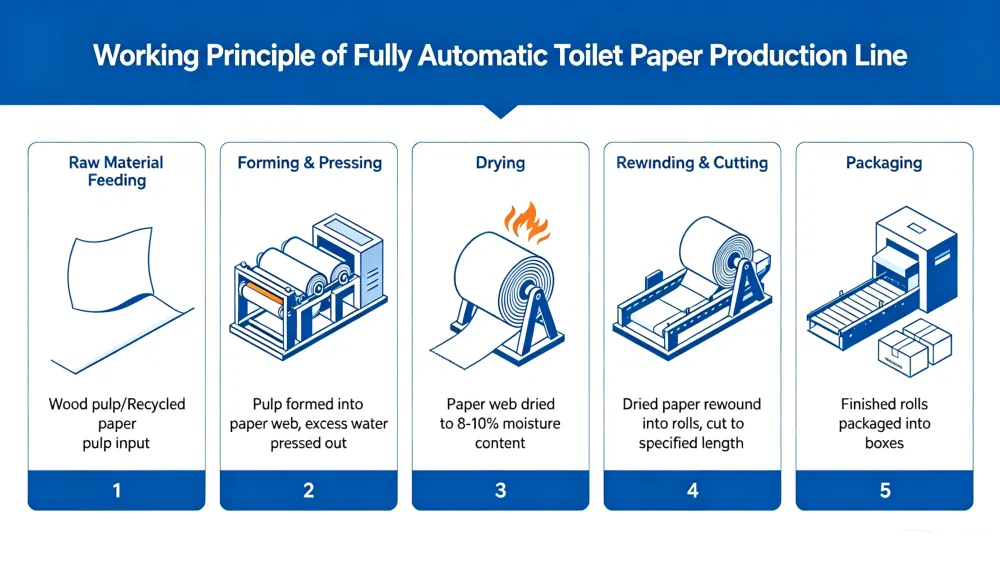
Paletlenmiş ürünler gönderiyorsanız, bir depoda kartonları istifliyorsanız veya endüstriyel müşterilere ambalaj malzemeleri tedarik ediyorsanız, soru sadece bir kağıt köşebent makinesinin ne olduğu değildir. Asıl soru, ambalaj maliyetini düşürmek, ürün kenarlarını korumak ve ölçekte tutarlı bir köşe koruyucu üretmek için operasyonunuzun bir makineye ihtiyacı olup olmadığıdır.
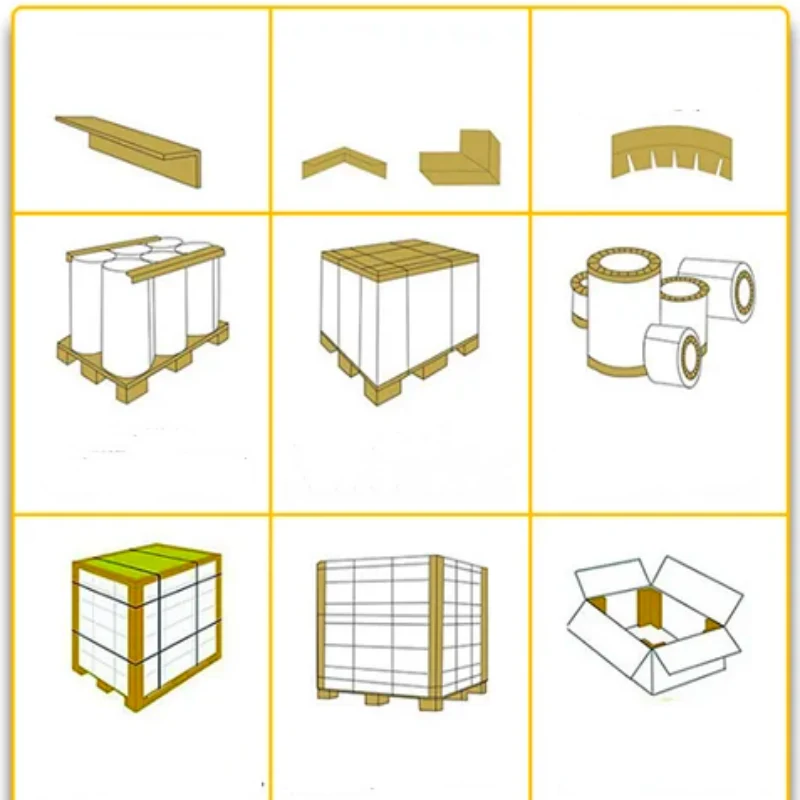
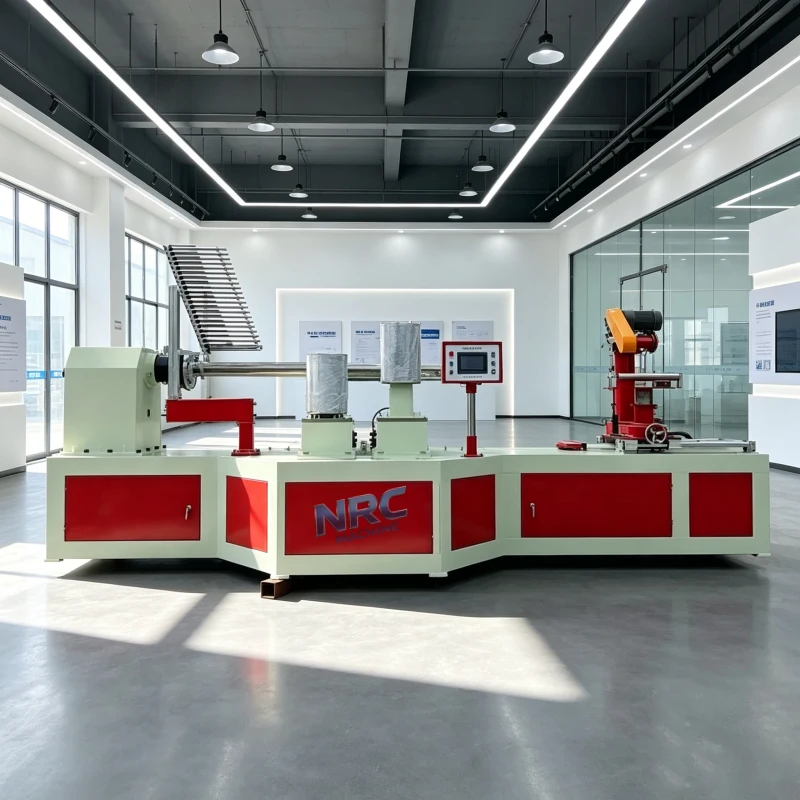
Bir kağıt köşebent makinesi, aşağıdakileri sağlayan endüstriyel bir sistemdir kağıt köşebentler üretmektedir, olarak da adlandırılır. kağıt kenar koruyucuları, köşe tahtaları veya kağıt köşe korumaları. Bu ürünler, birden fazla kağıt katmanının tutkalla lamine edilmesi ve ardından sert L şeklinde bir profil haline getirilmesiyle yapılır. Bitmiş köşe tahtası, depolama, çemberleme ve nakliye sırasında kutuların, mobilyaların, inşaat malzemelerinin, cihazların ve palet yüklerinin kenarlarını korumak için kullanılır.
Üreticiler, ambalaj dönüştürücüler ve ithalatçılar için bu makine önemlidir çünkü köşebent niş bir ürün değildir. Lojistik, gıda, mobilya, ev aletleri, baskı ve inşaat tedarik zincirlerinde kullanılan pratik bir ambalaj malzemesidir. Müşterileriniz daha güçlü yük stabilitesi ve daha temiz kenar korumasına ihtiyaç duyuyorsa, bir kağıt köşebent makinesi güvenilir bir üretim varlığı haline gelebilir.
Kağıt köşebent makinesi ne için kullanılır?
Bir kağıt köşebent makinesi, paketlenmiş ürünlerin köşelerini ve kenarlarını güçlendiren sert kağıt profiller üretmek için kullanılır. Bu profiller ezilmeyi, kayış hasarını, deformasyonu ve darbe aşınmasını önlemeye yardımcı olur. Birçok fabrikada köşebent, paletlenmiş bir yükün dört köşesine dikey olarak veya açıkta kalan ürün kenarları boyunca yatay olarak yerleştirilir.
Talep iki temel ihtiyaçtan kaynaklanıyor. Birincisi, alıcılar pahalı ambalaj malzemelerine geçmeden daha iyi koruma istiyor. İkincisi, birçok pazar geri dönüştürülebilir ve kağıt bazlı ambalaj destek ürünlerine yönelmektedir. Kağıt köşebent, doğru üretildiğinde her iki gereksinimi de karşılar.
Bununla birlikte, uygulama değişiklik gösterebilir. Beyaz eşya ihracatçılarına hizmet veren bir ambalaj tedarikçisi kalın, yüksek mukavemetli kenar koruyuculara ihtiyaç duyabilir. Daha hafif kartonlara odaklanan bir dönüştürücü, daha hızlı üretim hızına sahip daha ince levhaları tercih edebilir. Makine konfigürasyonu, sadece açılı levha yapma fikrine değil, son kullanım gereksinimine de uygun olmalıdır.
Kağıt köşebent makinesi nasıl çalışır?
Üretim süreci prensipte basittir, ancak makine kalitesi çıktı istikrarı ve ürün tutarlılığında önemli bir fark yaratır.
Kağıt besleme ve tutkal kaplama
Makine, birkaç rulo kraft kağıdı veya benzer temel kağıdı açarak başlar. Her katman, yapıştırıcının kağıt yüzeyine eşit şekilde kaplandığı bir tutkal uygulama bölümünden geçer. Tutkal kontrolü kritiktir. Çok az yapıştırıcı yapıştırma gücünü azaltabilir. Çok fazla yapıştırıcı ise atık, dağınıklık veya şekil dengesizliği yaratabilir.
Laminasyon ve şekillendirme
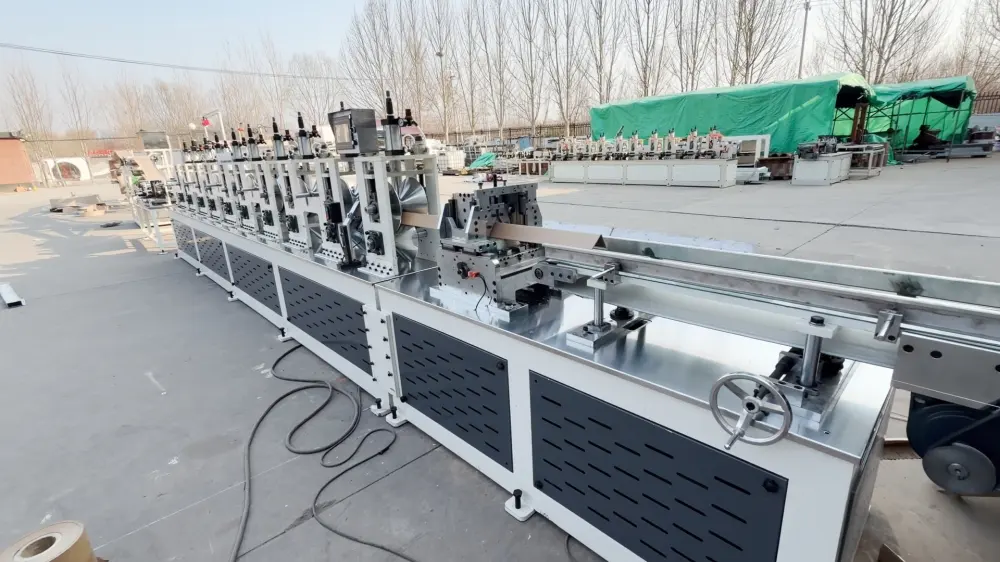
Kaplamadan sonra, kağıt katmanları birleştirilir ve bir şekillendirme bölümüne yönlendirilir. Burası düz lamine kağıdın L-açı profiline şekillendirildiği yerdir. Makine, açının tüm üretim boyunca aynı kalması için doğru basınç ve hizalamayı sürdürmelidir.
Çoğu durumda, açı gerekli ürün özelliklerine göre ayarlanabilir. Yaygın profiller 90 derecelik açılı levhaları içerir, ancak makine tasarımına bağlı olarak özel boyutlar da üretilebilir.
Presleme ve kürleme
Lamine levha şekillendirildikten sonra, yapıştırıcı yapışırken şeklini korumak için bir presleme veya tutma bölümünden geçer. Bazı sistemler uzun bir konveyör tarzı kürleme yolu kullanır, böylece profil kesimden önce geometrisini korur. Bu aşama nihai sertliği, düzlüğü ve boyutsal doğruluğu etkiler.
Kesim ve toplama
Bitmiş açılı levha gerekli uzunlukta kesilir, ardından istifleme, paketleme veya daha ileri işlemler için toplanır. Kesim hassasiyeti, ihracat paketleme müşterilerine hizmet veren alıcılar için önemlidir, çünkü tutarsız uzunluk paketleme hattında sorun yaratır.
Bir kağıt köşebent makinesinin ana bileşenleri
Ekipmanı değerlendiren bir alıcı, genel ürün tanımının ötesine bakmalıdır. Makine ancak ana bölümlerinin performansı kadar iyidir.
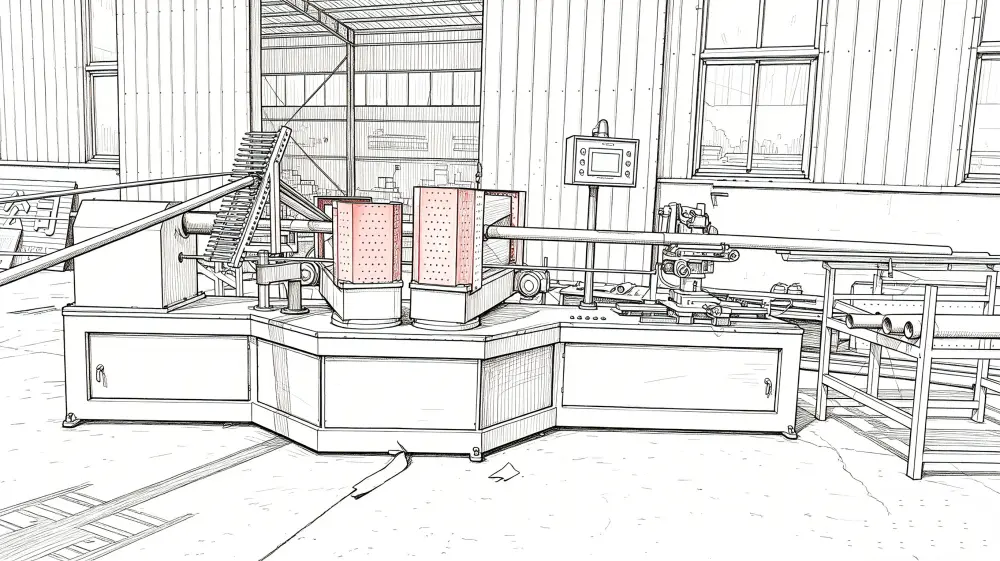
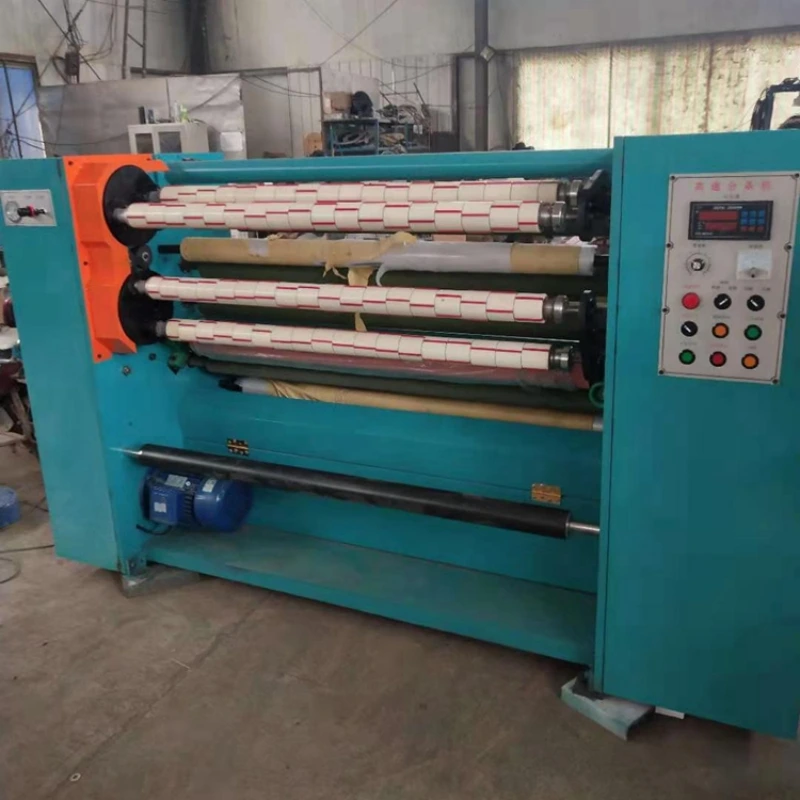
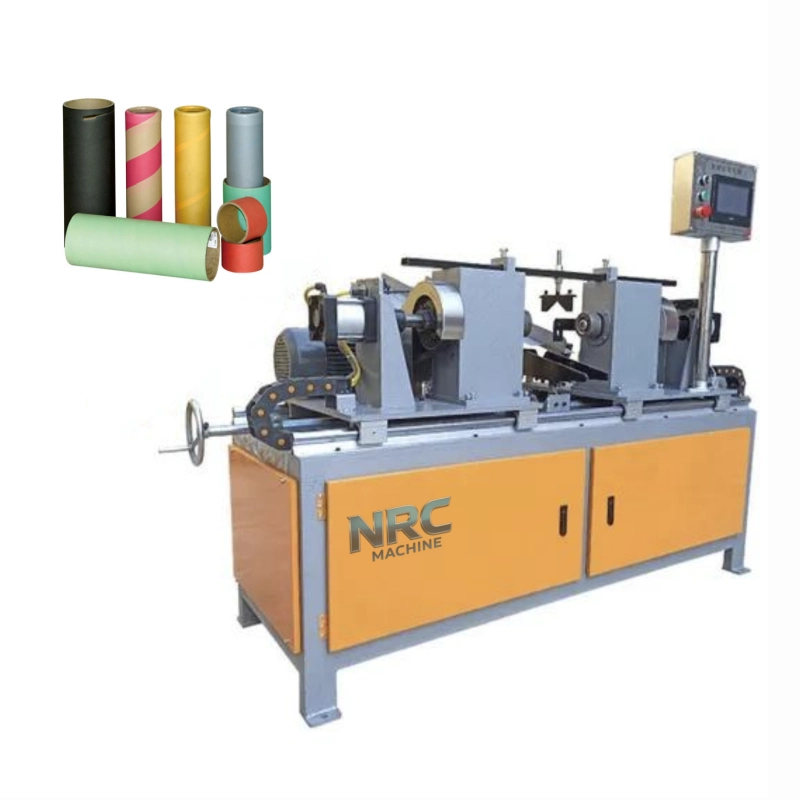
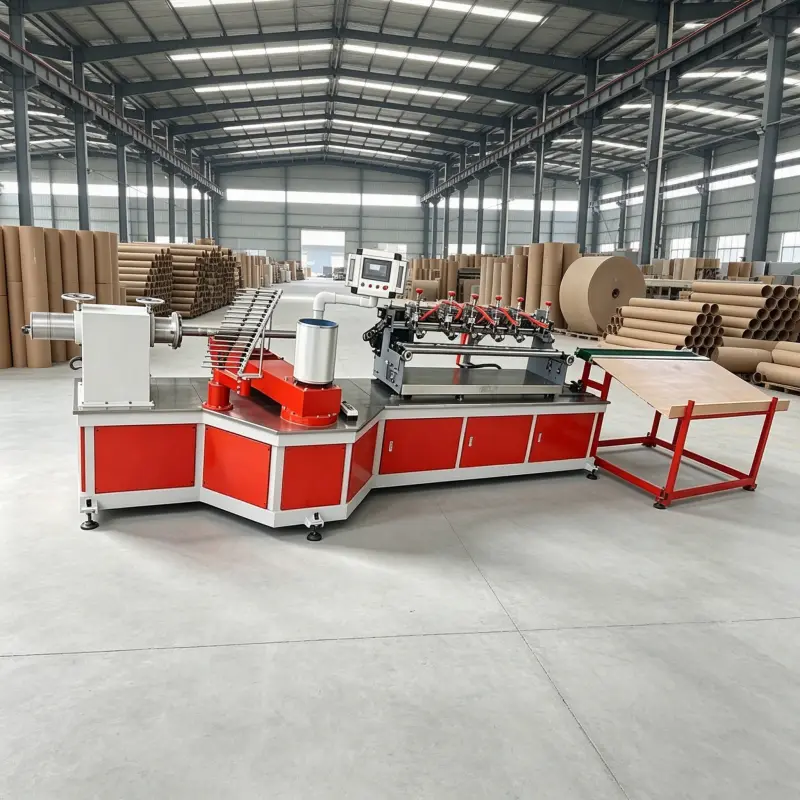
Kağıt rulosu standı hammadde beslemesini yönetir ve dengeli çözülmeyi desteklemelidir. Yapıştırma ünitesi eşit uygulama ve kolay temizlik gerektirir. Şekillendirme sistemi açı tutarlılığını ve levha şeklini belirler. Presleme ve taşıma bölümü yapıştırma gücünü ve kürleme kalitesini etkiler. Kesme ünitesi nihai uzunluk hassasiyetini kontrol eder. Elektrik kontrol sistemi kullanım kolaylığını, hız ayarını ve hata yönetimini etkiler.
Pratik açıdan bu bileşenler işgücü ihtiyacını, fire oranını, bakım sıklığını ve nihai ürün kalitesini etkiler. Zayıf tutkal kontrolüne veya zayıf şekillendirme stabilitesine sahip bir makine kısa bir test sırasında kabul edilebilir görünebilir ancak zaman içinde daha yüksek üretim kayıplarına neden olabilir.
Hangi hammaddeleri kullanıyor?
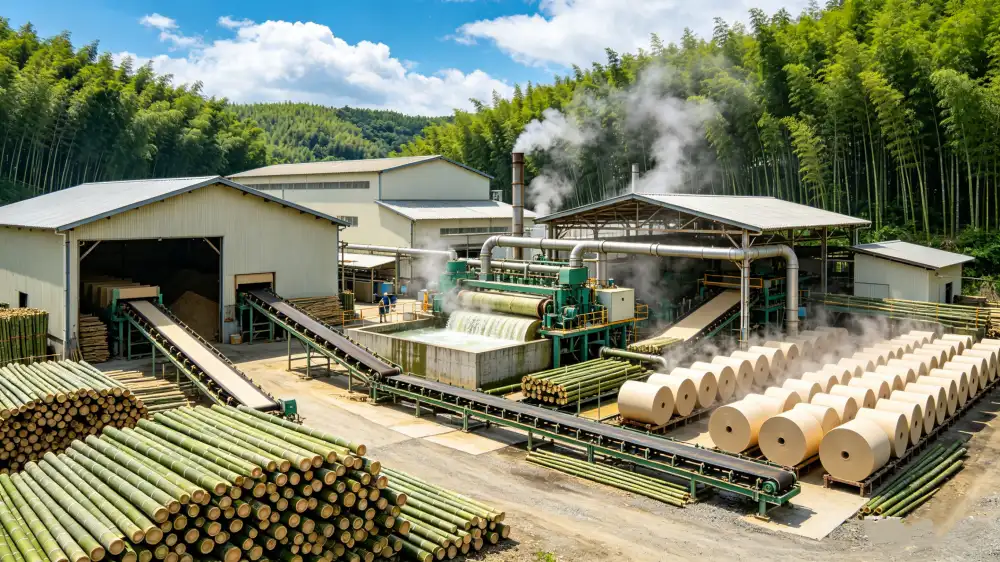
Standart hammadde, kalınlık ve mukavemet oluşturmak için yapıştırıcı ile birleştirilmiş, genellikle çok katmanlı kraft kağıdıdır. Tam kağıt sınıfı, gerekli sıkıştırma direncine, kenar koruma performansına ve hedef pazar fiyatlandırmasına bağlıdır.
İşte bu noktada üretim ekonomisi önem kazanmaya başlar. Daha yüksek kaliteli kağıt, levha mukavemetini artırabilir, ancak aynı zamanda malzeme maliyetini de yükseltir. Daha fazla katman daha güçlü bir ürün yaratır, ancak hızı azaltabilir ve yapıştırıcı tüketimini artırabilir. Bazı alıcılar için en iyi seçim, mümkün olan en güçlü açılı levha değildir. Müşteri gereksinimlerini istikrarlı kalite ve uygulanabilir maliyetle karşılayandır.
Hammadde tutarlılığı da makine performansını etkiler. Eşit olmayan kağıt gerginliği, değişken kağıt kalınlığı veya uygun olmayan yapıştırıcı zayıf laminasyona ve şekil kusurlarına yol açabilir. Bu nedenle deneyimli tedarikçiler genellikle teklif aşamasında hem makine özelliklerini hem de malzeme önerilerini tartışırlar.
Kağıt köşebent kullanan sektörler
Kağıt köşebent, malların nakliye veya depolama sırasında köşe korumasına ihtiyaç duyduğu her yerde yaygın olarak kullanılır. Yaygın uygulamalar arasında lojistik merkezleri için palet takviyesi, yiyecek ve içecek sevkiyatları için karton kenar desteği, mobilya koruması, cihaz ambalajı, kağıt tomar ve basılı malzeme ambalajı, seramik ve panel levha taşımacılığı ve genel endüstriyel ihracat ambalajı yer alır.
Bu geniş uygulama yelpazesi, makinenin hem yerleşik ambalaj fabrikalarına hem de yeni yatırımcılara hitap etmesinin bir nedenidir. Ürün basittir, ancak müşteri tabanı çeşitlendirilebilir. Bir sektör yavaşlarsa, başka bir sektör talebi korumaya devam edebilir.
Çıktı, boyut aralığı ve makine seçimi
Her kağıt köşebent makinesi aynı değildir. Bazıları orta hız ve daha basit kontrol ile daha küçük operasyonlar için tasarlanmıştır. Diğerleri ise sürekli üretim, daha geniş boyut seçenekleri ve daha otomatik kesim ve işleme gerektiren daha büyük hacimli fabrikalar için üretilmiştir.
Alıcılar ekipman seçerken genellikle çıkış hızını, desteklenen levha kalınlığını, açı boyutlarını, kesim uzunluğu aralığını, yapıştırıcı sistemi performansını ve genel makine ayak izini karşılaştırır. Mevcut fabrika alanı bazı alıcıların beklediğinden daha önemlidir. Tam bir üretim hattı sadece makinenin kendisi için değil, aynı zamanda hammadde depolama, bitmiş ürün toplama ve operatör hareketi için de alana ihtiyaç duyar.
Üretim hedefi yatırımı yönlendirmelidir. İşletmeniz sınırlı hacme sahip yerel ambalaj müşterilerine hizmet veriyorsa, temel bir hat yeterli olabilir. Endüstriyel distribütörlere veya ihracata yönelik paketleme tesislerine tedarik sağlıyorsanız, eksik satın alma pahalıya mal olabilir. Düşük kapasiteli bir makine satın alma sırasında tasarruf sağlayabilir ancak büyümeyi sınırlar ve daha hızlı değiştirmeye yol açar.
Alıcıların satın almadan önce sorması gerekenler
En iyi satın alma kararı, makineyi iş modeliyle eşleştirmekten geçer. Sipariş vermeden önce, ciddi bir alıcı hedef ürün boyutlarını, hammadde planını, beklenen günlük çıktıyı, işgücü mevcudiyetini, elektrik standartlarını, fabrika düzenini ve satış sonrası destek gereksinimlerini teyit etmelidir.
Tedarikçinin kurulum rehberliği, operatör eğitimi, yedek parça ve ihracat ambalajını nasıl ele aldığını sormak da akıllıca olacaktır. Uluslararası alıcılar için bunlar ikincil detaylar değildir. Servis desteği zayıf olan iyi bir makine yine de maliyetli arıza sürelerine neden olabilir.
Bir diğer nokta ise ürün esnekliğidir. Bazı alıcılar yalnızca tek bir ortak boyutta kenar koruyucuya ihtiyaç duyar. Diğerleri ise farklı boyut ve kalınlıklara sahip birden fazla sektöre hizmet etmek ister. Bu durumda, ayarlanabilirlik ticari bir avantaj haline gelir.
Birçok ithalatçı ve fabrika sahibi için en pratik yaklaşım, satmayı planladıkları tam levha boyutlarına göre bir makine teklifi talep etmektir. Bu, daha doğru bir fiyat teklifi üretir ve teknik olarak yetenekli ancak ticari olarak uyumsuz bir hat satın alma şansını azaltır.
Kağıt köşebent makinesi iyi bir yatırım mıdır?
Pazar talebi ve üretim planı açıksa olabilir. Bir kağıt köşebent makinesi genellikle ambalaj üreticileri, kağıt dönüştürücüler ve koruyucu ambalaja giren girişimciler için caziptir çünkü son ürünün istikrarlı endüstriyel kullanımı ve nispeten doğrudan üretim mantığı vardır.
Hala, karlılık bağlıdır çeşitli faktörlere bağlıdır. Hammadde fiyatlandırması, tutkal tüketimi, yerel işçilik maliyeti, satış fiyatı, makine çalışma süresi ve üretim israfı gibi faktörlerin tümü getirileri etkiler. Bazı pazarlarda, daha düşük maliyetli rakipler marjları baskılayabilir. Diğerlerinde ise güvenilir kalite ve hızlı teslimat, güçlü tekrarlanan işler için alan yaratır.
Bu makine, daha geniş bir ambalaj veya kağıt dönüştürme portföyü oluşturan alıcılar için de faydalı bir genişleme yolu sunuyor. Diğer kağıt işleme ekipmanlarının yanına iyi uyum sağlar ve aynı tedarikçiden kağıt bazlı ambalaj ürünleri satın alan müşterileri destekleyebilir. NRC Machine gibi üreticilerin bu kategoriyi daha geniş bir dönüştürme ve ihracata hazır makine teklifinin bir parçası olarak konumlandırmasının bir nedeni de budur.
Kağıt köşebent makinesi konsept olarak karmaşık değildir, ancak doğru makineyi satın almak için net üretim hedefleri, gerçekçi maliyet planlaması ve tedarikçi desteğine güvenmek gerekir. Müşterileriniz dayanıklı kenar korumasına ihtiyaç duyuyorsa ve fabrikanız istikrarlı, tekrarlanabilir çıktıya hazırsa, bu makine ambalaj işinizin pratik ve karlı bir parçası haline gelebilir.