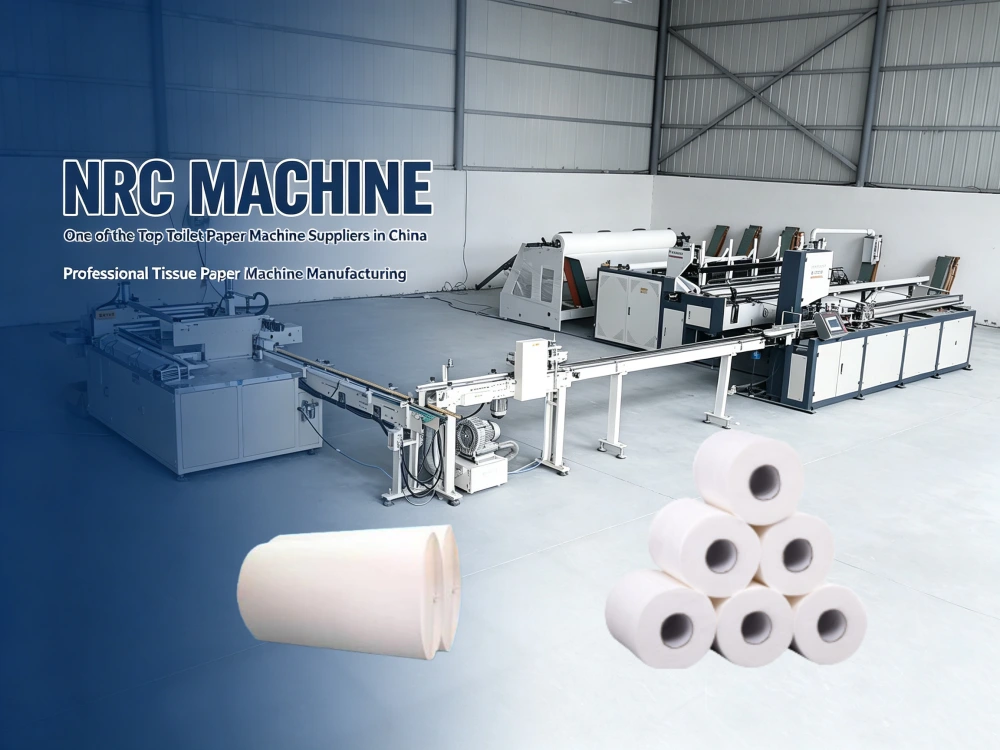
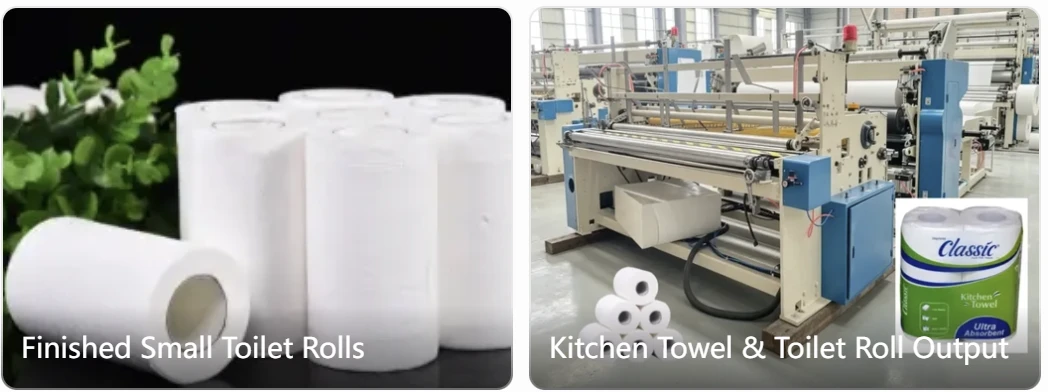
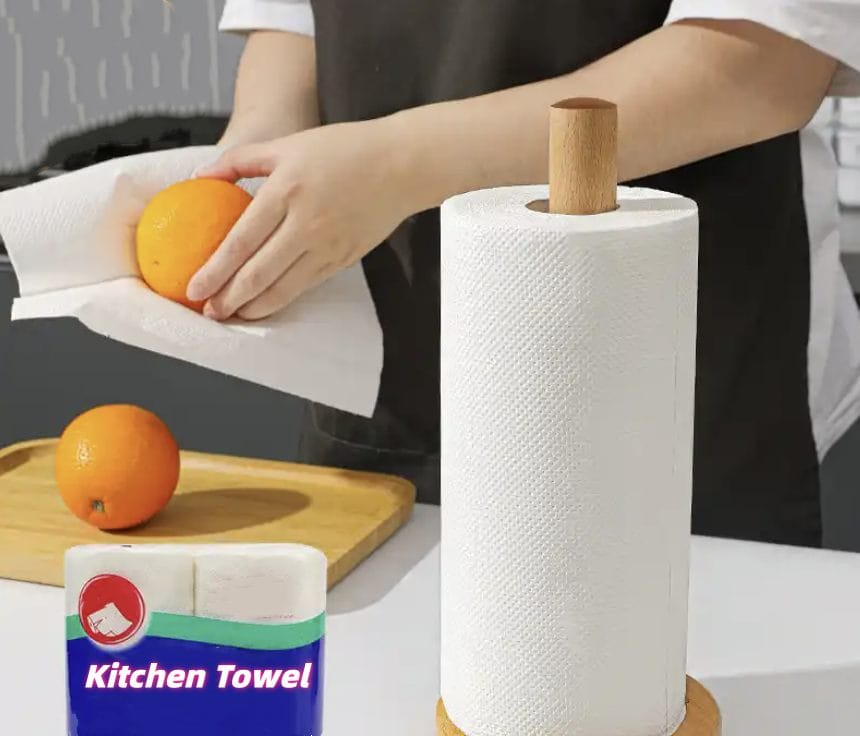
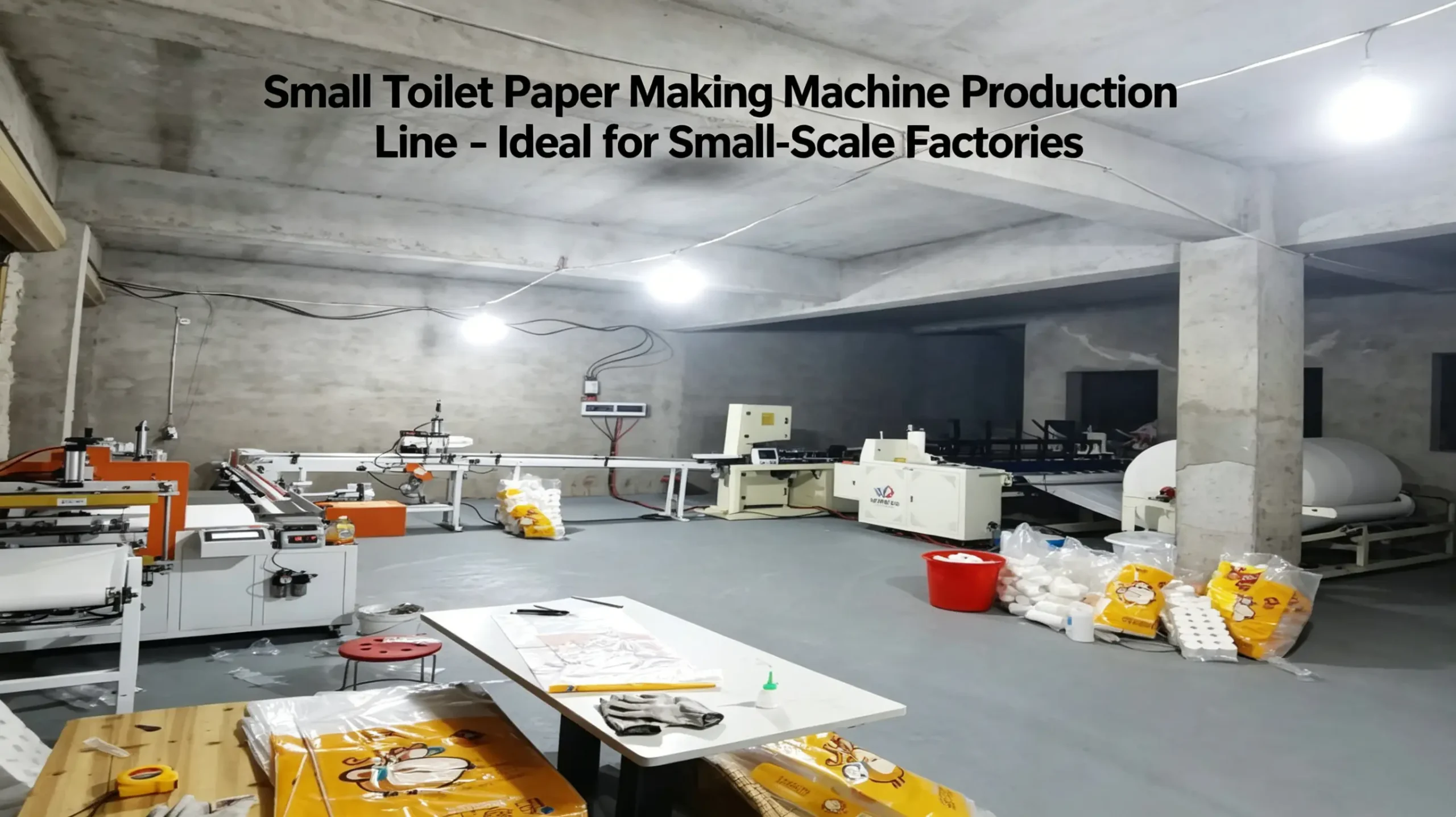
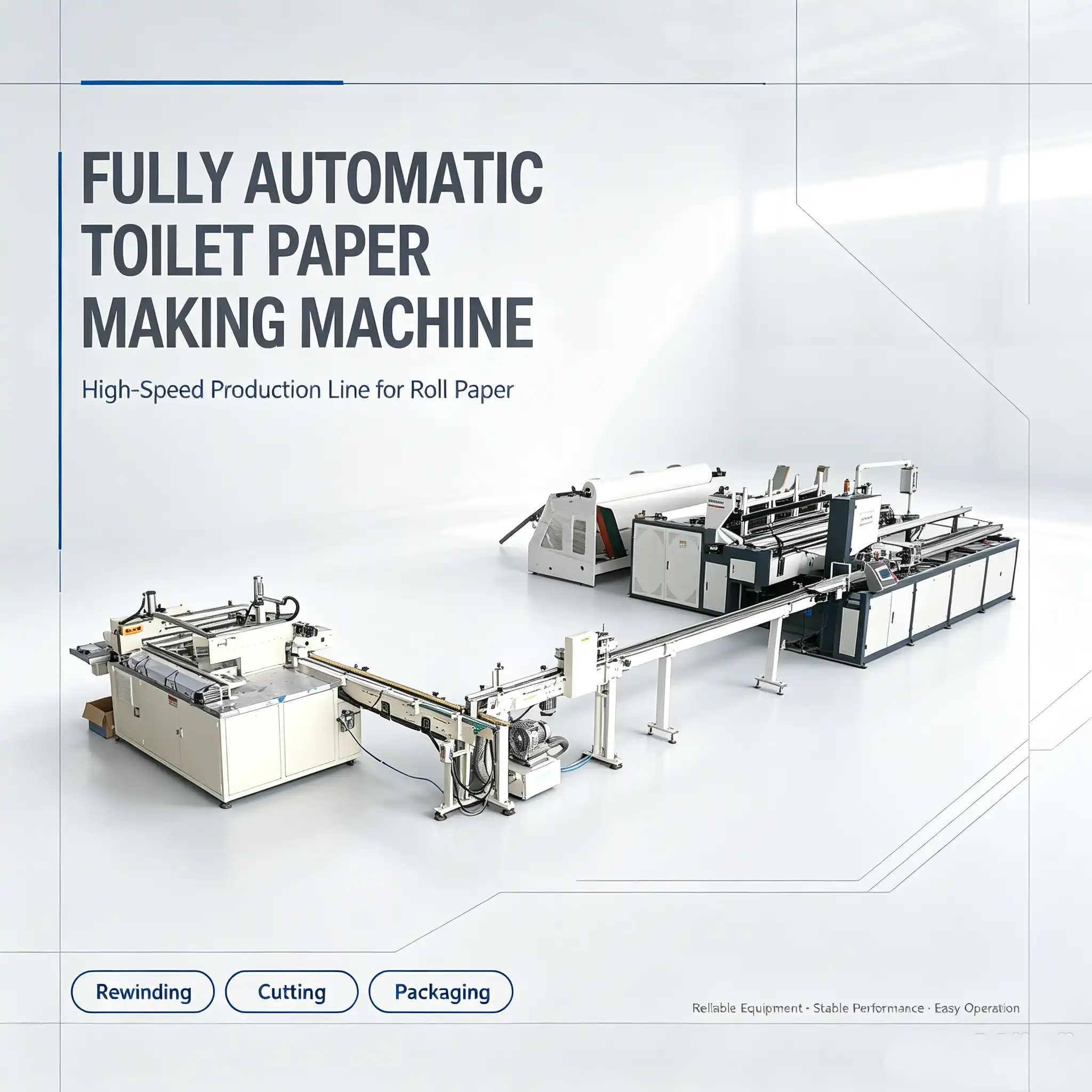
Tuvalet kağıdı rulolarını hangi makinenin ürettiğini soruyorsanız, kısa cevap şudur: tuvalet kağıdı ruloları tipik olarak delme, kabartma, göbek besleme, tomruk testere kesim ve paketleme ekipmanlarıyla birlikte çalışan bir tuvalet kağıdı sarma makinesi tarafından üretilir. Gerçek üretimde, bu tek başına bir makine değildir. Jumbo kağıt mendil rulolarını sabit hız, tutarlı kalite ve kontrollü maliyetle bitmiş tüketici rulolarına dönüştürmek için tasarlanmış bir dönüştürme hattıdır.
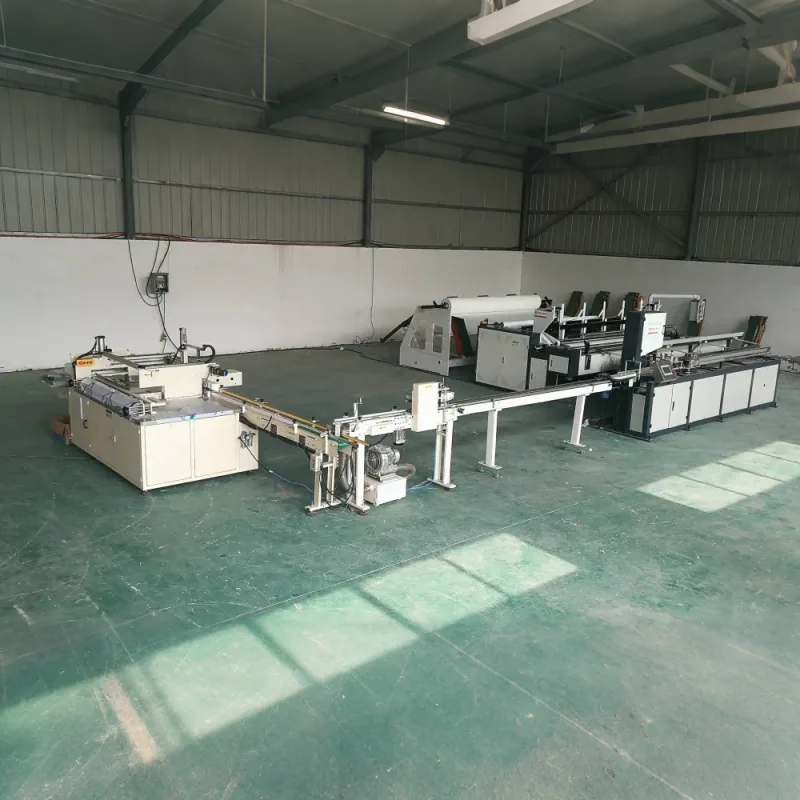
Yeni bir kağıt mendil operasyonu planlayan veya mevcut kapasiteyi genişleten alıcılar için bu ayrım önemlidir. Birçok ilk yatırımcı tek bir makine arar, ancak asıl gereksinim yarı otomatik çıktı mı, tam otomatik bir hat mı yoksa taleple birlikte büyüyebilen ölçeklenebilir bir kurulum mu istediğinize bağlıdır.
Bir fabrikada tuvalet kağıdı rulolarını hangi makine yapar?
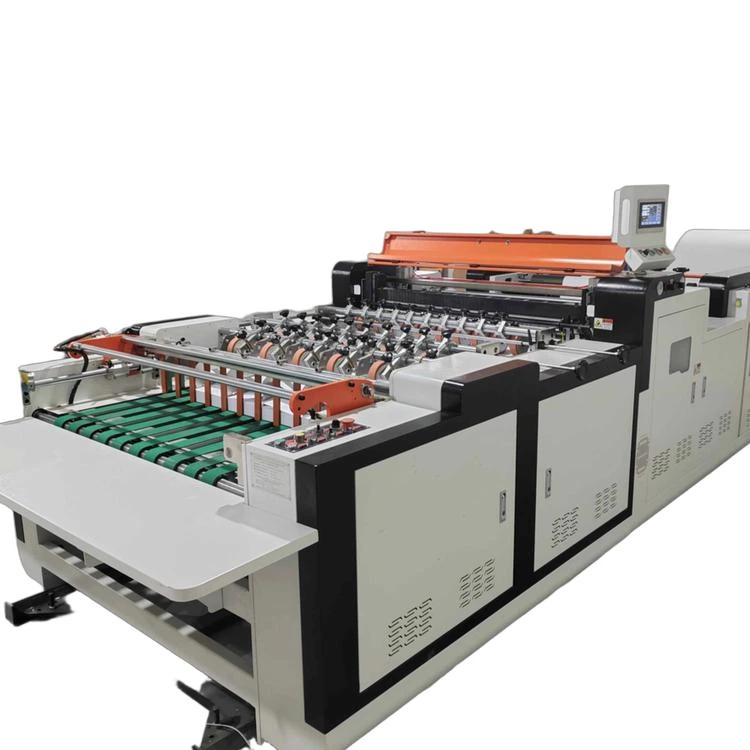
Bir fabrika ortamında, ana makine tuvalet kağıdı sarıcı. Bu, ana jumbo ruloyu çözen, gerekirse kağıdı kabartan, belirli yaprak uzunluklarında delen, kütükler halinde geri saran ve genellikle kağıt çekirdeklerini merkeze besleyen ana ekipman parçasıdır. Bu uzun bitmiş kütükler daha sonra bir kütük testeresi kesme makinesine aktarılır ve bu makine onları insanların mağaza raflarında tanıdığı perakende genişliğinde tuvalet ruloları halinde keser.
Kesme işleminden sonra rulolar mühürleme ve paketleme ekipmanına gider. Pazarınıza ve iş modelinize bağlı olarak bu, manuel paketleme desteği, yarı otomatik torbalama veya hatta entegre tam otomatik paketleme olabilir.
Yani birisi tuvalet kağıdı rulolarını hangi makinenin yaptığını sorduğunda, doğru ticari cevap tuvalet kağıdı dönüştürme hattı bir geri sarma makinesi etrafında inşa edilmiştir.
Tuvalet kağıdı rulosu üretim hattındaki ana makineler
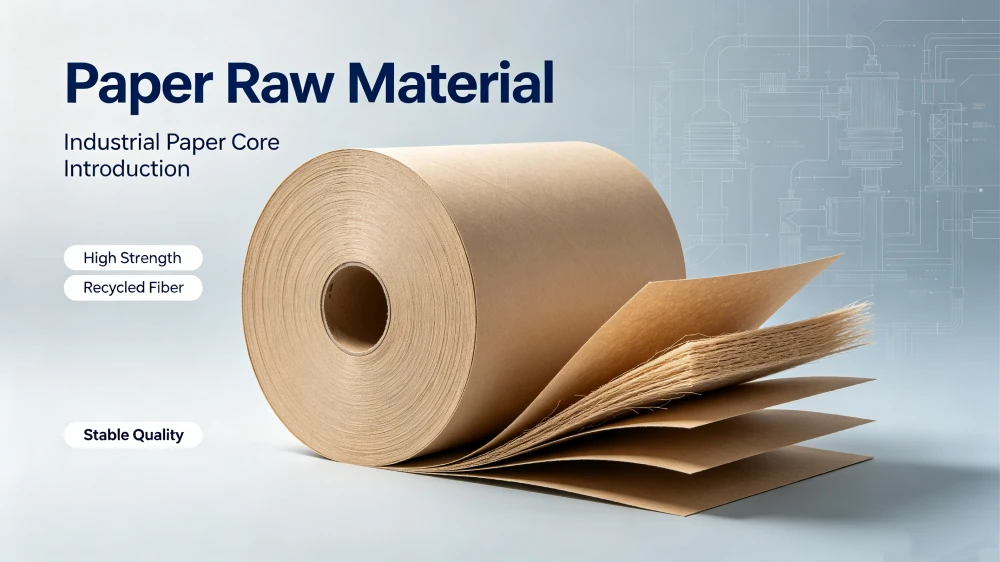
Üretim akışı jumbo rulo ile başlar. Bu, bir kağıt mendil fabrikasından veya ayrı bir kağıt mendil yapma makinesinden tedarik edilen büyük kağıt mendil ana rulosudur. Eğer işiniz sadece kağıt mendil dönüştürmekse, jumbo ruloları hammadde olarak satın alırsınız. Dikey olarak entegre iseniz, süreciniz daha erken başlar.
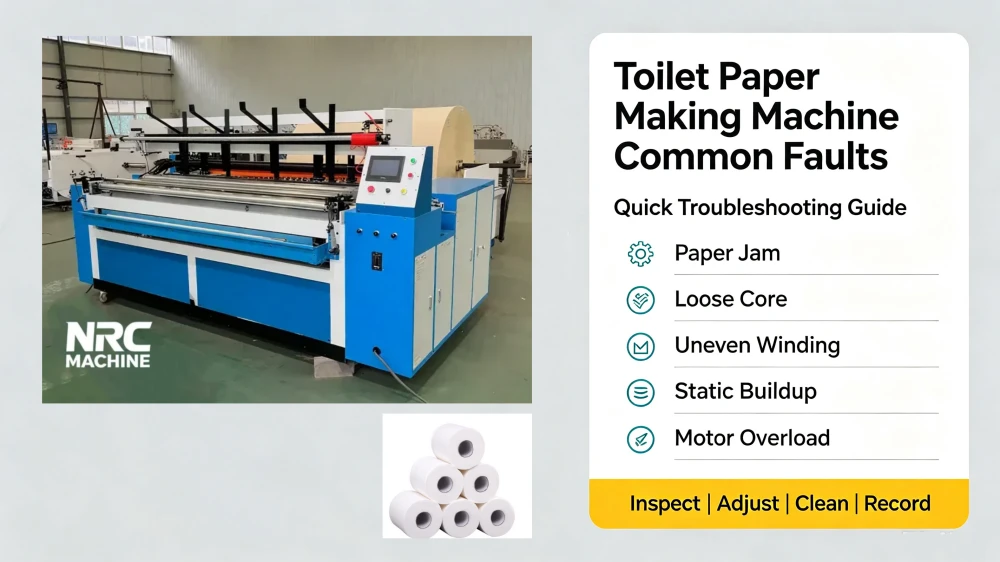
Tuvalet kağıdı sarma makinesi
Bu makine ana dönüştürme işini gerçekleştirir. Ana ruloyu gerilim kontrolü altında açar, ürün desenleme veya kat yapıştırma gerektiriyorsa kabartma yapar, tutarlı bir mesafede delik açar ve tabakayı kağıt göbekler etrafında uzun tuvalet kağıdı kütükleri halinde geri sarar.
Sarıcı, üretkenliğinizin ve ürün kalitenizin çoğunu belirler. Zayıf gerginlik kontrolü gevşek rulolara veya iç içe geçmeye neden olabilir. Hatalı perforasyon yırtılma performansını etkiler. Zayıf maça besleme hat stabilitesini azaltır. Bu nedenle, alıcılar sadece başlık fiyatına bakmak yerine hızı, otomasyon seviyesini, servo kontrolünü ve değiştirme kolaylığını değerlendirmelidir.
Kağıt çekirdek veya kağıt tüp yapma makinesi
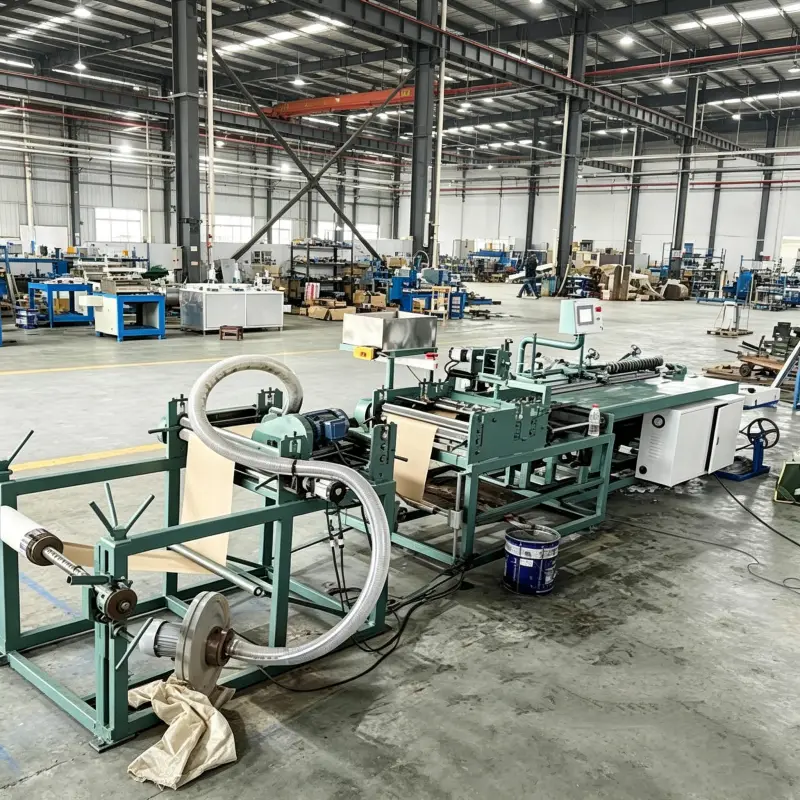
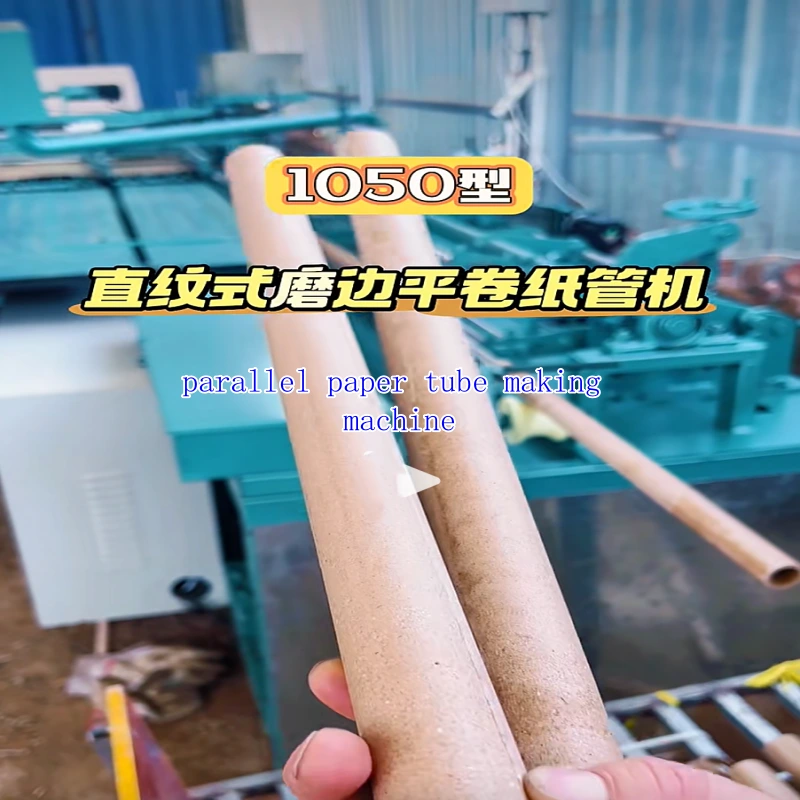
Tuvalet kağıdı ruloları genellikle kağıt göbekler gerektirir. Şirket içi çekirdek üretimi istiyorsanız, bir kağıt tüp yapma makinesine de ihtiyacınız vardır. Bazı dönüştürücüler dış tedarikçilerden hazır masuralar satın alır, bu da ilk sermaye maliyetini düşürür ancak dış tedarik sürelerine ve kalite tutarlılığına bağımlılığı artırır.
Yüksek hacimli operasyonlar için kendi çekirdeklerinizi üretmek tedarik kontrolünü iyileştirebilir ve birim başına maliyeti azaltabilir. Daha küçük girişimler için, dış kaynaklı çekirdekler erken aşamada daha mantıklı olabilir.
Tomruk testere kesme makinesi
Sarıcı uzun kütükler ürettiğinde, bu kütüklerin tek tek rulolar halinde kesilmesi gerekir. Bu da tomruk testeresinin işidir. Bu makine kütükleri, ister standart ev tipi tuvalet kağıdı ister özelleştirilmiş bir boyut olsun, pazarınız için gereken tam rulo genişliğine göre keser.
Kesim kalitesi birçok yeni alıcının beklediğinden daha önemlidir. Temiz bir kesim daha iyi raf görünümünü, daha az tozu, daha az deforme olmuş kenarı ve daha düzgün alt ambalajı destekler.
Paketleme makinesi
Kesimden sonra rulolar sayılır, düzenlenir ve paketlenir. Paketleme aşaması basit veya yüksek otomasyonlu olabilir. Daha küçük bir fabrika manuel gruplama ve mühürleme ile başlayabilir. Daha büyük bir operasyon genellikle işgücüne bağımlılığı azaltan ve daha tutarlı demet sunumu sağlayan otomatik paketleme ekipmanından yararlanır.
Bu aşama, paket görünümü, sayım doğruluğu ve film yapıştırma kalitesinin satışları etkilediği süpermarketler, distribütörler veya ihracat pazarlarına tedarik yapıyorsanız özellikle önemli hale gelir.
Tek bir makine mi yoksa komple bir hat mı?
Satın alma kararlarının sıklıkla yanlış gittiği yer burasıdır. Bir geri sarıcı tuvalet kağıdı kütüğü oluşturabilir, ancak tüm hattı planlamazsanız, üretim darboğazları hızla ortaya çıkar. Hızlı bir sarıcı yavaş manuel kesimle eşleştirildiğinde yığılmalara neden olur. Yeterli paketleme kapasitesi olmayan iyi bir dönüştürme hattı, bitmiş ruloları yerde bekletir.
Eksiksiz bir hat genellikle jumbo rulo açma, geri sarma ve delme, maça besleme, kütük biriktirme, kesme ve paketleme işlemlerini içerir. Bazı hatlar ayrıca tutkal laminasyonu, kenar kabartma, kuyruk mühürleme, otomatik transfer ve konveyör sistemlerini de içerir.
Doğru cevap, üretim hedefinize, işçilik maliyetinize, yerel pazar talebine, mevcut zemin alanına ve bütçenize bağlıdır. Bölgesel bir toptan satış pazarına hizmet veren bir startup yarı otomatik bir konfigürasyon seçebilir. Perakende zincirlerine tedarik sağlayan olgun bir tesis genellikle daha yüksek hızlı otomasyona ve daha güçlü kalite kontrolüne ihtiyaç duyacaktır.
Makinenin ruloları gerçekte nasıl yaptığı
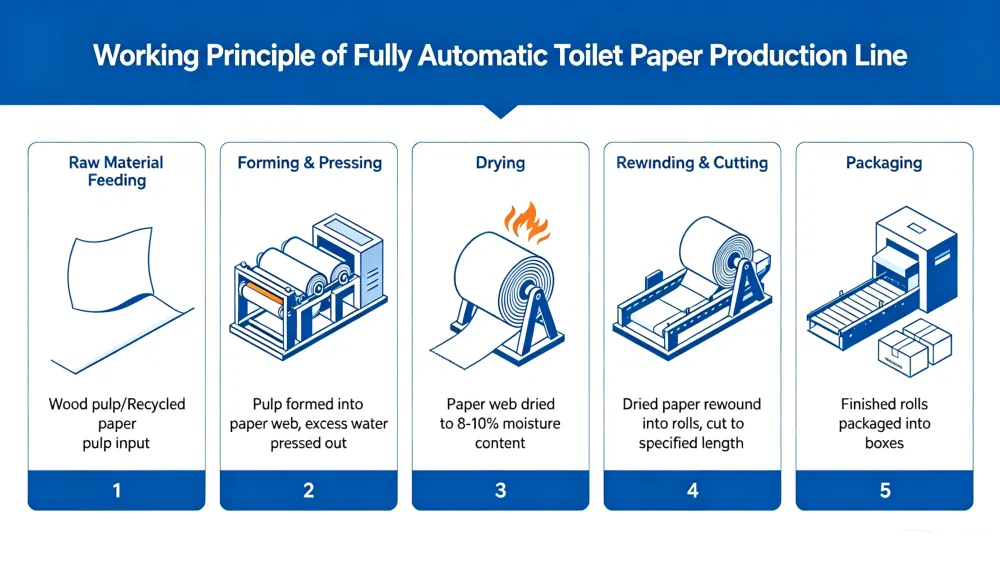
Süreç basittir, ancak iyi ekipman ölçekte tutarlı olmasını sağlar. İlk olarak, jumbo kağıt mendil rulosu makine standına yüklenir. Daha sonra desenlendirme gerekiyorsa ağ, kabartma ünitelerinden geçer. Ardından, perforasyon bıçakları önceden ayarlanmış aralıklarla yırtılma çizgileri oluşturur.
Levha geri sarma bölümüne devam eder ve burada doğru bitmiş çapı oluşturmak için bir göbek etrafında sarılır. Hedef boyuta ulaşıldığında, makine bir kütük oluşturur ve bir sonraki döngüyü başlatır. Bu uzun kütük daha sonra kesiciye gider ve burada daha küçük tuvalet ruloları halinde dilimlenir. Son olarak rulolar sevkiyat için paketlenir.
İki katlı veya lamine ürünler üretiyorsanız, hat geri sarmadan önce katmanları birleştirmek için ek üniteler içerebilir. Birinci sınıf kabartmalı kağıt mendil üretiyorsanız, kabartma bölümü görsel kalite ve yumuşaklık algısı için daha kritik hale gelir.
Makine seçerken nelere dikkat etmelisiniz?
Alıcılar çıktı, otomasyon ve servis desteğine odaklanmalıdır. Makine hızı önemlidir, ancak yalnızca gerçek üretim koşulları altında istikrarlı ise. Kağıt üzerinde yüksek hız için derecelendirilmiş bir hat, gerçek hammaddelerinizle her gün güvenilir bir şekilde çalışan bir makineden daha az değerlidir.
Otomasyon seviyesi işçilik maliyetini ve operatör bağımlılığını etkiler. Tam otomatik sistemler tutarlılığı artırır ve manuel kullanımı azaltır, ancak daha yüksek bir ön yatırım gerektirir. Yarı otomatik sistemler başlangıçta daha az maliyetlidir ve gelişmekte olan pazarlara veya düşük hacimli fabrikalara uygun olabilir, ancak daha sonra ölçeklenebilirliği sınırlayabilir.
Hammadde uyumluluğu bir başka pratik konudur. Doku GSM, kat yapısı, kabartma ihtiyaçları, göbek çapı ve jumbo rulo genişliğinin tümü makine yapılandırmasını etkiler. Bu nedenle ciddi tedarikçiler fiyat teklifi vermeden önce ayrıntılı teknik sorular sorar.
Ayrıca elektrik standartlarını, CE uyumluluğunu, ihracat ambalajını, yedek parça bulunabilirliğini, kurulum kılavuzunu ve satış sonrası duyarlılık. Uluslararası alıcılar için bu noktalar ikincil değildir. Devreye alma süresini, işletme riskini ve uzun vadeli sahip olma maliyetini etkilerler.
İş modelinize göre değişir
Özel etiketli kağıt mendile giren bir distribütör, orta düzeyde yatırıma ve hızlı başlangıca öncelik verebilir. Kurumsal tuvalet ürünleri tedarik eden bir dönüştürücü daha büyük rulolara, farklı perforasyon ayarlarına ve vardiya başına daha fazla üretime ihtiyaç duyabilir. Perakende odaklı bir marka kabartma, görünüm ve kompakt paket sunumuna daha fazla önem verebilir.
Bu nedenle hangi makinenin tuvalet kağıdı rulosu ürettiğine dair tek bir en iyi cevap yoktur. Makine tipi genel olarak aynıdır, ancak doğru spesifikasyon iş modeline göre değişir.
Hedef pazarınız fiyata duyarlıysa, güvenilir iş hacmine sahip daha basit konfigürasyonları tercih edebilirsiniz. Birinci sınıf perakendeyi hedefliyorsanız, ürün kaplaması ve ambalaj kalitesi daha önemli hale gelir. İşçilik maliyeti yüksekse, otomasyon genellikle daha hızlı geri ödeme yapar. İşçilik mevcutsa ve bütçe daha kısıtlıysa, yarı otomatik bir hat pratik bir başlangıç noktası olabilir.
Tedarikçi deneyimi neden önemlidir?
Tuvalet kağıdı dönüştürme ekipmanı sadece makine montajından ibaret değildir. Hattı üretim hedeflerine, malzeme özelliklerine ve yerel çalışma koşullarına uydurmakla ilgilidir. Deneyimli bir üretici, sipariş verilmeden önce makine genişliği, hız aralığı, kabartma seçenekleri, temel üretim ihtiyaçları ve ambalaj düzeni hakkında tavsiyelerde bulunabilir.
Bu, özellikle sıfırdan bir tesis kuran denizaşırı alıcılar için değerlidir. İhracat belgeleri, makine testleri, kurulum desteği ve yedek parça planlaması, bir fabrikanın satılabilir çıktıya ne kadar hızlı ulaşacağını etkiler. NRC Machine, genel bir ekipman teklifi yerine bu düzeyde pratik, fabrika tabanlı desteğe ihtiyaç duyan alıcılarla çalışır.
Tuvalet kağıdı üretimi için makineleri değerlendiriyorsanız, satın almayı tek bir makine kararı olarak değil, bir hat kararı olarak ele alın. Doğru kurulum, bugün üretim hedefinize uyarken yarın daha temiz bir genişleme için yer bırakmalıdır. Bu genellikle en iyi getirinin başladığı yerdir.