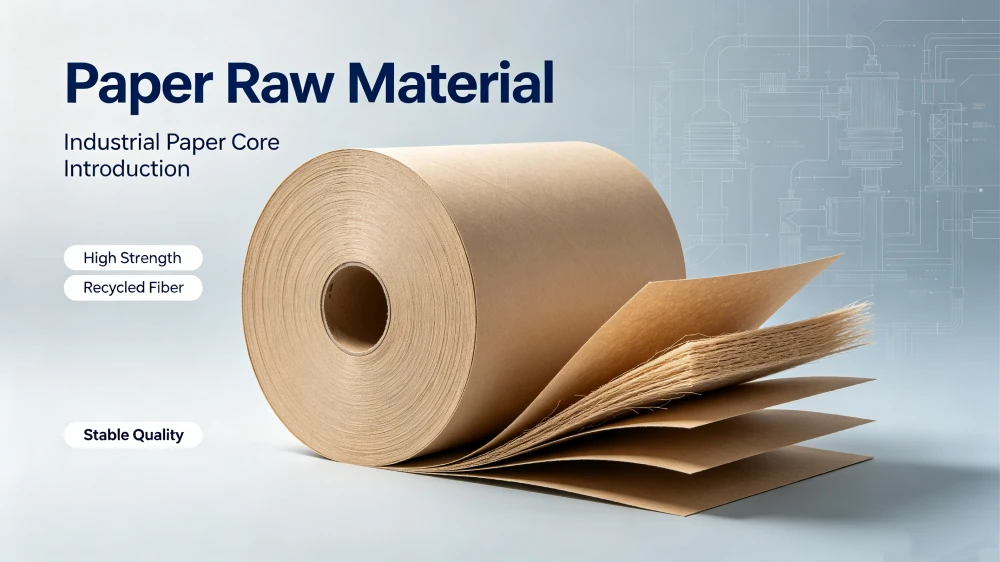
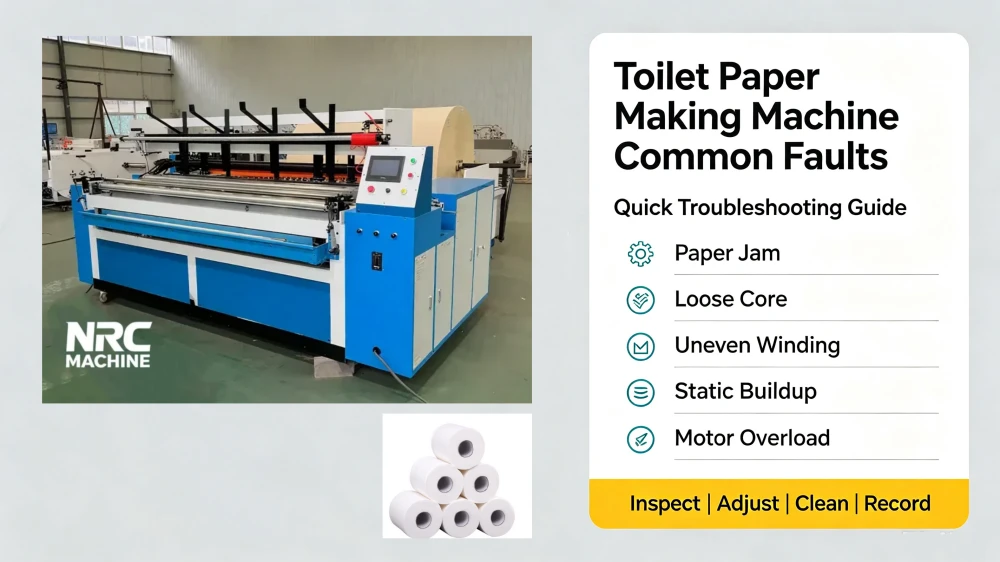
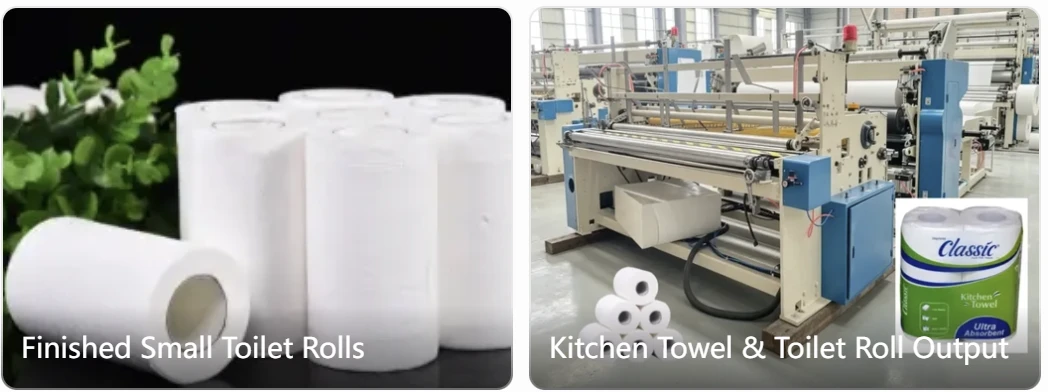
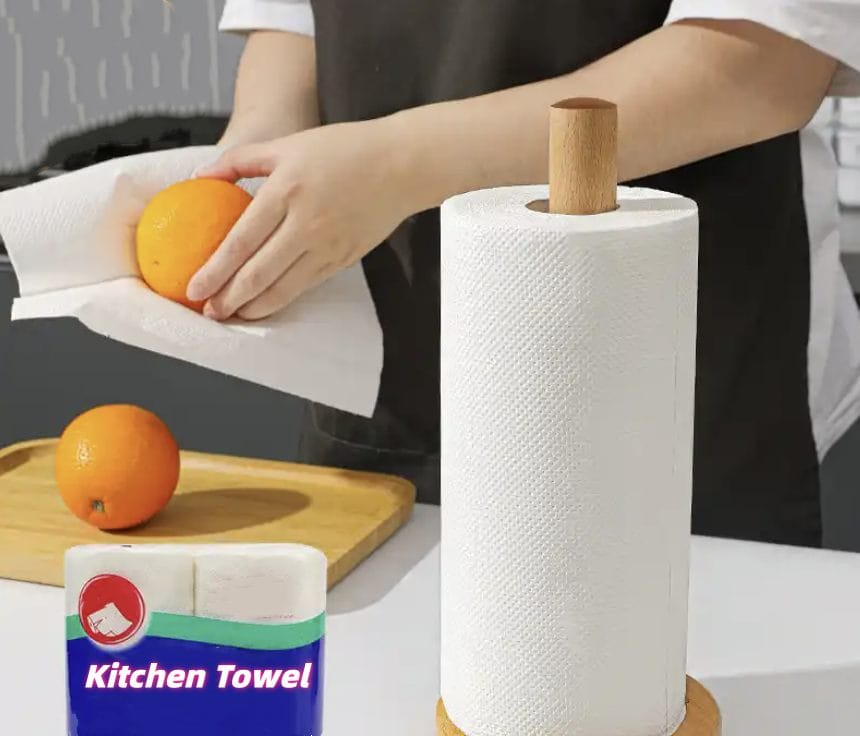
Hammadde ve Elyaf Morfolojisi
- Bambu Hamuru
- Elyaf uzunluğu: 5-2,0 mm(sert ağaç ve yumuşak ağaç arasında)
- Selüloz: >90%; Lignin: <20%
- Büyüme döngüsü: 3-5 yıl; Yüksek verim (hektar başına ~30%)
- Odun Hamuru
- Yumuşak Ağaç: 2,5 mm uzunluğunda lifler (mukavemet); Parke: 1 mm kısa lifler (yumuşaklık)
- Büyüme döngüsü: 25-30 yıl(sert ağaç), 40-50 yıl (yumuşak ağaç)
Üretim Süreci ve Çevresel Etki
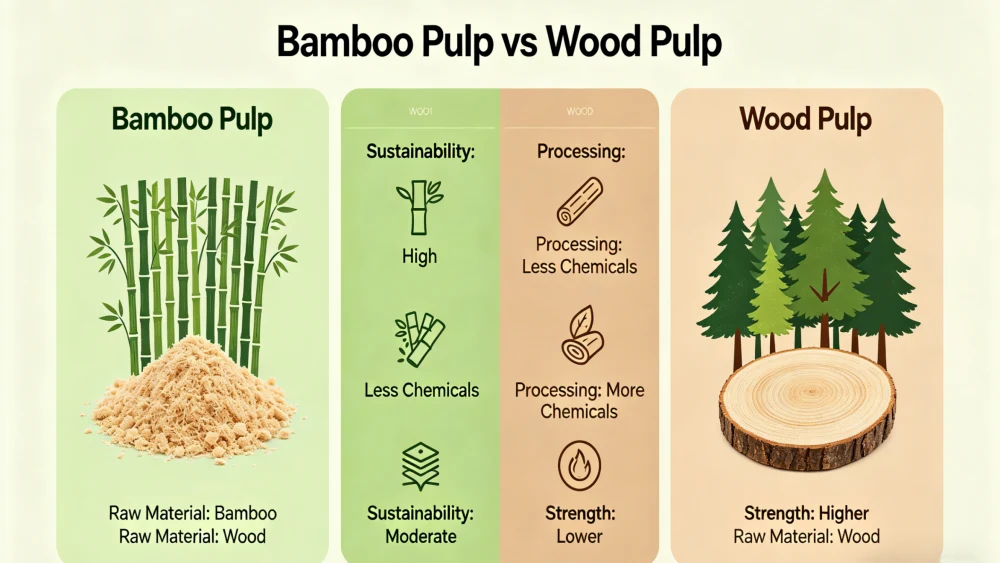
| Aspect | Bambu Hamuru | Odun Hamuru |
| Enerji Kullanımı | 30% daha az enerji; kurutma ~700-800 kWh/t | Daha yüksek; kurutma ~1.000 kWh/t |
| Su Tüketimi | 25% daha düşük | Daha yüksek |
| Emisyonlar | 40% daha az sülfür bileşikleri | Daha yüksek kirleticiler |
| Karbon Tutulması | Emer 30% daha fazla CO₂ ağaç plantasyonlarından daha | Daha düşük |
| Ağartma | ECF/TCF (daha hafif) | Klor bazlı (daha sert) |
Kağıt Mendil Performansı
- Yumuşaklık: Bambu +18%geleneksel odun hamuruna karşı; odun hamuru (sert ağaç) ultra yumuşaktır
- Emicilik: Bambu +21%; Mükemmel ıslak mukavemet
- Güç: Bambu çekme dayanımı +20%; Odun hamuru (yumuşak ağaç karışımı) yüksek kuru mukavemete sahiptir
- Antibakteriyel: Bambu Bambu-kun(inhibe eder 60% bakteriler); odun hamurunun doğal antibakteriyel özelliği yoktur
- Doku: Bambu: doğal bej, hafif dokulu; Odun hamuru: parlak beyaz, ultra pürüzsüz
Maliyet ve Pazar Pozisyonu
- Bambu Hamuru
- Fiyat: ¥5,800-6,500/ton(Çin, 2025)
- Artıları: İstikrarlı uzun vadeli tedarik, premium eko-markalama
- Eksileri: Daha yüksek işlem maliyeti, sınırlı küresel kapasite
- Odun Hamuru
- Fiyat: Değişken (küresel pazar); ithal sert ağaç ~¥6,000/ton
- Artıları: Olgun tedarik zinciri, büyük ölçekli üretim
- Eksileri: Ormansızlaşma riski, karbon tarifeleri baskısı
Sürdürülebilirlik ve Uygulamalar
- Bambu Hamuru
- Sürdürülebilirlik: Yüksek oranda yenilenebilir, FSC/OEKO-TEX sertifikalı, gübrelenebilir
- En iyi kullanım alanları: Premium kağıt mendiller, hijyen ürünleri, gıda ile temas eden kağıtlar, eko-markalar
- Odun Hamuru
- Sürdürülebilirlik: Orman yönetimine bağlıdır; FSC/PEFC sertifikalı seçenekler mevcuttur
- En iyi kullanım için: Toplu pazar mendilleri, ultra yumuşak yüz mendilleri, düşük maliyetli ürünler
Özet
- Bambu Hamuru: Superior sürdürülebi̇li̇rli̇k, antibakteriyelözellikleri ve emicilik; Birinci sınıf çevre dostu kağıt mendiller için idealdir.
- Odun Hamuru: Eşsiz yumuşaklıkve maliyet verimliliği; kitlesel pazar ürünlerinde baskındır.
- Trend: Karışık kağıt hamuru (40% bambu + 60% ahşap) performans, maliyet ve sürdürülebilirliği dengeler.
Sıkça Sorulan Sorular
1. Hammadde özellikleri açısından bambu hamuru ile odun hamuru arasındaki temel farklar nelerdir?
Bambu hamuru 5-2 mm ölçülerinde liflere, 90%'den fazla selüloz içeriğine ve 20%'den az lignine ve 3-5 yıllık bir büyüme döngüsüne sahiptir. Odun hamuru tipik olarak yumuşak ve sert ağaçtan elde edilir, lif uzunlukları sırasıyla 2,5 mm ve 1 mm'dir ve 25-50 yıllık daha uzun büyüme döngülerine sahiptir.
2. Aşağıdakilerin çevresel etkisi nasıldır bambu hamuru üretimi odun hamuru ile karşılaştırır mısınız?
Bambu hamuru üretimi yaklaşık 30% daha az enerji ve su kullanır, 40% daha az sülfür bileşiği yayar ve odun hamuruna göre 30% daha fazla CO₂ emer, bu da onu daha çevre dostu yapar.
3.Bambu hamurundan yapılan kağıt mendil hangi açılardan odun hamurundan yapılan kağıt mendilden daha üstündür?
Bambu kağıt mendil 18% daha yumuşaktır, 21% daha iyi emer, 20% daha yüksek gerilme mukavemetine sahiptir, 60% bakteriyi engelleyen antibakteriyel özelliklere sahiptir ve daha pürüzsüz, ultra yumuşak ancak antibakteriyel olmayan odun hamuru kağıdına kıyasla doğal dokulu bej bir görünüme sahiptir.
4. Odun hamuruna kıyasla bambu hamurunun pazar avantajları ve dezavantajları nelerdir?
Bambu hamuru uzun vadeli istikrarlı bir tedarik ve birinci sınıf eko-marka sunar, ancak daha yüksek işleme maliyetlerine ve sınırlı kapasiteye sahiptir. Buna karşılık, odun hamuru olgun, büyük ölçekli bir tedarik zincirine sahiptir ancak ormansızlaşma ve karbon tarifeleri riskleriyle karşı karşıyadır.
5. Bambu hamuru ve odun hamuru için başlıca uygulamalar ve sürdürülebilirlik hususları nelerdir?
Bambu hamuru yüksek oranda yenilenebilir, FSC/OEKO-TEX sertifikalıdır ve birinci sınıf ve çevre dostu ürünler için uygundur. Odun hamurunun sürdürülebilirliği FSC/PEFC sertifikalı orman yönetimine bağlıdır ve yaygın olarak kitlesel pazar dokusu ve düşük maliyetli ürünler için kullanılır.