Yeni bir kağıt mendil fabrikası için ekipman karşılaştırması yapıyorsanız veya mevcut bir hattı genişletiyorsanız, tuvalet kağıdı makinesi kapasite kılavuzu bu sektördeki en pahalı satın alma hatalarından birini önlemeye yardımcı olur - kağıt üzerinde verimli görünen ancak gerçek fabrika koşullarınıza uymayan bir makine satın almak.

Kapasite sadece fiyat teklifindeki bir sayı değildir. Alıcılar genellikle “günde ton” veya “dakikada rulo” ister, ancak gerçek üretim hammadde GSM, jumbo rulo genişliği, kabartma gereksinimleri, perforasyon doğruluğu, geri sarma hızı, maça işleme, tomruk testere çıkışı, paketleme akışı ve tutarlı bir şekilde çalıştırabileceğiniz vardiya sayısına bağlıdır. Yüksek verim için derecelendirilmiş bir makine, aşağı akış bölümlerinden biri ayak uyduramazsa yine de düşük verimli bir hat haline gelebilir.
Bir tuvalet kağıdı makinesi kapasite kılavuzu neleri ölçmelidir?
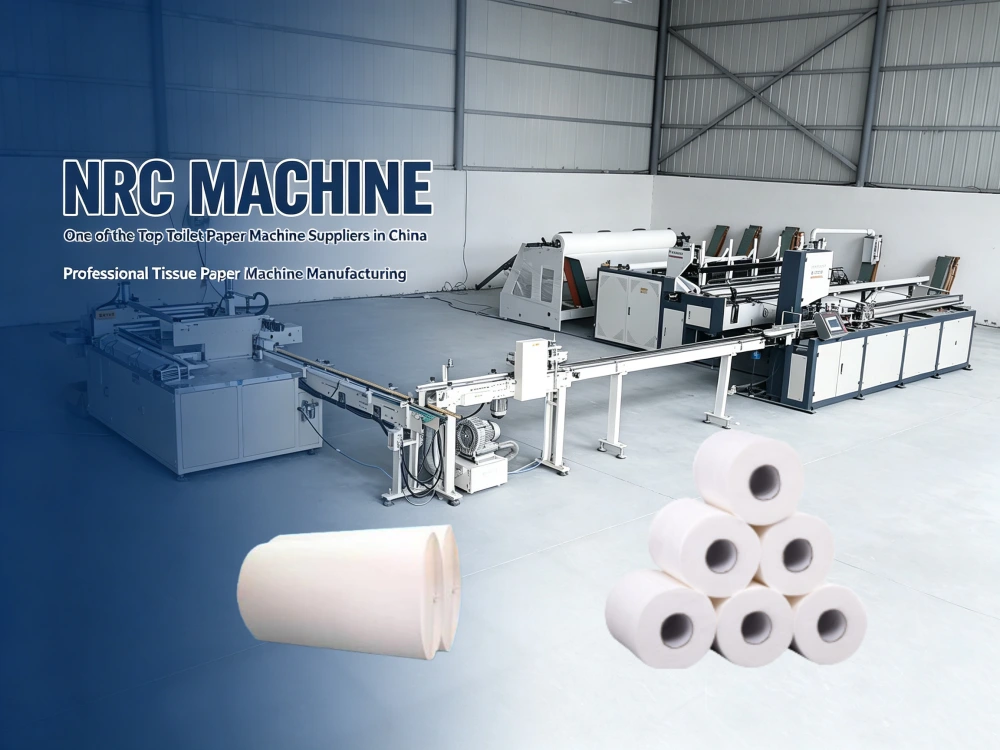
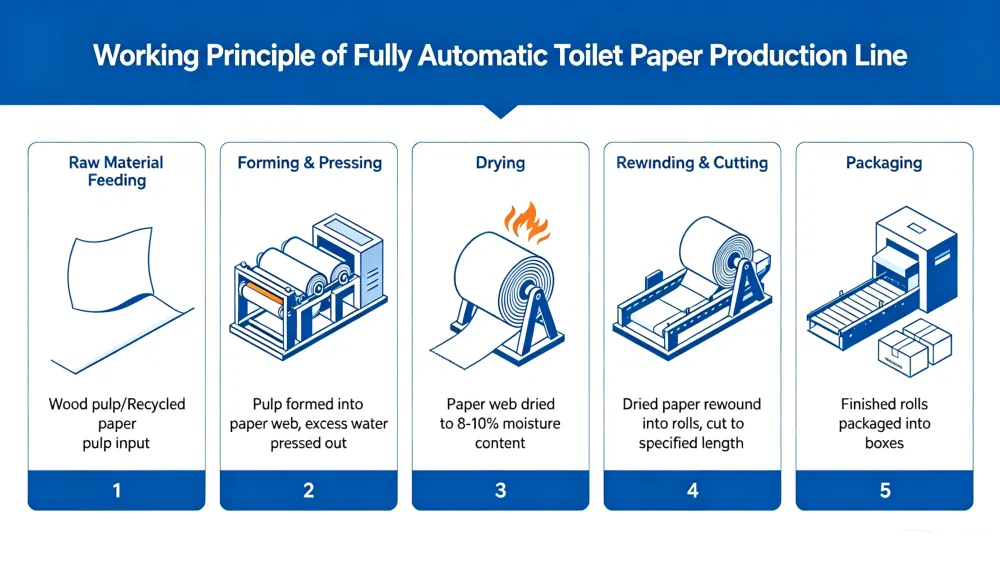
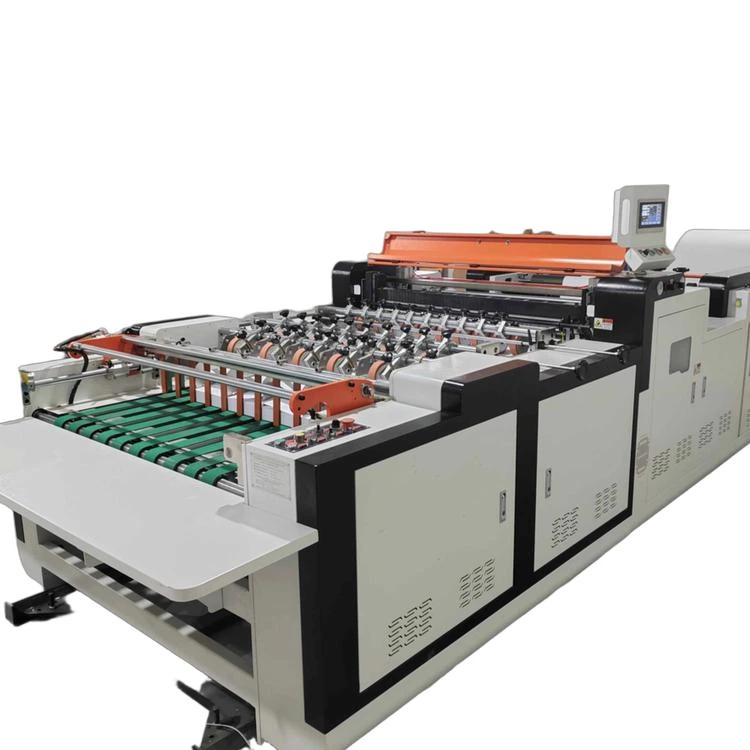
İlk nokta basittir: kapasite sadece geri sarma bölümünde değil, tüm dönüştürme süreci boyunca ölçülmelidir. İçinde tuvalet kağıdı üretimi, çıkış, jumbo rulo açma ile başlar ve kabartma, perforaj, geri sarma, kütük biriktirme, kesme ve paketleme ile devam eder. Bir bölüm yavaşlarsa, gerçek hat kapasiteniz o darboğazın hızına düşer.
Bu nedenle ciddi alıcılar en az üç kapasite referansı istemelidir. Birincisi teorik makine hızıdır. İkincisi normal üretimdeki istikrarlı çalışma hızıdır. Üçüncüsü ise hedef ürün özelliklerine göre vardiya veya gün başına beklenen nihai çıktıdır. Bu üç rakam aynı değildir ve bunların karıştırılması kötü yatırım kararlarına yol açar.
Ticari açıdan faydalı bir kapasite kılavuzu da makine hızını satılabilir çıktıdan ayırır. Hızlı geri sarma değerlidir, ancak yalnızca bitmiş rulolar çap toleransını, yaprak sayısı tutarlılığını, perforasyon kalitesini ve paketleme gereksinimlerini karşılıyorsa. Standart kalitede paketlenemeyen ve satılamayan üretim gerçek kapasite değildir.
Çıktı ürün özelliklerine bağlıdır
Bir tuvalet kağıdı makinesi kapasite kılavuzu, yalnızca ürün formatı net bir şekilde tanımlandığında doğrudur. İki alıcı aynı makineyi çalıştırabilir ve çok farklı günlük çıktılar elde edebilir çünkü bitmiş ruloları farklıdır.
Rulo çapının doğrudan bir etkisi vardır. Daha büyük bitmiş rulolar birim başına daha fazla kağıt tüketir, daha uzun geri sarma süresi gerektirir ve sonraki kesim ve paketleme ritmini etkiler. Tabaka uzunluğu ve tabaka sayısı da önemlidir. Pazarınız daha kısa yapraklı ekonomik rulolar satıyorsa, kapasite dakika başına rulo olarak daha yüksek görünebilir. Pazarınız daha fazla yapraklı, kabartmalı desenli veya yapıştırılmış kuyruklu premium rulolar talep ediyorsa, aynı hat verimli çalışsa bile daha az sayıda bitmiş rulo üretebilir.
Çekirdekli veya çekirdeksiz üretim başka bir fark yaratır. Özsüz doku bazı malzeme maliyetlerini azaltabilir, ancak farklı bir makine konfigürasyonu ve işleme yaklaşımı gerektirebilir. Kabartma türü de performansı değiştirir. Basit kabartma genellikle lamine veya premium dekoratif desenlerden daha yüksek sabit hızları destekler.
Bu nedenle, makine seçimi her zaman satmayı düşündüğünüz ürünle başlamalıdır, katalogda bulunan en yüksek hız ile değil.
Tuvalet kağıdı makinesi kapasitesinin arkasındaki gerçek faktörler
Jumbo rulo genişliği en pratik başlangıç noktalarından biridir. Daha geniş bir ana rulo daha fazla şerit veya daha büyük üretim hacmi sağlar, ancak aynı zamanda makine boyutunu, güç talebini, atölye düzenini ve operatör kullanımını da etkiler. Kapasite genişlikle birlikte artar, ancak alan gereksinimleri ve hammadde lojistiği de artar.
Sarma hızı çoğu alıcının ilk baktığı rakamdır, ancak perforasyon stabilitesi ve tülbent kontrolü ile birlikte kontrol edilmelidir. Bir makine gösteri koşullarında hızlı bir şekilde hızlanabilir, ancak uzun vadeli çıktı, istikrarlı gerginlik kontrolüne ve tutarlı kağıt besleme. Sık tülbent kopmaları, zayıf kenar takibi veya hatalı perforasyon gerçek vardiya çıktısını azaltacaktır.
Otomasyon seviyesi de kapasiteyi değiştirir. Yarı otomatik sistemler daha düşük hacimli fabrikalar veya daha düşük işçilik maliyeti olan pazarlar için uygun maliyetli olabilir, ancak geri sarma, kütük aktarımı, kesme ve paketleme arasındaki operatör ritmine daha fazla bağlıdırlar. Tam otomatik hatlar genellikle daha iyi çıktı tutarlılığı ve ton başına daha düşük işçilik sağlar, ancak daha büyük bir sermaye bütçesi ve bakım ve kurulumda daha güçlü teknik disiplin gerektirir.
Duruş süresi genellikle hafife alınır. Makara değişimi, bıçak değişimi, kabartma silindiri temizliği, kağıt diş açma, ve vardiya devri net çıktıyı azaltır. Gerçekçi bir kapasite planı brüt mevcut saatleri hesaplamalı ve ardından beklenen duruş sürelerini çıkarmalıdır. Bu size işgücü, depolama ve nakit akışını planlamak için daha kullanışlı bir net üretim rakamı verir.
Günlük üretim nasıl daha doğru hesaplanır?
Tuvalet kağıdı makinesi kapasite kılavuzunu kullanmanın en iyi yolu, broşür hızından fabrika çıkışına aşamalı olarak geçmektir. Maksimum hız ile değil, makinenin sabit çalışma hızı ile başlayın. Daha sonra bu hızı hedef ürün formatı ve işlenen gerçek şerit veya kütük sayısıyla eşleştirin.
Bundan sonra, bir verimlilik faktörü uygulayın. Birçok fabrikada, kağıt değişimi, operatörün tepki süresi, mekanik ayarlama ve normal duruşlar nedeniyle gerçek üretim nominal hızın daha düşük bir yüzdesinde gerçekleşir. Gerçekçi bir planlama rakamı, iyimser bir rakamdan çok daha değerlidir. Bir hattı finanse eden, işgücünü işe alan ve teslimat tarihleri vaat eden alıcıların ideal koşullara değil, güvenilir çıktı tahminlerine ihtiyacı vardır.
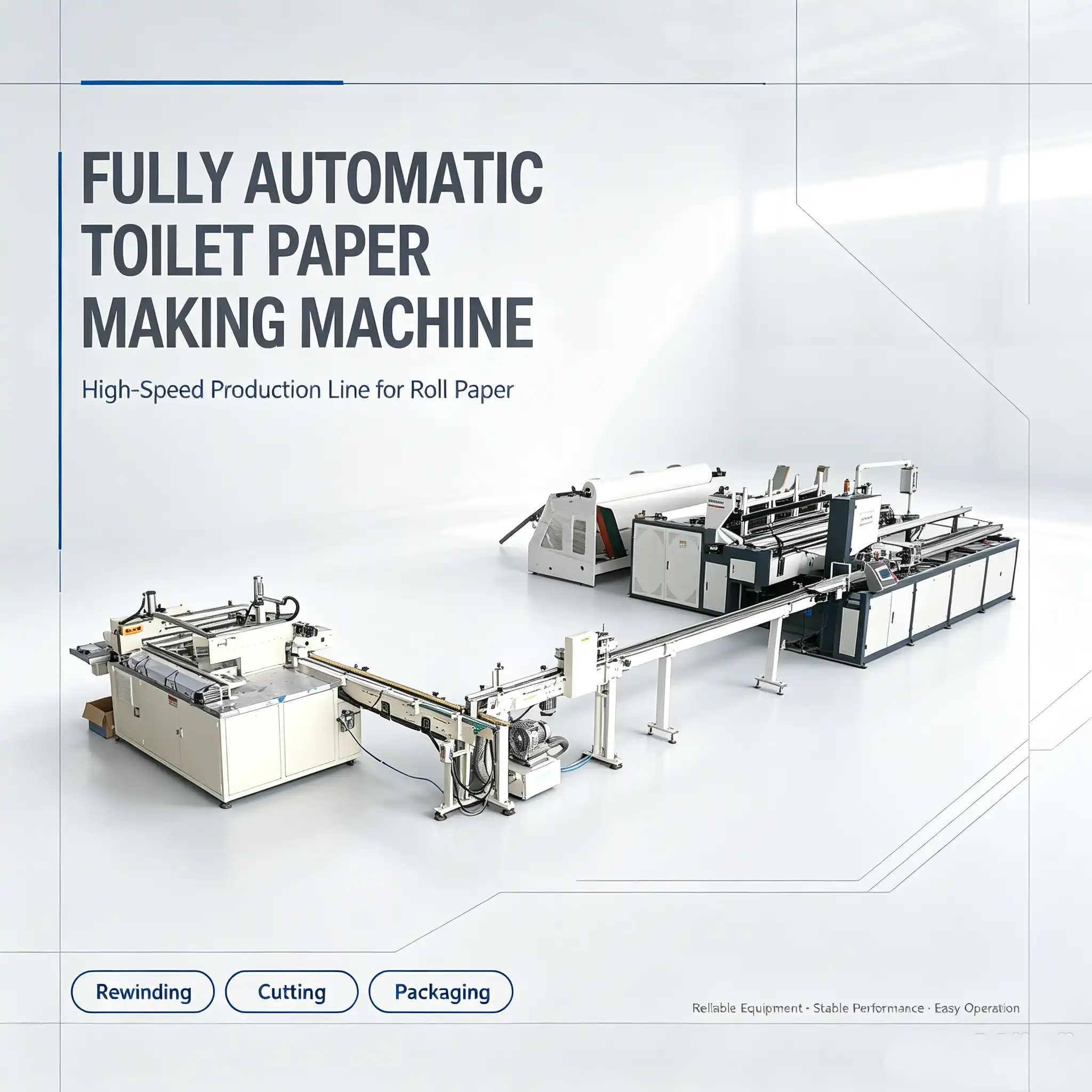
Ardından tomruk testeresi ve paketleme bölümünün aynı hacmi emip ememeyeceğini kontrol edin. Birçok hat tasarımının başarısız olduğu yer burasıdır. Sarıcı agresif çıktı için seçilmiştir, ancak kesme ve paketleme aşaması yetersiz boyuttadır. Sonuç, kütük birikmesi, dur-kalk çalışması ve tüm hat boyunca gizli kayıplardır.
Yeni bir proje inşa ediyorsanız, tedarikçilerden tam rulo çapınıza göre kapasite tahmini yapmalarını isteyin, çekirdek boyutu, levha uzunluğu, kabartma gereksinimi ve günlük planlanan çalışma saatleri. Bu size pazar gerçekliğine bağlı bir üretim modeli sunar.
İş aşamasına göre kapasite seçimi
Yeni kurulan bir fabrika ve yüksek hacimli bir bölgesel tedarikçi aynı konfigürasyonu satın almamalıdır.
Piyasaya yeni giren bir şirket için doğru kapasite genellikle, yerel pazarda ürün testine olanak tanırken nakit akışını da koruyan dengeli bir orta sınıf hattıdır. Satış kanalları istikrarlı hale gelmeden önce yüksek hızlı ekipmanlara aşırı harcama yapmak envanter, finansman ve operatör eğitimi üzerinde baskı yaratabilir. Erken aşamadaki operasyonlarda, orta düzeyde çıktı ile güvenilir bir şekilde çalışan bir makine, yeterince kullanılmayan daha büyük bir hattan daha iyi iş sonuçları üretebilir.
Dağıtım ve tekrarlanan siparişleri onaylanmış yerleşik bir işleyici için daha yüksek kapasiteli hatlar daha mantıklıdır. Pazarınız hacmi absorbe edebildiğinde, otomasyon birim maliyetini düşürmeye, tutarlılığı artırmaya ve birden fazla vardiyayı desteklemeye yardımcı olur. Bu aşamada, hat entegrasyonu tek başına makine fiyatından daha önemli hale gelir.
İhracat odaklı alıcıların makinenin ötesini de düşünmeleri gerekir. Güç kaynağı istikrarı, yedek parça planlaması, mevcut teknisyenler ve nakliye erişimi, kurulumdan sonra nominal kapasitenin gerçekte ne kadarına ulaşılacağını etkiler.
Kapasite tam üretim hattına uygun olmalıdır
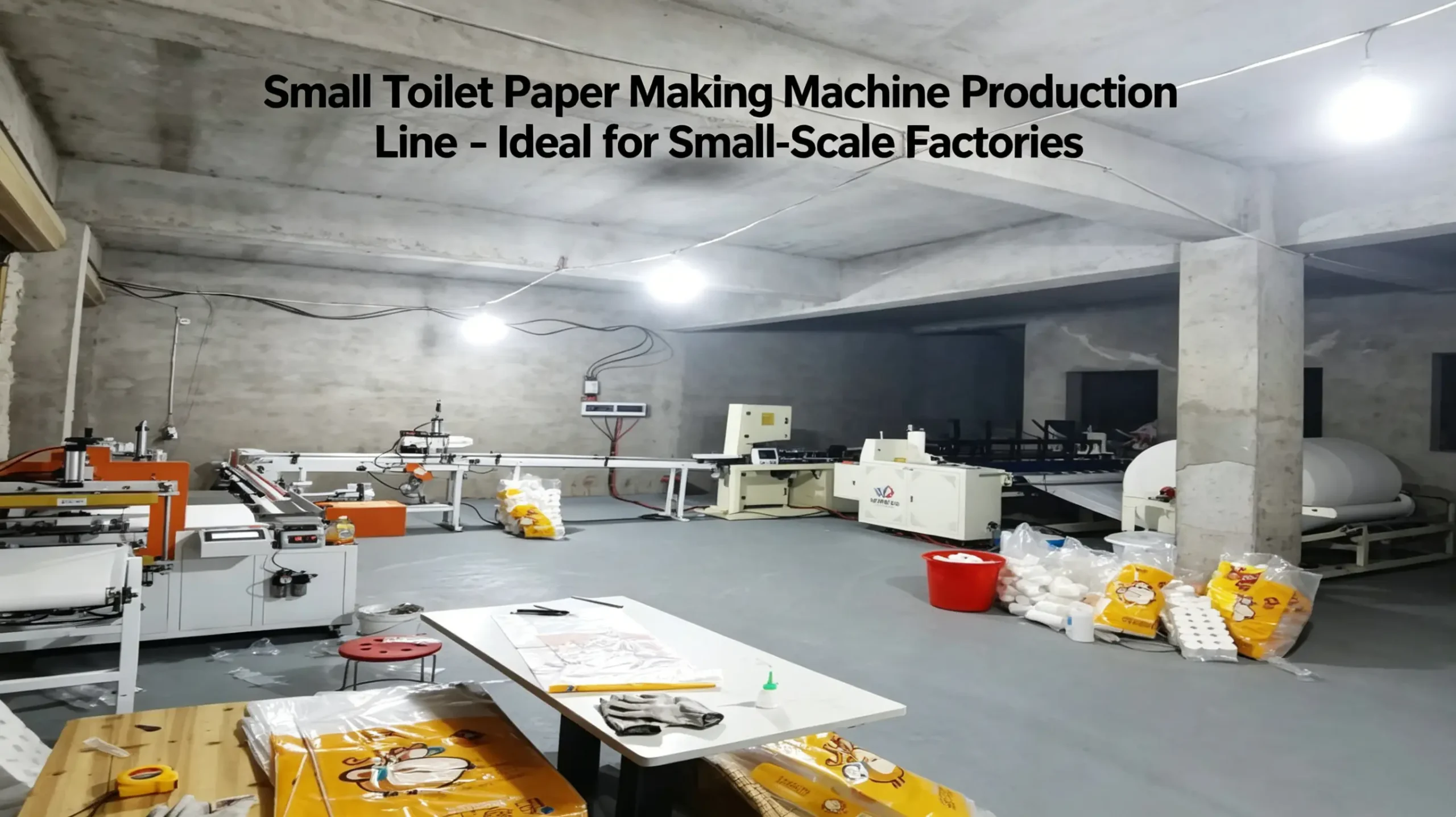
Tuvalet kağıdı dönüştürme tek makineli bir karar değildir. Sarıcı, akümülatör, tomruk testeresi ve paketleme ekipmanınız birlikte çalışacak şekilde boyutlandırılmalıdır. Bir makine diğerinden önemli ölçüde daha hızlı veya yavaşsa, hat verimlilik kaybeder.
İşte bu noktada deneyimli bir üreticiyle çalışmak önemlidir. Geniş dönüştürme ekipmanı deneyimine sahip bir fabrika doğrudan tedarikçisi, izole makineler teklif etmek yerine hat boyunca kapasitelerin hizalanmasına yardımcı olabilir. Bu, güçlü bir sarıcı satın alma ve ardından paketleme aşamanızın çıktıyı destekleyemediğini keşfetme riskini azaltır.
NRC Machine, özellikle projeler yeni tesis kurulumu, ihracat nakliyesi ve satış sonrası desteği içerdiğinde, bu pratik uyuma ihtiyaç duyan alıcılarla çalışır. Uluslararası alıcılar için bu koordinasyon genellikle hız derecelendirmesinin kendisi kadar önemlidir.
Alıcıların sipariş vermeden önce sorması gereken sorular
Bir teklifi onaylamadan önce, teklif edilen kapasitenin hangi ürün spesifikasyonuna dayandığını sorun. Çıktı rakamının teorik mi yoksa sabit çalışma hızı mı olduğunu sorun. Kaç operatör gerektiğini ve ne düzeyde eğitim beklendiğini sorun. Rulo boyutu veya kağıt sınıfı değiştirildiğinde çıktıya ne olacağını sorun.
Ayrıca beklenen duruş süresi varsayımlarını ve sonraki kesim ve paketleme bölümlerinin sarıcı ile eşleştirilip eşleştirilmediğini de sormalısınız. Bunlar pratik sorulardır, ancak tedarikçinin gerçek bir üretim çözümü mü yoksa sadece bir başlık numarası mı sattığını ortaya çıkarırlar.
En iyi kapasite kararı, karşılayabileceğiniz en büyük makine değildir. İşletmenizin destekleyebileceği bir maliyet yapısında tekrarlanabilir, satılabilir çıktı sağlayan makine ve hat yapılandırmasıdır. Kapasite planlaması doğru yapıldığında, hızdan daha fazlasını kazanırsınız. Programlama kontrolü, daha öngörülebilir marjlar ve her gün pazarınızla savaşmak yerine onunla birlikte büyüyebilen bir üretim hattı kazanırsınız.
İyi bir satın alma kararı dürüst rakamlarla başlar. Ürününüzü net bir şekilde tanımlar ve kapasiteyi gerçek operasyonunuzla eşleştirirseniz, doğru makineyi belirlemek daha kolay hale gelir.