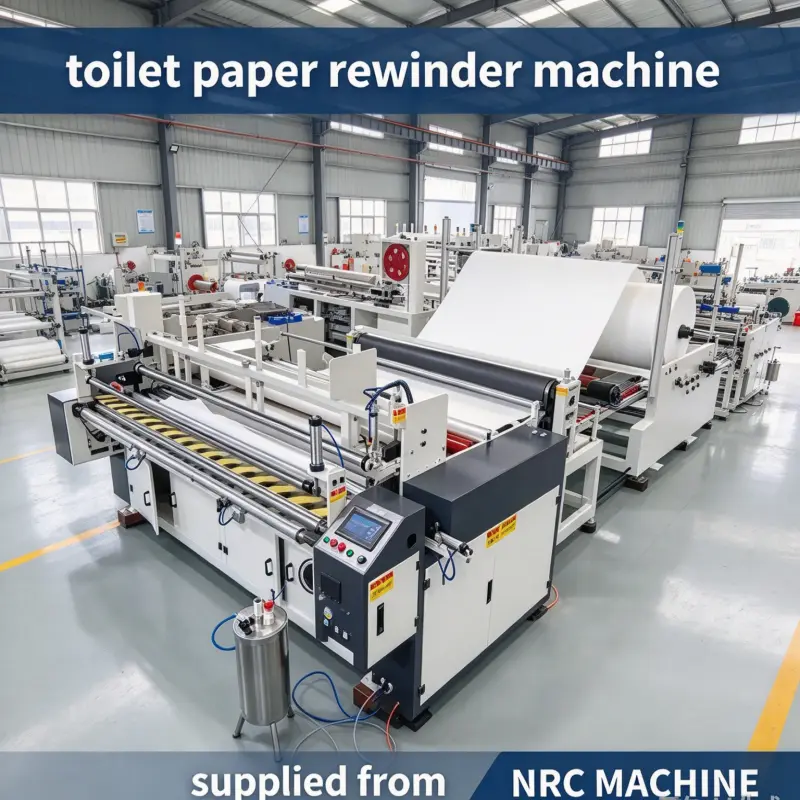
Tổng quan về giấy ống sợi
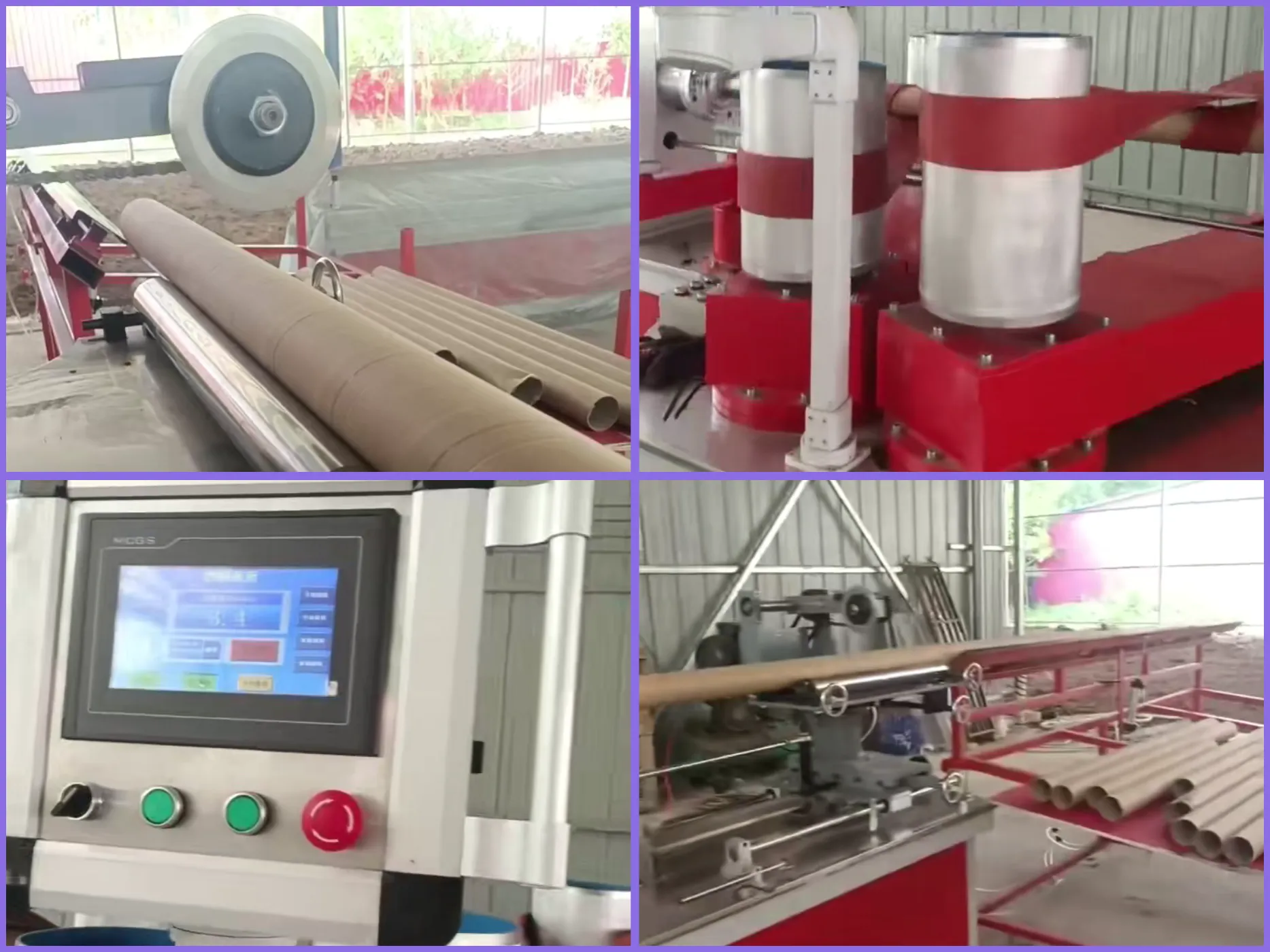
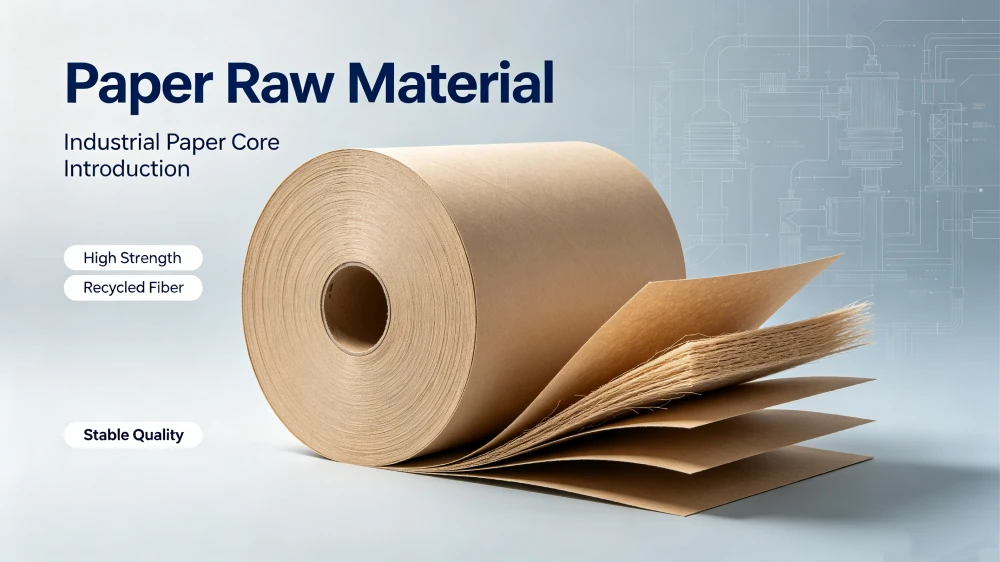
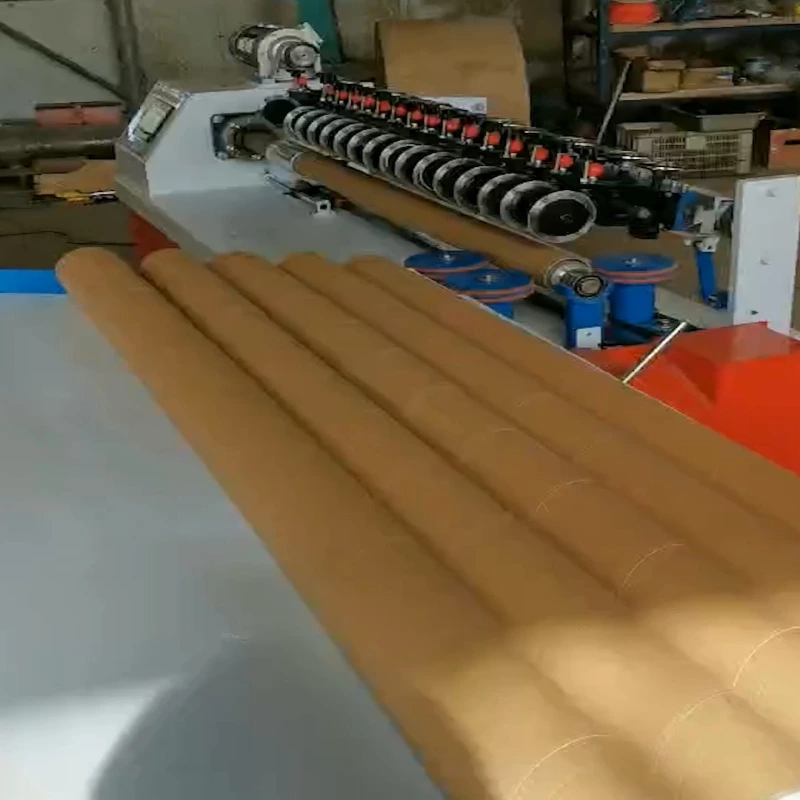
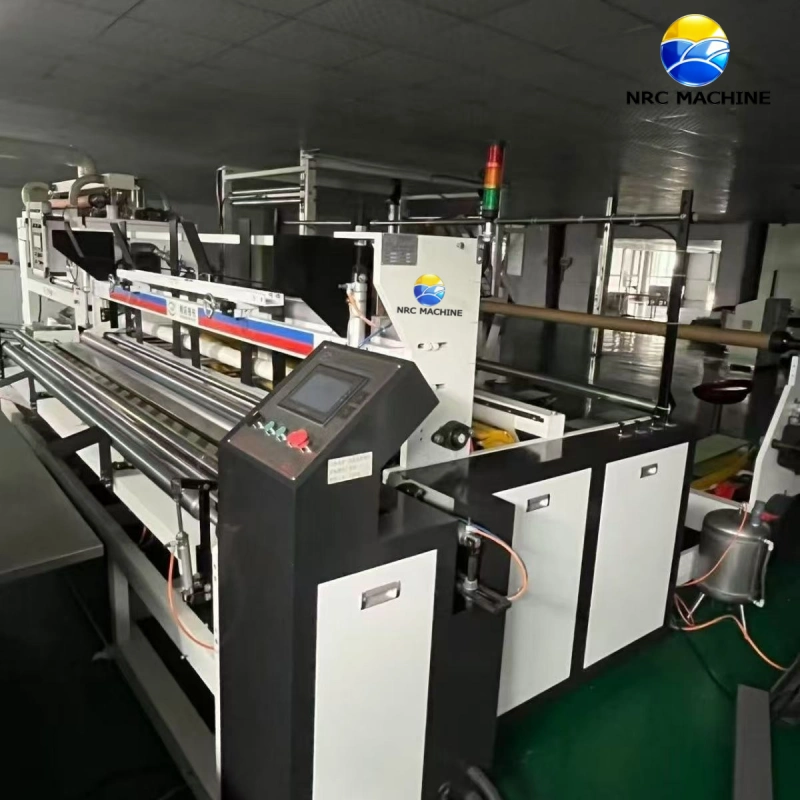
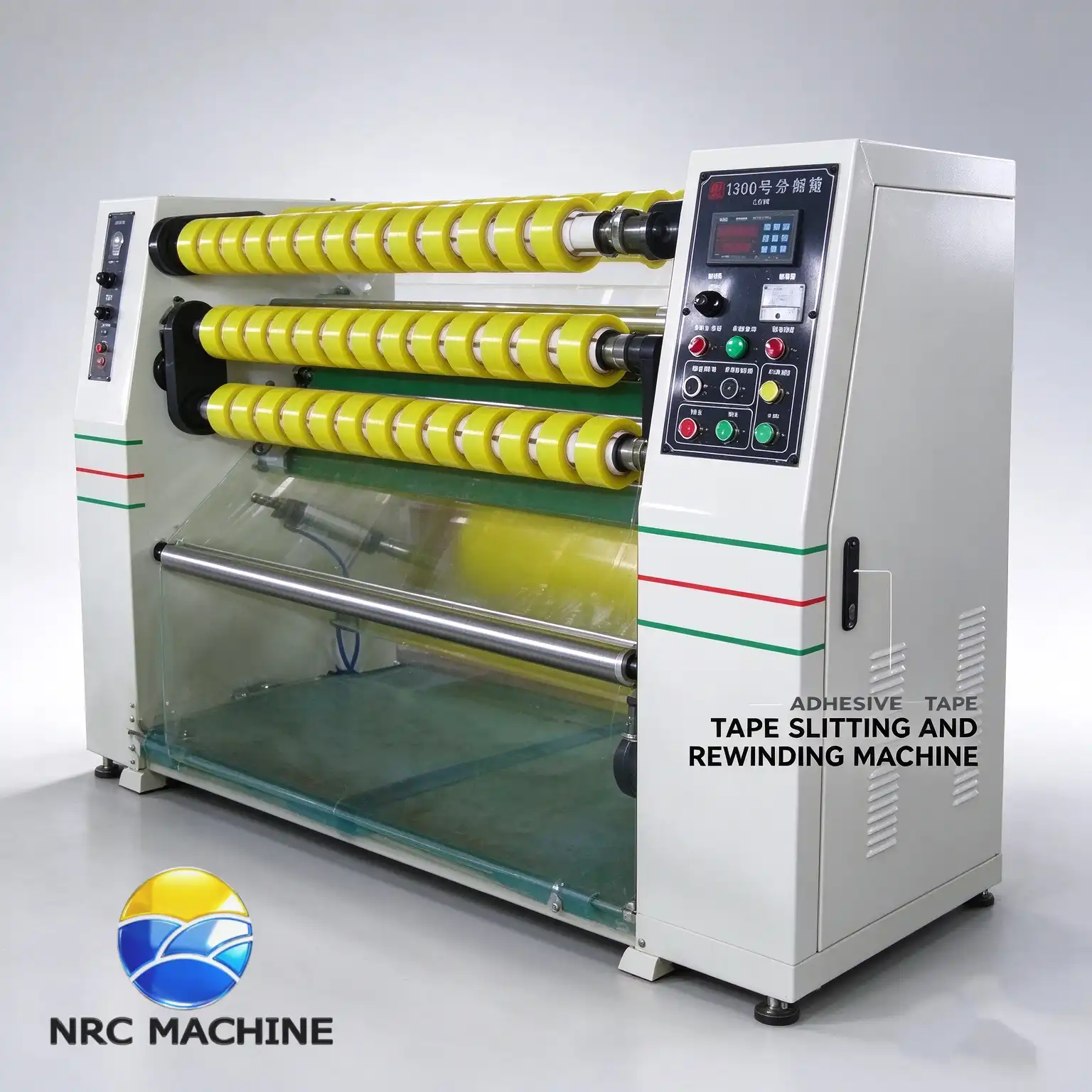
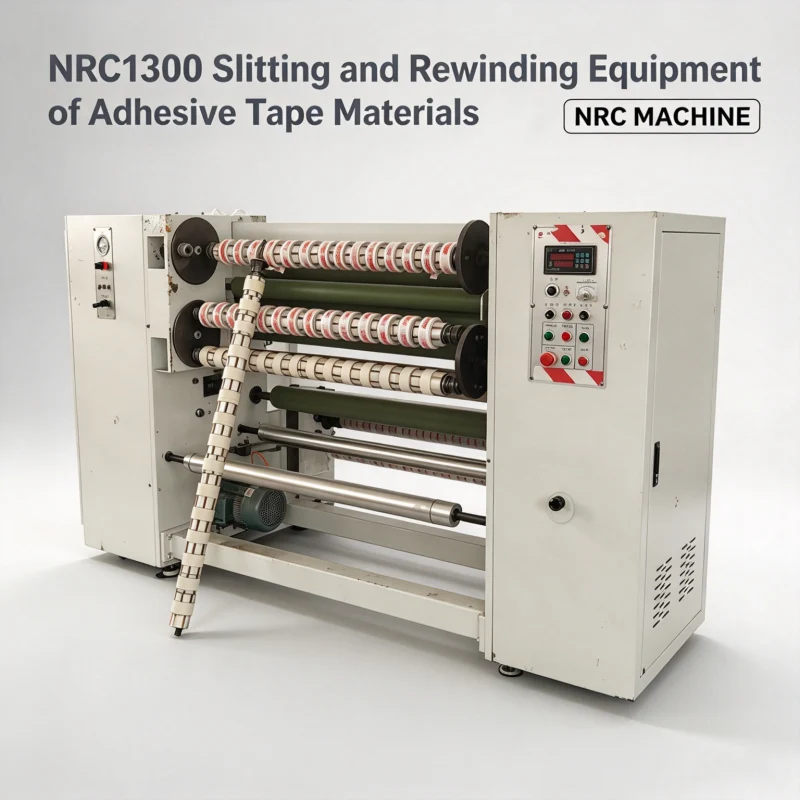
Giấy làm ống sợi (hay giấy lõi) là loại giấy chuyên dụng dành riêng cho sản xuất ống giấy. Trong quá trình sản xuất, các cuộn giấy gốc cỡ lớn được cắt dọc và cuộn lại thành các cuộn giấy hẹp thông qua giấy máy cắt cuộn, sau đó được chế biến thành ống giấy xoắn ốc bởi máy sản xuất ống giấy xoắn ốc hoặc ống giấy xoắn ốc dùng trong các ứng dụng công nghiệp hạ nguồn. Máy sản xuất ống giấy xoắn ốc sử dụng giấy ống sợi xoắn chất lượng cao để đảm bảo độ bền kết cấu và độ bền của các ống giấy xoắn ốc được sản xuất, vốn được ứng dụng rộng rãi trong ngành dệt may, đóng gói và các ngành công nghiệp khác.
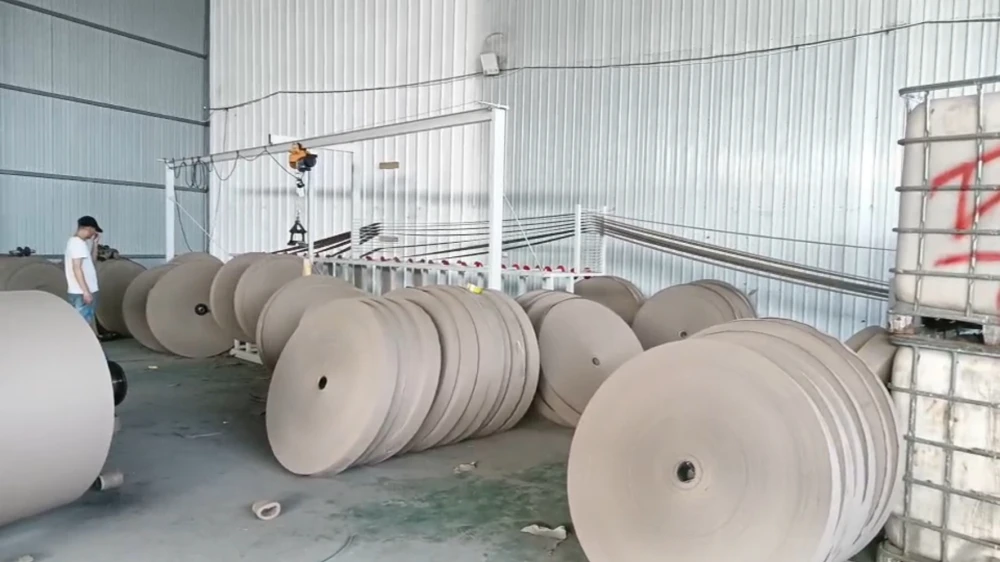
Diễn biến thị trường – Nửa đầu tháng 4
Hoạt động giao dịch ảm đạm & Tâm lý chờ xem chiếm ưu thế
Hoạt động giao dịch trên thị trường giấy ống sợi đã giảm đáng kể trong nửa đầu tháng 4, với tâm lý chờ đợi và quan sát chiếm ưu thế trong toàn ngành.
Nhu cầu ở thị trường hạ nguồn không được giải phóng một cách hiệu quả, và các nhà sản xuất ống giấy không nhận được đủ đơn đặt hàng mới. Với quan điểm thận trọng về triển vọng thị trường trong tương lai, các nhà mua chỉ mua đủ lượng cần thiết để đáp ứng nhu cầu cơ bản và đứng ngoài quan sát diễn biến giá cả. Hầu hết các nhà máy giấy duy trì mức giá xuất xưởng ổn định, trong khi một số ít đã hạ giá chào bán tại nhà máy. Thị trường chung vẫn ổn định, song giá giao dịch có xu hướng giảm tại các thị trường khu vực.
Theo số liệu thống kê của Zhuochuang Information (301299), giá giao ngay trung bình trong nước của Giấy ống cho sợi kéo tiêu chuẩn 200 tính đến ngày 16 tháng 4, mức giá là 500 USD/tấn, giảm 1.201 TP3T so với đầu tháng 4 và tăng 9.581 TP3T so với cùng kỳ năm ngoái.
Tỷ lệ vận hành cao hơn và áp lực tồn kho gia tăng
Các nhà máy giấy nhìn chung vẫn duy trì hoạt động sản xuất bình thường trong tháng 4, giúp nâng cao tỷ lệ vận hành chung và làm gia tăng áp lực tồn kho.
Trong tháng 3, các biện pháp hạn chế sản xuất vì lý do môi trường tại tỉnh Hà Bắc đã khiến một số dây chuyền sản xuất phải tạm ngừng hoạt động, từ đó giúp duy trì lượng hàng xuất xưởng ổn định tại các nhà máy giấy địa phương. Đến tháng 4, các dây chuyền sản xuất lần lượt hoạt động trở lại với công suất tối đa, giúp cả sản lượng và tỷ lệ sử dụng công suất đều có xu hướng tăng.
Tính đến ngày 16 tháng 4, sản lượng hàng tuần của giấy ống sợi đã đạt 63.800 tấn, tăng 1,561% so với tuần cuối cùng của tháng 3; tỷ lệ công suất hoạt động hàng tuần đạt 54,141%, tăng 0,83 điểm phần trăm. Tuy nhiên, sự phục hồi nhu cầu chưa đủ mạnh đã dẫn đến lượng đơn đặt hàng giảm sút đối với các nhà sản xuất giấy ống. Người mua vẫn thận trọng trong việc mua nguyên liệu và chỉ đáp ứng nhu cầu thiết yếu. Lượng hàng xuất xưởng của các nhà máy giấy giảm rõ rệt, khiến mức tồn kho tăng lên.
Áp lực nguồn cung gia tăng đã buộc một số nhà sản xuất phải giảm giá xuất xưởng, kéo theo sự sụt giảm của mức giá giao dịch trung bình trong khu vực. Tính đến ngày 16 tháng 4, lượng hàng tồn kho của các doanh nghiệp sản xuất giấy ống sợi trong nước được khảo sát đã tăng 2.051 tấn so với cuối tháng 3, tạo thành một xu hướng rõ rệt cấu trúc thị trường dư cung.
Nhu cầu tại thị trường đầu cuối yếu và tâm lý bi quan trong ngành
Thị trường đã bước vào giai đoạn thấp điểm truyền thống vào đầu tháng 4, với nhu cầu tại các cảng vẫn ở mức thấp.
Tính đến ngày 16 tháng 4:
- Các ngành sản xuất sợi spandex và sợi nylon duy trì tỷ lệ hoạt động ổn định ở mức trên 80% công suất thiết kế;
- Tỷ lệ hoạt động của ngành sợi acrylic đã giảm mạnh 23,90 điểm phần trăm so với tháng trước;
- Tỷ lệ sử dụng công suất hàng tuần của ngành màng nông nghiệp đã giảm 13 điểm phần trăm xuống còn 37%;
- Tỷ lệ công suất hoạt động của ngành sợi bông giảm nhẹ 0,36 điểm phần trăm, xuống còn 66,071%.
Hầu hết các nhà sản xuất ống giấy đều báo cáo khối lượng đơn hàng mới ở mức hạn chế và tỏ ra bi quan về triển vọng thị trường. Nhu cầu mua hàng vẫn ở mức thấp, chủ yếu chỉ tập trung vào việc bổ sung hàng tồn kho. Nhu cầu cuối cùng yếu ớt đã tạo ra phản ứng tiêu cực trên thị trường, làm chậm lại lượng hàng xuất xưởng của các nhà máy giấy và trở thành yếu tố chính gây áp lực lên giá giấy.
Triển vọng thị trường – Trong một tháng tới
Phía cung: Mâu thuẫn do cung vượt cầu sẽ ngày càng gay gắt
Các nhà máy giấy hiện nay vẫn duy trì lịch sản xuất bình thường nhờ lượng hàng tồn kho dồi dào và nguồn cung giao ngay đủ đáp ứng, từ đó duy trì tình trạng dư cung. Để đẩy nhanh quá trình giảm hàng tồn kho, một số nhà sản xuất có xu hướng cắt giảm giá xuất xưởng, điều này sẽ khiến giá giao dịch tiếp tục giảm.
Hơn nữa, nhà máy sản xuất giấy ống sợi mới tại Sơn Đông dự kiến sẽ đi vào hoạt động, với công suất hàng năm đạt 200.000 tấn. Công suất mới này sẽ gia tăng đáng kể áp lực cung ứng, làm trầm trọng thêm tình trạng dư cung và gây áp lực giảm giá liên tục lên thị trường.
Phía cầu: Lượng cầu được giải phóng hạn chế & mức hỗ trợ yếu
Hiện tại, thị trường giấy ống dùng cho sợi dệt đang bước vào mùa thấp điểm truyền thống về nhu cầu. Hầu hết các nhà sản xuất giấy ống đều phải đối mặt với lượng đơn đặt hàng sụt giảm và có những dự báo thận trọng về diễn biến thị trường trong tương lai. Hoạt động mua sắm chỉ giới hạn ở nhu cầu cơ bản, với mức độ tích cực mua hàng thấp, do đó chỉ mang lại sự hỗ trợ hạn chế cho giá giấy.
Phía chi phí: Áp lực giảm chi phí nguyên liệu
Tấm bìa sóng phế liệu, nguyên liệu chính, hiện đang khan hiếm với xu hướng giá tăng mạnh. Vào cuối tháng 4, lượng hàng tồn kho dự trữ tại các trạm thu gom bao bì phế liệu sẽ được đưa ra thị trường dần dần. Sau kỳ nghỉ lễ 1/5, nguồn cung tấm bìa sóng phế liệu dự kiến sẽ tăng đáng kể, dẫn đến xu hướng giá đầu tiên tăng lên rồi sau đó giảm xuống. Do đó, sự hỗ trợ từ phía chi phí đối với giấy ống sợi sẽ dần suy yếu.
Tổng quan thị trường đầy đủ & Dự báo giá
Tóm lại, hoạt động giao dịch giấy ống sợi đã chững lại trong nửa đầu tháng 4, với sự mất cân bằng cung cầu ngày càng rõ rệt và giá giao dịch tại các khu vực có xu hướng giảm.
Trong tháng tới, sự suy yếu của yếu tố hỗ trợ về chi phí, sự phục hồi chậm chạp của nhu cầu tiêu thụ cuối cùng cùng với nguồn cung mới gia tăng sẽ khiến thị trường tiếp tục rơi vào tình trạng dư cung rõ rệt. Xu hướng giảm giá dự kiến sẽ trở nên rõ ràng hơn, với dự báo giá thị trường trung bình sẽ dao động trong khoảng 500 – 600 mỗi tấn.
Câu hỏi thường gặp
1. Giấy ống sợi là gì và vai trò của nó trong sản xuất là gì?
Giấy cuộn sợi là loại giấy chuyên dụng được sử dụng trong sản xuất ống giấy, đặc biệt là các loại ống xoắn ốc và song song, vốn đóng vai trò thiết yếu trong các ứng dụng dệt may, đóng gói và công nghiệp.
2. Giấy ống sợi được sản xuất như thế nào để đưa ra thị trường?
Sản phẩm được sản xuất bằng cách cắt các cuộn giấy nguyên liệu cỡ lớn thành các cuộn giấy nhỏ hơn bằng máy cắt giấy, sau đó được gia công thành ống giấy xoắn ốc hoặc ống giấy song song thông qua máy sản xuất ống giấy xoắn ốc hoặc các thiết bị tương tự.
3. Xu hướng thị trường của giấy ống sợi trong nửa đầu tháng Tư như thế nào?
Hoạt động giao dịch trên thị trường diễn ra ảm đạm, với tâm lý chờ xem chiếm ưu thế, số lượng đơn đặt hàng mới hạn chế và giá cả nhìn chung ổn định hoặc có xu hướng giảm ở một số khu vực.
4. Những yếu tố cung cầu hiện nay nào đang ảnh hưởng đến giá giấy ống sợi?
Thị trường đang phải đối mặt với tình trạng cung vượt cầu do sản lượng và lượng hàng tồn kho ở mức cao, trong khi nhu cầu vẫn yếu và chỉ đáp ứng được những nhu cầu thiết yếu, dẫn đến áp lực giảm giá.
5. Triển vọng giá giấy ống sợi trong tháng tới như thế nào?
Giá dự kiến sẽ tiếp tục giảm do tình trạng dư cung kéo dài, sự phục hồi nhu cầu còn hạn chế và sự suy yếu của yếu tố hỗ trợ từ chi phí nguyên liệu, với mức giá ước tính dao động trong khoảng 500–600 USD/tấn.