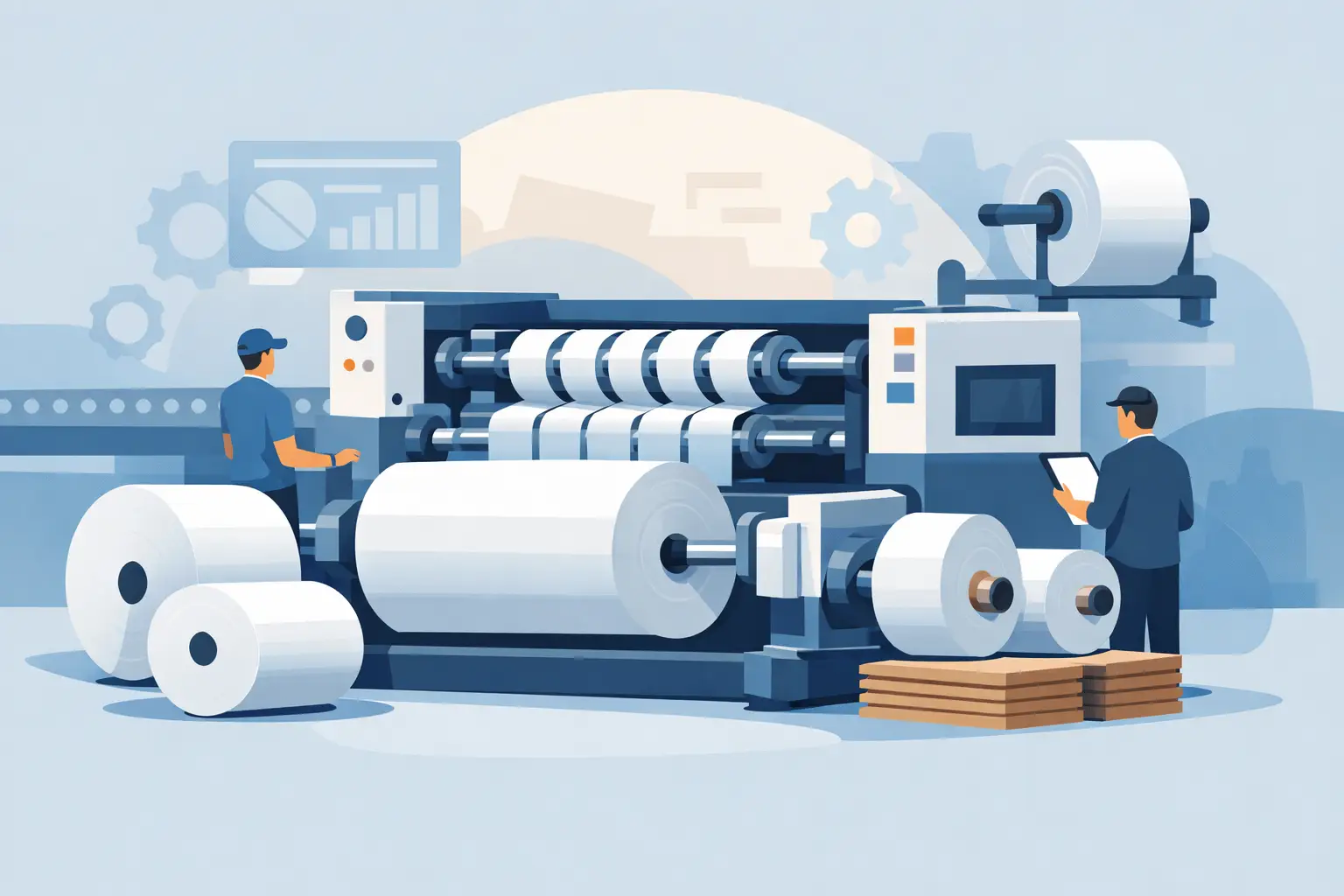
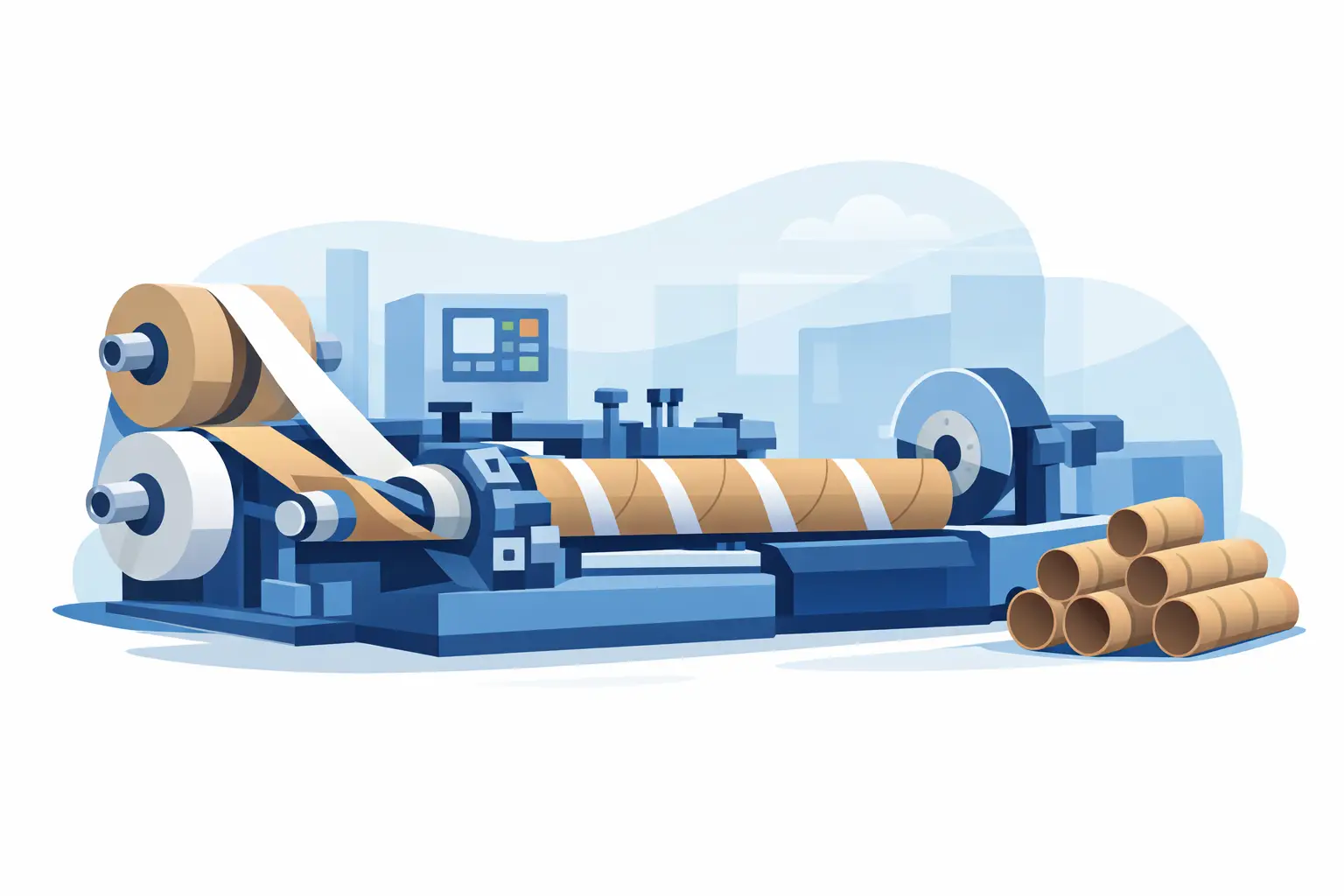
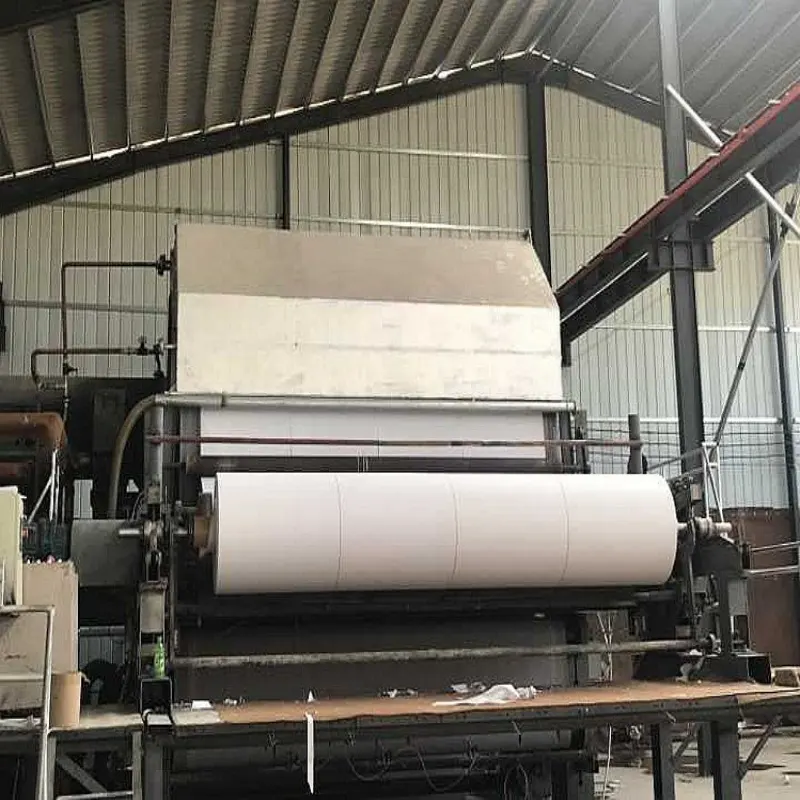
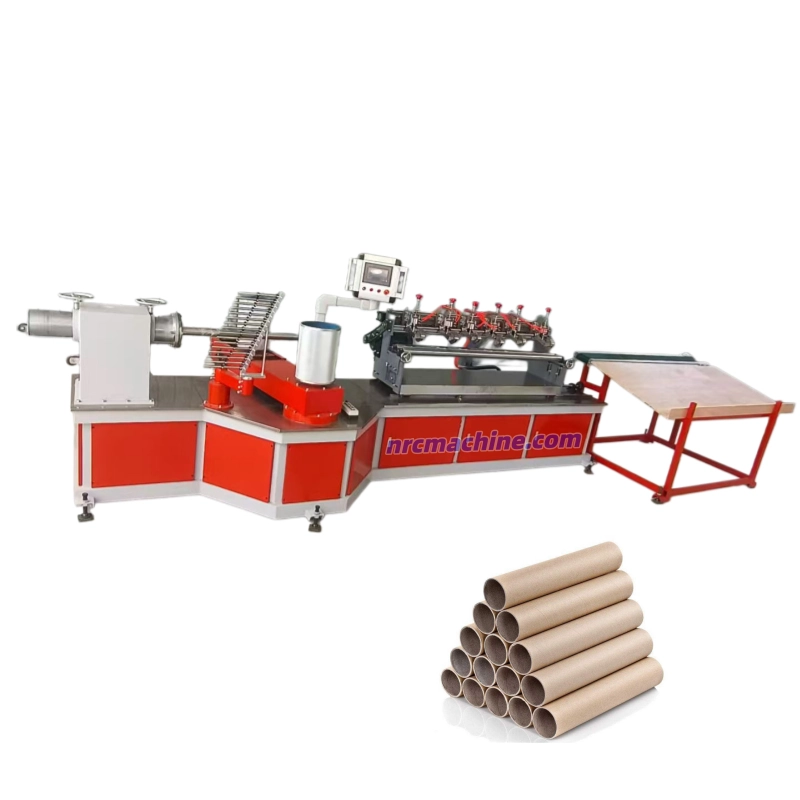
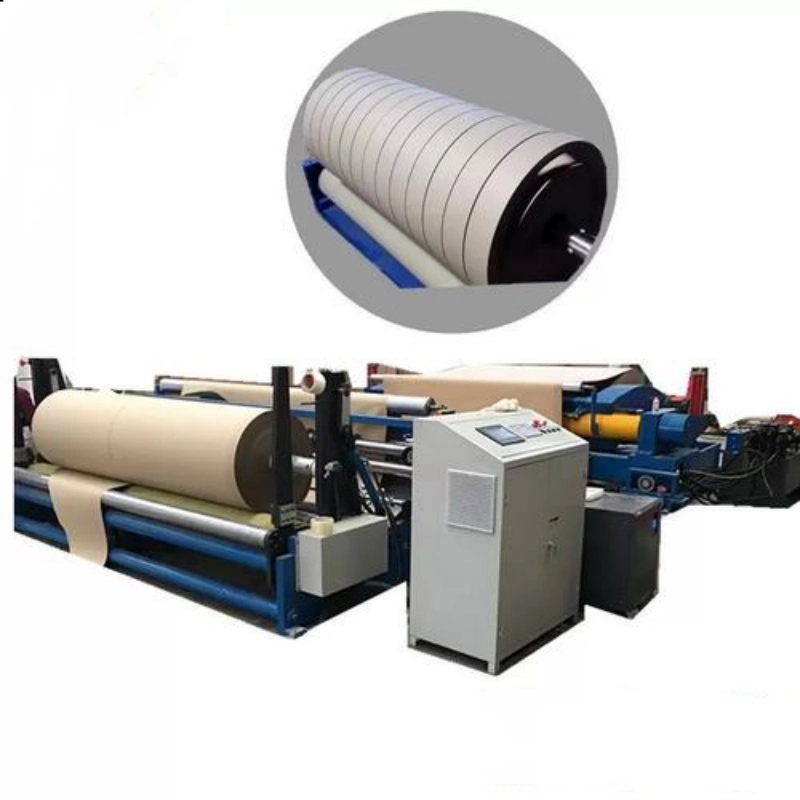
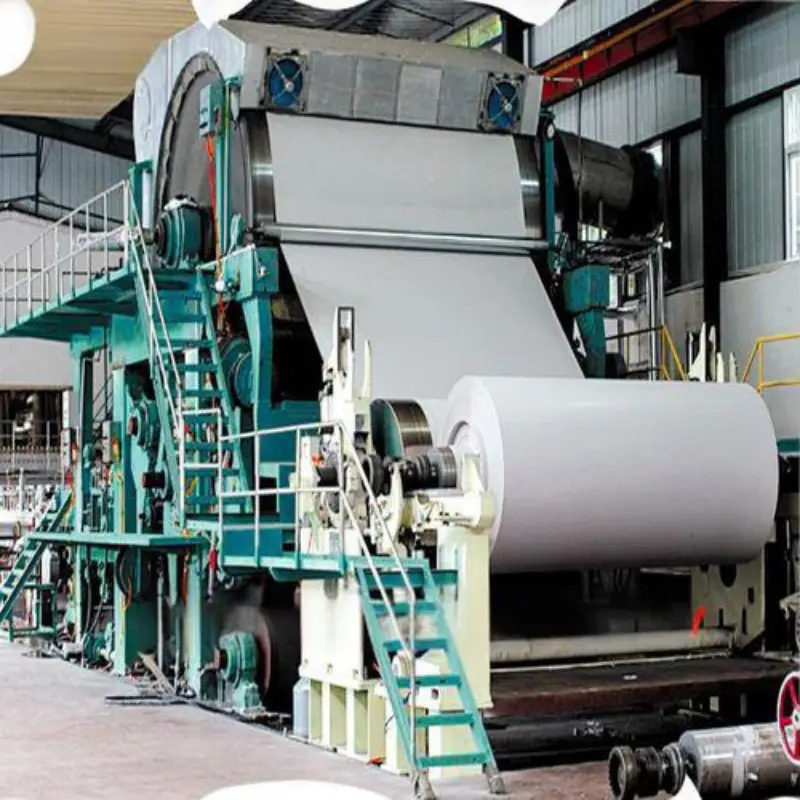
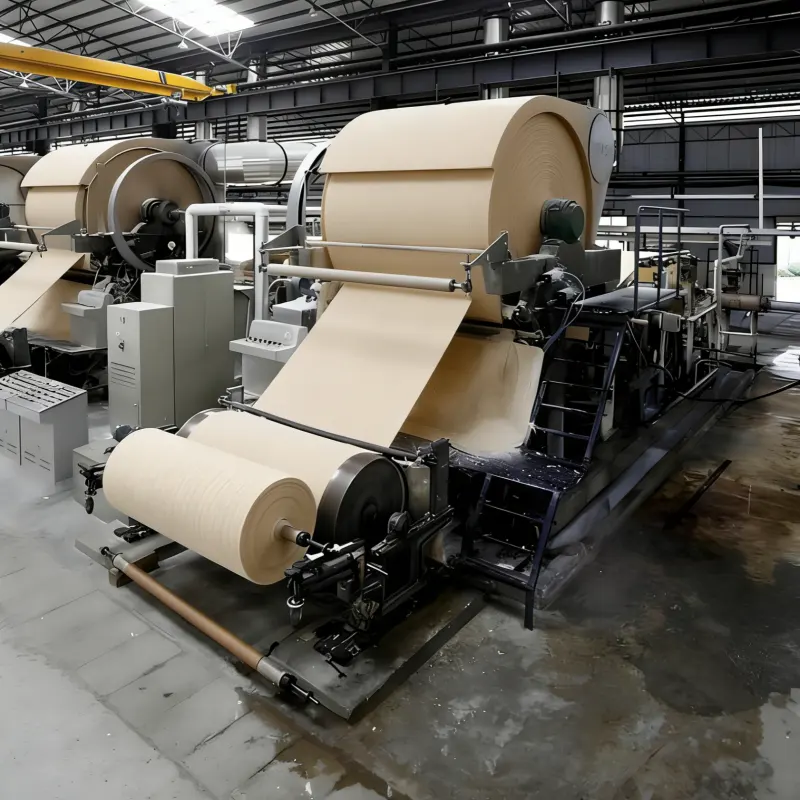
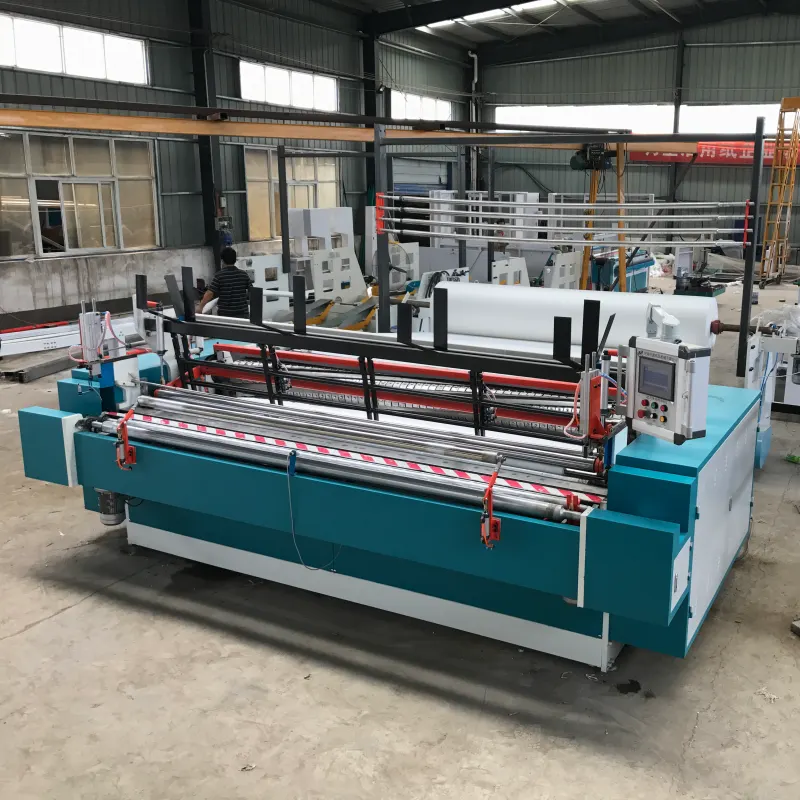
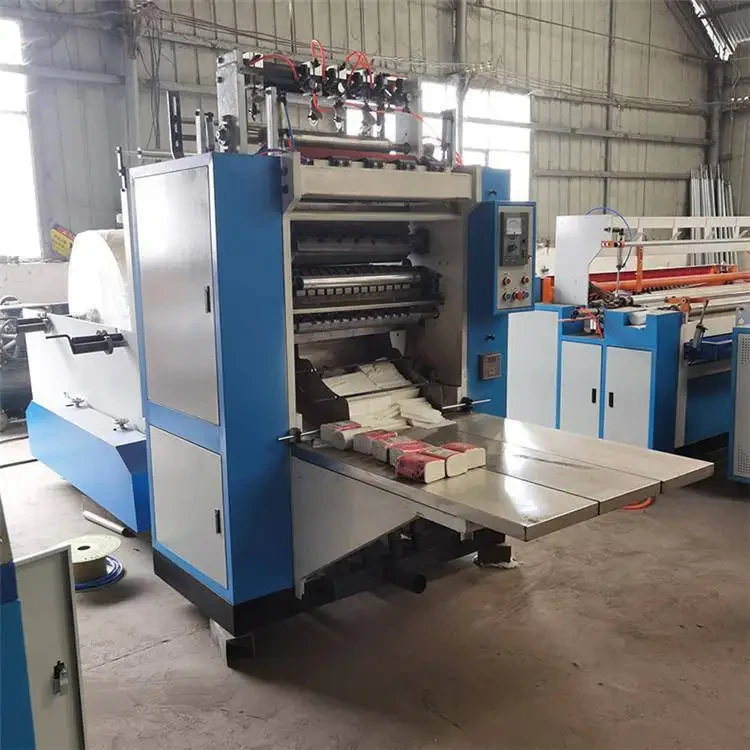
What is the Parallel Paper Tube Making Machine?
Ever stumbled upon those perfectly cylindrical paper tubes used in packaging, gifts, or even industrial applications? Chances are, they were made by a parallel paper tube making machine! This nifty piece of equipment is a game-changer in the paper processing industry, and today we’re breaking down everything you need to know about it. Let’s dive in!
What Exactly Is a Parallel Paper Tube Making Machine?
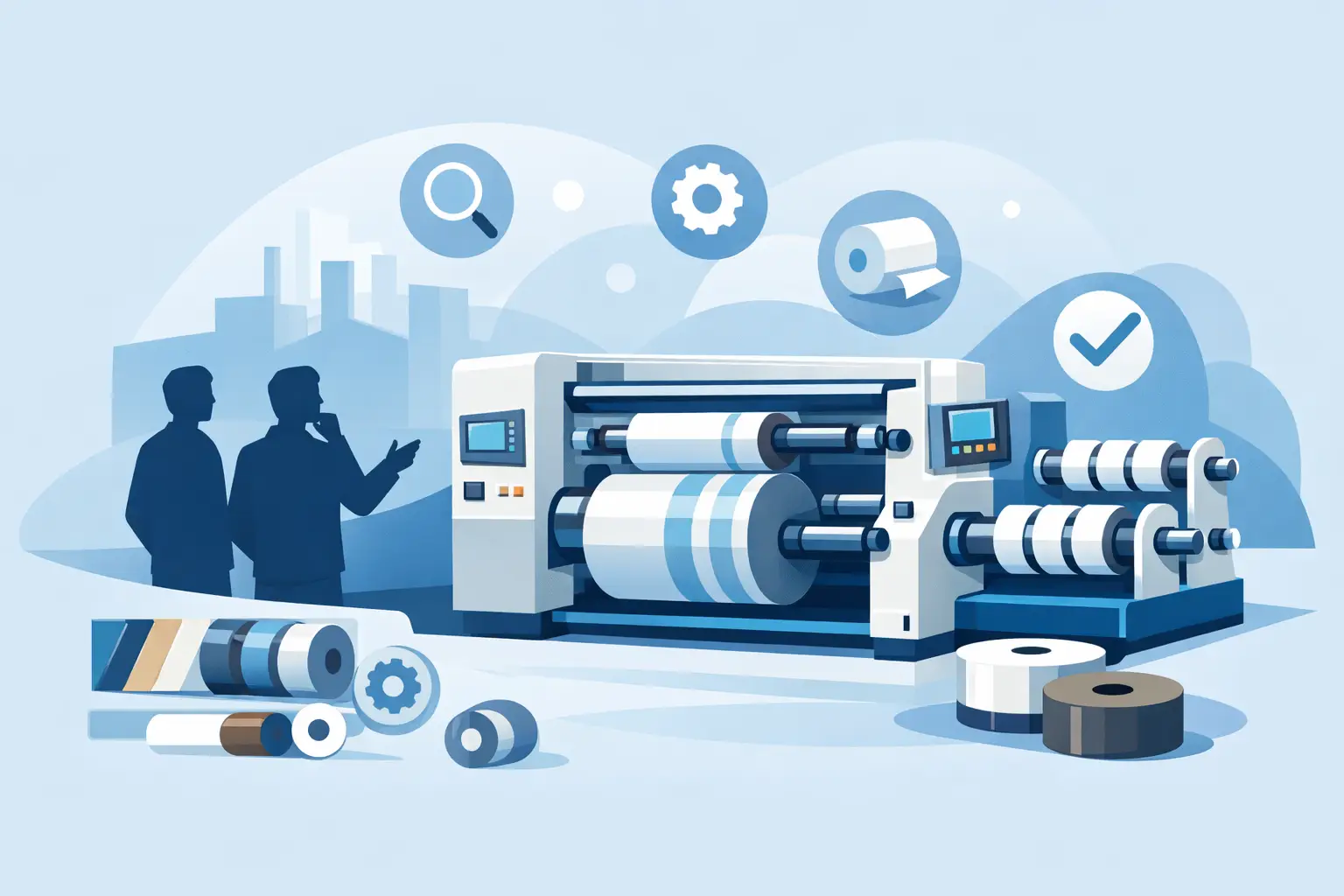
At its core, a parallel paper tube making machine is an automated device designed to produce high-quality paper tubes with parallel (straight, non-tapered) ends. Unlike traditional tube machines that might create tapered or irregular shapes, this machine ensures the tube’s inner and outer diameters remain consistent from top to bottom. It’s commonly used to make tubes for products like:
- Packaging for cosmetics, food, or pharmaceuticals
- Cores for textiles, films, or paper rolls
- Decorative tubes for gifts or stationery
Think of it as a “precision craftsman” that turns flat paper into sturdy, uniform tubes—fast, efficiently, and with minimal waste.
How Does It Work? (The Magic Behind the Scenes)
The process is a blend of mechanics and smart design—here’s a simplified breakdown:
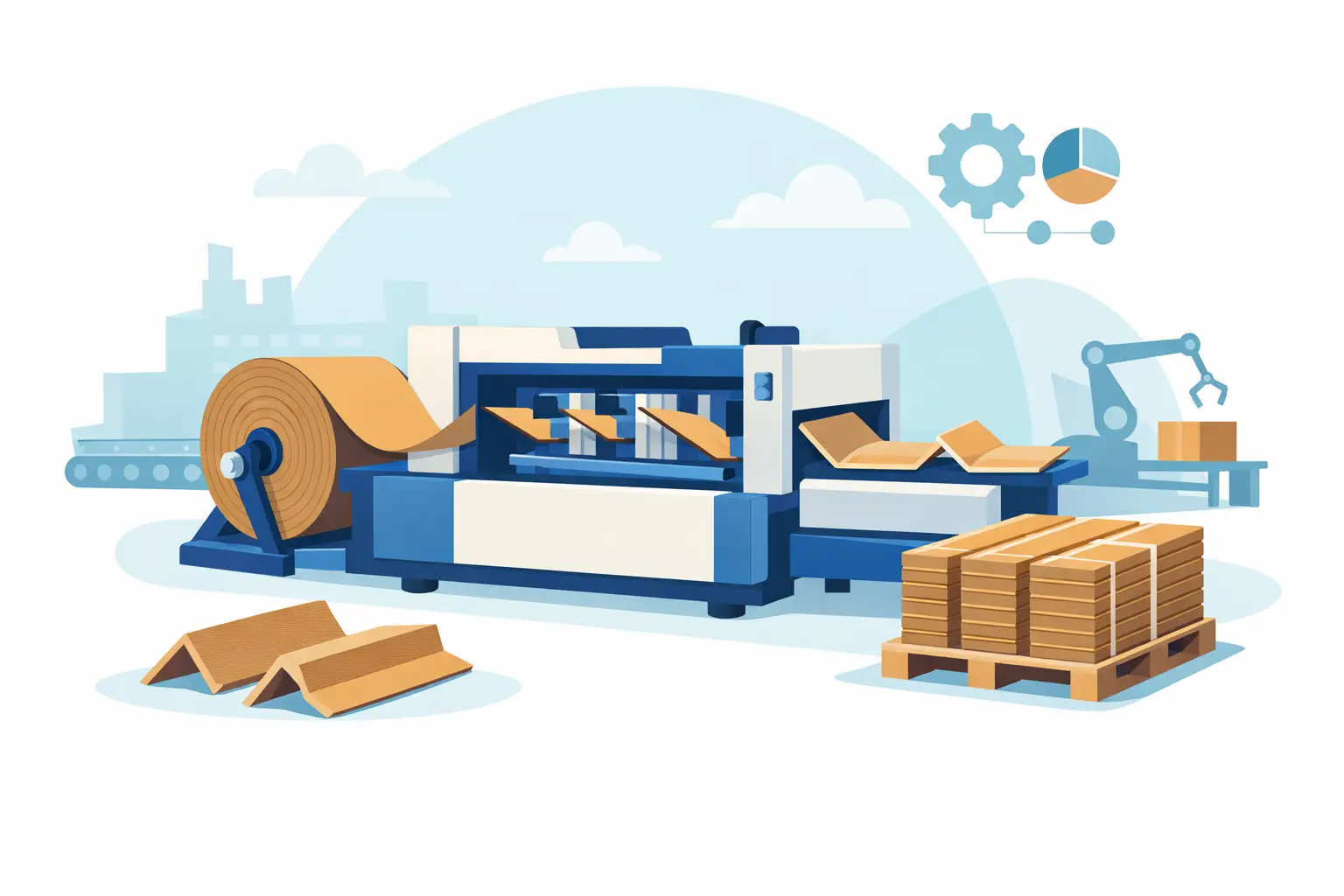
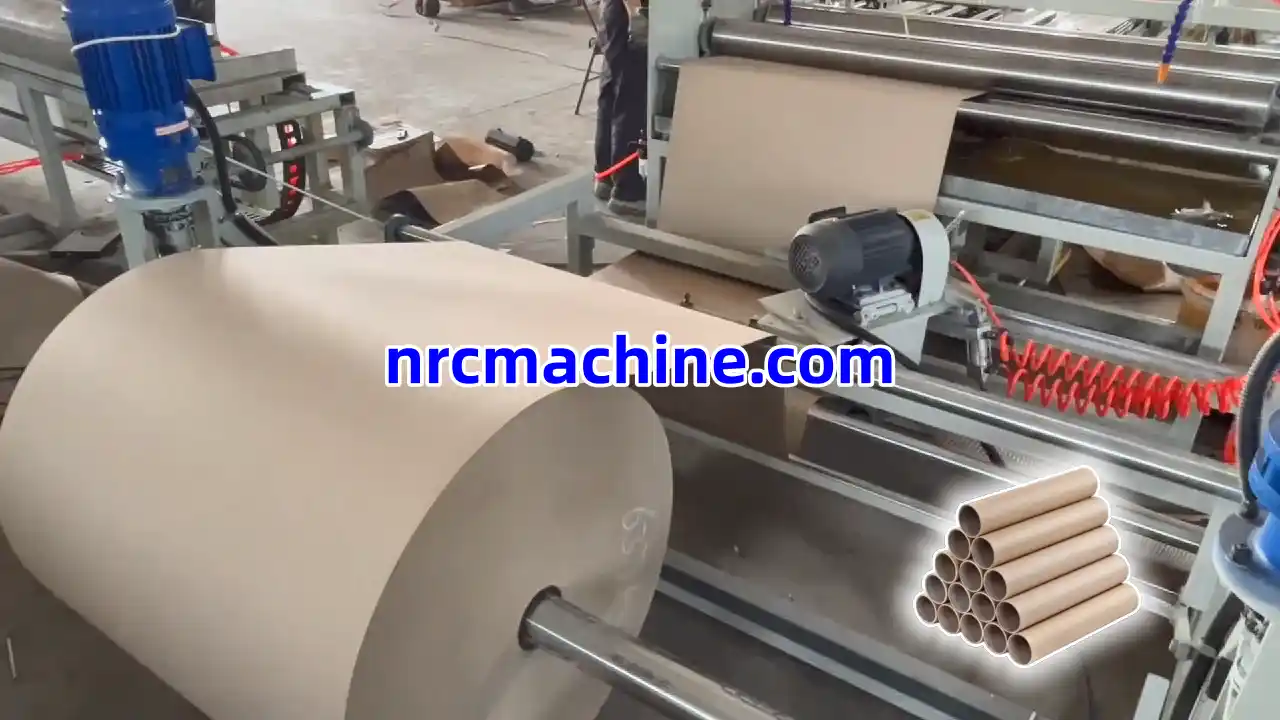
- Paper Feeding: A roll of paper (usually kraft paper, cardboard, or specialty paper) is loaded onto the machine’s feeder. The paper width determines the tube’s length.
- Gluing: A precise amount of adhesive is applied to the paper’s edge—enough to bond it securely but not so much that it drips or causes wrinkles.
- Winding: The paper is wrapped around a rotating mandrel (a cylindrical rod). The mandrel’s diameter sets the tube’s inner size, and the machine ensures the paper layers align perfectly to create parallel ends.
- Cutting: Once the tube reaches the desired length, a sharp blade slices it off cleanly.
- Drying & Ejection: The newly formed tube is dried (to set the glue) and then ejected, ready for use or further processing (like printing or coating).
Pro tip: Modern machines use sensors and digital controls to adjust speed, pressure, and glue volume—making them adaptable to different paper types and tube sizes.
Why Choose a Parallel Paper Tube Making Machine?
This machine isn’t just “another tool”—it solves real pain points in production. Here’s why it stands out:
- High Efficiency: Produces tubes at a much faster rate than manual or older methods—ideal for large-scale operations.
- Consistent Quality: Every tube has the same diameter, thickness, and finish—no more “rejects” due to uneven ends or glue spots.
- Material Flexibility: Works with various paper weights and types, from thin decorative paper to thick cardboard.
- Eco-Friendly: Paper is biodegradable and recyclable, making these tubes a sustainable alternative to plastic or metal containers.
- Cost-Effective: Reduces labor costs (thanks to automation) and material waste (thanks to precise cutting).
Fun fact: Some advanced models can produce hundreds of tubes per hour—talk about boosting productivity!
Where Is It Used? (Real-World Applications)
You’d be surprised how common these tubes are! Here are a few industries that rely on parallel paper tube making machines:
- Packaging: For luxury goods (like perfume boxes) or eco-friendly food packaging (think: paper tube cookies).
- Textiles: As cores to wind threads, yarns, or fabrics.
- Printing & Publishing: For storing large-format prints or posters.
- DIY & Crafts: Artists and small businesses use them to make custom tubes for gifts, stationery, or home decor.
Side note: Small businesses love this machine because it lets them create professional-looking, branded packaging without breaking the bank.
Types of Parallel Paper Tube Making Machines
Not all machines are the same! Depending on your needs, you might choose:
- Semi-Automatic Machines: Great for small to medium businesses. Requires some manual input (like loading paper) but automates the winding and cutting.
- Fully Automatic Machines: Ideal for large-scale production. Handles everything from feeding to ejection—perfect for factories.
- Customizable Machines: Some models let you adjust tube sizes, glue types, and even add printing/coating functions.
Bonus: Many machines are compact enough to fit in small workshops—no need for a massive factory space!
Tips for Using a Parallel Paper Tube Making Machine
Whether you’re a newbie or a pro, these tips will help you get the best results:
- Use the Right Paper: Match the paper weight to your tube’s purpose (e.g., thicker paper for heavy-duty packaging).
- Calibrate Regularly: Check the mandrel size, glue volume, and blade sharpness to avoid defects.
- Keep It Clean: Wipe down the machine after each use—especially the glue applicator—to prevent clogs.
- Train Your Team: Even with automation, proper operation ensures safety and quality.
Pro hack: Start with a test run (using scrap paper) before full production—this helps you tweak settings and avoid mistakes.
The Future of Paper Tube Making
As sustainability becomes a bigger priority, parallel paper tube making machines are evolving too! We’re seeing trends like:
- Smart Machines: With IoT connectivity to monitor performance and predict maintenance.
- Eco-Glue Options: Water-based or plant-based adhesives for even greener production.
- Customization: Machines that can print logos or patterns directly onto the tubes during production.
The takeaway? These machines aren’t just for today—they’re shaping the future of eco-friendly manufacturing.
Final Thoughts
A parallel paper tube making machine is more than just a “tube maker”—it’s a tool that combines efficiency, quality, and sustainability. Whether you’re running a small craft business or a large factory, it’s a smart investment to streamline production and create professional, eco-friendly products.
Have you used one of these machines? Or do you have questions about how they work? Drop a comment below—I’d love to hear your thoughts!
#SustainableManufacturing #PaperTubeTech #SmallBusinessTips #EcoFriendlyDesign
P.S. If you found this helpful, save it for later or share it with someone who’d love to learn about paper tube making! ✨