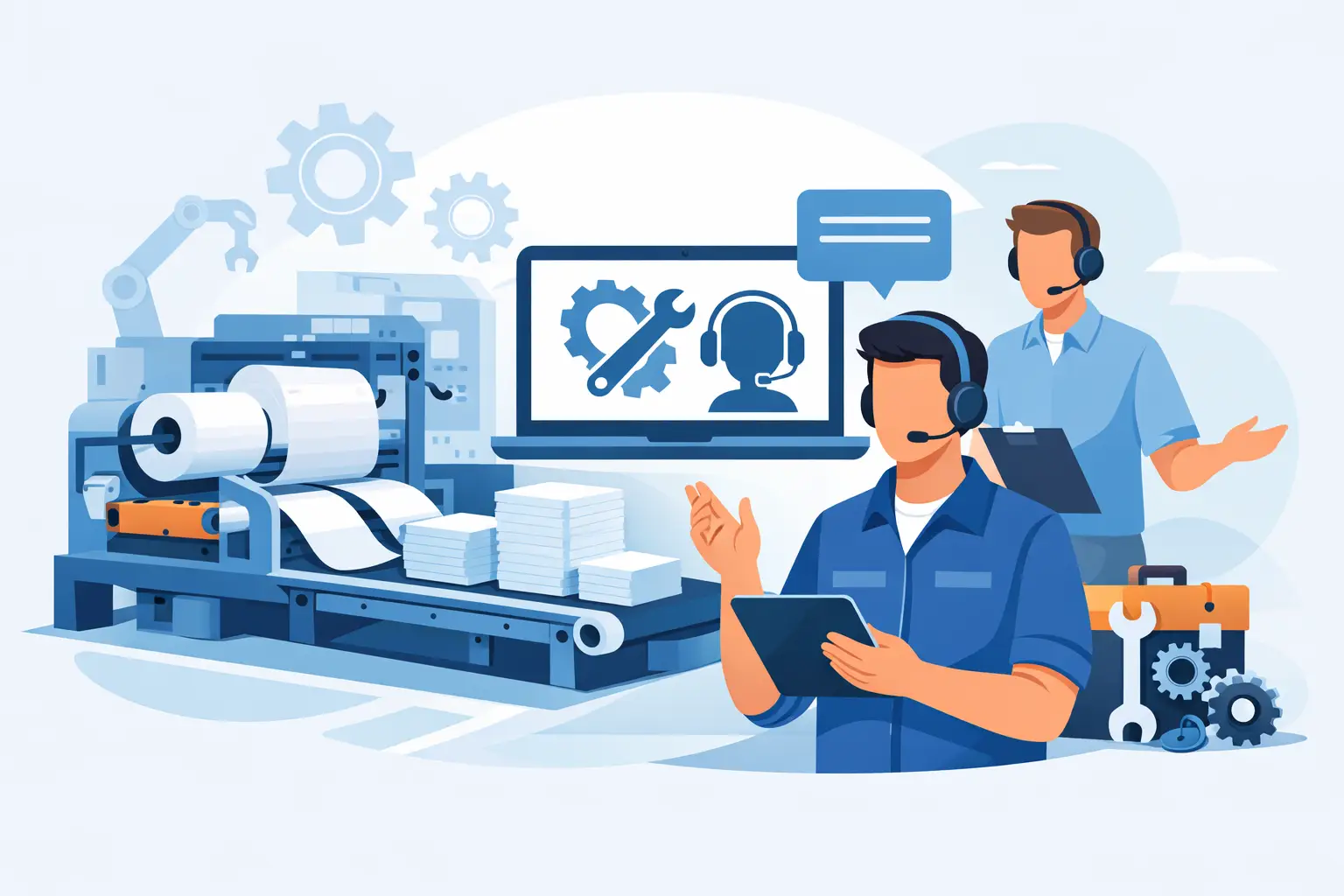
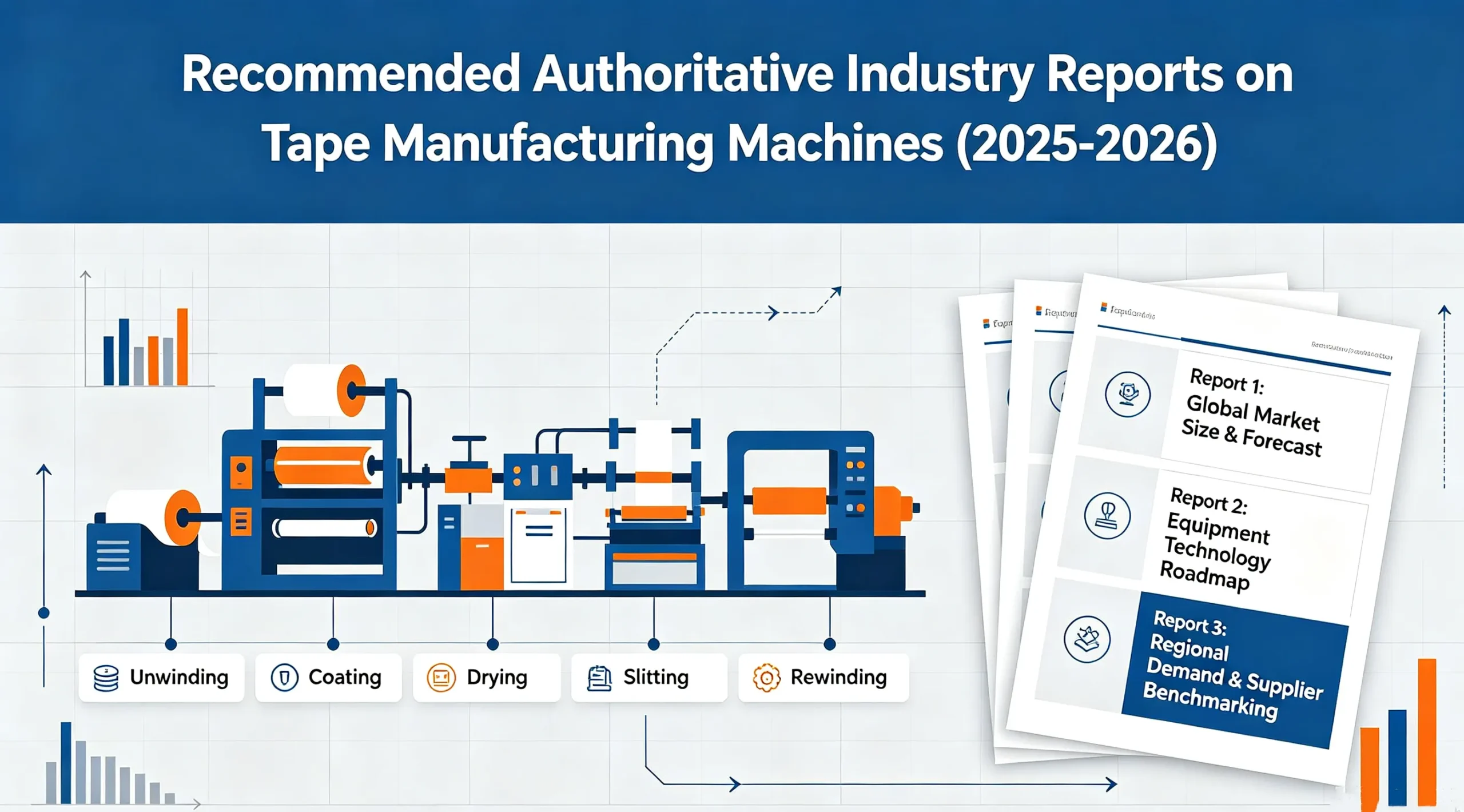
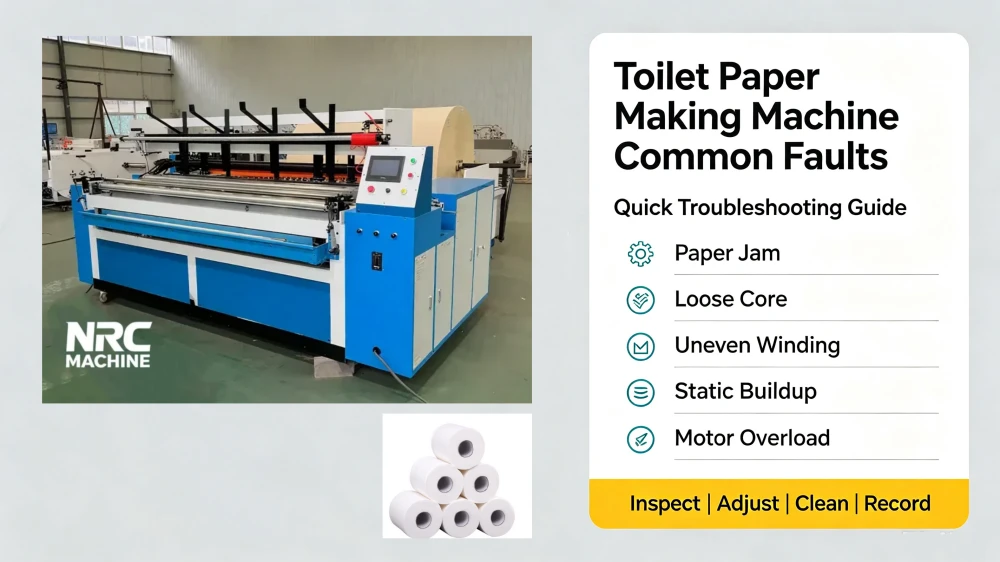
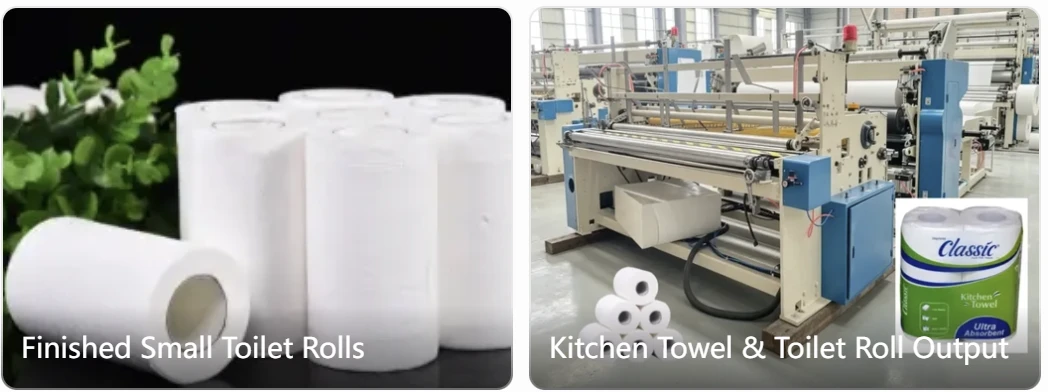
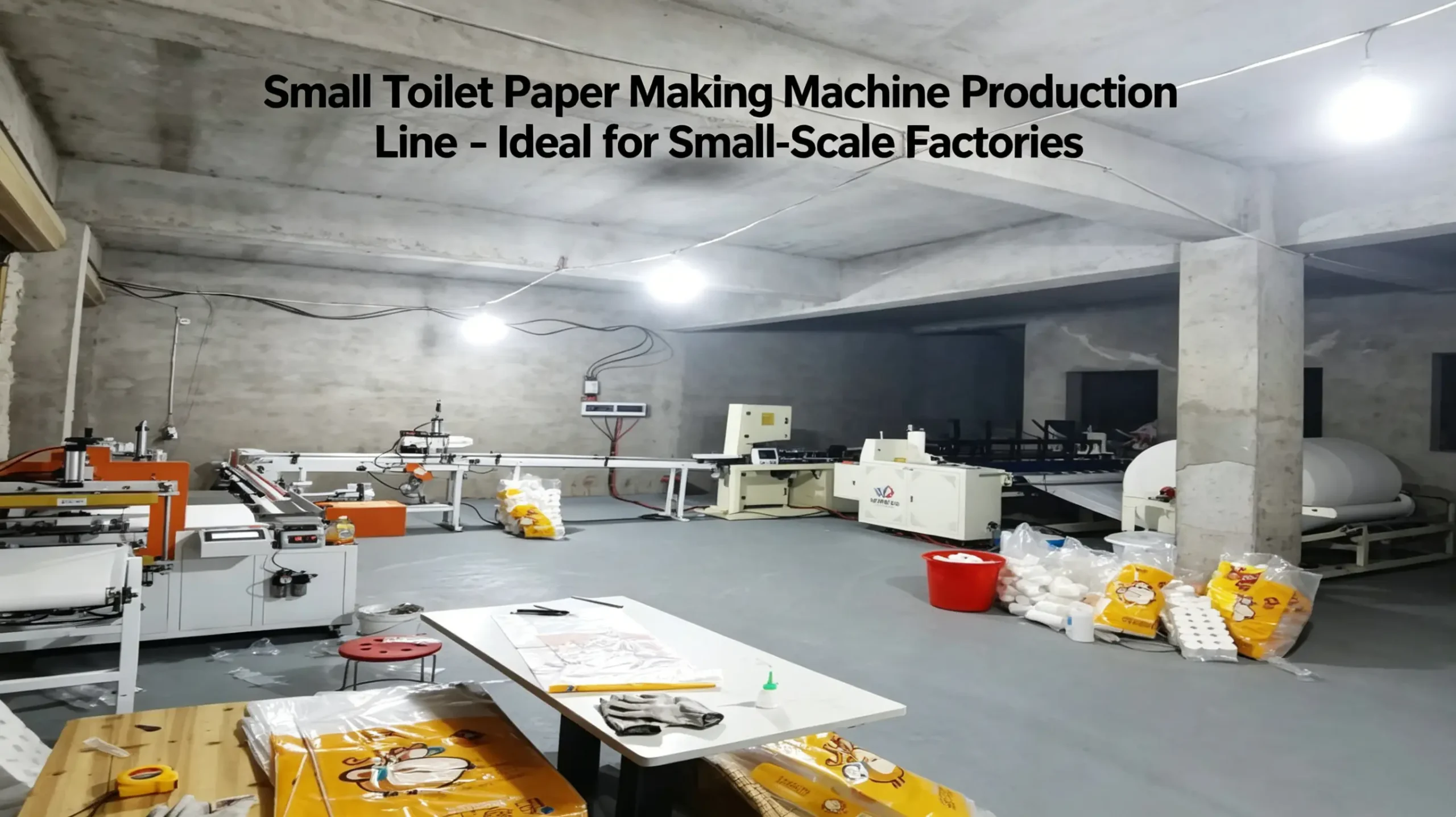
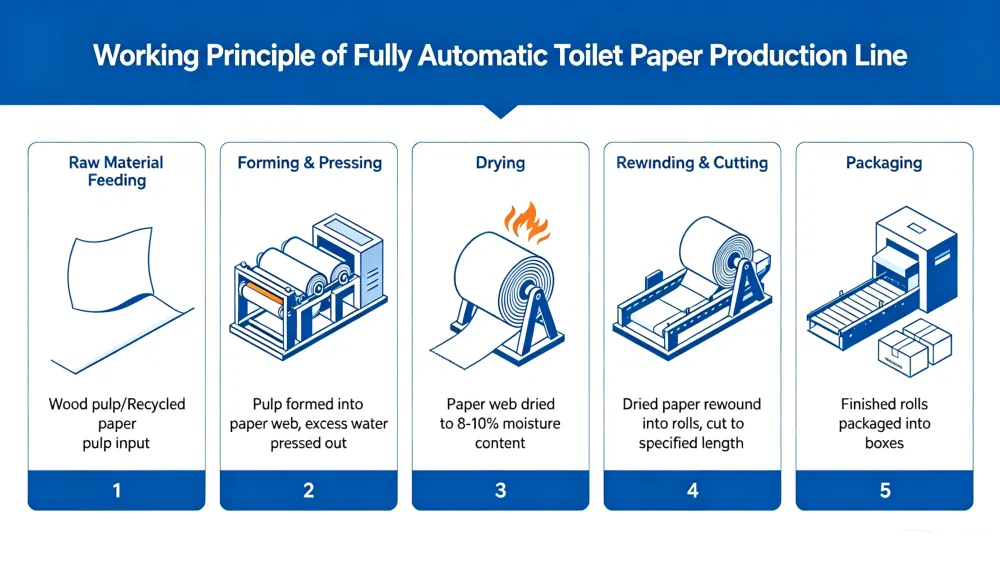
A paper converting line rarely fails at a convenient time. It stops during a production run, delays deliveries, increases waste, and puts pressure on operators and managers at the same time. That is why paper converting machine after sales support is not an extra service. It is part of the machine value itself, especially for factories planning long shifts, export orders, or new product launches.
For buyers comparing suppliers, the real question is not only machine speed, cutting accuracy, or price. The better question is what happens after installation, when settings need adjustment, spare parts are required, or an operator needs help solving a repeat fault. In paper converting, support quality has a direct effect on uptime, labor efficiency, and operating cost.
Why paper converting machine after sales support matters
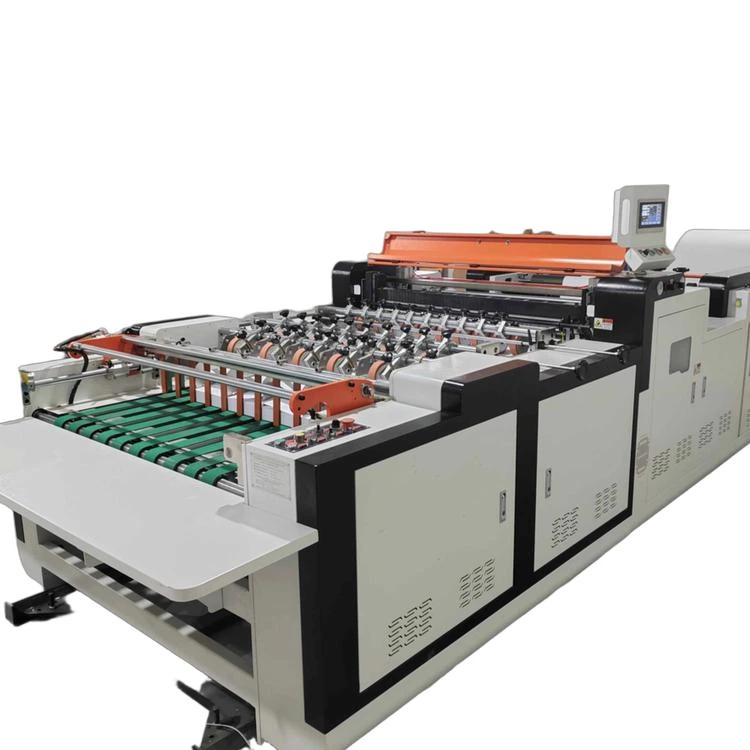
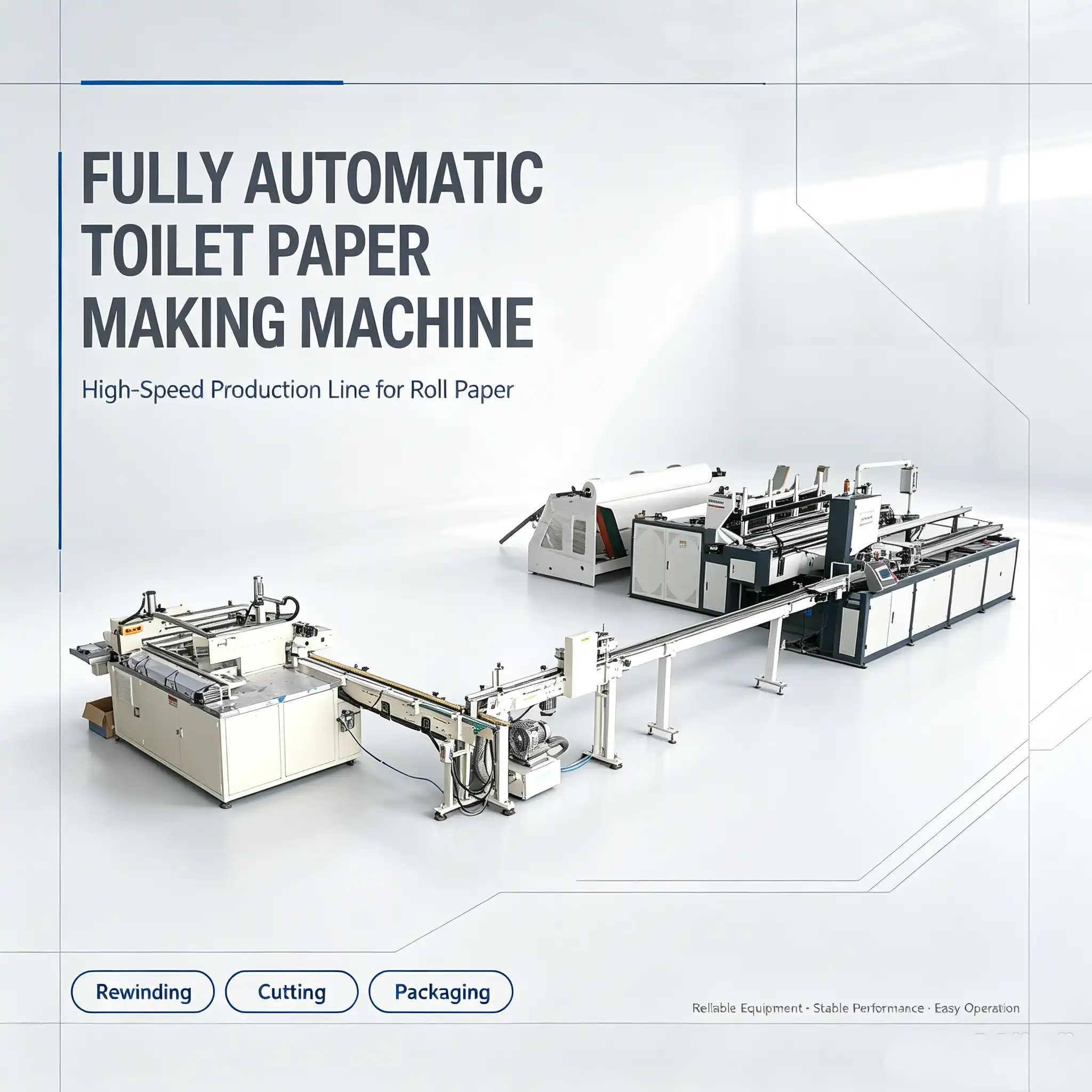
A converting machine is not a standard commodity. Even within the same category, machine configuration changes based on paper grade, jumbo roll width, finished product specification, local power conditions, packaging method, and target output. A toilet paper rewinding line, a 面巾纸机, or an A4 paper ream production system each has different technical demands.
That is why after-sales service starts before the machine leaves the factory. If the supplier does not understand your production target and material conditions from the beginning, support later becomes reactive instead of effective. A well-supported machine is usually one that was correctly specified, tested, documented, and prepared for the buyer’s factory conditions.
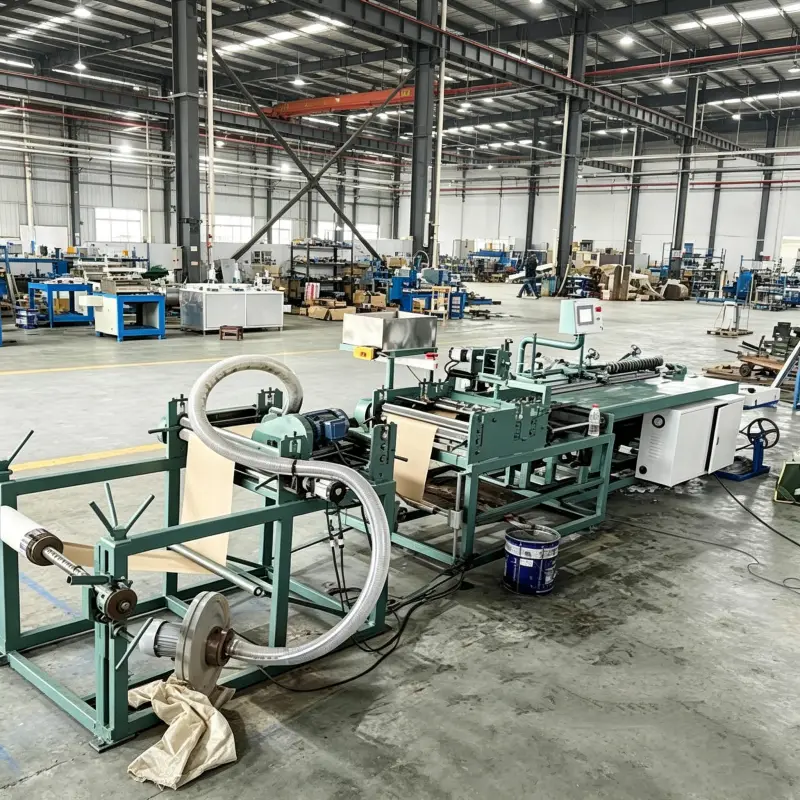
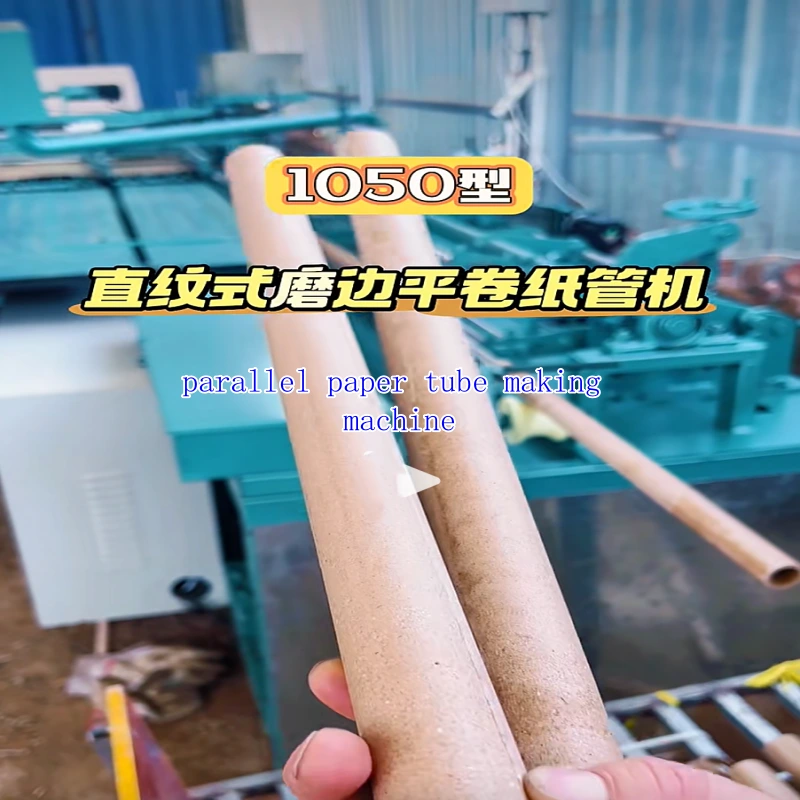
For a new factory, this support is even more critical. Entrepreneurs entering tissue, 纸管, or paper slitting operations often focus on startup budget first. That makes sense, but low purchase price can become expensive if installation takes too long, operators are not trained properly, or spare parts are difficult to obtain. Established plants face a different risk. They may have experienced staff, but downtime on a high-volume line creates bigger financial losses. In both cases, support quality affects payback.
What buyers should expect from paper converting machine after sales support
Strong support should cover the full operating cycle, not only the warranty period. The first stage is pre-shipment coordination. This includes confirming machine specifications, layout requirements, utility needs, voltage standards, and packaging for export delivery. If those details are unclear, installation problems often appear later on site.
The next stage is commissioning and startup. Some factories need on-site technical service, while others can work effectively with remote guidance, video support, and detailed manuals. Which option is better depends on machine complexity, local technician experience, and how fast the line must go into production. A simple 分切复卷机 may be started with remote guidance if the team is experienced. A complete tissue converting line with embossing, rewinding, cutting, and packing may require more direct technical involvement.
Operator training is another area buyers should not treat as secondary. Good training does more than explain start and stop buttons. It should cover adjustment methods, blade replacement, tension control, pneumatic settings, consumable wear points, cleaning routines, and basic troubleshooting. Many repeat breakdowns are not major technical failures. They come from incorrect setup, poor maintenance habits, or missed warning signs.
Spare parts planning is equally important. A supplier should clearly identify which parts are standard wear items, which are critical emergency parts, and what lead times apply. There is no single correct stocking strategy. A factory running one shift with flexible delivery times may keep a smaller spare inventory. A plant supplying retailers or contract customers on strict schedules should stock more aggressively. The key is that buyers need this conversation before production starts, not after the first stoppage.
Good support is fast, clear, and practical
In industrial production, vague support has little value. Buyers need response speed, technical accuracy, and practical instructions. If a machine alarm appears, the factory does not need general advice. It needs a clear process for checking sensors, drives, blades, air pressure, paper feeding, or control parameters.
This is where manufacturer-based support has an advantage over purely trading-based sales models. The company that builds the machine typically understands the assembly logic, component matching, and adjustment sequence better than an intermediary. That does not mean every direct manufacturer provides the same level of service, but it does mean buyers should ask who will answer technical questions after delivery and whether that team is connected to production and engineering.
Documentation also matters more than many buyers expect. Clear electrical diagrams, parts lists, user manuals, parameter records, and maintenance schedules reduce service delays. When a local electrician or maintenance manager can identify a component quickly, problem resolution becomes much faster. Poor documentation forces the factory to depend on external help for issues that could otherwise be solved internally.
The trade-off between remote support and on-site service
Many international buyers ask whether remote after-sales support is enough. The honest answer is that it depends on the machine, the team, and the production schedule.
Remote support can be very effective when the machine is mechanically straightforward, the buyer has experienced technicians, and communication is fast. Video calls, photos, control screen sharing, and pre-recorded setup guidance can solve many startup and maintenance issues without travel delays. This option also reduces support cost and helps factories restart faster in some situations.
On-site service becomes more valuable when the line is complex, operators are new, or the installation involves multiple connected machines. It is also useful when product quality is highly sensitive to setup, such as embossing alignment, rewinding tightness, cutting tolerance, or finished roll appearance. In these cases, a technician on the factory floor can reduce trial-and-error time.
The right supplier should discuss both options honestly. Promising on-site service for every situation may sound attractive, but travel timing, visa requirements, and local site readiness can affect execution. A practical support plan balances speed, cost, and actual factory conditions.
Questions serious buyers should ask before placing the order
If after-sales service is important, it needs to be checked during supplier evaluation. Buyers should ask who provides technical support, how quickly service requests are answered, what startup assistance is included, which spare parts are recommended, and whether manuals and electrical drawings are supplied in clear English.
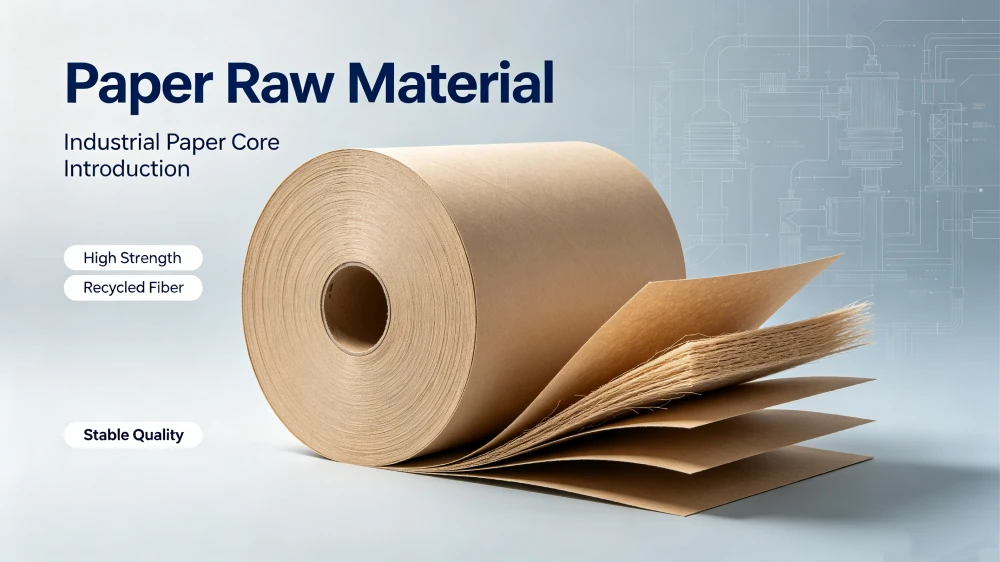
It is also smart to ask how the supplier handles commissioning problems caused by raw materials or operating conditions. This is where experience matters. Not every issue is a machine defect. Sometimes the problem comes from tissue GSM variation, paper core quality, moisture changes, blade wear, air pressure instability, or unsuitable packaging film. A capable support team can separate machine issues from production environment issues and guide the buyer accordingly.
Factories in developing and high-growth markets should also ask about parts logistics and long-term service practicality. Fast support is not only about communication. It is also about whether parts can be dispatched efficiently and whether the buyer can identify equivalent local components for selected standard items when necessary.
After-sales support protects output, not just equipment
Some buyers still view support mainly as warranty protection. That is too narrow. The bigger value is production continuity. Good service protects output volume, finished product quality, labor efficiency, and customer delivery performance.
A well-supported paper converting machine helps reduce waste during setup, shortens changeover learning time, and gives operators more confidence in daily production. Over months and years, that can matter more than small differences in initial machine price. Cheap downtime is rarely cheap.
For companies expanding into new paper products, support also improves flexibility. When a factory wants to add new sizes, adjust roll diameter, change sheet count, or improve packaging consistency, access to knowledgeable technical guidance helps the machine continue delivering value beyond the first installation phase.
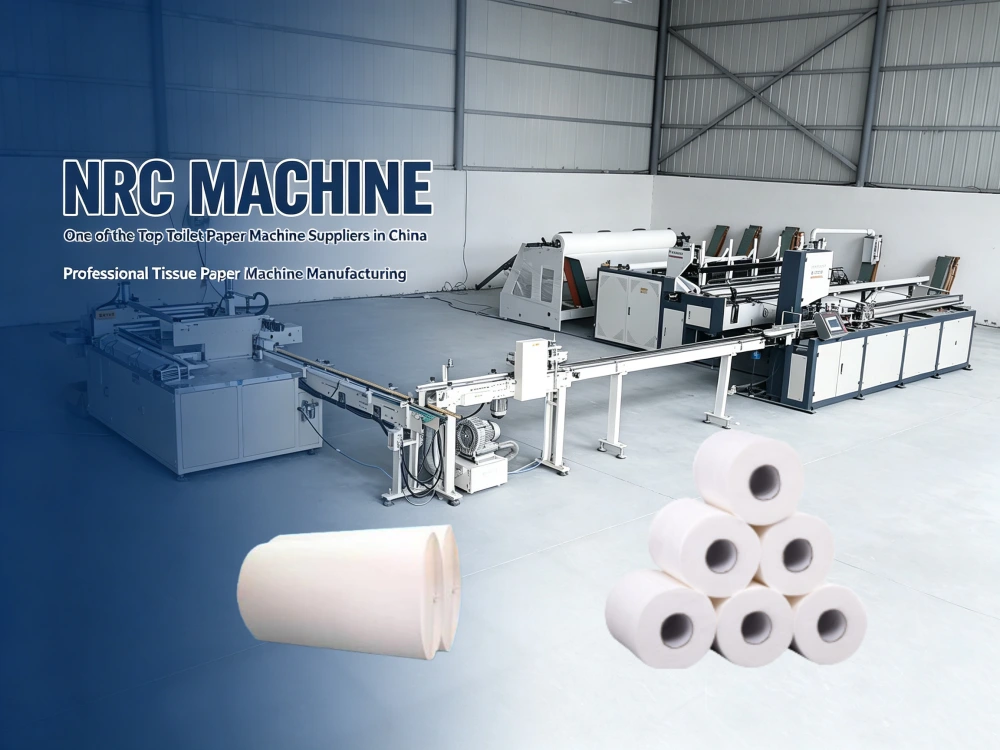
NRC Machine works with buyers who need more than equipment shipment. In real production environments, factory owners and plant managers need dependable response, clear technical communication, and machinery support that matches commercial production goals.
When you evaluate a supplier, look past the machine frame and motor list. Ask how problems will be handled at 2 p.m. on a normal production day, and at 2 a.m. when an urgent order is still running. That is where the real strength of after-sales support shows.