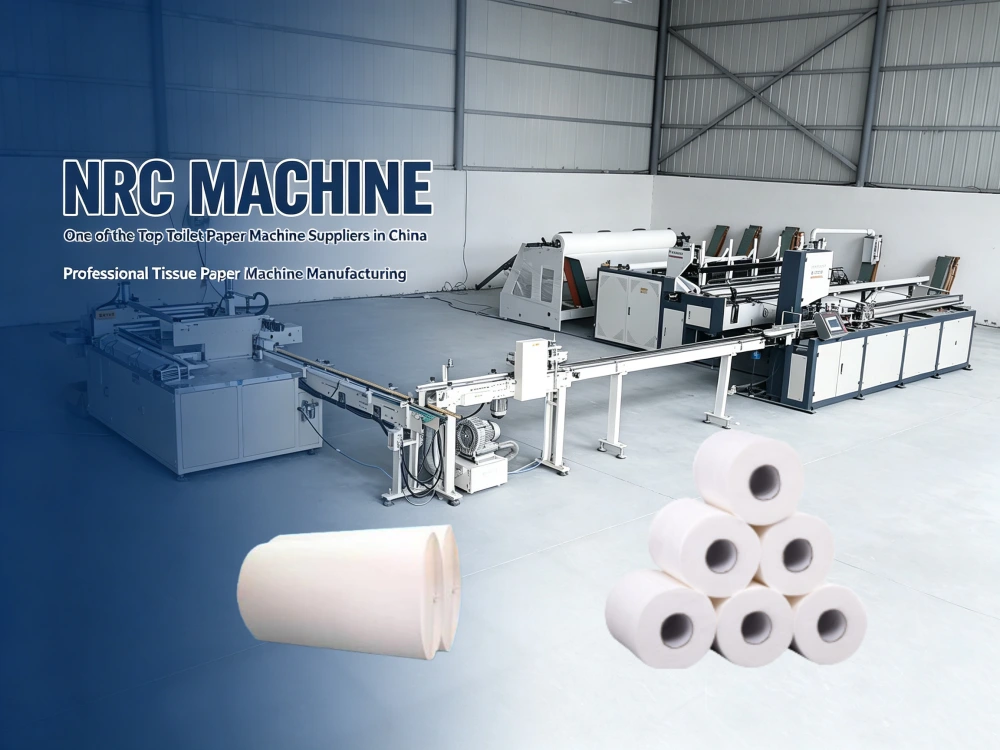
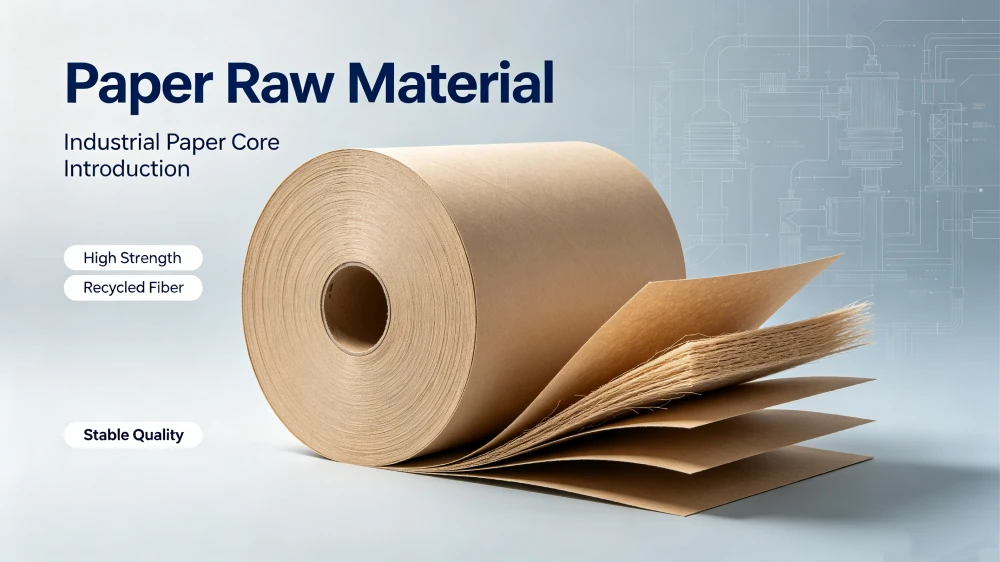
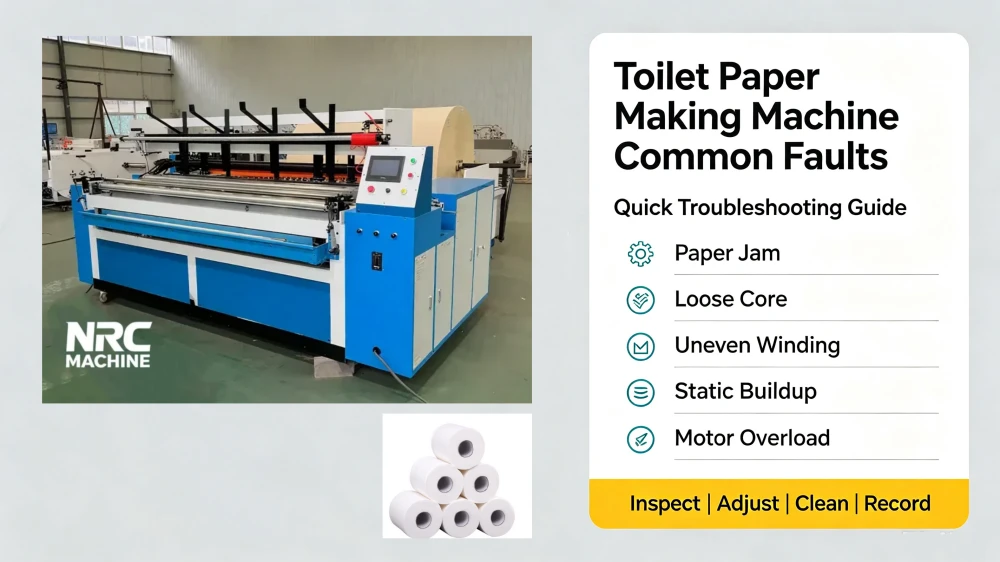
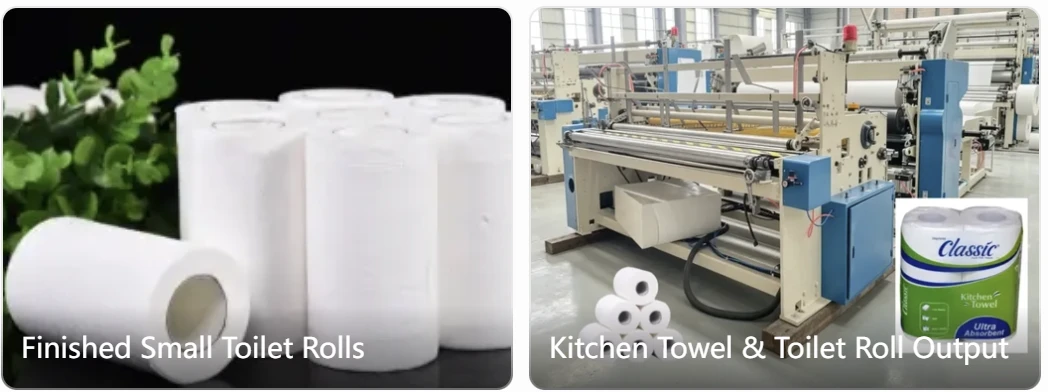
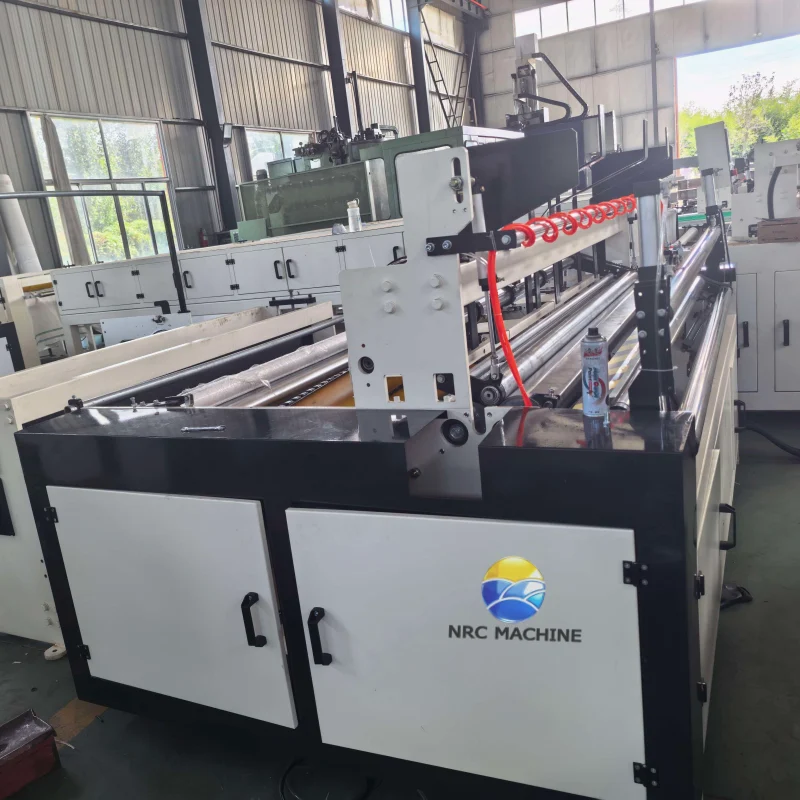
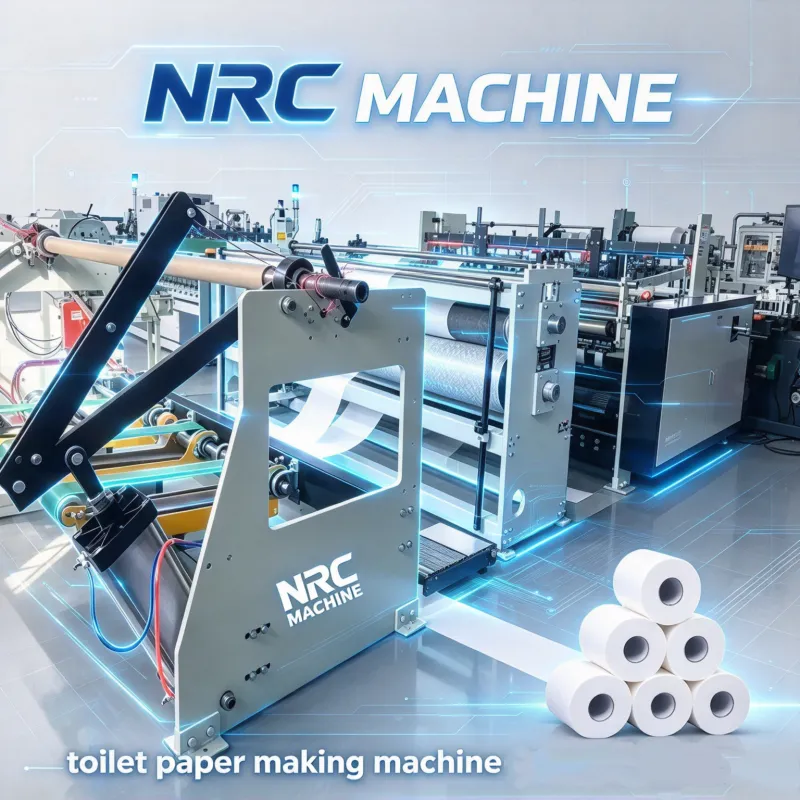
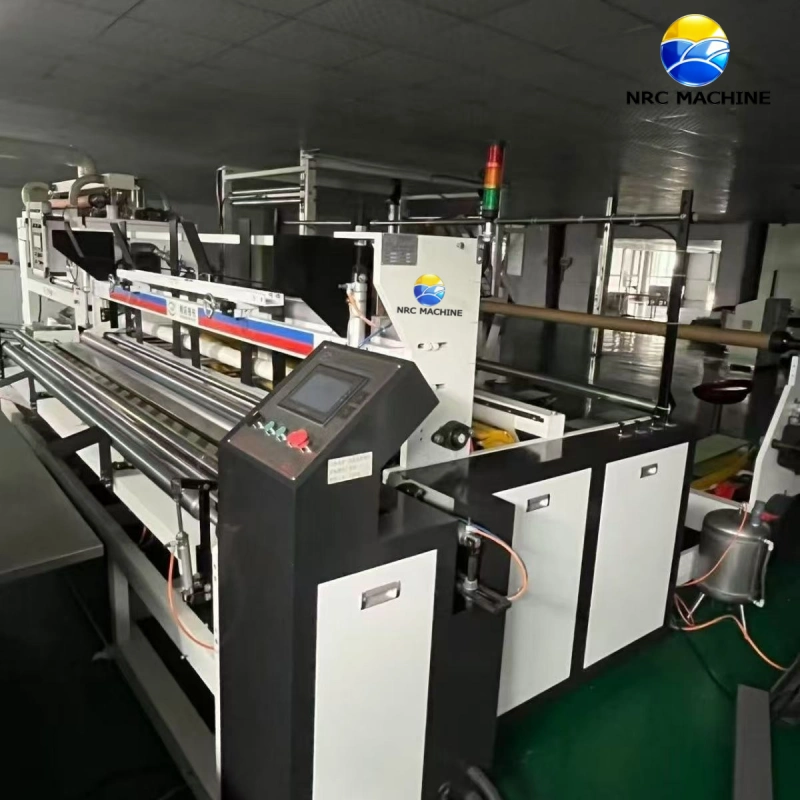
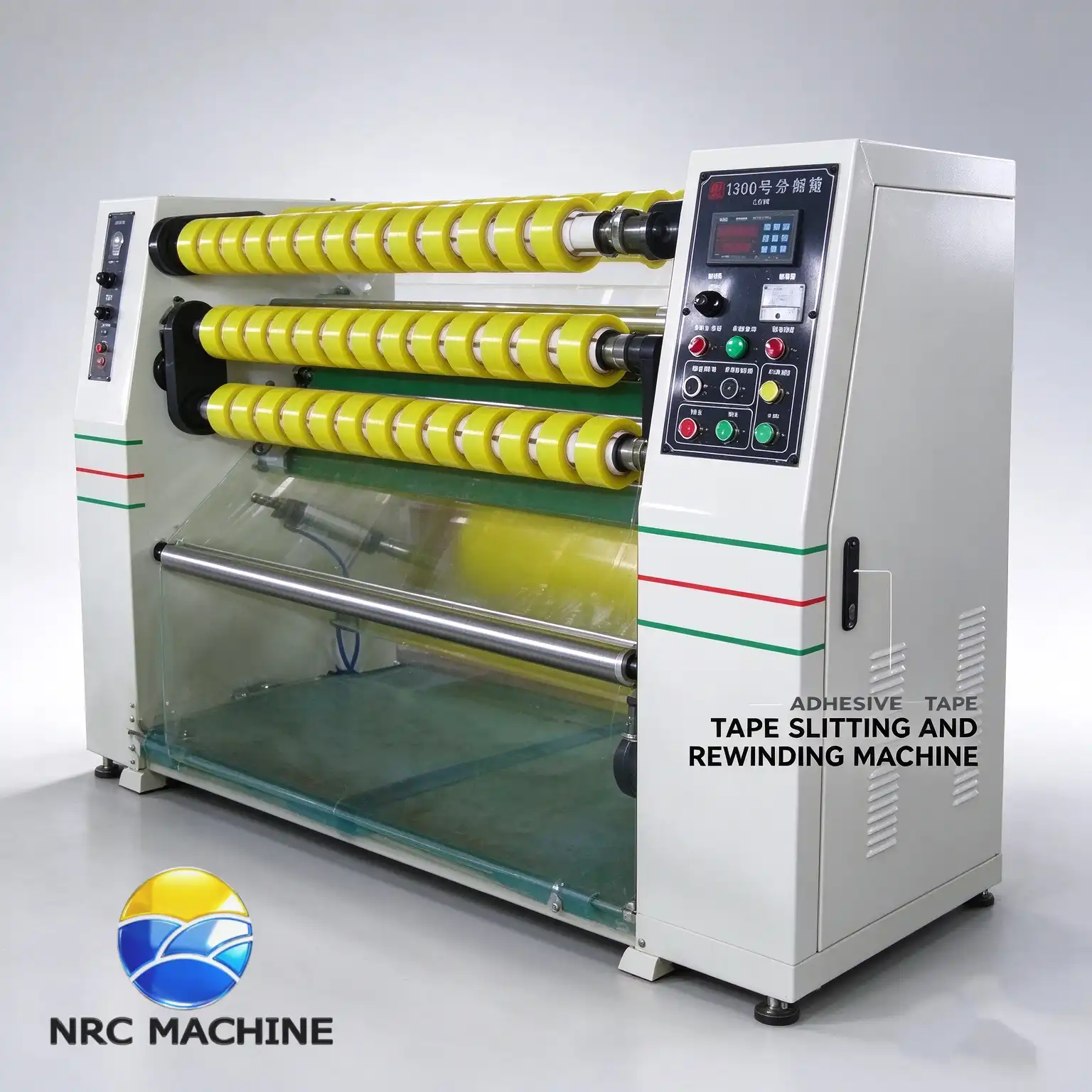
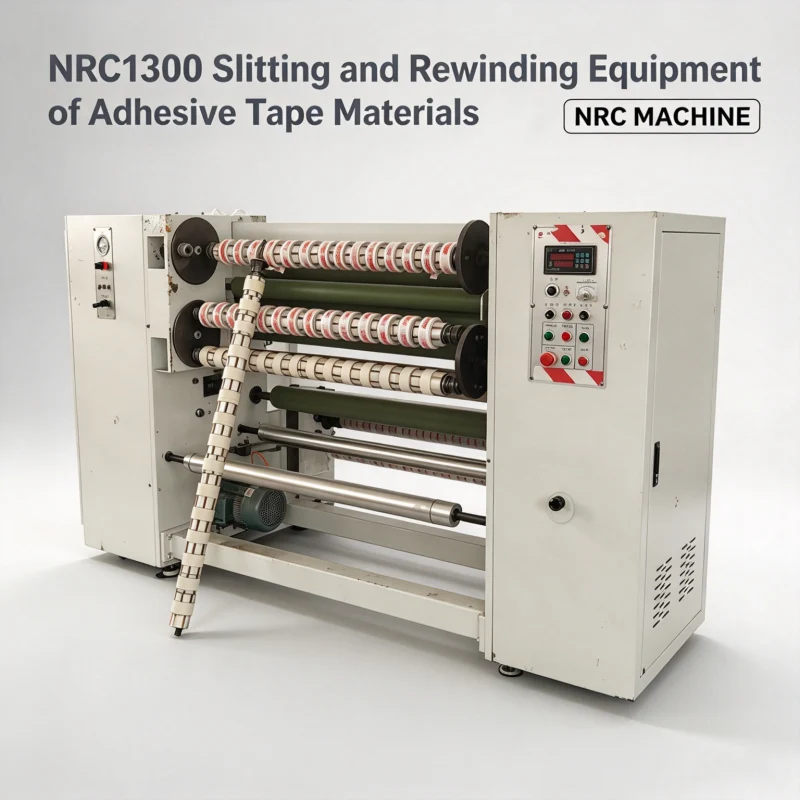
Regular daily maintenance is critical for the whole set of toilet paper machine, which converts large parent tissue paper rolls into finished small toilet rolls.
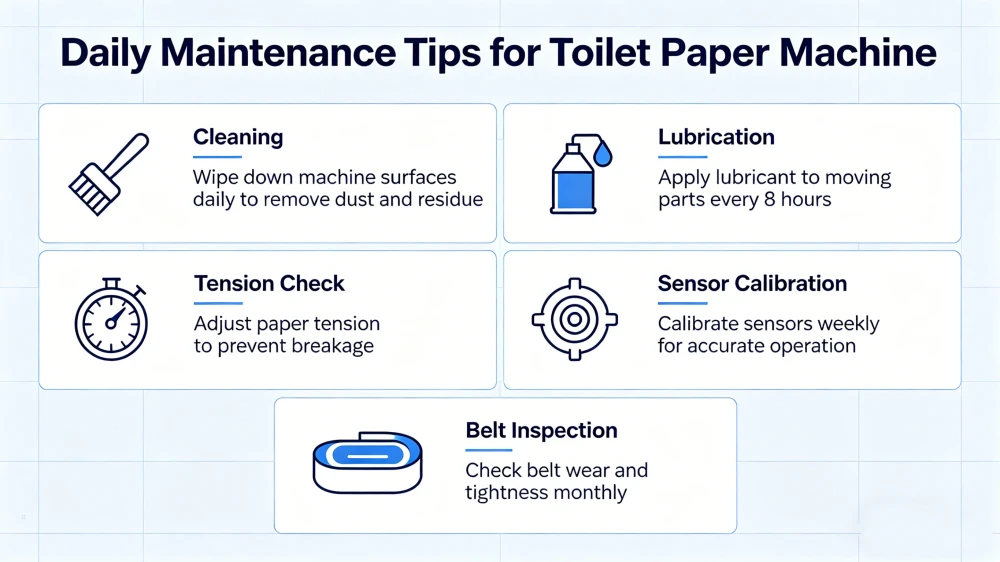
Standard daily upkeep ensures stable rewinding, slitting, embossing and packaging quality, reduces unexpected downtime, prolongs machine service life, and lowers production and repair costs for tissue processing plants.
Daily Inspection of Parent Roll Feeding System
Before startup, fully check the parent tissue paper roll loading frame of toilet paper rewinding machine, tension control shaft and buffer parts. Ensure the parent paper rolls are placed stably without offset or loose clamping.
Abnormal tension during feeding will cause paper breakage, wrinkled paper or uneven roll density of final small toilet rolls. Clean paper dust and edge scraps around the feeding roller every day to keep smooth paper conveying.
Maintenance of Rewinding & Winding Structure
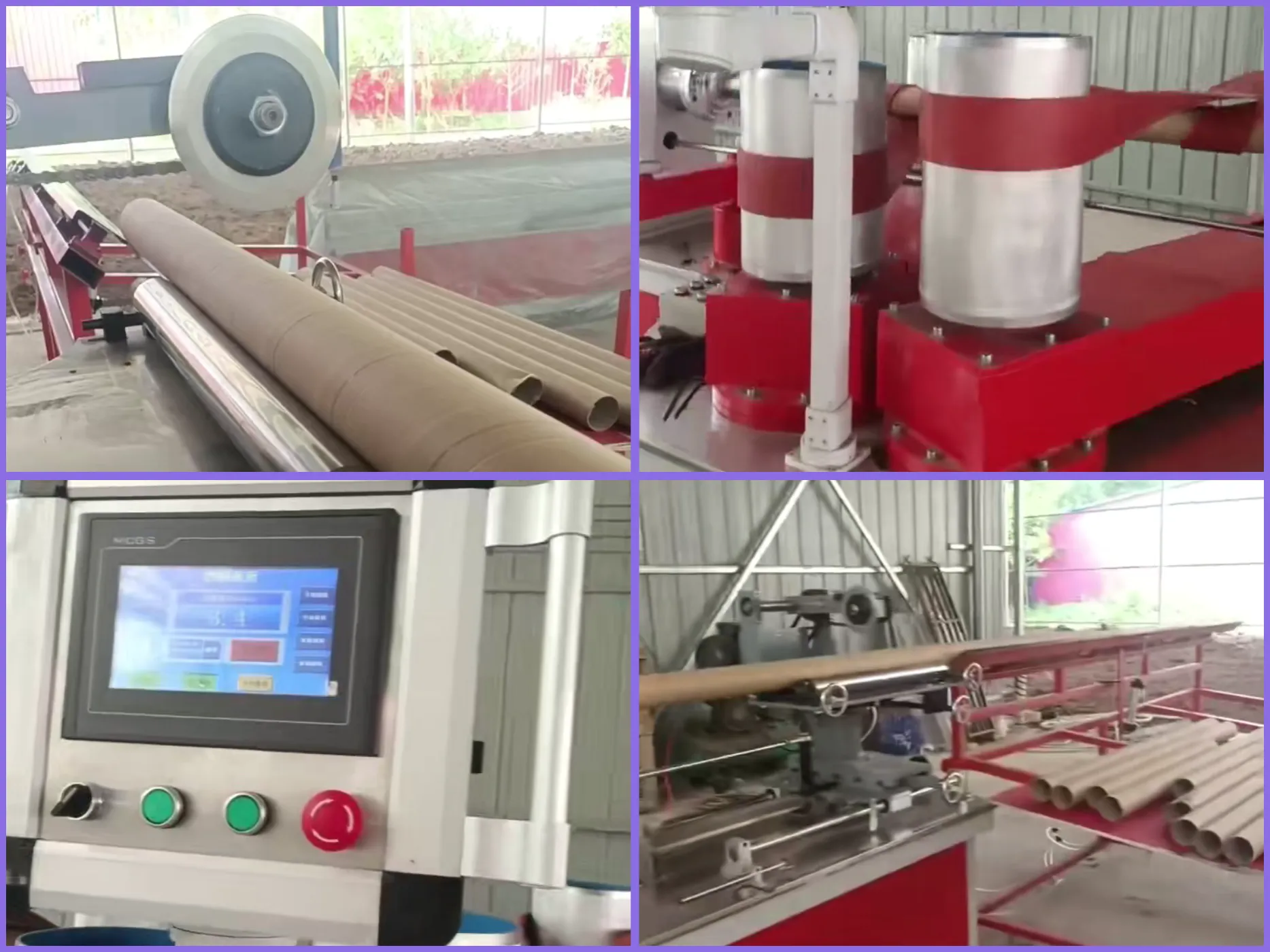
The rewinding core is the key part to turn large parent rolls into small toilet rolls. Check all winding rollers, pressure rollers and guide rollers daily for surface wear, scratches and abnormal noise.
Keep the roller surface clean to avoid sticky pulp residue affecting paper softness and rolling tightness. Adjust roller pressure properly every day according to parent paper gram weight, to ensure consistent compactness of finished small toilet rolls.
Slitting and Perforation Component Care
Sharp slitting blades and perforating wheels decide the neat edge and easy-tear performance of small toilet rolls. Inspect blade sharpness daily and clean paper fiber buildup on cutting parts.
Remove residual paper scraps from perforation gears to prevent incomplete punching or rough paper edges. Timely lubricate the movable cutting assembly to reduce friction and blade wear.
Embossing Roller Daily Cleaning & Protection
Embossing rollers directly affect the surface pattern and texture of toilet paper. Clean dust, paper lint and sticky dirt on the embossing roller surface after daily shutdown.
Check for uneven embossing or local wear. Good daily cleaning can avoid pattern blurring and improve the appearance grade of finished small toilet rolls.
Lubrication & Transmission System Maintenance
Check chains, bearings, gears and transmission shafts every day. Fill with special high-temperature lubricating oil on schedule, especially for high-frequency moving parts in the rewinding process.
Eliminate dry friction and abnormal vibration. Reasonable daily lubrication keeps the whole production flow from parent roll feeding to small roll output stable and efficient.
Pneumatic, Hydraulic & Electrical Inspection
Check air tightness of pneumatic parts and oil leakage of hydraulic components daily, which control roll changing, pressing and paper cutting actions.
Clean dust inside the electric control box, motor and control panel. Check circuit connection to prevent short circuit or sensitive control failure, ensuring safe and continuous operation.
Post-Production Shutdown Management
After finishing daily production from parent tissue rolls to small toilet rolls, cut off power and air supply in order.
Perform full machine cleaning, collect leftover paper materials, and record daily operation problems such as paper breaking, unstable tension or roll deviation. Mark minor faults for timely inspection before the next start.
Benefits of Standard Daily Maintenance
Scientific daily maintenance for the toilet paper processing machine can stabilize the whole toilet paper production line from large parent rolls to finished small toilet rolls.
It reduces defective products, saves raw paper waste, improves production efficiency, and helps tissue processing factories achieve long-term stable operation.