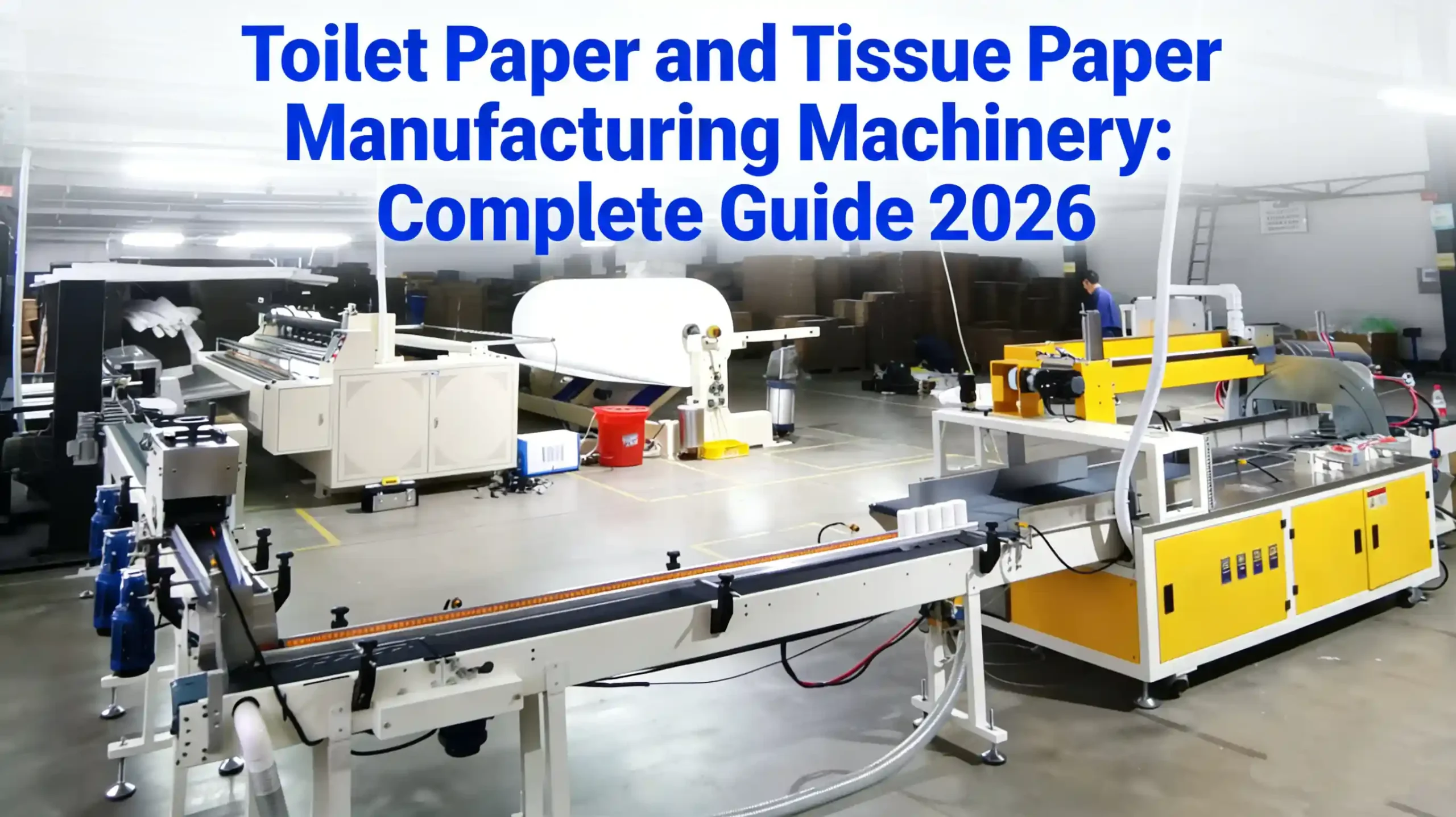
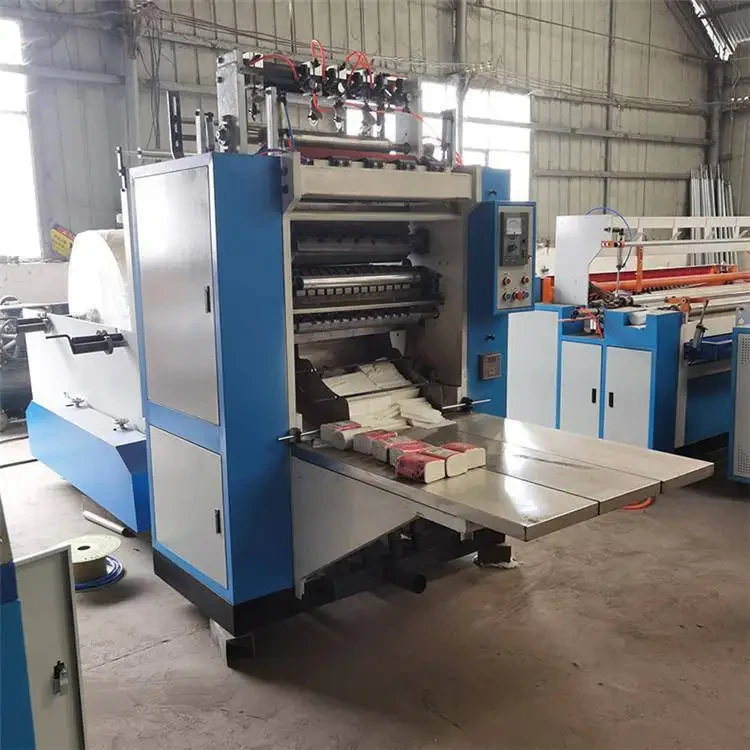
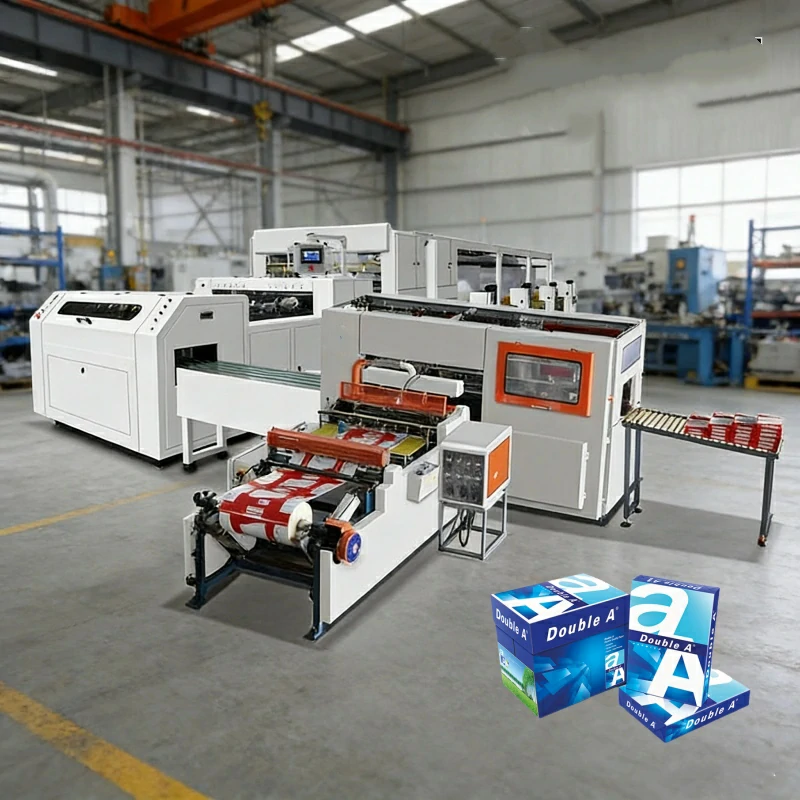
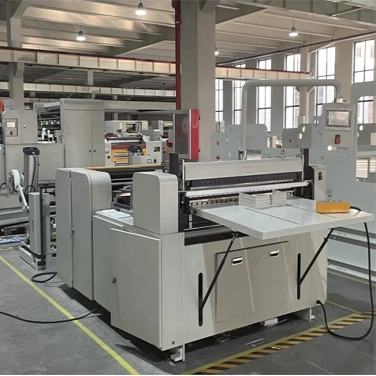
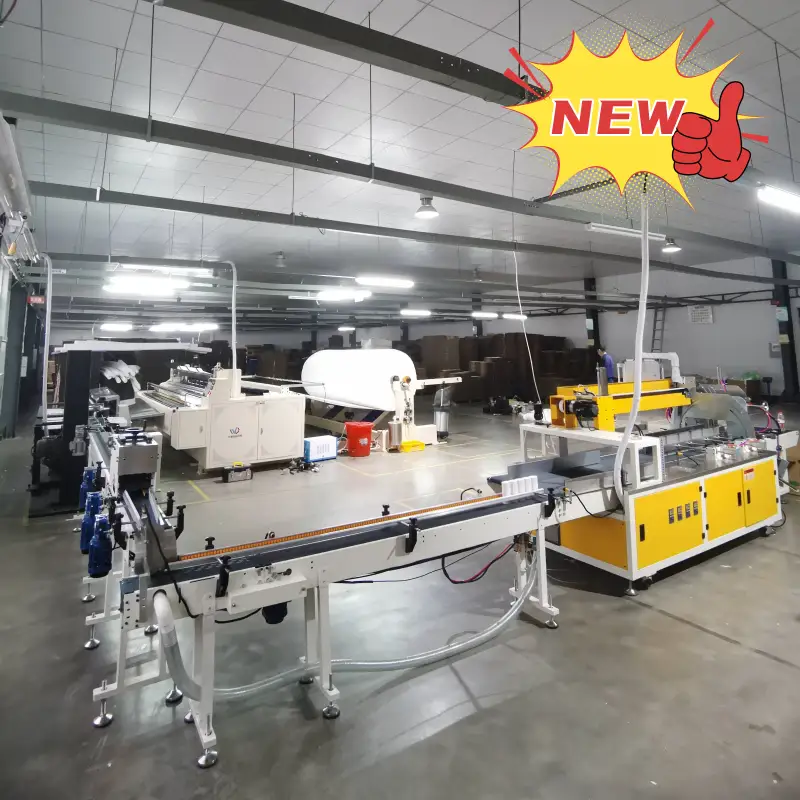
A small tissue business usually does not fail because demand is weak. It fails because the first machine purchase is wrong. Buyers often choose too much capacity and tie up cash, or they choose the cheapest unit and lose money on stoppages, waste, and poor roll quality. If you are looking for the best toilet roll making machine for small business, the right answer is not one model for everyone. It depends on your daily output target, labor plan, paper grade, and how quickly you expect to scale.
What the best toilet roll making machine for small business really means
For a small operation, “best” usually means the machine that reaches commercial output without creating unnecessary overhead. That is different from buying the fastest or most automated line on the market. A startup plant, a regional distributor building in-house production, and an established converter adding a secondary line will not need the same configuration.
The right machine should do four things well. It should produce stable roll quality, run consistently, match your labor and power conditions, and leave room for expansion. If one of those is missing, the machine may still run, but it will not serve the business well.
In practical terms, small business buyers should focus less on headline speed and more on usable production. A machine rated for high speed on paper may underperform in a real factory if core loading, embossing pressure, glue application, rewinding stability, or perforation quality are inconsistent. That is where experie

nced manufacturing support matters.
Start with your production model, not the catalog
Before comparing models, define the business you are actually building. Some buyers are supplying local wholesalers with standard toilet rolls. Others are targeting retail packaging, private label work, or institutional customers such as hotels, offices, and public facilities. Each route affects the machine specification.
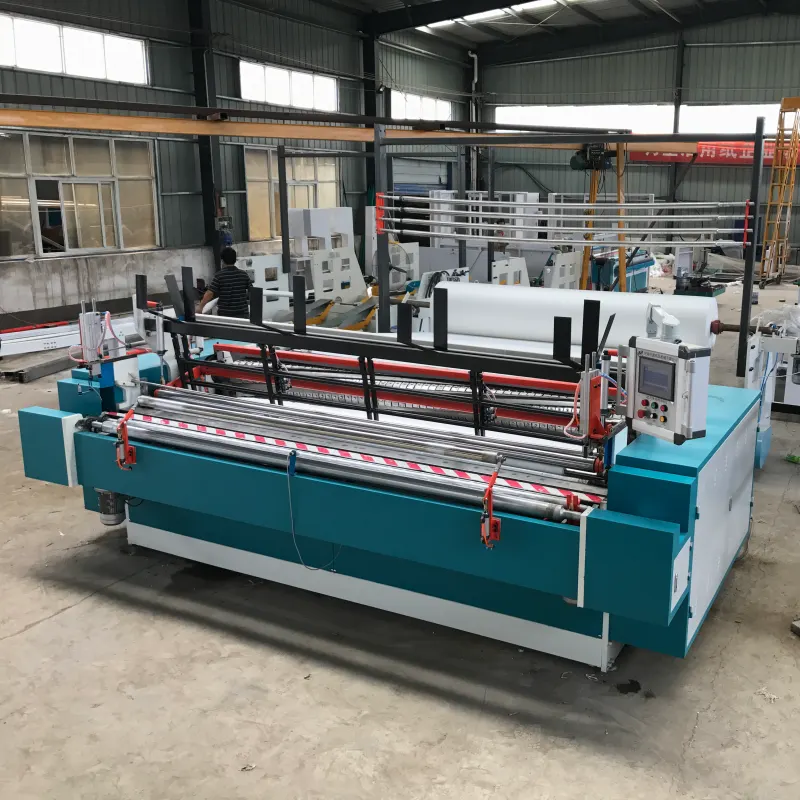
If your plan is basic household rolls for local distribution, a compact rewinding and perforating machine with standard embossing may be enough. If you want a stronger product presentation, you may need lamination embossing, more precise tension control, and cleaner edge trimming. If your customers require packaged finished goods ready for shelves, the machine decision should be considered as part of a line, not as a standalone unit.
This is a common mistake in small factories. They buy only the rewinder, then realize later they also need a band saw or log saw, a sealing or packing machine, and supporting equipment to keep production moving efficiently. The best purchase decision is made at line level, even when budget requires phased investment.
Core machine features that matter most
Rewinding stability and perforation accuracy
The rewinding section is the center of toilet roll production. A good machine should maintain even winding tension, consistent roll diameter, and clean perforation. If the perforation is too weak, the roll breaks during use or packing. If it is too strong, customers struggle to tear sheets properly. Both problems hurt repeat sales.
For small business production, stable operation is usually more valuable than extreme speed. A machine that runs smoothly for long shifts with acceptable waste often outperforms a faster machine that needs constant adjustment.
Embossing quality
Embossing affects appearance, softness perception, and layer bonding. For economy toilet paper, standard embossing may be enough. For higher-margin products, better embossing consistency can improve market acceptance. Buyers should ask whether the machine supports single embossing or additional options based on product grade.
Automatisierungsgrad
This is where trade-offs matter. A highly automated line reduces labor and improves repeatability, but it raises purchase cost and may require more advanced maintenance capability. A semi-automatic machine has a lower entry cost and can be a better fit for startups with available labor and a tighter budget.
The best toilet roll making machine for small business is often semi-automatic or moderately automated, not fully automatic. That balance gives small producers manageable investment with enough production discipline to supply the market consistently.
Raw material compatibility
Not every machine performs equally with different jumbo roll qualities. If your sourcing plan includes recycled tissue, mixed grades, or variable GSM materials, machine tolerance becomes important. A machine that only runs well under ideal paper conditions may look good during demonstration but create production issues later.
Maintenance and spare parts access
Every machine buyer asks about output. Fewer ask the more profitable question: how quickly can the machine return to operation when a wearing part fails? Downtime is expensive in a small factory because there is often no backup line. Simple maintenance structure, available spare parts, and technical response speed should be part of the buying decision from the start.
How to judge the right capacity for a small factory
A common purchasing error is oversizing. Buyers assume larger capacity means better value, but unused capacity still costs money in machine price, floor space, power demand, and working capital. A small business should buy for realistic near-term sales plus controlled growth, not for an optimistic five-year forecast.
If you are building a local or regional market from zero, a moderate-capacity machine is usually the safer move. It is easier to keep a right-sized machine loaded than to cover payments and operating cost on a line that sits idle. Once market demand is stable, adding converting, packaging, or a second line is often a stronger expansion strategy than overinvesting on day one.
That said, undersizing also has a cost. If the machine runs at full load immediately, maintenance intervals shorten, operators become rushed, and delivery reliability suffers. The right choice is a machine with enough capacity margin to absorb demand spikes without pushing the line beyond stable operating conditions.
The full cost is bigger than the machine price
Small business buyers often compare quotations too narrowly. Factory price matters, but it is only one part of the investment. You should also calculate freight, installation planning, electrical requirements, air supply if needed, spare parts, operator training, and packaging equipment downstream.
Then there is waste. A cheaper machine with poor control can consume more raw paper, create more rejects, and need more labor attention. Over time, those hidden costs can exceed the difference between a low-price machine and a better-built one.
This is why direct manufacturer support has commercial value. When the supplier understands the machine, the line layout, and export requirements, the buyer gets a clearer picture of total ownership cost instead of only the ex-factory number.
Why after-sales support should influence the purchase
For international buyers, support is not a side issue. It is part of the machine itself. If the supplier cannot provide documentation, commissioning guidance, operating advice, and spare parts support, the machine becomes a risk asset rather than a productive asset.
A serious manufacturer should be able to explain machine configuration clearly, confirm certifications, prepare equipment for export, and respond after delivery. This is particularly important for small businesses in growth markets where technical teams may be lean and downtime has an immediate cash flow impact.
NRC Machine works with buyers who need that kind of practical support – not just a quotation, but a machine plan that fits the factory, product target, and export process.
Which setup is usually best for small business buyers
In most cases, the best setup is a compact or medium-capacity toilet paper rewinding machine paired with the essential cutting and packing stages needed for your sales channel. That generally means a line that can produce consistent household rolls, supports reliable perforation and embossing, and does not overcomplicate operation.
For a startup, semi-automatic equipment often offers the best balance of cost and control. For a growing converter with stable orders, a more automated line may reduce labor cost and improve production consistency. Neither option is universally better. The better option is the one that matches your current demand, technical team, and reinvestment timeline.
What matters most is that the machine is commercially sensible. It should help you produce rolls that sell, maintain output with reasonable labor, and support margin instead of consuming it through repairs and waste.
Questions worth asking before you request a quote
When evaluating suppliers, ask about finished roll specifications, raw material range, actual operating speed, embossing options, machine dimensions, installed power, training support, spare parts recommendations, and what equipment is needed before and after the rewinder. These questions reveal whether the supplier is focused on real production or only on making the sale.
You should also ask for a recommendation based on your target market, not just your budget. A supplier with manufacturing experience will usually challenge weak assumptions and help prevent underbuying or overbuying.
The best machine for a small business is not the one with the most features on paper. It is the one that fits your factory, your product, and your growth plan with the fewest costly surprises. If you approach the purchase that way, your first line has a much better chance of becoming the base for a durable tissue business.