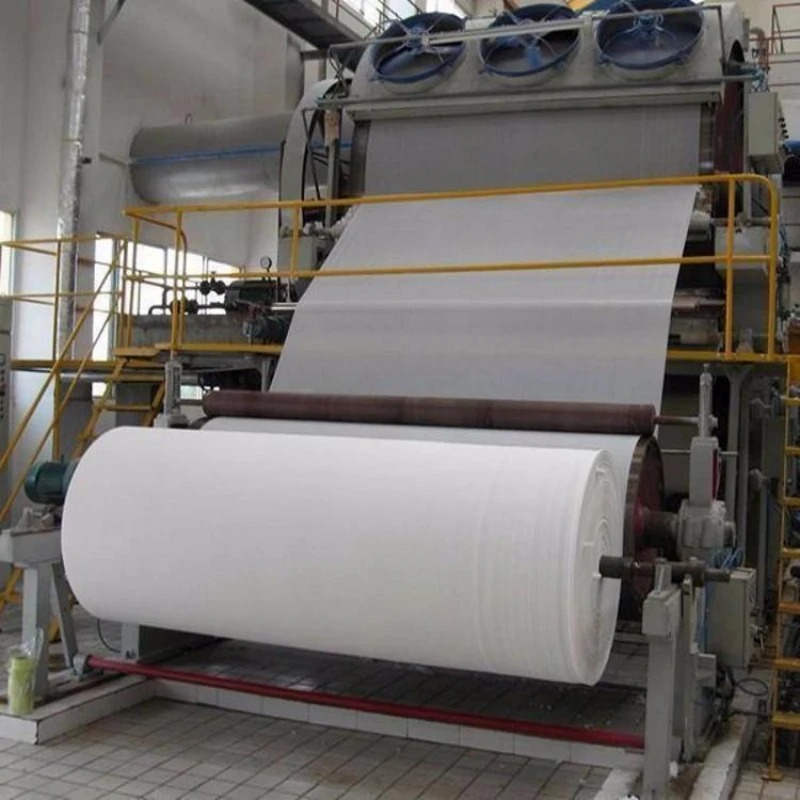
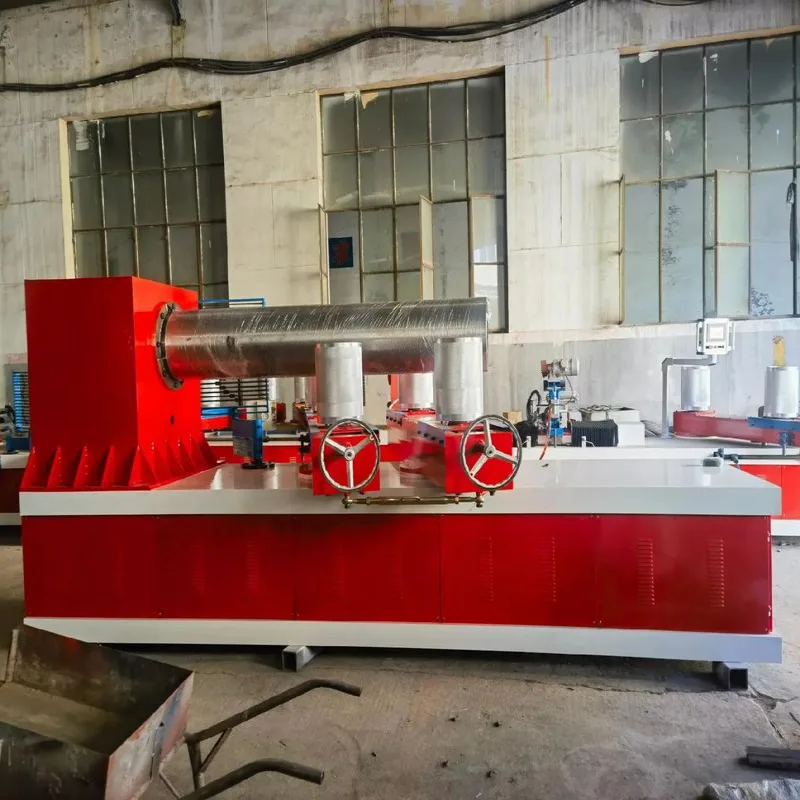
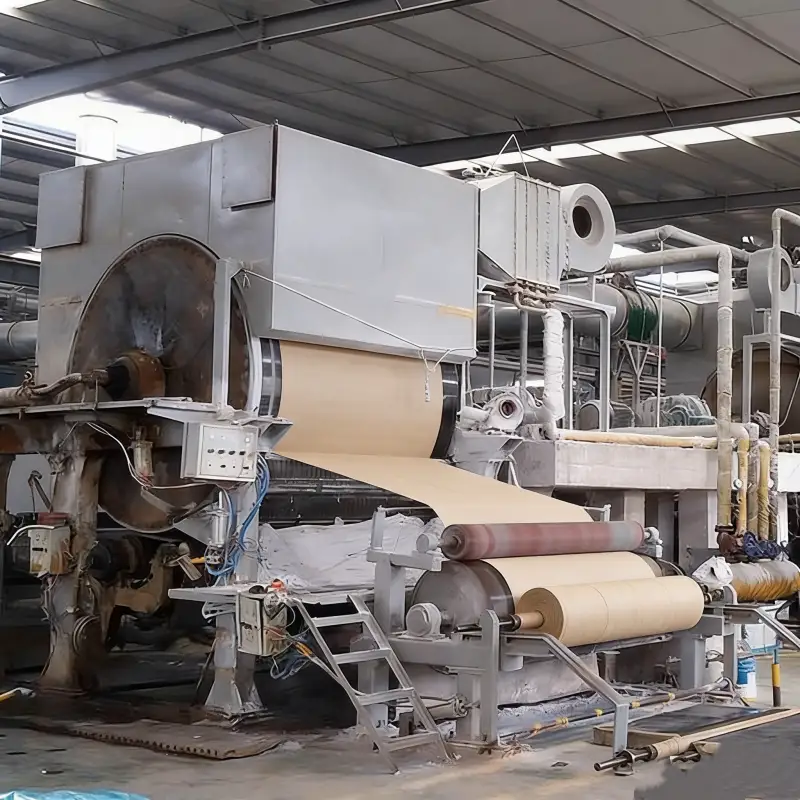
Un acheteur qui demande le prix d'une machine à fabriquer du papier toilette ne cherche généralement pas un simple chiffre. Il cherche à évaluer le coût total d'une décision de production : prix de la machine, rendement, consommation de matières premières, main-d'œuvre, installation et rapidité d'exécution pour la production de rouleaux commercialisables. C'est la bonne approche, car dans ce secteur, la machine la moins chère est rarement l'investissement le plus rentable.

How much does a machine de fabrication de papier hygiénique cost in real terms?
The short answer is that toilet paper making machine prices can range from a few thousand dollars for a basic single-function unit to well over six figures for a complete automatic production line. Most business buyers will fall somewhere in the middle, depending on the level of automation, the production capacity, and whether they are buying one machine or an integrated line.

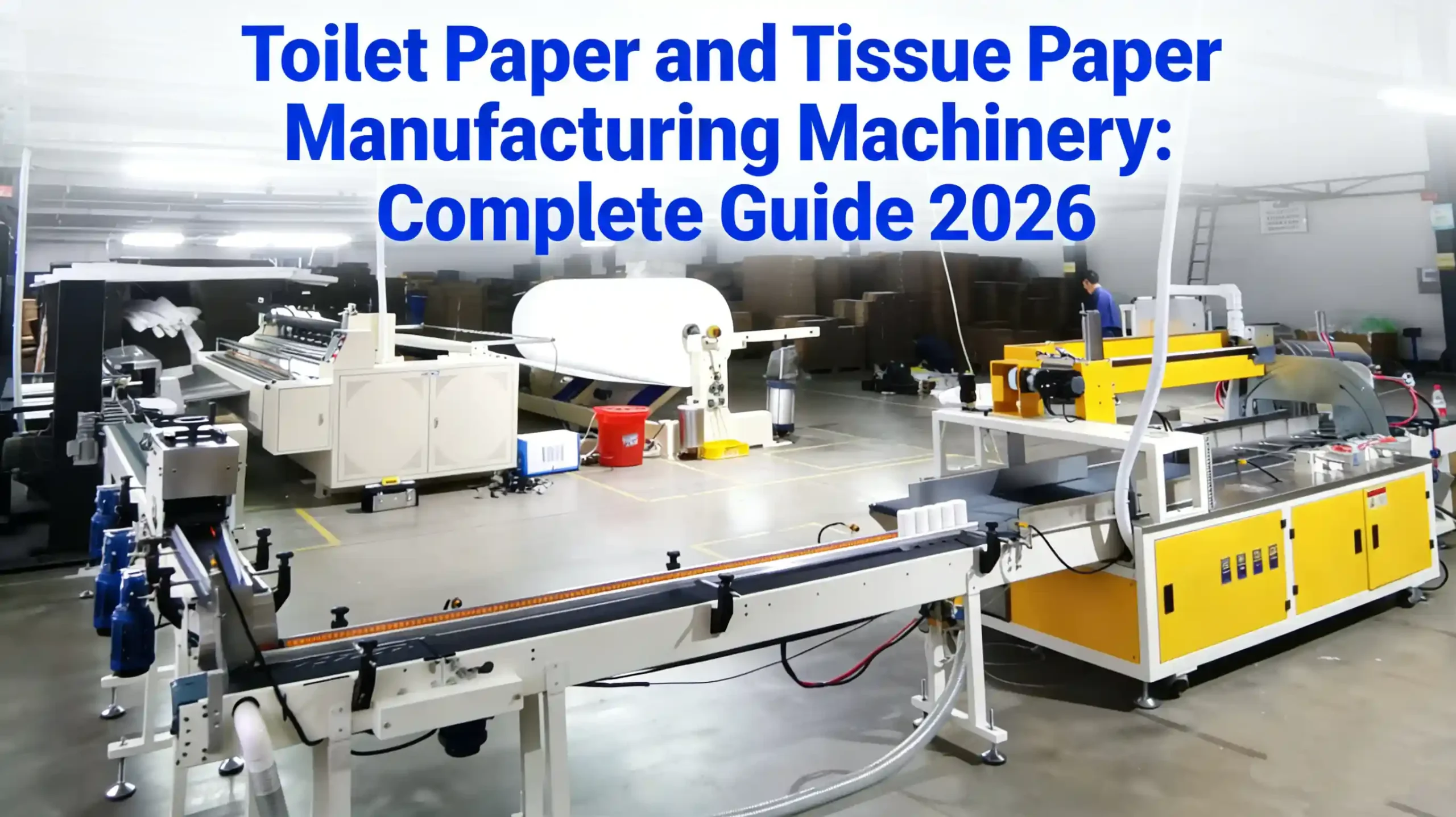
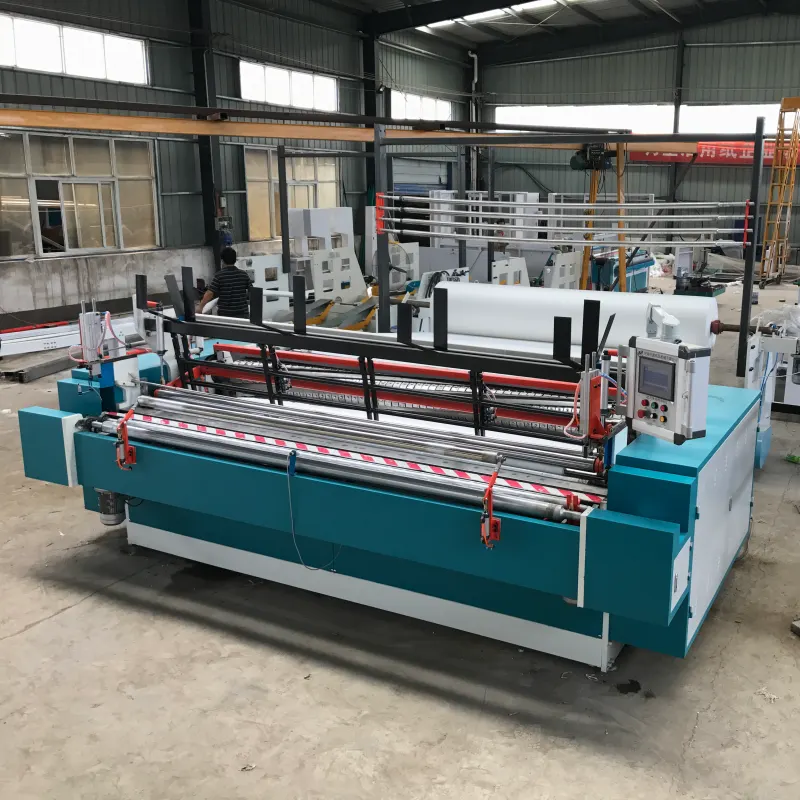
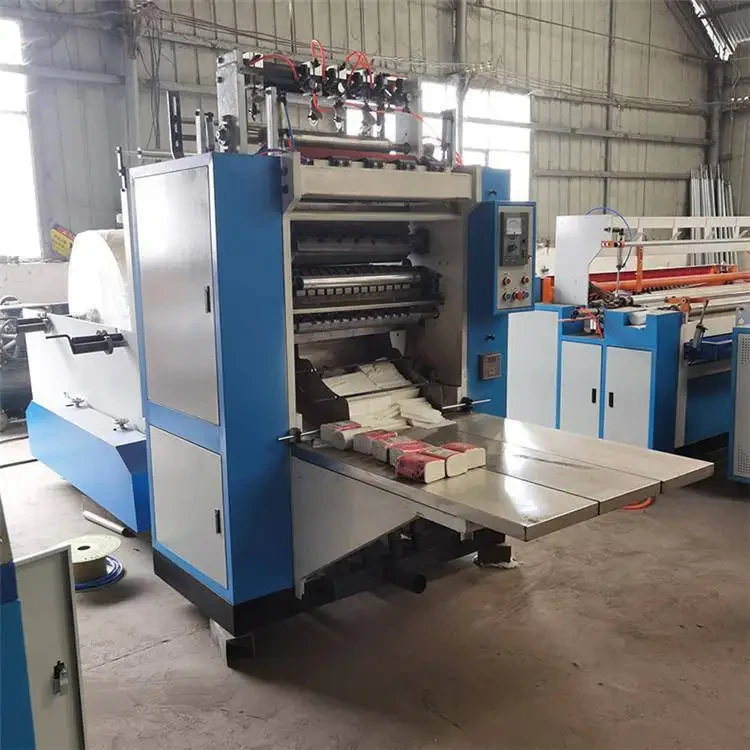
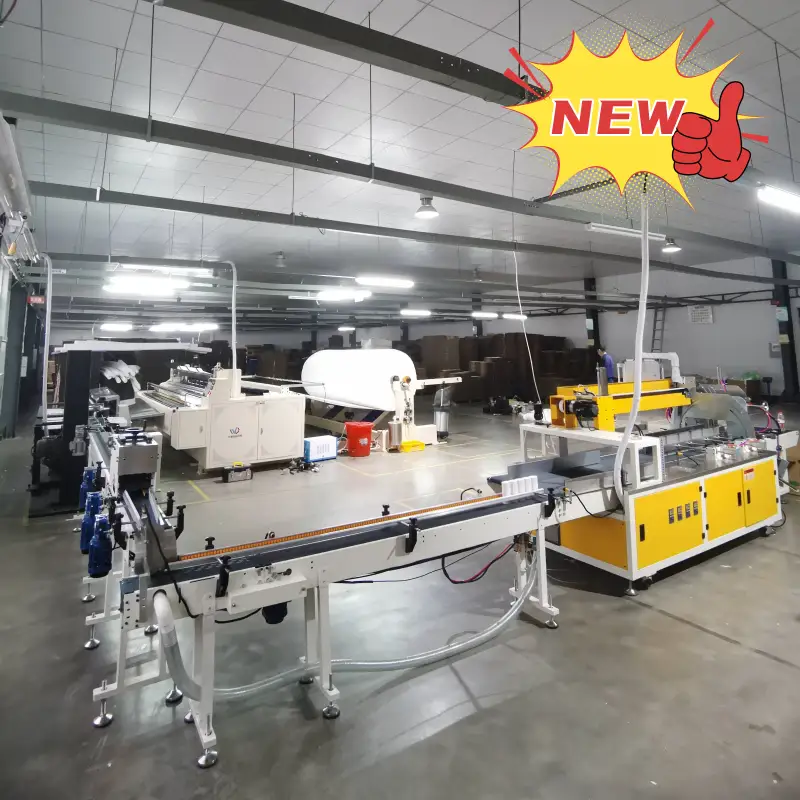
A small entry-level setup may include a rewinding machine and a separate band saw cutter, with manual packing handled by labor. That kind of arrangement is typically considered by startups, regional converters, or buyers entering lower-volume markets. At the other end, a fully automatic line may include rewinding, perforating, embossing, core feeding, log accumulation, cutting, and packing equipment designed for higher throughput and lower labor dependency.
This is why price comparisons can be misleading. Two suppliers may both say they offer a toilet paper making machine, but one may be quoting only the rewinder while the other is quoting a full converting line.
What changes the price most?
The biggest cost driver is machine configuration. In toilet tissue converting, the final quote depends on what the machine actually does, how much output it delivers per minute, and how much manual intervention is still required.
Single machine vs complete line
A standalone toilet paper rewinding machine will cost far less than a full production line. But a standalone machine does not finish the job. If your factory needs to convert jumbo rolls into retail-ready toilet paper, you may also need a machine à papier, log saw or band saw cutting machine, and packing equipment.
For some buyers, the correct budget is not the cost of one machine. It is the cost of the whole line needed to move from raw jumbo tissue to finished packaged rolls.
Automation level
Manual and semi-automatic systems cost less upfront. They also require more operators, more handling time, and more production coordination. Fully automatic systems cost more at purchase but can reduce labor cost, improve consistency, and increase output stability.
This trade-off matters differently depending on the market. In regions where labor is lower-cost and demand is still developing, a semi-automatic line may make commercial sense. In higher-volume operations or where product consistency is critical, automation usually delivers better long-term value.
Production capacity
Higher speed means higher cost. A machine built for modest local distribution is priced very differently from a line designed to support supermarket supply, contract converting, or multi-shift industrial output.
Capacity affects not just motor power and line speed, but also frame strength, control systems, unwind structure, tension stability, and component durability. Buyers should avoid paying for capacity they will not use, but they should also avoid buying a line that becomes a bottleneck within a year.
Machine width and product specification
Jumbo roll width, finished roll diameter, perforation length, embossing requirements, and core or coreless production all influence cost. A wider machine with more flexibility will generally be more expensive than a narrow machine limited to one output range.
If your business plans to serve multiple SKUs, private label jobs, or mixed market demands, flexibility is worth paying for. If you are producing one standard product at volume, a simpler configuration may be more cost-efficient.
Material quality and component standards
Industrial buyers should pay close attention to steel thickness, electrical components, bearings, control systems, and safety design. Lower-price equipment may look competitive on paper while using lighter construction or lower-grade components that affect stability and service life.
For export buyers, CE-certified quality and proper technical documentation are also part of the real value. A machine that arrives with poor wiring standards, weak spare parts support, or incomplete documentation can create hidden cost very quickly.
Typical price ranges buyers can expect
For a basic reference, small and lower-output toilet paper converting machines can start in the lower thousands of dollars if the scope is limited and manual work is high. Semi-automatic rewinding and cutting setups often move into the mid-range industrial budget level. Fully automatic, higher-speed, integrated toilet paper production lines can move into tens of thousands or significantly more depending on packaging automation, customization, and output targets.
That said, serious buyers should be careful with broad online price claims. A quote is only meaningful when it clearly states the machine model, working width, speed, automation level, included equipment, voltage, optional functions, and delivery terms.
A cheap-looking quote may exclude core making, air compressor requirements, installation guidance, spare parts, or export packaging. A higher quote may already include those items and be the better commercial offer.
The hidden costs behind the machine price
A toilet paper making machine cost should never be evaluated as equipment price alone. Procurement teams that focus only on the invoice amount often underestimate the total startup budget.
Shipping and import costs
Freight, customs clearance, inland delivery, port charges, and import duties can materially change landed cost. Machine size and container loading efficiency also matter. A compact machine with better packing design may reduce logistics cost compared with a lower-priced but bulkier alternative.
Installation and commissioning
Some factories have experienced maintenance teams and can handle most setup internally. Others require supplier guidance, video support, manuals, remote troubleshooting, or on-site technician service. This should be clarified before placing the order.
Spare parts and wear items
Blades, belts, bearings, electrical parts, pneumatic components, and consumable wear items should be budgeted from the beginning. A dependable supplier should be able to explain recommended spare parts packages and expected replacement cycles.
Raw material and product quality matching
A machine must match the parent roll specifications you can reliably source. If jumbo roll quality varies too much, machine performance and finished roll consistency will suffer. Sometimes buyers blame the machine when the issue is actually raw material inconsistency.
Labor and packaging
A lower-cost line may require more labor for core loading, log transfer, counting, bundling, and packing. If labor is expensive or production scheduling is tight, this can outweigh the initial savings.
How buyers should budget by business stage
A startup factory usually needs to protect cash flow first. In that case, a practical route may be a semi-automatic line with stable core functions, reasonable output, and room to add automation later. The goal is not to buy the biggest system. The goal is to enter production with reliable quality and controlled cost.
An expanding converter often needs a different answer to how much does a toilet paper making machine cost. For this buyer, the question becomes how much downtime, labor use, and missed output are costing under the current setup. Upgrading to a faster and more automated line can be justified by throughput, consistency, and margin improvement.
Importers and distributors evaluating machinery for resale also need to look at after-sales support, documentation quality, and parts availability. Price alone does not protect their reputation in the market.
How to compare quotes the right way
When reviewing offers, buyers should compare like for like. Ask what is included, what is optional, and what production output is realistic under normal operating conditions rather than ideal test conditions.
A proper machine quotation should make clear the model, working width, speed range, automation features, embossing options, power requirements, air requirements, spare parts scope, and packing method. It should also state whether the offer covers only the toilet roll rewinder or the complete downstream process.
This is where working with a direct manufacturer has practical value. The discussion becomes more technical and less vague. A factory-based supplier can usually explain configuration logic, customization limits, production matching, and export preparation more clearly than a sales intermediary.
For buyers looking at a new toilet tissue project or an expansion line, NRC Machine supports inquiry-based evaluation around machine configuration, output planning, and export supply through https://nrcmachine.com/.
What is a reasonable investment?
A reasonable investment is the one that matches your target market, planned output, and operating structure. If you are producing for local wholesale demand with standard rolls and lower labor cost, a simpler line may be enough. If you are targeting branded retail sales, larger contracts, or multi-shift production, underbuying can become expensive very fast.
The right question is not only how much the machine costs. It is how much production value the machine can create consistently, with acceptable waste, manageable labor, and dependable service support.
Buyers who make strong decisions in this category do not chase the lowest quote. They define the finished product, estimate real demand, match capacity to sales plans, and then buy a machine that can hold its performance over time. That is usually where the best return begins.