

Introduction
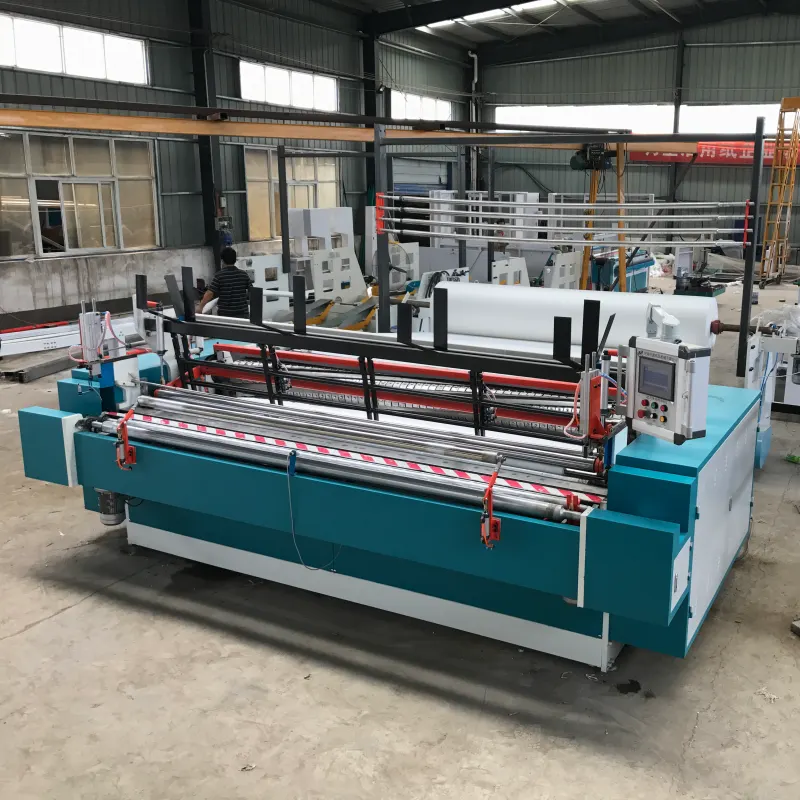
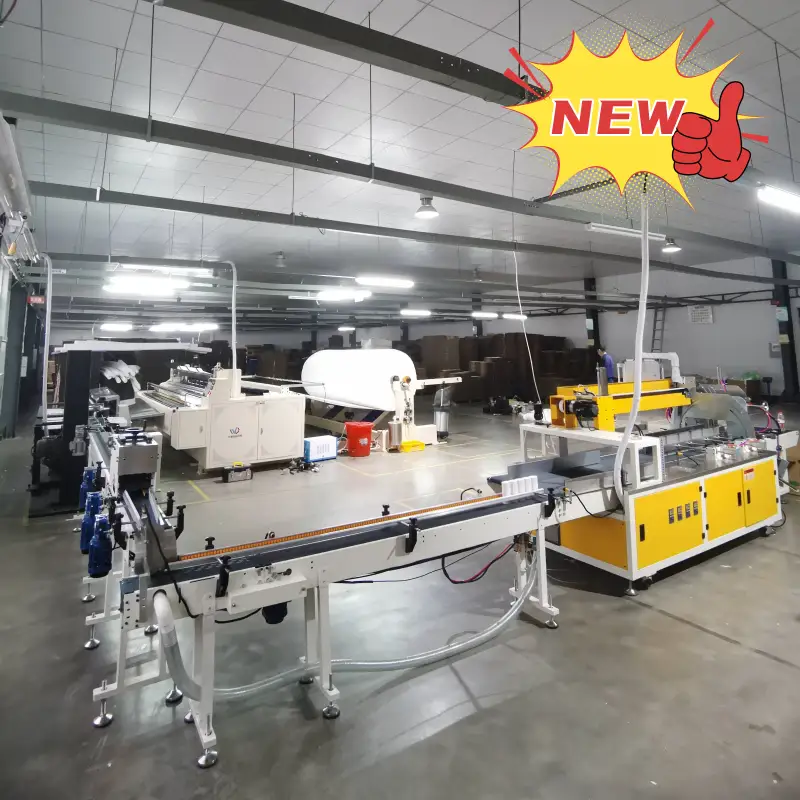
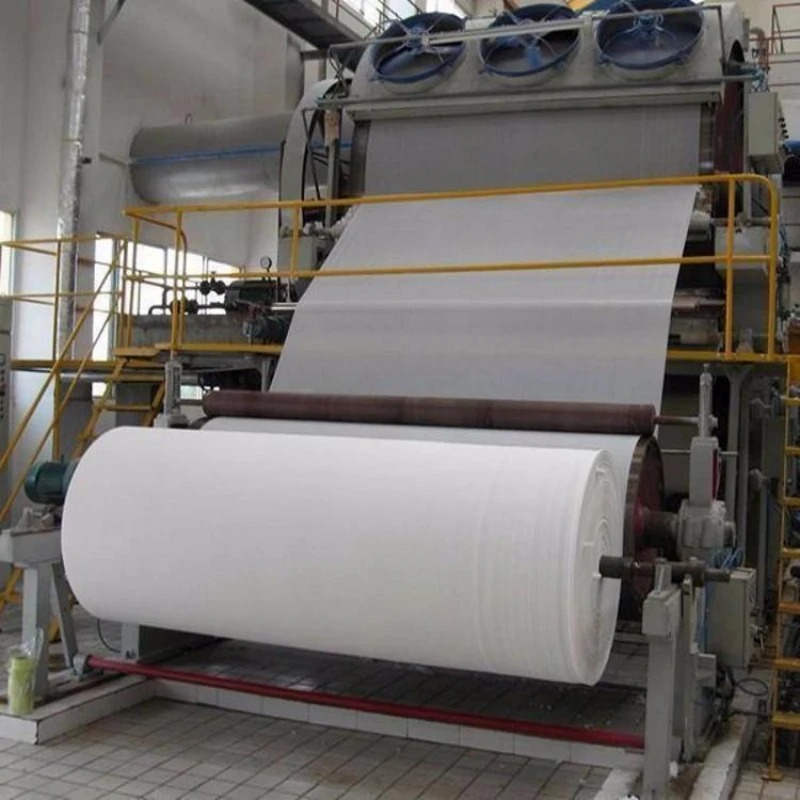
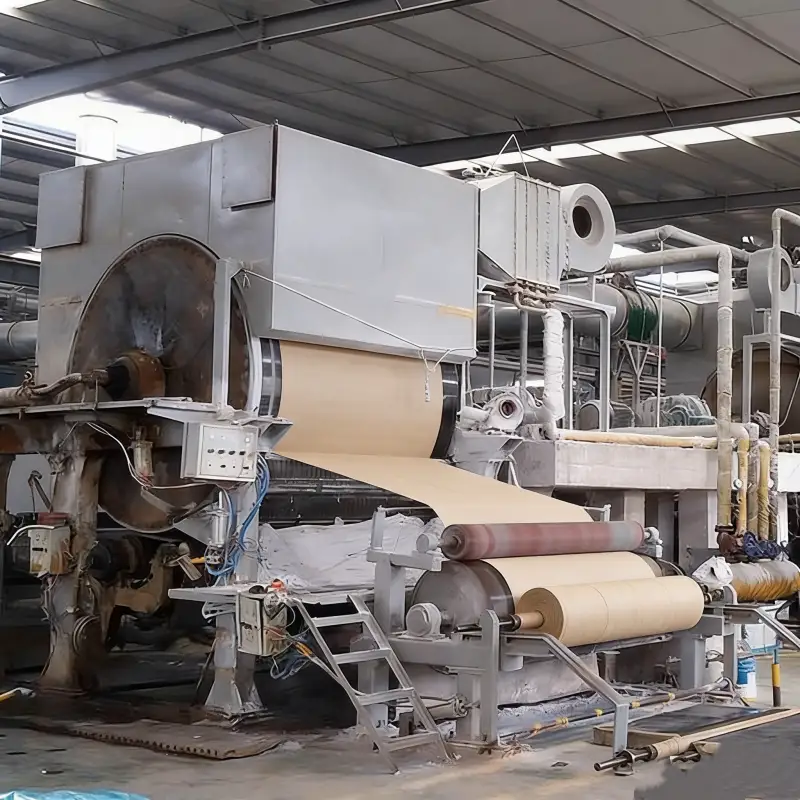
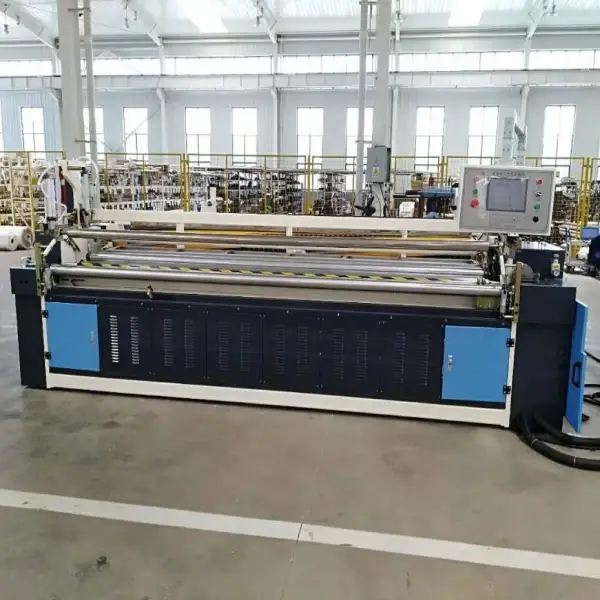
Le toilet roll rewinder machine is an essential piece of equipment in the tissue paper processing industry. With high efficiency and precision, this machine rewinds large parent rolls of toilet paper into smaller, consumer-ready rolls. It plays a critical role in converting bulk tissue into finished or semi-finished products suitable for packaging and distribution.

This document provides a detailed overview of the toilet roll rewinder machine, covering its functions, components, working principles, types, applications, and benefits.
Functions of a Toilet Roll Rewinder Machine
The primary purpose of a toilet roll rewinder machine is to convert large jumbo rolls (also called parent rolls) into smaller diameter rolls used in households and commercial facilities. Key functions include:
- Rembobinage: Transferring tissue from a large roll to a smaller core at high speed.
- Contrôle de la tension: Maintaining consistent tension to prevent tearing or stretching of the tissue.
- Alignment Correction: Ensuring the tissue is wound evenly and precisely onto the core.
- Optional Perforation & Embossing: Some advanced models integrate perforation for easy tearing and embossing for softness and strength.
- Counting & Cutting: Automatically counting sheets or lengths and cutting rolls to specified sizes.
Main Components
A typical toilet roll rewinder machine consists of the following key components:
- Unwind Stand: Holds the parent roll and allows controlled unwinding.
- Tension Control System: Uses brakes, dancers, or pneumatic systems to regulate tissue tension.
- Guiding System: Corrects lateral misalignment of the web (edge guiding).
- Rewind Shaft(s): Rotating shafts that wind the tissue onto cores; may support multiple rolls simultaneously.
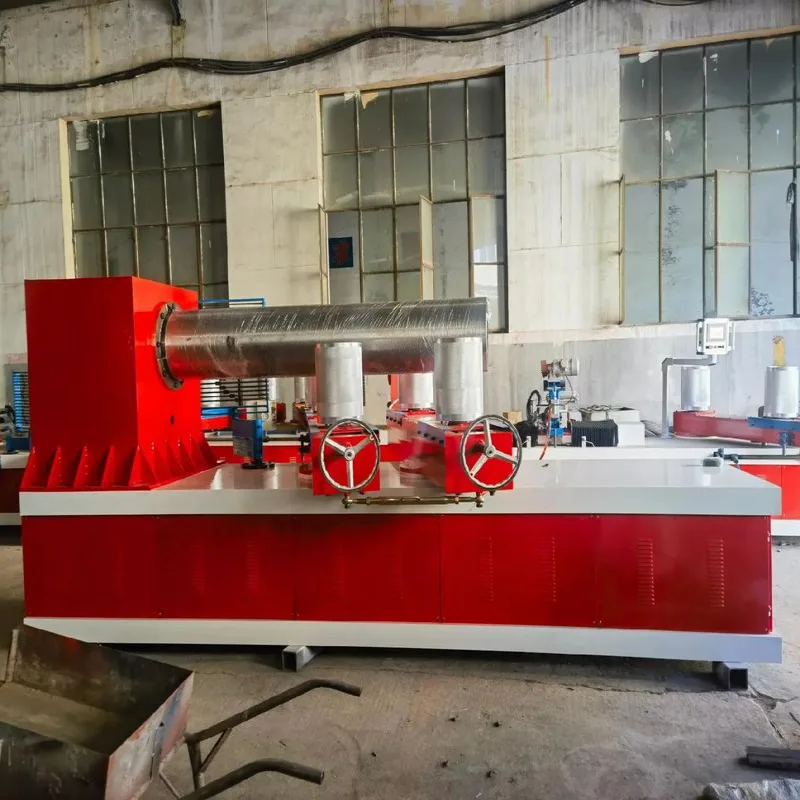
- Core Feeding System: Automatically inserts paper or plastic cores onto the rewind shaft.
- Système d'entraînement: Motor and gearbox that power the rewinding process.
- Panneau de contrôle: PLC-based interface for setting speed, length, roll count, and diagnostics.
- Optional Units:
- Perforating unit
- Embossing unit
- Static eliminator
- Dust extraction system
Principe de fonctionnement
The operation of a toilet roll rewinder machine follows these steps:
- Loading: load large parent tissue paper rolls on the unwind stand.
- Threading: Thread tissue web through guide rollers and tension controls.
- Core Insertion: Automatic feed empty paper core into position on the rewind shaft.
- Rembobinage: The machine starts winding the tissue onto the cores at a controlled speed and tension.
- Monitoring: Sensors monitor roll diameter, length, and alignment; adjustments are made in real time.
- Cutting & Ejection: Once the preset roll size is reached, the web is cut, and the finished roll is ejected.
- Repetition: The process continues automatically for the next set of cores.
Paramètre technique
| Paramètre technique | |
| Modèle | NRC2200 |
| Papier brut applicable | 2-3 plis 14~23g/m² |
| Produit fini | Papier toilette avec/sans mandrin |
| Largeur du papier brut | Max 2000 mm |
| Diamètre du papier brut | Max1300mm |
| Dimensions finales | Φ60~120 mm |
| Diamètre du noyau fini | Φ35mm-Φ50mm |
| Diamètre du noyau de papier brut | 3”(76,2 mm) |
| Perforation | Couteau de perforation en spirale, positionnement de la roue à chaîne |
| Vitesse de production | 200 m/min |
| Pouvoir | 12kw |
| Conception paramétrique | Écran tactile LCD |
| Contrôle | PLC |
| Alimentation en papier | 3 dérouleurs, commandés par pneumatique |
| Pression atmosphérique | 0,5 Mps |
| Pouvoir | 380V, 50hz |