Ikhtisar
Pelajari tentang panduan pengaturan lini produksi kertas toilet dari MESIN NRC.Lini produksi tisu toilet yang terlihat terjangkau di atas kertas dapat menjadi mahal dengan cepat begitu waktu henti, pemborosan bahan baku, dan kualitas gulungan yang buruk mulai muncul di lantai pabrik. Panduan penyiapan lini produksi tisu toilet yang kuat akan membantu pembeli menghindari kesalahan tersebut sejak dini - sebelum pemilihan mesin, tata letak, dan perencanaan utilitas mengunci biaya yang dapat dihindari.
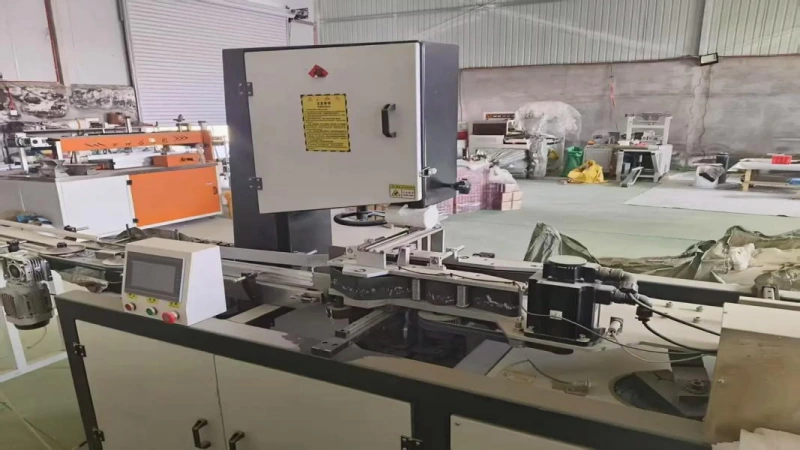
Bagi sebagian besar investor dan manajer pabrik, pertanyaan sebenarnya bukanlah sekadar mesin tisu toilet mana yang harus dibeli. Ini adalah bagaimana membangun lini yang sesuai dengan permintaan pasar, kondisi tenaga kerja lokal, pasokan gulungan induk, ekspektasi pengemasan, dan rencana ekspansi di masa depan. Ketidaksesuaian kecil dalam pilihan emboss, kecepatan rewinding, atau ruang bengkel dapat mempengaruhi produksi setiap hari.
Apa yang lini produksi kertas toilet Panduan penyiapan harus mencakup
Rencana penyiapan yang praktis dimulai dengan produk jadi, bukan dengan katalog mesin. Anda perlu menentukan lebar gulungan, diameter gulungan, panjang lembaran, jumlah lapisan, pola emboss, format kemasan, dan target output per shift. Tanpa rincian tersebut, mudah untuk membeli peralatan yang dapat berjalan, tetapi tidak sesuai dengan pasar Anda.
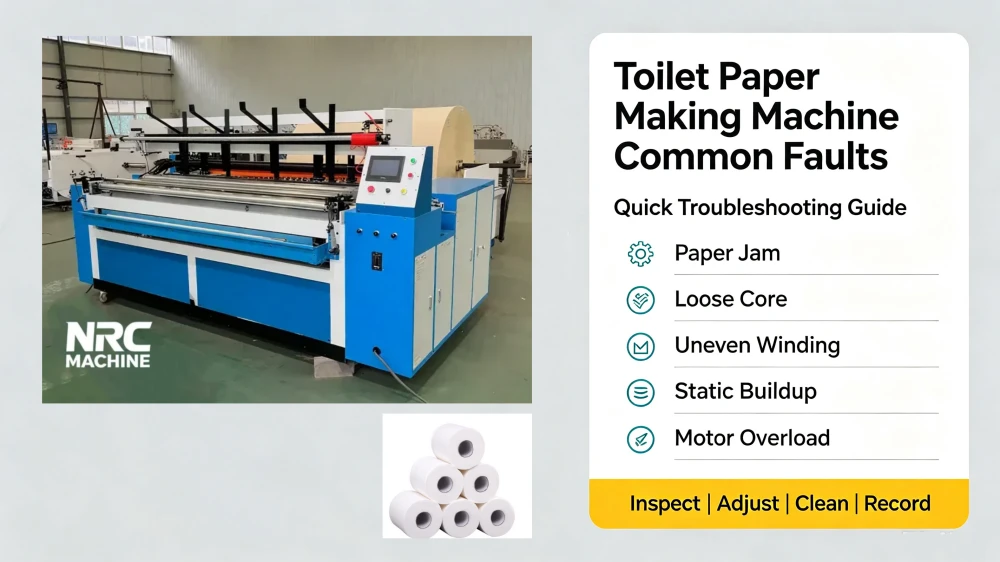
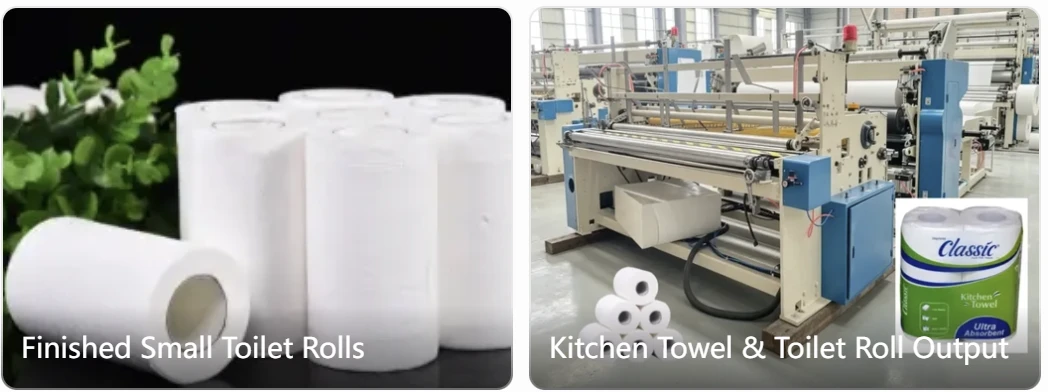
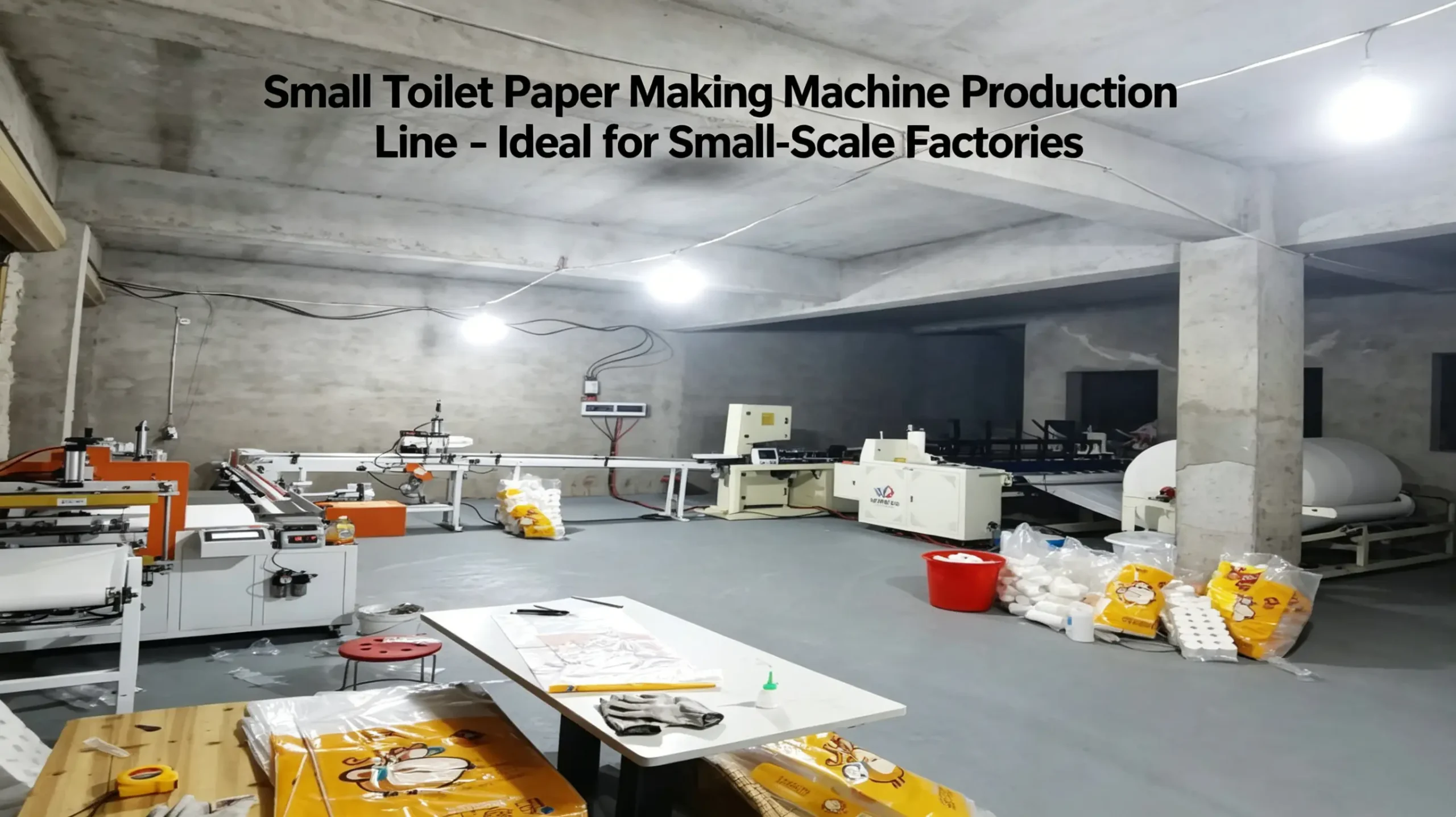
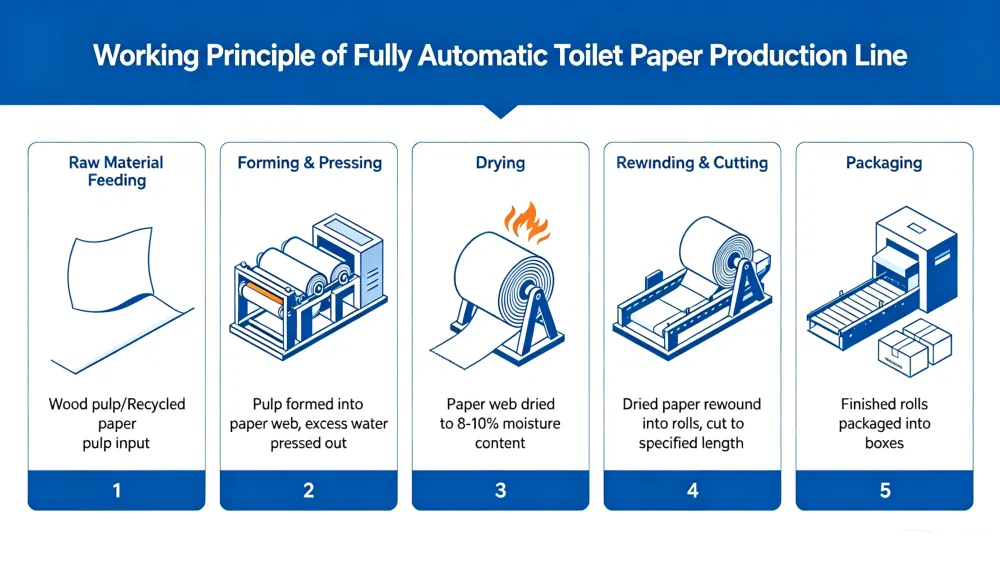
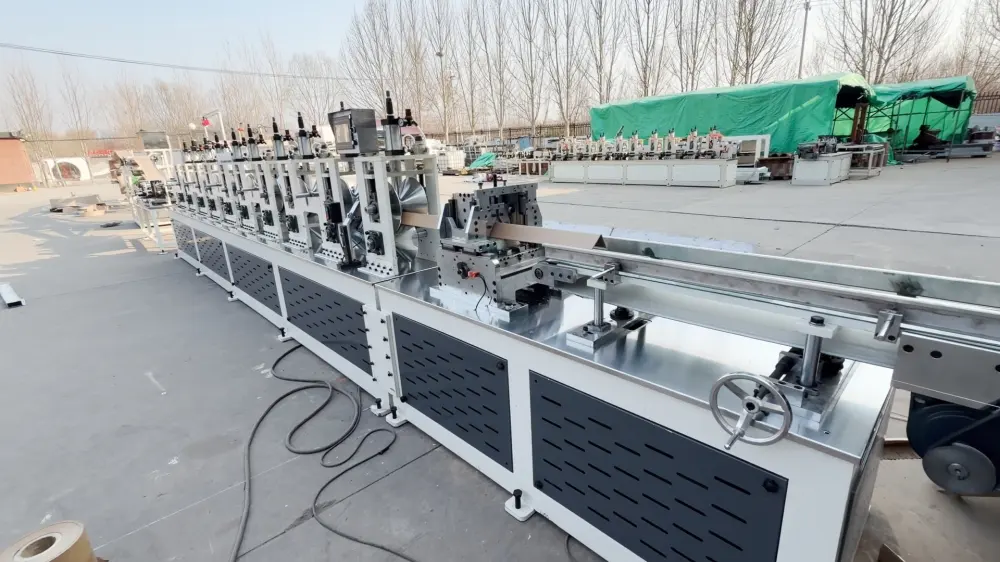
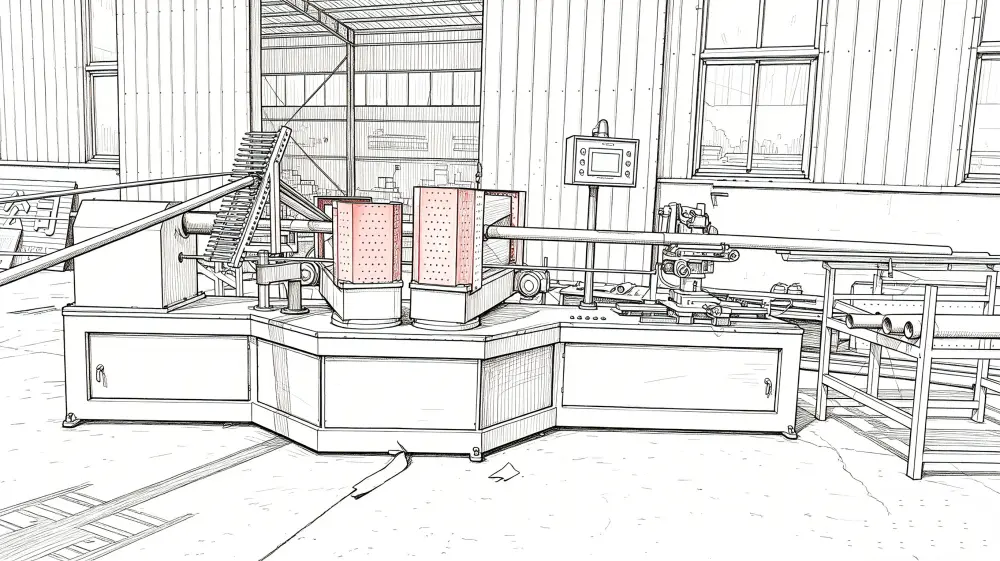
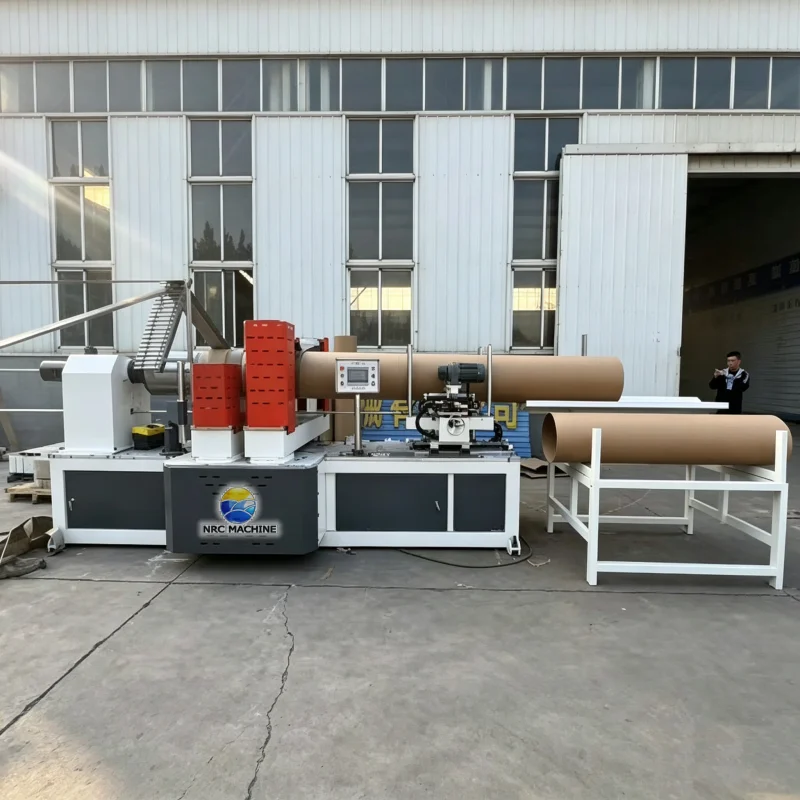
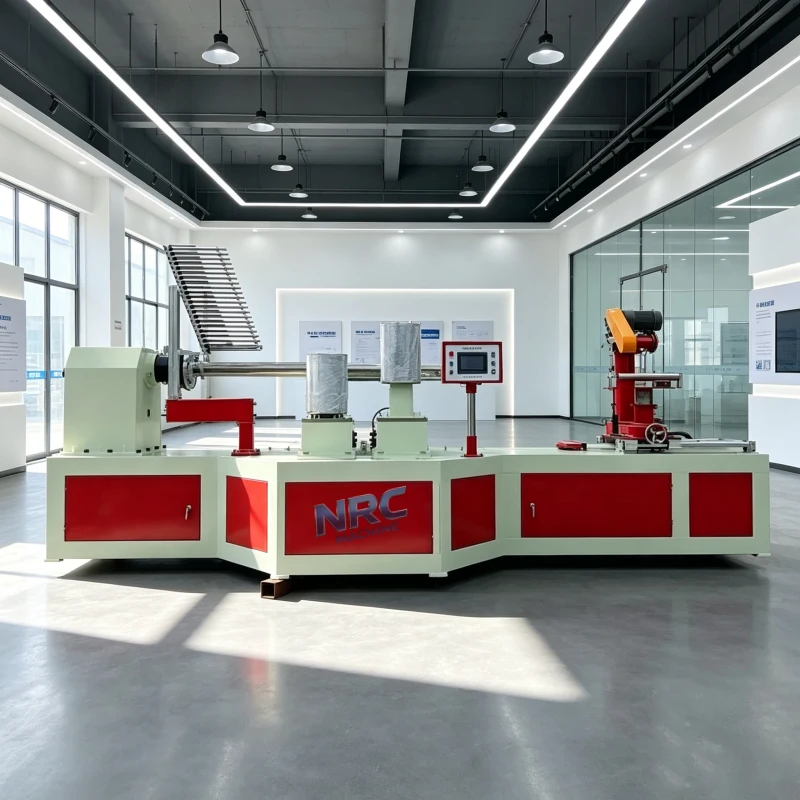
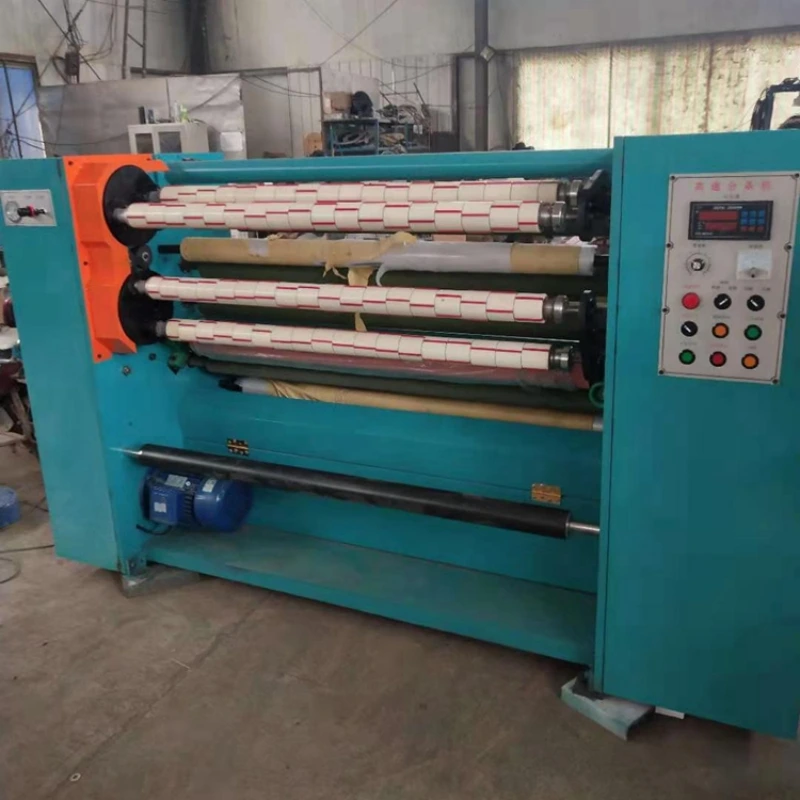
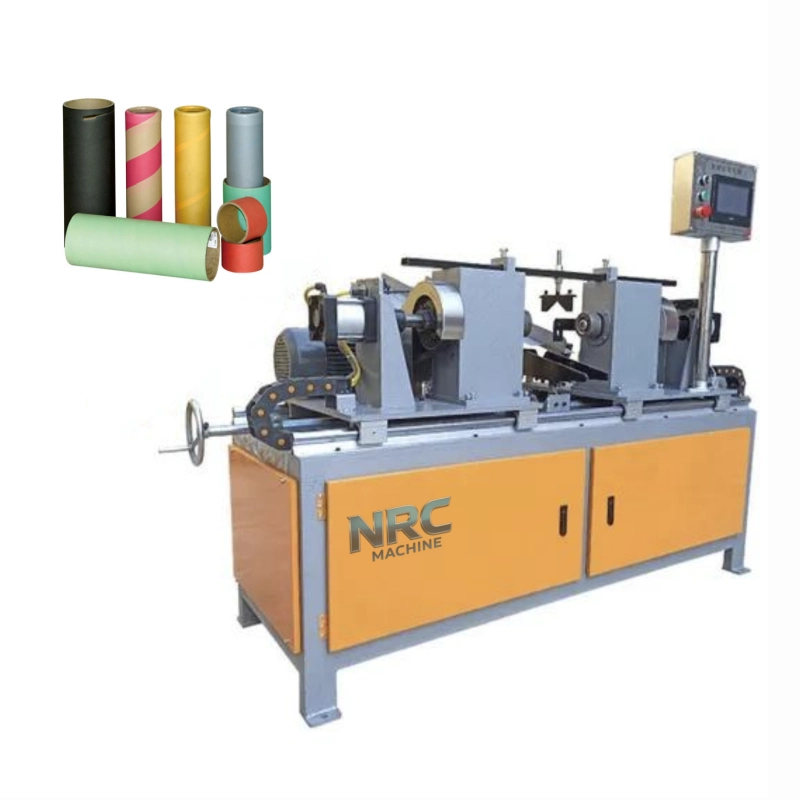
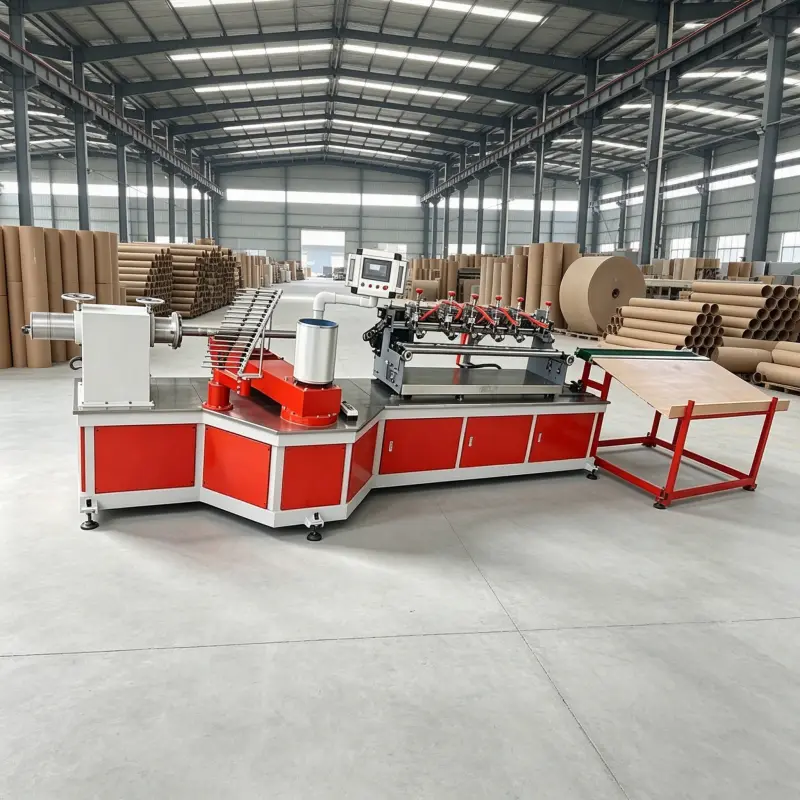
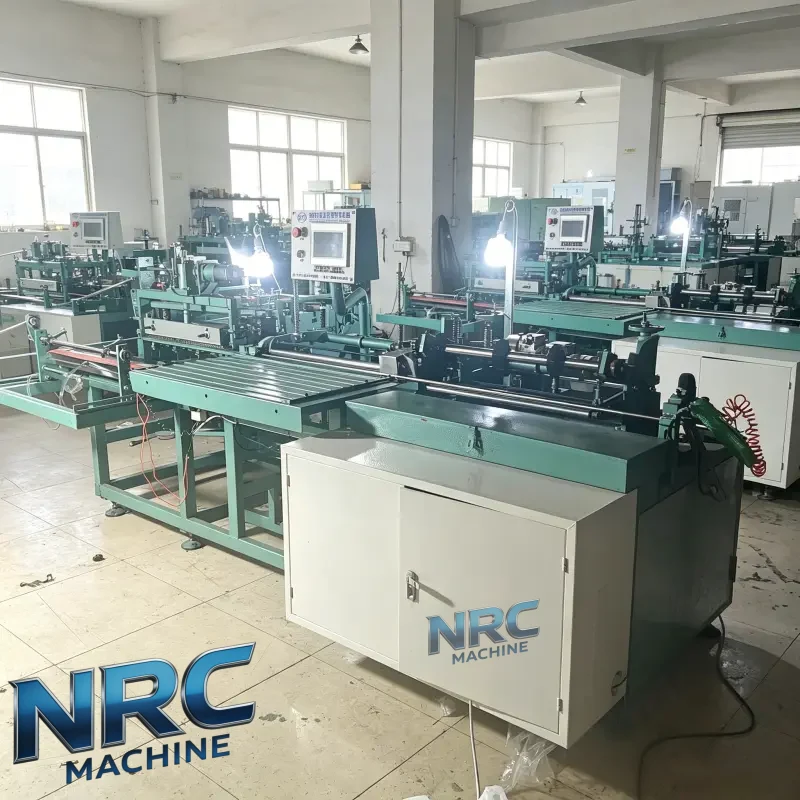
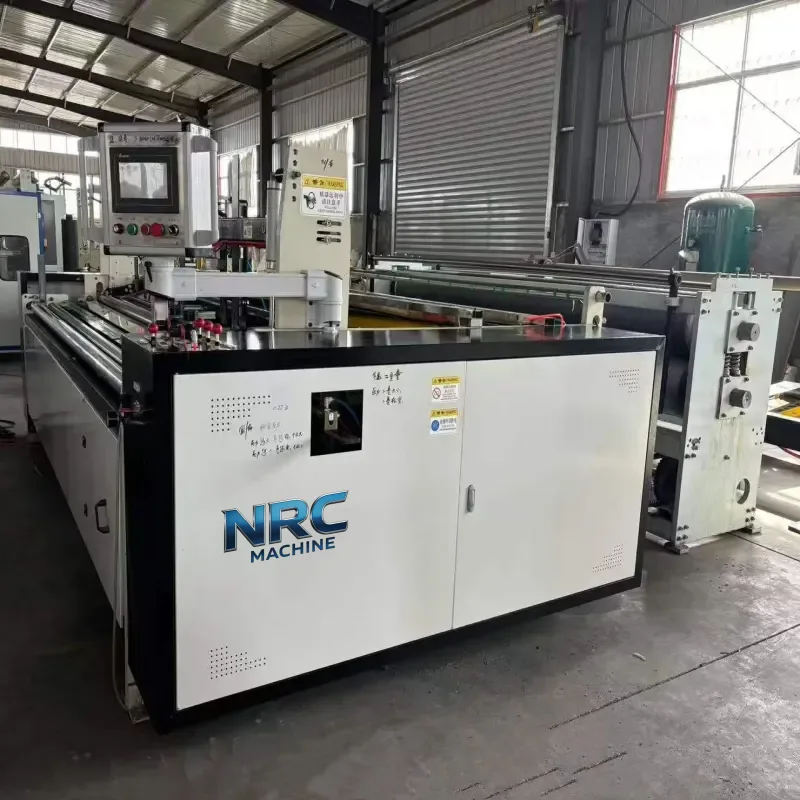
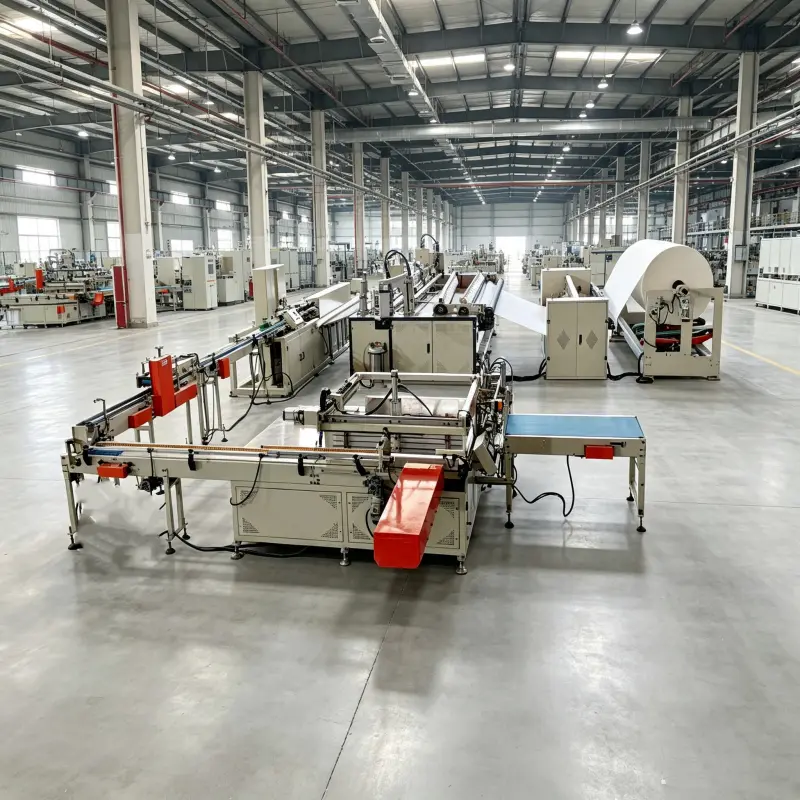
Jalur konversi kertas toilet standar biasanya mencakup bagian pelepasan gulungan jumbo, unit penggulungan ulang dan perforasi, sistem emboss jika diperlukan, akumulator kayu atau bagian pemindahan, sistem pemotongan gergaji kayu atau gergaji pita, dan peralatan pengemasan. Beberapa pabrik juga menambahkan peralatan pembuatan core jika mereka menginginkan kontrol internal atas pasokan tabung kertas. Pabrik lainnya lebih memilih untuk mengalihdayakan cores di awal untuk mengurangi investasi awal.
Pilihan itu tergantung pada skala. Jika volume Anda tidak terlalu besar, membeli core yang sudah jadi dapat membuat pengaturan awal Anda lebih sederhana. Jika output Anda lebih besar dan pasokan core Anda tidak stabil, menambahkan mesin tabung kertas dapat meningkatkan pengendalian biaya dan produksi kontinuitas.
Mulailah dengan kapasitas, bukan hanya kecepatan alat berat
Kecepatan mesin sering kali menjadi angka pertama yang ditanyakan oleh pembeli, tetapi kecepatan terukur dan output yang stabil tidaklah sama. Sebuah rewinder mungkin mengiklankan kecepatan tinggi, namun performa aktual Anda akan bergantung pada kualitas gulungan induk, keterampilan operator, disiplin shift, waktu pergantian, dan efisiensi pemotongan.
Pendekatan yang lebih baik adalah dengan memperkirakan hasil penjualan harian. Bekerja mundur dari target penjualan bulanan Anda dan memasukkan limbah, waktu perawatan, dan penundaan pengemasan. Jika pasar Anda dapat menyerap 8 hingga 10 ton per hari, lini Anda harus dirancang dengan hasil yang konsisten pada tingkat tersebut, bukan pada angka puncak yang dicapai hanya dalam kondisi ideal.
Di sinilah banyak pembeli pertama kali kurang berinvestasi. Mereka memilih satu set mesin berbiaya rendah yang memenuhi target kecepatan nominal tetapi kesulitan dengan perforasi yang stabil, kekencangan gulungan, atau keseragaman gulungan jadi. Untuk distributor dan produsen produk bermerek, kualitas gulungan yang tidak konsisten dengan cepat menjadi masalah pasar.
Memilih pengaturan lini produksi tisu toilet yang tepat
Ketika mengevaluasi pengaturan lini produksi tisu toilet, variabel utamanya adalah tingkat otomatisasi, spesifikasi produk jadi, dan model tenaga kerja. Lini semi-otomatis dapat mengurangi biaya modal awal, tetapi biasanya membutuhkan lebih banyak operator dan pengawasan yang lebih ketat. Lini yang lebih otomatis dapat meningkatkan konsistensi output dan mengurangi ketergantungan tenaga kerja, tetapi investasinya lebih tinggi dan perencanaan utilitas menjadi lebih penting.
Segmen produk Anda juga penting. Tisu toilet ekonomis yang dijual melalui saluran grosir mungkin memprioritaskan hasil dan biaya per gulung. Produk yang berfokus pada ritel mungkin memerlukan emboss yang lebih bersih, kontrol penggulungan yang lebih baik, pemotongan yang lebih rapi, dan presentasi kemasan yang lebih kuat. Jika Anda berencana untuk melayani kedua segmen tersebut, peralatan Anda harus memungkinkan fleksibilitas daripada mengunci lini ke dalam satu spesifikasi yang sempit.
Lebar gulungan induk adalah keputusan lain dengan dampak jangka panjang. Gulungan jumbo yang lebih lebar dapat meningkatkan efisiensi produksi, tetapi hanya jika bengkel, sistem penanganan, dan desain alat berat Anda mendukungnya dengan baik. Jika ruang terbatas atau operator Anda belum berpengalaman, konfigurasi yang lebih sederhana mungkin lebih produktif di tahun pertama.
Tata letak pabrik adalah keputusan produksi
Tata letak bengkel yang buruk dapat memperlambat jalur mesin yang baik. Material harus bergerak ke satu arah yang logis dari penyimpanan gulungan jumbo ke penggulungan ulang, pemotongan, pengemasan, penyimpanan barang jadi, dan pemuatan. Lalu lintas silang antara bahan baku dan barang yang dikemas menciptakan penundaan dan meningkatkan risiko penanganan.
Jarak bebas di sekitar setiap mesin lebih penting daripada yang diharapkan oleh banyak investor baru. Operator memerlukan akses yang aman untuk memuat gulungan induk, mengganti bahan habis pakai, menyetel pisau, memeriksa perforasi, dan membersihkan debu. Tim pemeliharaan juga membutuhkan ruang untuk memperbaiki motor, bearing, suku cadang pneumatik, dan kabinet listrik.
Perencanaan penyimpanan seharusnya tidak menjadi renungan. Tisu gulung jumbo membutuhkan kondisi kering dan penanganan yang hati-hati. Tisu toilet yang sudah jadi juga membutuhkan ruang yang bersih untuk melindungi kualitas kemasan. Jika gudang terlalu kecil, produksi dapat berhenti bukan karena mesin memiliki masalah, tetapi karena tidak ada tempat untuk mementaskan output.
Utilitas dan kondisi bengkel
Setiap panduan penyiapan lini produksi tisu toilet harus memperhatikan daya, udara, pengendalian debu, dan lingkungan bengkel. Peralatan pengubah jaringan bergantung pada listrik yang stabil. Fluktuasi tegangan dapat memengaruhi sistem kontrol, kinerja penggerak, dan konsistensi pemotongan. Di daerah dengan daya yang tidak stabil, perencanaan cadangan bukanlah hal yang opsional.
Persyaratan udara terkompresi harus dikonfirmasi sebelum pemasangan, terutama untuk sistem pengemasan otomatis dan fungsi mesin pneumatik. Kualitas udara juga penting. Perawatan udara yang buruk dapat mengurangi masa pakai komponen dan meningkatkan frekuensi perawatan.
Debu adalah masalah praktis lainnya. Pengubahan jaringan menghasilkan debu kertas, dan jika tata graha lemah, hasilnya bukan hanya masalah kebersihan tetapi juga masalah pemeliharaan. Ventilasi yang lebih baik, rutinitas pembersihan yang disiplin, dan perencanaan ekstraksi yang tepat membantu melindungi kinerja mesin dan presentasi produk.
Keputusan bahan baku memengaruhi seluruh lini
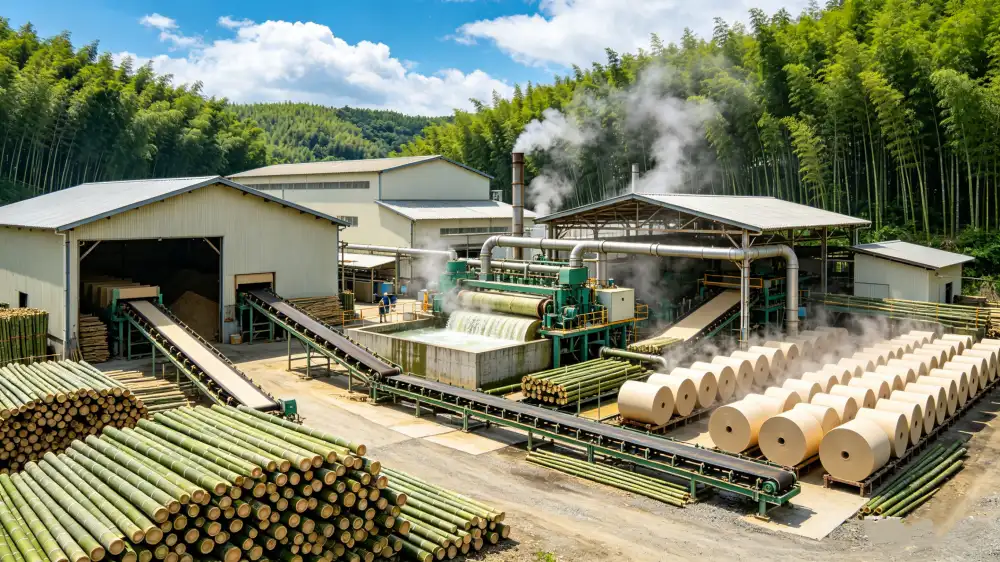
Sebuah garis hanya dapat bekerja sebaik gulungan induk yang memberinya makan. GSM jaringan, kelembutan, kekuatan, tingkat kelembapan, ikatan lapisan, dan kualitas penggulungan semuanya mempengaruhi hasil penggulungan dan pemotongan. Jika kualitas bahan baku berubah terlalu sering, operator Anda akan menghabiskan lebih banyak waktu untuk menyesuaikan mesin dan lebih sedikit waktu untuk menghasilkan output yang stabil.
Kualitas inti sama pentingnya ketika menggunakan tisu toilet cored. Cores yang lemah atau tidak konsisten dapat mempengaruhi tegangan gulungan dan bentuk gulungan akhir. Kualitas film kemasan juga lebih penting daripada yang terlihat. Film yang buruk dapat menyebabkan masalah penyegelan, presentasi yang lemah, dan kerusakan transportasi.
Oleh karena itu, perencanaan penyiapan harus mencakup spesifikasi bahan baku yang disetujui, bukan hanya spesifikasi peralatan. Pemasok mesin dan pembeli harus menyelaraskan kondisi material nyata yang akan ditangani oleh lini tersebut.
Disiplin staf, pelatihan, dan startup
Bahkan saluran yang dikonfigurasi dengan baik pun membutuhkan operator yang terlatih. Selama masa permulaan, perbedaan antara peningkatan yang mulus dan bulan pertama yang membuat frustrasi sering kali bermuara pada pelatihan operator, pemeriksaan kualitas, dan disiplin pemeliharaan.
Supervisor harus menentukan pengaturan standar untuk setiap SKU alih-alih mengandalkan tebakan dari satu shift ke shift lainnya. Kualitas perforasi, toleransi diameter gulungan, jumlah lembar, aplikasi lem jika digunakan, dan tampilan kemasan harus diperiksa secara rutin. Cacat kecil lebih murah untuk diperbaiki lebih awal daripada setelah palet penuh dikemas.
Perencanaan pemeliharaan harus dimulai sejak hari pertama. Pembeli terkadang sangat fokus pada pemasangan dan melupakan suku cadang, jadwal pelumasan, manajemen blade, dan interval penggantian suku cadang. Hal ini menyebabkan penghentian yang dapat dihindari di kemudian hari. Produsen yang serius akan mendukung proses ini dengan panduan teknis dan komunikasi purna jual.
Pengendalian biaya dan perencanaan ekspansi
Biaya pembelian yang rendah tidak selalu berarti biaya produksi yang rendah. Anda perlu mengevaluasi permintaan tenaga kerja, tingkat pemborosan, waktu pergantian, beban pemeliharaan, ketersediaan suku cadang, dan penggunaan energi. Lini yang lebih murah yang menghasilkan lebih banyak limbah atau kemasan yang tidak konsisten mungkin lebih mahal dari waktu ke waktu daripada sistem yang dikonfigurasi dengan lebih baik.
Perluasan perlu dipertimbangkan pada tahap penyiapan. Jika permintaan pasar meningkat, dapatkah Anda menambahkan bagian pengemasan dengan kecepatan yang lebih tinggi, kapasitas gergaji kayu yang lebih besar, atau produksi inti internal tanpa mendesain ulang seluruh bengkel? Merencanakan fleksibilitas tersebut sejak dini biasanya lebih murah daripada membangun ulang tata letak nantinya.
Hal ini sangat relevan bagi para importir dan pengusaha yang memasuki pasar tisu yang sedang berkembang. Memulai dengan garis yang berukuran tepat adalah hal yang cerdas. Memulai dengan tata letak yang buntu bukanlah hal yang cerdas.
Cara mengevaluasi pemasok sebelum Anda melakukan pemesanan
Mesin memang penting, tetapi kemampuan pemasok juga sama pentingnya. Pembeli harus mencari produsen yang memahami integrasi lini penuh, pengemasan ekspor, standar kelistrikan, dukungan instalasi, dan respons suku cadang. Portofolio alat berat yang luas berguna karena sering kali berarti pemasok memahami koordinasi lini hulu dan hilir, bukan hanya satu alat berat yang berdiri sendiri.
Ajukan pertanyaan praktis. Produk jadi apa yang sudah diproduksi oleh lini ini? Data utilitas apa yang diperlukan sebelum pengiriman? Suku cadang apa yang harus disediakan secara lokal? Dukungan komisioning apa yang tersedia? Bagaimana pelatihan dan layanan purna jual ditangani untuk pabrik di luar negeri?
Bagi pembeli yang membangun pabrik baru, dukungan tersebut dapat mengurangi risiko startup secara signifikan. Pemasok langsung dari pabrik seperti NRC Machine juga dapat membantu menyelaraskan pemilihan peralatan dengan anggaran, sasaran produksi, dan perluasan lini di masa depan.
Pengaturan yang baik bukanlah pengaturan yang memiliki fitur paling banyak. Pengaturan yang baik adalah pengaturan yang terus memproduksi gulungan yang tepat, dengan biaya yang tepat, dengan gangguan yang lebih sedikit. Jika Anda merencanakan lini di sekitar pasar yang sesungguhnya, utilitas yang sesungguhnya, dan kondisi operasi yang sesungguhnya, pabrik akan lebih mudah untuk dijalankan sejak pengiriman pertama dan seterusnya.