Quando un acquirente chiede il prezzo di una macchina per la produzione di risme di carta a4, la vera domanda è di solito più grande: quanta capacità produttiva, quanta automazione e quanta qualità della risma finita può essere effettivamente acquistata con quel budget? In questa categoria, il prezzo ha senso solo se è legato agli obiettivi di produzione, alle specifiche della carta, ai costi di manodopera e al livello di assistenza richiesto dopo la spedizione.
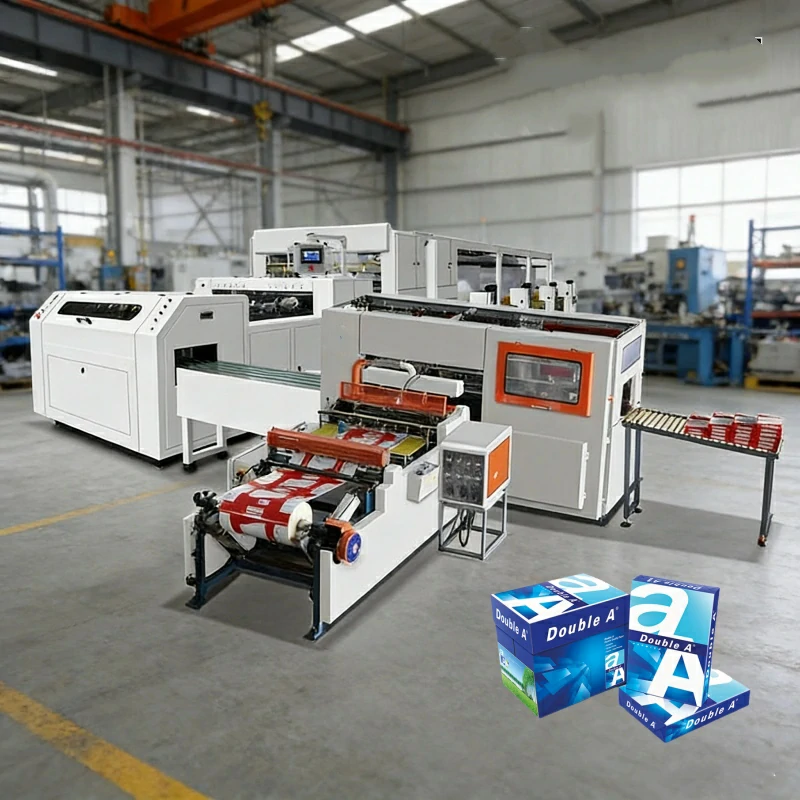
Ecco perché gli acquirenti seri non confrontano le macchine solo in base ai numeri. Una linea di produzione di risme A4 può sembrare simile nei cataloghi dei fornitori, ma l'investimento finale può cambiare in modo significativo una volta definita la larghezza della bobina, la gamma GSM, lo stile di confezionamento, la velocità richiesta e la necessità di una taglierina indipendente o di una linea completa con avvolgimento e conteggio.
Quali forme di carta a4 risma fare macchina prezzo
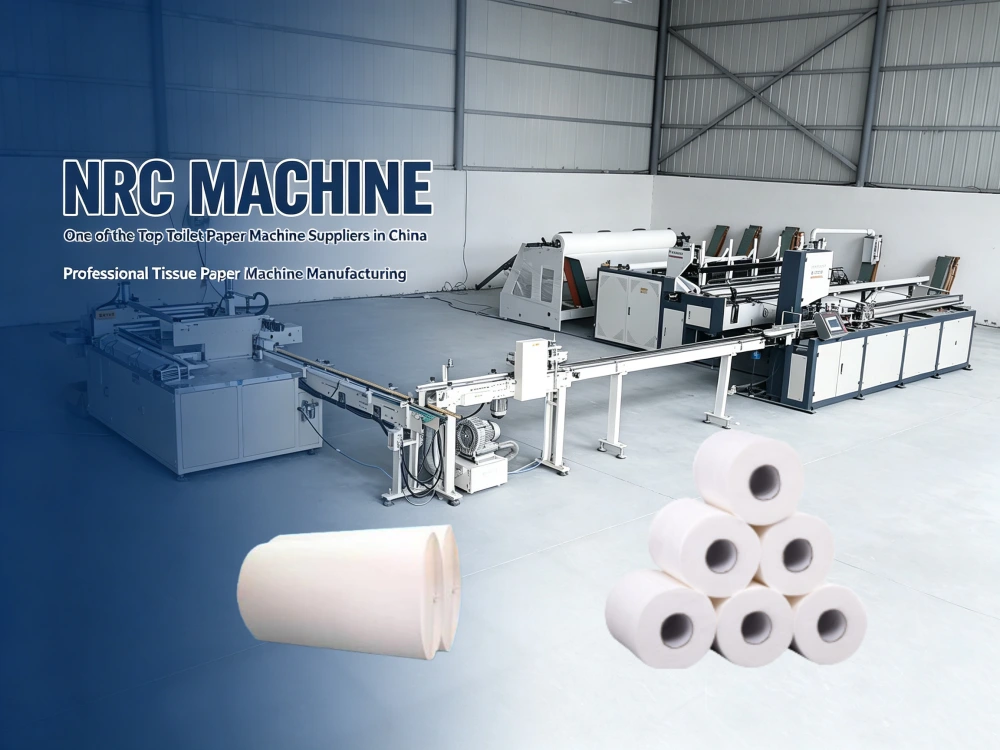
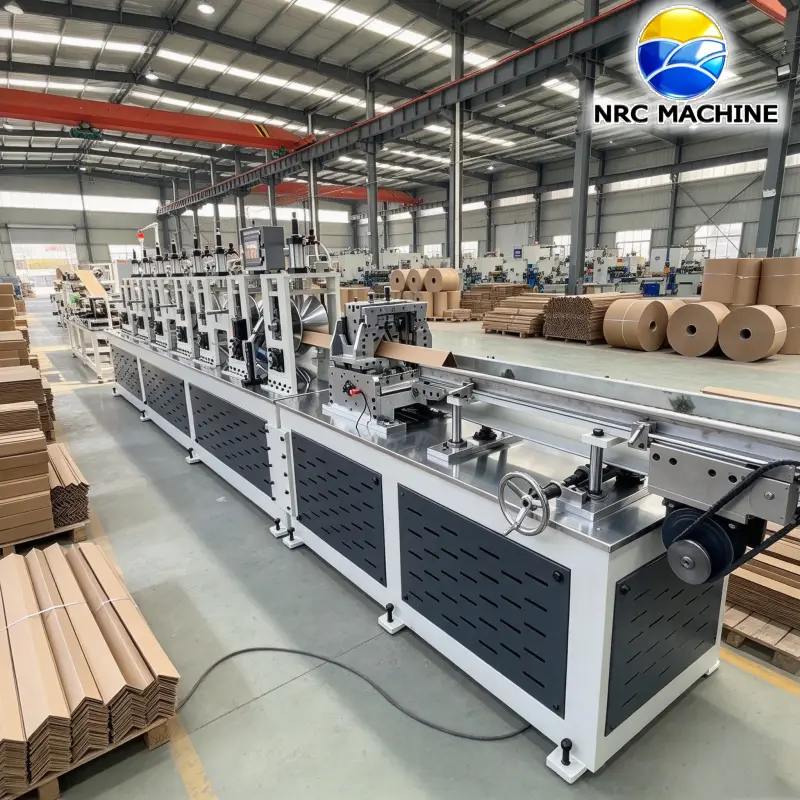
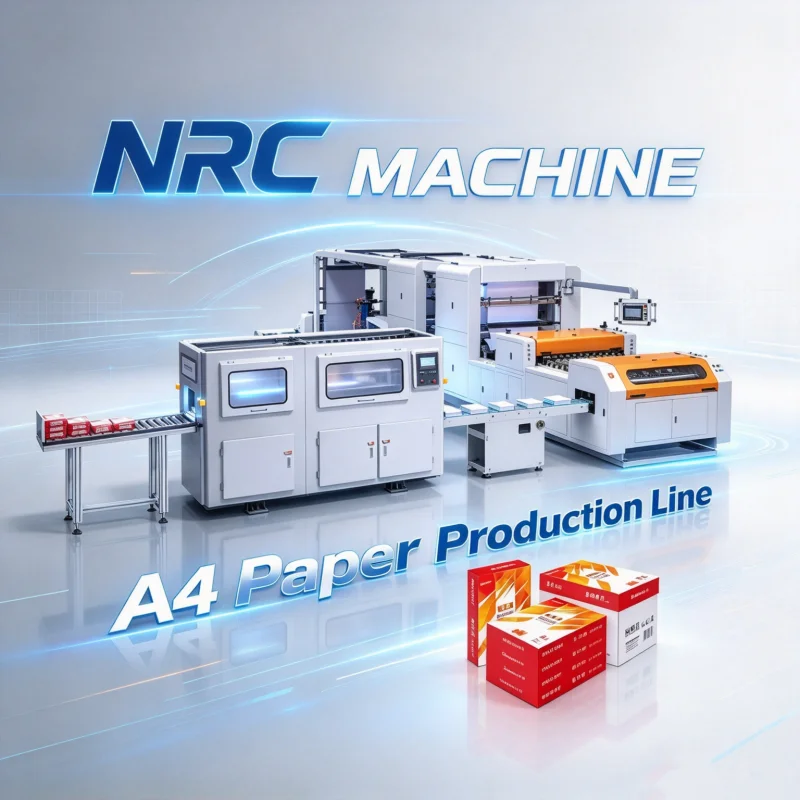
Il primo driver è la configurazione della macchina. Una configurazione di base per tagliare la carta da ufficio da rotoli giganti in fogli A4 costerà meno di una linea completamente integrata che include il conteggio automatico dei fogli, l'imballaggio delle risme, l'etichettatura e il trasferimento su nastro. Alcuni stabilimenti hanno bisogno solo di taglio e impilatura accurati perché dispongono già di un'apparecchiatura di imballaggio a valle. Altri vogliono un flusso di produzione completo, dall'ingresso della bobina grezza all'uscita della risma finita.
Il livello di automazione è il secondo fattore principale. Le apparecchiature semiautomatiche riducono l'investimento iniziale, ma aumentano la dipendenza dalla manodopera e possono creare colli di bottiglia se la domanda di produzione aumenta. Una macchina completamente automatica costa di più all'inizio, ma spesso riduce il costo operativo per risma migliorando la costanza della velocità, riducendo gli scarti e limitando la manipolazione manuale.
Il terzo fattore è la velocità di produzione. Una macchina progettata per una modesta distribuzione regionale ha un prezzo diverso da una costruita per la fornitura di carta commerciale in grandi volumi. Una velocità più elevata richiede una struttura meccanica più robusta, migliori sistemi di controllo, uno svolgimento più stabile e prestazioni di taglio più precise. Questi aggiornamenti influiscono sia sul prezzo della macchina che sul valore della produzione a lungo termine.
Anche la compatibilità dei materiali è importante. Gli acquirenti che lavorano con i comuni tipi di carta per ufficio hanno esigenze diverse da quelli che gestiscono gamme multiple di GSM o che richiedono tolleranze dimensionali e di planarità più strette. Se la vostra azienda intende servire distributori, tipografie, scuole e canali di fornitura per ufficio con specifiche di carta diverse, la flessibilità può valere la pena di essere pagata.
Le fasce di prezzo dipendono dalla linea, non solo dalla macchina.
In termini pratici di acquisto, non esiste un unico numero universale per il prezzo delle macchine per la produzione di risme di carta a4. Il mercato offre una gamma di prezzi a seconda che si tratti di una macchina a nucleo singolo, di una soluzione di produzione semiautomatica o di una linea automatica completa.
Una configurazione entry-level è solitamente adatta a operazioni di piccole dimensioni o a nuovi investitori che testano la domanda del mercato. Gestisce il taglio e la lavorazione di base dei fogli, ma può richiedere più operatori per il carico, il conteggio, l'imballaggio o il trasferimento del prodotto finito. Questo riduce il costo di ingresso, ma può limitare la scalabilità futura.
Una linea di fascia media è spesso la più adatta per i trasformatori affermati che entrano nel segmento della carta per ufficio. In genere, è in grado di bilanciare investimenti e produttività, con un migliore controllo, migliore precisione, e l'automazione parziale o totale dell'impilamento e dell'imballaggio. Per molti acquirenti, è qui che l'efficienza dei costi inizia ad avere un senso commerciale.
Una linea automatica ad alta produttività è destinata alle fabbriche che riforniscono grossisti, istituzioni o grandi mercati regionali. Il prezzo è più alto, ma la macchina è costruita per garantire la continuità della produzione, una minore dipendenza dalla manodopera e una qualità dei prodotti finiti più stabile. Per gli acquirenti che pianificano lunghi cicli di produzione, questa categoria è spesso quella che offre il maggior ritorno nel tempo.
I costi nascosti dietro il prezzo della macchina
Molti acquirenti commettono l'errore di considerare il preventivo della fabbrica come l'intero costo del progetto. Raramente lo è. L'investimento effettivo comprende anche il trasporto, la dogana, la pianificazione dell'installazione, la preparazione elettrica, i requisiti di alimentazione dell'aria, se applicabile, e la formazione dell'operatore.
La pianificazione dei ricambi deve essere discussa in anticipo, non dopo che si sono verificati i guasti. Un'offerta di macchina più bassa può diventare costosa se i pezzi di ricambio sono difficili da reperire o l'assistenza tecnica è lenta. Per gli acquirenti che esportano, la risposta post-vendita e la qualità della documentazione fanno parte dell'equazione del prezzo, anche se non sono elencate come voce di spesa.
È necessario tenere conto anche del consumo di materiale di imballaggio, del carico di energia, dello spazio in officina e della struttura della manodopera. Una macchina meno costosa che richiede un maggior numero di operatori per ogni turno potrebbe non rimanere tale a lungo. Ciò è particolarmente importante nei mercati in cui la costanza della manodopera, l'abilità dell'operatore o il rischio di fermi macchina sono una preoccupazione reale.
Come confrontare i fornitori senza farsi ingannare
Se state confrontando il prezzo della macchina per la produzione di risme di carta a4 tra più fornitori, chiedete a ciascuno di essi di indicare lo stesso ambito di produzione. In caso contrario, non si sta effettuando un confronto tra prodotti simili. Un fornitore può includere l'avvolgimento automatico, un altro può escluderlo. Uno può fare un preventivo basato su una velocità inferiore, mentre un altro presuppone una configurazione elettrica di maggiore capacità e una diversa larghezza della carta.
Richiedere per iscritto la gamma di produzione, il GSM supportato, la precisione di taglio, il metodo di confezionamento della risma finita e l'elenco totale delle macchine. Chiedere se la linea include il supporto di svolgimento, sezione di taglio se necessario, il taglio trasversale, il conteggio, l'impilamento, l'imballaggio, i requisiti del compressore e le specifiche dell'armadio di controllo. Questi dettagli sono più importanti del preventivo.
Anche il tipo di fornitore è importante. Un produttore diretto è di solito in una posizione più forte per controllare la qualità della costruzione, la personalizzazione, i pezzi di ricambio e la risposta tecnica rispetto a un commerciante generico. Per gli acquirenti industriali, soprattutto per quelli che importano macchinari per la prima volta, questo riduce il rischio sia in fase di approvvigionamento che di funzionamento.
Scelta in base agli obiettivi di produzione
Il prezzo giusto della macchina dipende dal modello di business che la sostiene. Se state creando un marchio locale di carta per ufficio, la coerenza nel formato dei fogli, l'imballaggio ordinato della risma e la stabilità della produzione sono fondamentali. Una qualità di taglio scadente o un involucro non ben confezionato danneggiano rapidamente l'accettazione da parte del mercato, anche se la macchina era a buon mercato.
Se siete un trasformatore che aggiunge la carta A4 a un portafoglio di prodotti cartacei già esistente, l'integrazione della linea può essere più importante del costo assoluto della macchina. Potreste già disporre di manodopera, sistemi di magazzino e canali per i clienti, quindi l'investimento migliore potrebbe essere una linea più veloce e più automatizzata che si adatti alle vostre operazioni attuali.
Se siete un importatore o un distributore che valuta le opportunità di fornitura in un mercato in via di sviluppo, la flessibilità e la manutenibilità di solito contano quanto il prezzo. Una macchina che funziona bene solo in condizioni di fabbrica ideali potrebbe non essere la scelta migliore per ogni regione. Una macchina che funziona bene solo in condizioni di fabbrica ideali potrebbe non essere la scelta migliore in ogni regione.
Quando un prezzo inferiore ha senso e quando no
Ci sono casi in cui una macchina a basso costo è una decisione ragionevole. Una startup con un capitale limitato può avere bisogno di iniziare con una produzione semiautomatica, provare la domanda del mercato e fare un upgrade in un secondo momento. Questo approccio può funzionare se l'acquirente comprende chiaramente i limiti di produzione e le implicazioni per la manodopera fin dall'inizio.
Ma un prezzo basso diventa un problema quando viene ottenuto tagliando caratteristiche critiche. Telai deboli, sistemi di taglio instabili, componenti elettrici incoerenti o un'assistenza limitata possono trasformare un acquisto economico in ripetuti fermi macchina. Nel settore della cartotecnica, ogni ora di fermo incide sull'efficienza della manodopera, sui tempi di consegna e sulla fiducia dei clienti.
Ecco perché gli acquirenti esperti si pongono una domanda diversa: non solo il prezzo della macchina, ma anche il costo di produzione per risma finita in condizioni operative reali. Una volta inquadrata la decisione in questo modo, la stabilità della velocità, la riduzione degli scarti, l'accesso alla manutenzione e il supporto alla formazione diventano molto più facili da valutare.
Cosa devono preparare gli acquirenti prima di richiedere un preventivo
Una richiesta di preventivo utile dovrebbe includere la produzione giornaliera o mensile prevista, la gamma GSM della carta, le specifiche del rotolo jumbo, il livello di automazione preferito e se si desidera solo il taglio dei fogli o anche l'imballaggio completo della risma. È inoltre necessario specificare lo standard di alimentazione, il paese di destinazione e le limitazioni dell'officina.
Quanto più chiaramente si definisce la propria obiettivo di produzione, più accurata sarà l'offerta. Questo accorcia i tempi di approvvigionamento ed evita revisioni successive. Per molti acquirenti internazionali, una discussione tecnica dettagliata all'inizio consente di risparmiare denaro e ritardi nella spedizione.
Produttori come NRC Machine hanno bisogno di queste informazioni per consigliare la giusta configurazione della linea, invece di offrire una macchina generica che potrebbe non essere adatta alla vostra attività. Questo è particolarmente importante per i progetti di esportazione, dove l'installazione e la pianificazione post-vendita devono essere gestite con attenzione.
Un modo pratico di pensare al prezzo della macchina per la produzione di risme di carta a4
Considerate il prezzo della macchina come una parte di una decisione di produzione più ampia. L'acquisto migliore non è la linea più economica sulla carta. È la linea che si adatta al vostro obiettivo di produzione, protegge la qualità del prodotto finito, si adatta alla vostra struttura di lavoro e vi garantisce un funzionamento affidabile dopo l'installazione.
Se siete seriamente intenzionati a entrare o a espandersi nel mercato della carta per ufficio, chiedete un preventivo che rifletta i vostri effettivi obiettivi di produzione piuttosto che un generico numero di catalogo. Questo è il punto di partenza di un investimento intelligente e di solito è il punto di arrivo degli errori evitabili.