Analisi dei costi dell'impianto di produzione di carta tissue in pasta di bambù (10 tonnellate al giorno)
Panoramica dell'impianto di produzione di carta tissue con pasta di bambù
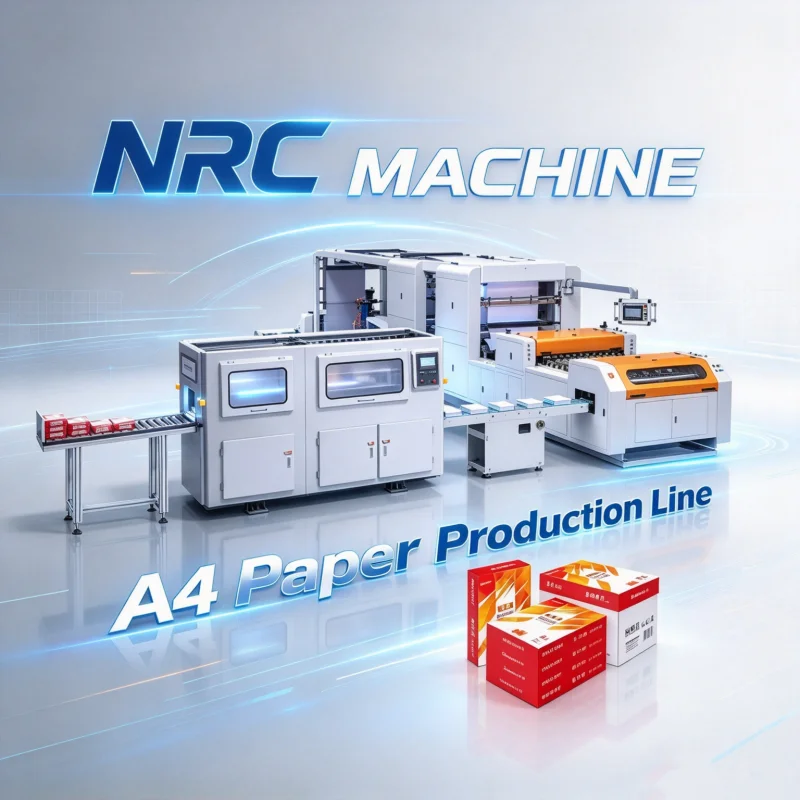
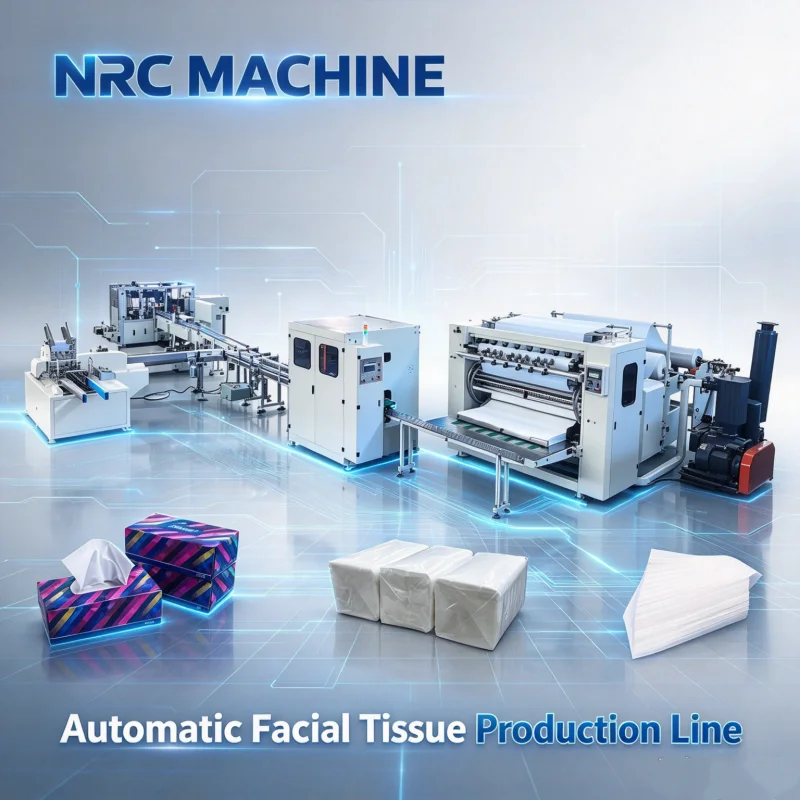
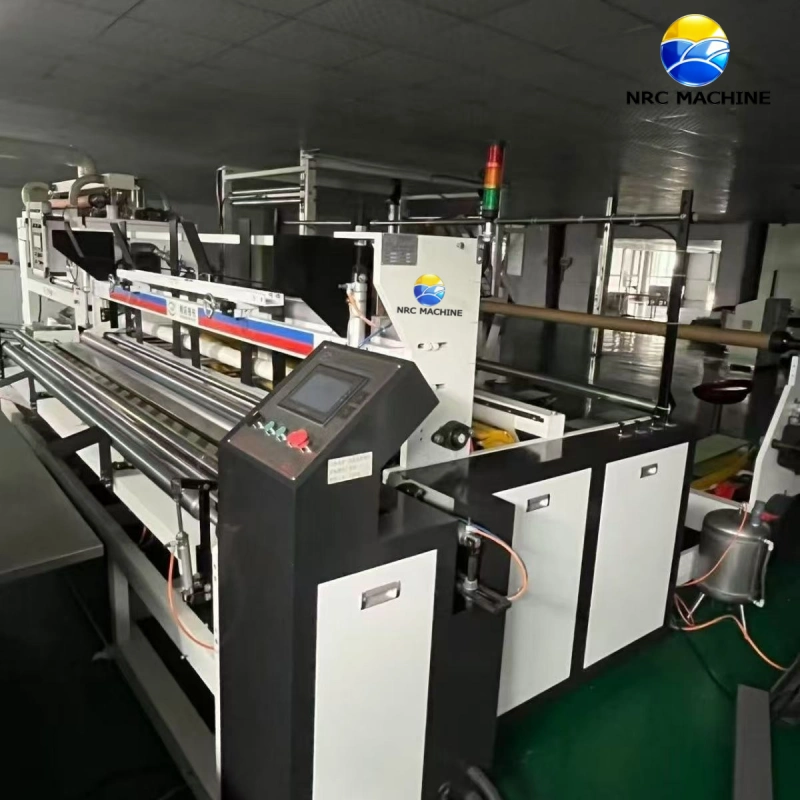
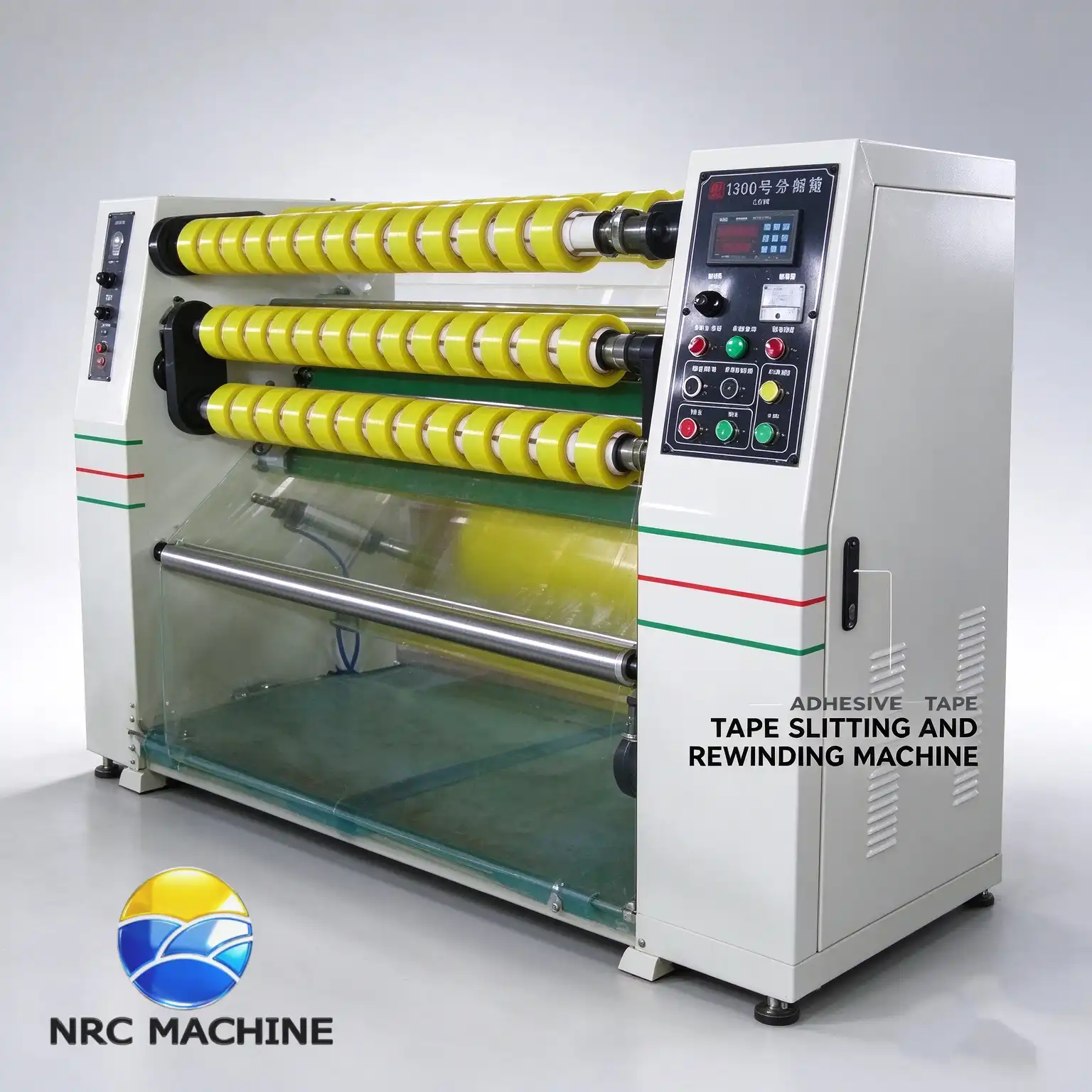
Questo rapporto fornisce un'analisi dettagliata dei costi di un impianto di produzione di carta tissue in pasta di bambù da 10 tonnellate al giorno, concentrandosi sul costo totale dei macchinari necessari per trasformare il bambù grezzo in rotoli di carta tissue. Il prodotto finito è costituito da rotoli vergini di carta tissue di bambù colorata e il produttore di tutte le attrezzature principali è NRC MACHINE.
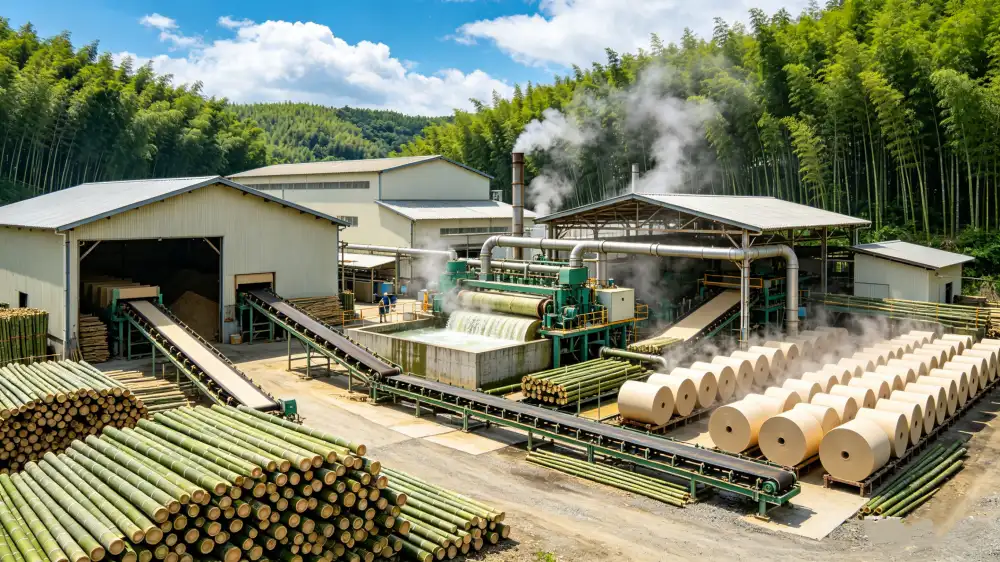
Il prezzo FOB delle 10 tonnellate/giorno complete macchina per la produzione di carta tissue in pasta di bambù è di 450.000 dollari, che copre tutte le principali attrezzature di lavorazione necessarie per il processo di produzione dalla materia prima di bambù ai rotoli di tessuto madre.
Introduzione del produttore
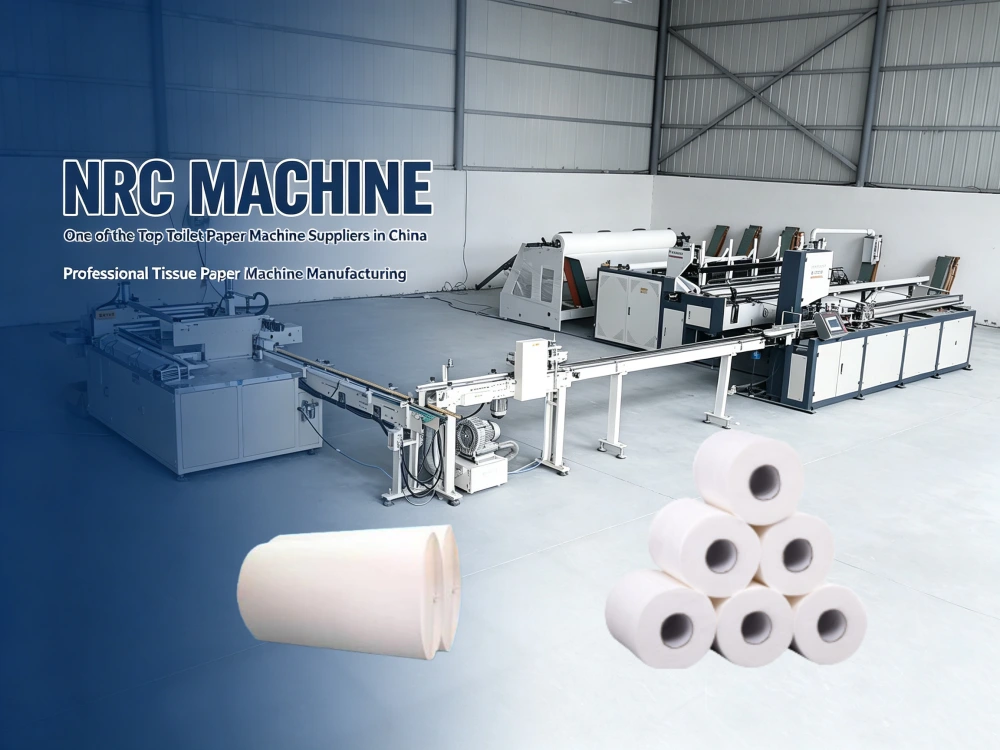
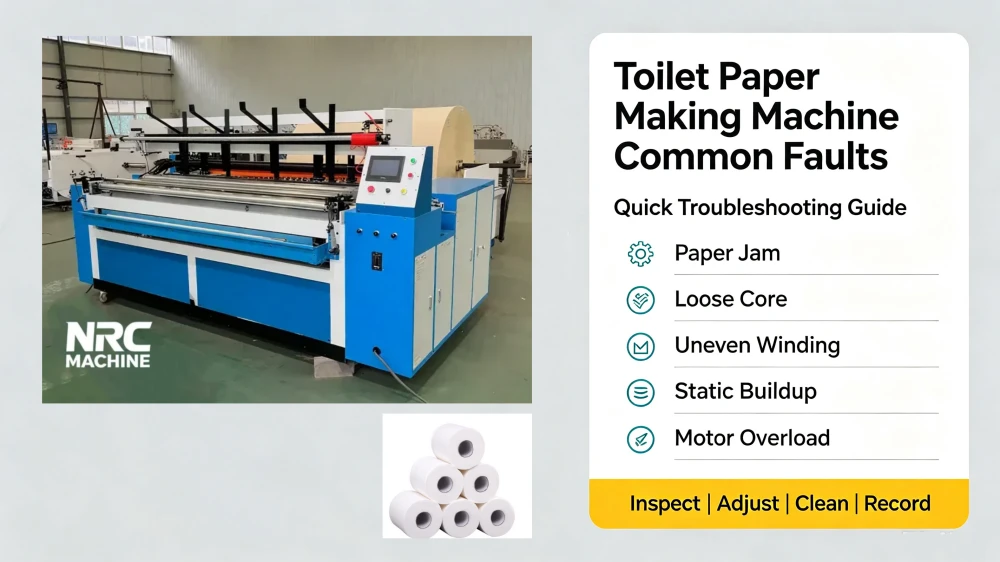
Produttore: NRC MACHINE. Come fornitore professionale di attrezzature per la produzione di carta tissue, MACCHINA NRC è specializzata nella R&S, nella produzione e nella vendita di macchinari per la lavorazione della pasta di bambù e per la formazione di carta tissue. L'azienda fornisce linee di produzione complete adatte a diverse capacità produttive, con una qualità affidabile dei prodotti, una tecnologia matura e un'assistenza post-vendita completa, che garantiscono un funzionamento stabile ed efficiente dell'impianto di produzione. Le attrezzature di NRC MACHINE integrano sistemi di controllo PLC avanzati, riducendo al minimo l'intervento manuale e i costi di manodopera e migliorando l'efficienza produttiva e la consistenza del prodotto.
Ripartizione dei costi del macchinario principale (prezzo FOB: 450.000 USD)
Il prezzo totale FOB di 450.000 dollari copre tutti i macchinari principali necessari per l'intero processo produttivo, dal bambù ai rotoli di carta tissue. La ripartizione specifica dei costi di ciascuna attrezzatura chiave è la seguente:
3.1 Macchina per la pasta di carta chimica di bambù
Il macchina per la pasta di carta chimica di bambù è l'apparecchiatura principale per la conversione del bambù grezzo in pasta utilizzabile, che comprende processi quali il taglio del bambù, la cottura, il lavaggio, la sbiancatura e la battitura. Essendo un componente chiave della linea di produzione, rappresenta una parte significativa del costo totale del macchinario. Questa macchina è stata progettata per gestire le speciali caratteristiche della fibra di bambù, garantendo un'elevata resa della pasta e una qualità stabile, che pone solide basi per la produzione di carta tissue di bambù vergine di alta qualità.
Il costo di questa attrezzatura è integrato nel prezzo totale FOB di 450.000 dollari, ed è personalizzato da NRC MACHINE per adattarsi alla capacità produttiva di 10 tonnellate al giorno.
3.2 Caldaia a vapore
La caldaia a vapore fornisce il vapore ad alta temperatura necessario per il processo di cottura del bambù nella macchina per la pasta chimica e per l'essiccazione nel processo di formazione della carta tissue. NRC MACHINE configura una caldaia a vapore a risparmio energetico ed ecologica adatta alla linea di produzione da 10 tonnellate al giorno, che ha un'elevata efficienza termica e soddisfa gli standard di produzione industriale. La caldaia viene scelta in base all'effettivo fabbisogno di vapore dell'intera linea di produzione, bilanciando il consumo energetico e l'efficienza produttiva. Il costo della caldaia a vapore è incluso nel prezzo totale FOB e le sue specifiche sono abbinate ad altre apparecchiature per garantire una fornitura di vapore stabile durante tutto il processo di produzione.
3.3 Macchina formatrice di rotoli di carta tissue per genitori
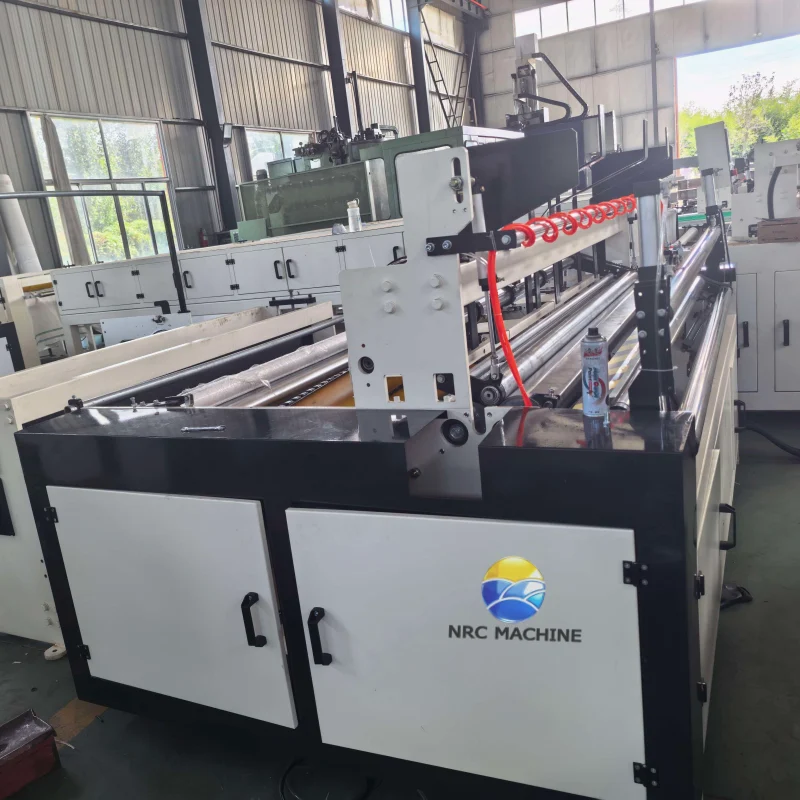
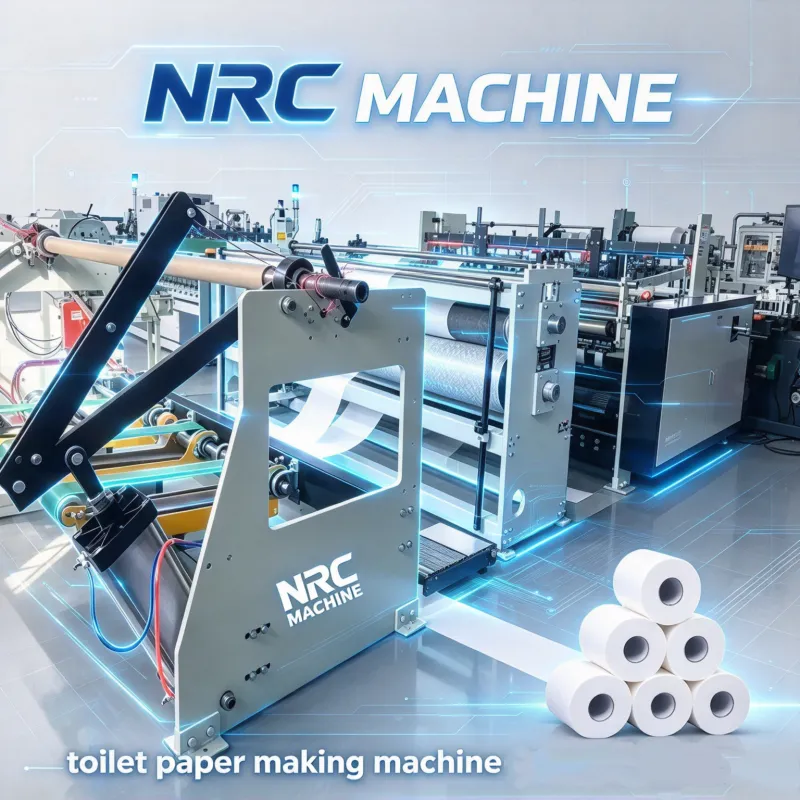
Questa macchina è responsabile della trasformazione della pasta di bambù raffinata in rotoli di carta tissue madre (noti anche come rotoli jumbo), che è un collegamento chiave tra la lavorazione della pasta e il successivo taglio del prodotto finito. La macchina formatrice di carta tissue madre di NRC MACHINE adotta una tecnologia di formatura avanzata, in grado di produrre rotoli madre ad alta densità e spessore uniforme che soddisfano i requisiti della carta tissue vergine di bambù colorata. La macchina è dotata di precisi sistemi di controllo per regolare lo spessore e la tenuta dei rotoli madre in base alle esigenze di produzione, garantendo la qualità della carta tissue finita. Il suo costo rientra nel prezzo totale FOB di 450.000 dollari.
3.4 Macchina per il riciclo delle acque reflue
Nel processo di produzione della carta tissue in polpa di bambù, viene generata una certa quantità di acqua di scarico. La macchina per il riciclaggio delle acque reflue viene utilizzata per trattare e riciclare queste acque reflue, riducendo non solo l'inquinamento ambientale, ma anche le risorse idriche e i costi operativi a lungo termine.
La macchina per il riciclaggio delle acque reflue di NRC MACHINE adotta un'efficiente tecnologia di filtrazione e purificazione, in grado di trattare le acque reflue di produzione per soddisfare gli standard di riciclaggio e di riutilizzarle nel processo di produzione (come il lavaggio della pasta). Questa attrezzatura è una parte essenziale della linea di produzione ecologica e il suo costo è incluso nel prezzo totale FOB.
La macchina è stata progettata per adattarsi alla produzione di acque reflue della linea di produzione da 10 tonnellate al giorno, garantendo un efficiente riciclo dell'acqua e un risparmio economico.
3.5 Macchina per la lavorazione delle acque nere chimiche
Le acque nere chimiche sono un tipo speciale di acque reflue generate durante il processo di produzione di pasta di bambù, che contengono sostanze chimiche e organiche residue e richiedono un trattamento professionale per soddisfare gli standard di scarico ambientale.
La macchina per il trattamento delle acque nere chimiche di NRC MACHINE è stata appositamente progettata per gestire le acque nere generate nella produzione di pasta di bambù, adottando una tecnologia di trattamento avanzata per rimuovere le sostanze nocive e garantire che l'acqua scaricata soddisfi i requisiti nazionali di protezione ambientale.
Questa apparecchiatura è un dispositivo di protezione ambientale necessario per l'impianto e il suo costo è integrato nel prezzo totale FOB di 450.000 dollari. La capacità di trattamento della macchina è adeguata alla scala di produzione, garantendo che le acque nere siano trattate in modo tempestivo ed efficiente per evitare rischi ambientali.
Istruzioni supplementari sul costo totale
4.1 Ambito di applicazione del prezzo FOB
Il prezzo FOB di USD 450.000 comprende solo il costo delle cinque macchine principali sopra menzionate (macchina per la pasta di carta chimica di bambù, caldaia a vapore, macchina per la formazione di rotoli di carta tissue, macchina per il riciclaggio delle acque reflue, macchina per il trattamento delle acque nere chimiche) forniti da NRC MACHINE. Il prezzo non include costi aggiuntivi quali spese di spedizione, dazi doganali, spese di installazione e messa in funzione, costi delle materie prime, costi di manodopera, costi di noleggio dell'impianto e costi operativi giornalieri (come prodotti chimici, elettricità e acqua).
4.2 Vantaggi di costo della produzione di polpa di bambù
Rispetto alla produzione di carta tissue in pasta di legno, la pasta di bambù presenta notevoli vantaggi in termini di costi. Gli studi hanno dimostrato che il costo del ciclo di vita di una tonnellata di pasta di bambù è inferiore di 211 dollari rispetto a quello della pasta di legno, con una riduzione di 19,3%, il che riflette evidenti vantaggi economici. Inoltre, il bambù cresce rapidamente e ha una forte rinnovabilità, che può ridurre il costo a lungo termine delle materie prime. Le attrezzature fornite da NRC MACHINE sono ottimizzate per la produzione di pasta di bambù, migliorando ulteriormente l'efficienza produttiva e riducendo il costo unitario del prodotto.
4.3 Specifiche del prodotto finito
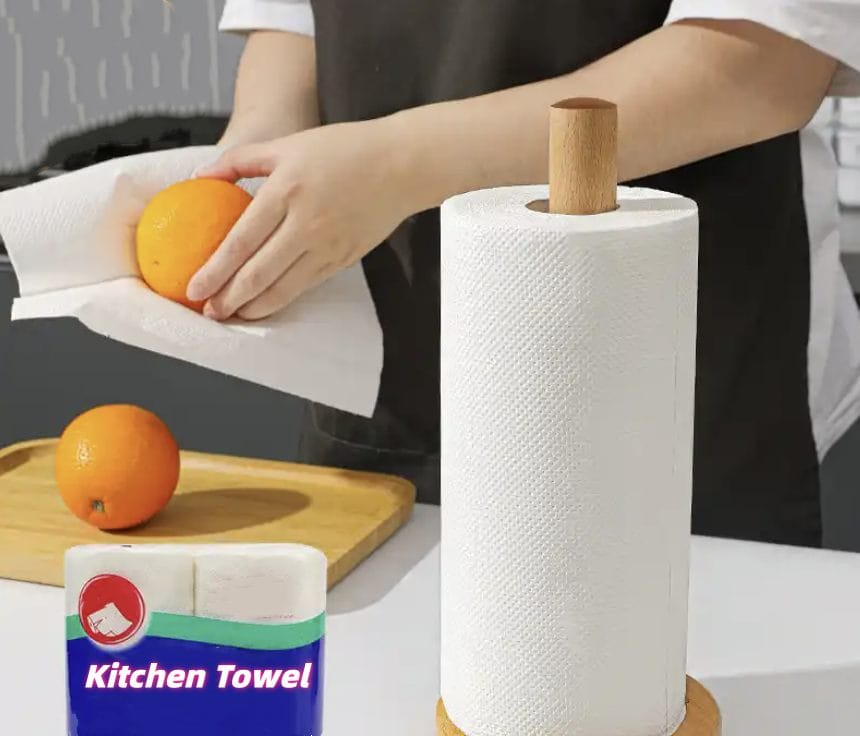
Il prodotto finito dell'impianto è costituito da rotoli vergini di carta tissue di bambù colorata. I rotoli di carta tissue prodotti dall'impianto di cui sopra possono essere ulteriormente tagliati e trasformati in rotoli di carta tissue finiti di varie specifiche (come rotoli per uso domestico e rotoli commerciali) in base alla domanda del mercato. La carta tissue di bambù colorata vergine ha le caratteristiche di morbidezza, forte assorbimento dell'acqua e rispetto dell'ambiente, ed è molto apprezzata dal mercato. La linea di produzione di NRC MACHINE è in grado di garantire la stabilità del colore e la qualità del prodotto finito, soddisfacendo le diverse esigenze del mercato.
Conclusione
Per un impianto di produzione di carta tissue in polpa di bambù da 10 tonnellate al giorno, il prezzo FOB del macchinario di produzione principale fornito da NRC MACHINE è di 450.000 dollari, che copre tutte le attrezzature chiave dalla lavorazione della materia prima di bambù alla formatura dei rotoli di carta tissue, oltre alle necessarie attrezzature di protezione ambientale.
Questo costo è ragionevole e competitivo, unito al vantaggio di costo della pasta di bambù stessa, che può portare buoni vantaggi economici agli investitori. Le attrezzature professionali e l'assistenza post-vendita completa di NRC MACHINE possono garantire il funzionamento stabile dell'impianto, aiutando gli investitori a entrare rapidamente nel mercato della carta tissue in pasta di bambù e a raggiungere uno sviluppo sostenibile.
Il mercato globale della carta tissue è in costante crescita e la domanda di carta tissue ecologica in polpa di bambù è in aumento, per cui questo progetto ha ampie prospettive di mercato.