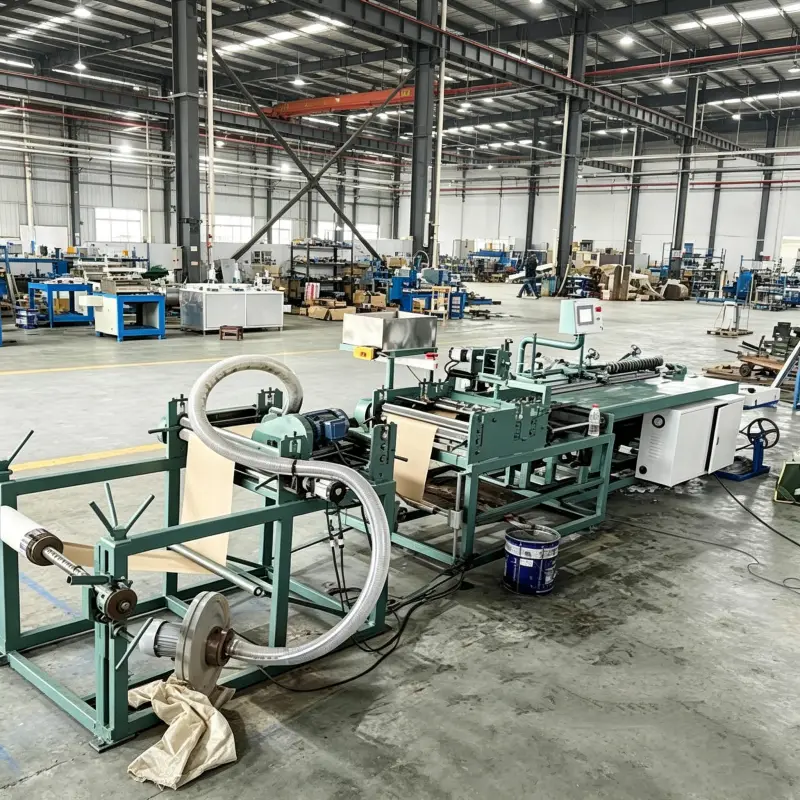
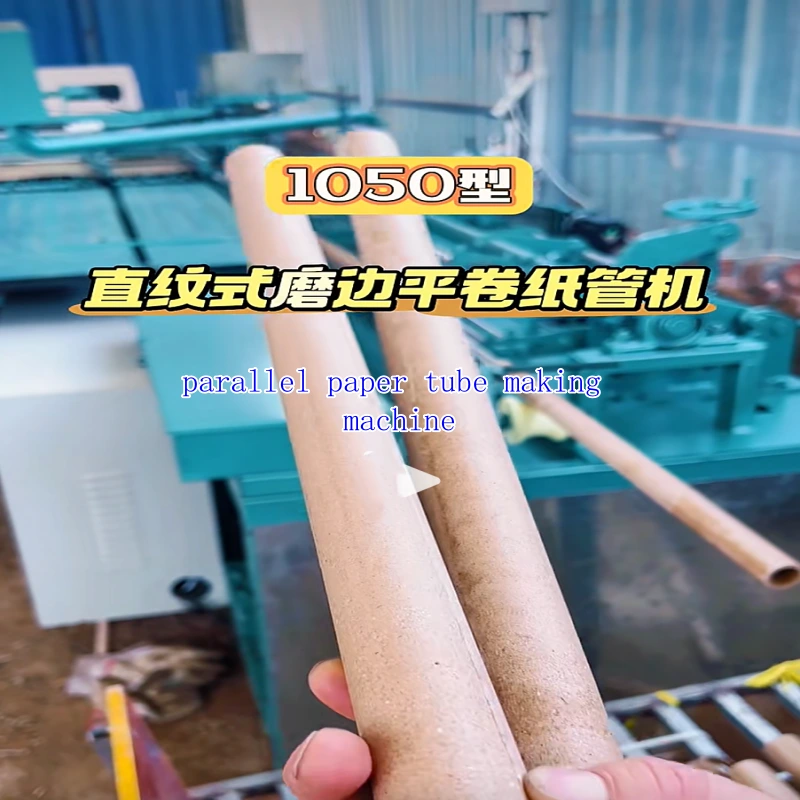
Некачественный конус проявляется позже - на мотальной раме, на упаковке красителя или в жалобах клиентов на обрыв пряжи и неравномерную укладку. Вот почему конусная машина для намотки пряжи из текстильной бумаги - это не просто машина для переработки бумаги. Она является частью производительности паковки пряжи, согласованности производства и последующего контроля качества.
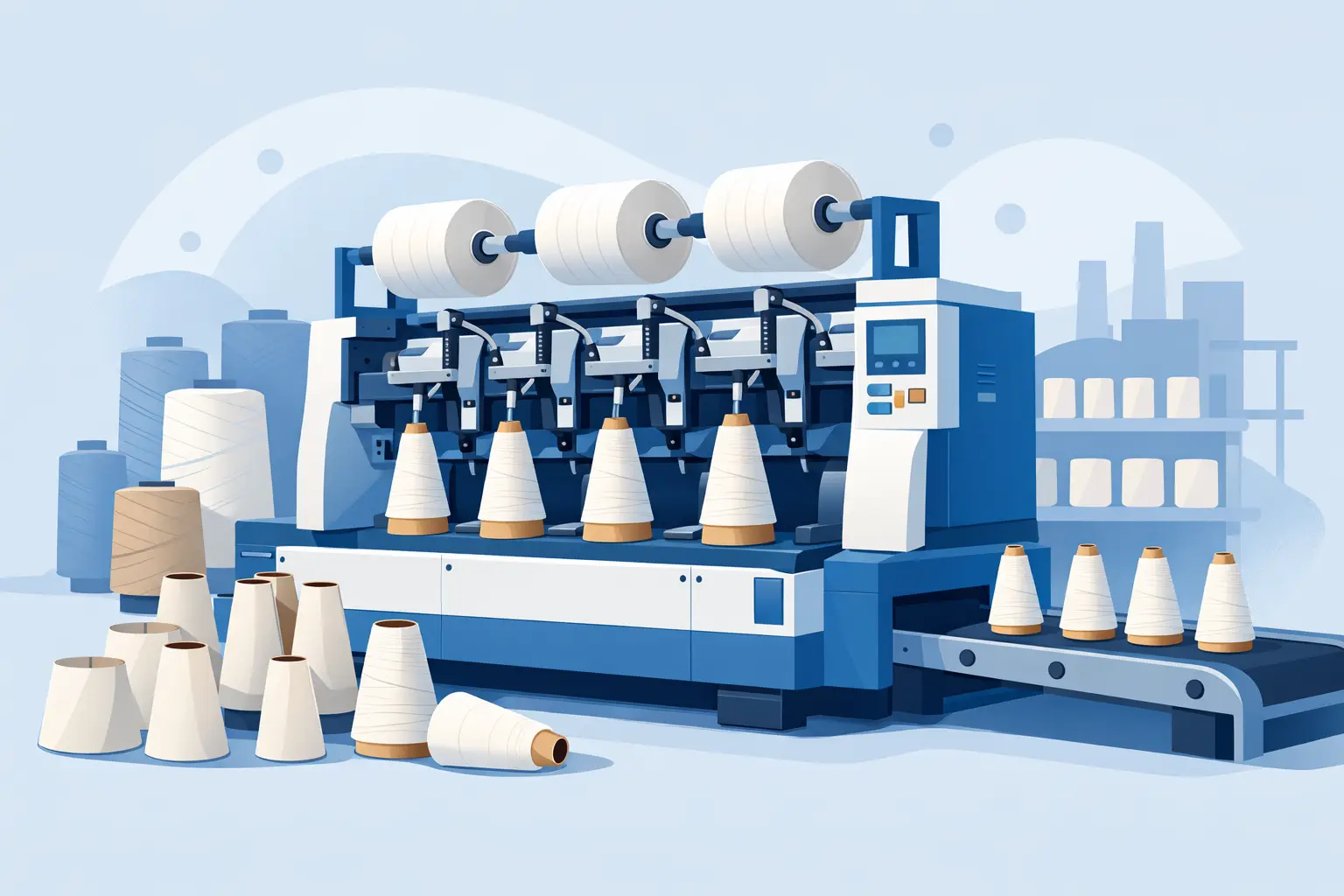
Для фабрик, поставщиков конусов и инвесторов, приступающих к производству текстильных аксессуаров, решение о покупке обычно сводится к одному вопросу: будет ли машина производить конусы, которые надежно работают в реальных условиях намотки пряжи? Скорость имеет значение, но точность размеров, адгезия, прочность конуса и повторяемость имеют большее значение. Если конус выходит из строя в процессе эксплуатации, самая низкая цена машины быстро превращается в самые высокие эксплуатационные расходы.
Что должна обеспечивать конусная машина для намотки пряжи на текстильную бумагу
Текстильный бумажный конус - это функциональное промышленное изделие. Он должен сохранять форму при натяжении намотки, противостоять деформации при хранении и транспортировке, а также поддерживать плавное разматывание при прядении, крашении и отделке. Это оказывает непосредственное давление на конструкцию машины.
Подходящий текстильная бумага конусная машина для намотки пряжи должна обеспечивать стабильную конусность, постоянную толщину стенок, чистоту обработки поверхности и надежную обрезку концов. Кроме того, машина должна обеспечивать прочное сцепление между слоями бумаги, чтобы конус не размягчался, не расслаивался и не разрушался под рабочей нагрузкой. На многих фабриках реальным критерием является не то, как машина выглядит во время испытаний. А то, как работает готовый конус после долгих производственных часов и при работе с бумагой разного качества.
Здесь покупатели должны быть практичными. Машина может рекламировать высокую скорость, но если она требует постоянной настройки, производит чрезмерное количество отходов или испытывает трудности с согласованностью от партии к партии, выход на бумаге не будет выходом на заводе.
Почему качество конуса влияет на производительность намотки пряжи
При намотке пряжи стабильность пакета зависит от правильности размеров и механической прочности конуса. Даже небольшие отклонения в угле, диаметре или округлости конуса могут создать проблемы во время намотки и размотки. Результатом может быть деформация паковки, проскальзывание пряжи, вибрация или повышенная обрывность пряжи.
Качество поверхности также имеет значение. Если на корпусе конуса есть шероховатости, следы клея или неровная отделка, слои пряжи могут ложиться неравномерно. Для производителей текстиля, поставляющих продукцию на рынки, чувствительные к качеству, эти проблемы создают риск, которого можно избежать. Лучшая конусная машина помогает контролировать этот риск еще до того, как конус попадает в прядильный или мотальный цех.
В этом есть и коммерческая сторона. Постоянство конусов способствует лучшему удержанию клиентов для производителей конусов и поставщиков аксессуаров. Покупатели в текстильном секторе не хотят устранять неполадки в компонентах упаковки. Им нужна надежность, отгрузка за отгрузкой.
Ключевые зоны машины, заслуживающие пристального внимания
При оценке оборудования покупатели должны обращать внимание не столько на заявленные в каталоге характеристики, сколько на критически важные для производства секции машины. Секция формования определяет геометрию конуса и равномерность намотки бумажных слоев. Система склеивания влияет на прочность склеивания, расход материала и долговечность конечного конуса. Сушка влияет на скорость производства и стабильность размеров. Узлы резки и отделки влияют на качество кромок, точность длины и конечный внешний вид.
Уровень автоматизации - еще один практический фактор. Некоторые заводы предпочитают более простую конфигурацию, поскольку местные технические специалисты могут легко ее обслуживать, а затраты на оплату труда являются приемлемыми. Другим нужна более высокая степень автоматизации, чтобы снизить зависимость от оператора и повысить стабильность выпуска. Ни один из этих подходов не является автоматически лучшим. Все зависит от объема производства, доступности рабочей силы, возможностей технического обслуживания и стандартов качества целевого рынка.
Не следует забывать о совместимости бумаги. Машина, которая хорошо работает с одним сортом бумаги, может потребовать других настроек или модернизации для другого сорта. Если источники сырья меняются в зависимости от региона или сезона, такая гибкость становится ценной.
Выходные данные полезны только в том случае, если качество остается стабильным
Многие покупатели в первую очередь спрашивают о количестве изделий в минуту или ежедневной производительности. Это понятно, но сама по себе скорость - это слабый стандарт покупки. Машина, работающая немного медленнее, с лучшим контролем, может производить больше товарной продукции в течение месяца, чем более быстрая машина с более высоким уровнем брака и более длительным временем простоя.
Правильная оценка - это количество проданных конусов за смену, расход клея, потребление электроэнергии, трудозатраты и частота простоев. Эти цифры дают более честную картину окупаемости инвестиций.
Техническое обслуживание должно быть частью решения о покупке
Предполагается, что конусная машина будет работать в промышленных условиях, а не в выставочном зале. Изношенные детали, процедуры переналадки, точки смазки, электрические компоненты и доступ оператора - все это влияет на долгосрочные эксплуатационные расходы. Если техническое обслуживание слишком сложное, фабрики либо останавливаются слишком часто, либо эксплуатируют машину в плохом состоянии до снижения качества.
Для экспортных покупателей наличие запчастей и удаленное техническая поддержка особенно важны. Цена машины видна с первого дня. Возможность обслуживания становится заметной после установки.
Как подобрать машину в соответствии с вашей бизнес-моделью
Не каждому покупателю нужна одинаковая конфигурация. Специализированный производитель конусов, поставляющий продукцию на несколько текстильных фабрик, обычно ставит во главу угла высокую производительность, повторяемое качество и эффективную переналадку между спецификациями. Предпринимателю, начинающему небольшое производство, возможно, нужны более контролируемые инвестиции с возможностью последующего расширения. Дистрибьютор может сосредоточиться на совместимости с широким рынком и надежной поддержке конечных пользователей.
Первый шаг - определить, какие конусы вы планируете производить. Учитывайте диапазон размеров, конусность, структуру слоев, характеристики бумаги, требования к клею и конечное использование. Конусы для разных типов пряжи или процессов намотки могут требовать различных эксплуатационных характеристик. Если вашим целевым клиентам требуется высокая стабильность при производстве текстиля на экспорт, точность машины становится более важным фактором, чем цена начального уровня.
Второй шаг - честный анализ ожидаемого объема производства. Чрезмерные закупки могут привести к задержке капитала и увеличению сложности. Недостаточная покупка может создать "узкое место" как раз в тот момент, когда спрос клиентов начинает расти. Правильным выбором обычно является оборудование, которое эффективно удовлетворяет текущий спрос и в то же время допускает практическое расширение.
Третий шаг - уточнить, какая поддержка поставляется вместе с оборудованием. Руководство по установке, обучение оператора, помощь при вводе в эксплуатацию и послепродажное обслуживание не являются дополнительными услугами при покупке промышленного оборудования на экспорт. Они являются частью стоимости оборудования.
Распространенные ошибки покупателей
Одна из распространенных ошибок - покупка только по цене. Низкая первоначальная стоимость может показаться привлекательной, особенно для новых проектов, но бумажные отходы, неэффективность клея, нестабильная производительность и слабая поддержка могут быстро свести на нет эту экономию.
Еще одна ошибка - считать, что все конусы взаимозаменяемы. В действительности конечные потребители текстиля могут предъявлять строгие требования к размерам, твердости и производительности при намотке. Если машина не может стабильно соответствовать этим стандартам, доступ на рынок будет затруднен.
Третья ошибка заключается в игнорировании процесса производства и переработки. Производство конусов не стоит на месте. Обработка сырьевых материалов, Условия сушки, контроля, упаковки и хранения влияют на конечное качество. Хорошая машина работает лучше всего, когда она спланирована как часть полного производственного процесса.
О чем должны спросить серьезные покупатели, прежде чем запрашивать цену
Прежде чем перейти к закупкам, покупатели должны быть готовы обсудить размеры конуса, целевую производительность, диапазон GSM бумаги, тип клея, электрические стандарты, площадь завода и рынок назначения. Они также должны попросить уточнить конфигурацию машины, входящие в комплект аксессуары, запасные части, процесс тестирования, время выполнения заказа и техническую поддержку после отгрузки.
Именно в этом случае опытные производители приносят дополнительную пользу. Прямой заводской поставщик с широким опыт работы с бумагой часто может выявить пробелы в спецификации на ранней стадии и порекомендовать более подходящую конфигурацию. Для покупателей, сравнивающих несколько предложений, такая техническая ясность часто оказывается более полезной, чем самая низкая цена в заголовке.
NRC Machine обслуживает покупателей, которые нуждаются в практическом руководстве такого уровня, особенно если речь идет об экспортных требованиях, подборе оборудования и послепродажной поддержке.
Экономическая целесообразность инвестиций в правильную конусную машину для намотки пряжи из текстильной бумаги
Правильно подобранное оборудование помогает сократить количество отходов, улучшить согласованность конусов и поддержать более прочные отношения с клиентами в цепочке поставок текстиля. Кроме того, он может создать более стабильный ритм производства на фабрике, сократив время переналадки, уменьшив количество дефектов и повысив уверенность оператора.
Это важно, поставляете ли вы продукцию на местные прядильные фабрики, выходите ли на региональный экспортный рынок или добавляете производство конусов в более широкий бизнес по переработке бумаги. Машина не только производит конусы. Она формирует структуру затрат, репутацию продукции и способность к росту.
Если вы оцениваете конусную машину для намотки пряжи на текстильную бумагу, самое правильное решение - покупать с учетом реальных условий производства. Смотрите на производительность готового конуса, а не только на скорость машины. Смотрите на поддержку, а не только на поставки. И обращайте внимание на долгосрочную стоимость эксплуатации, потому что лучшее решение - это то, которое продолжает работать после подписания коммерческого предложения.