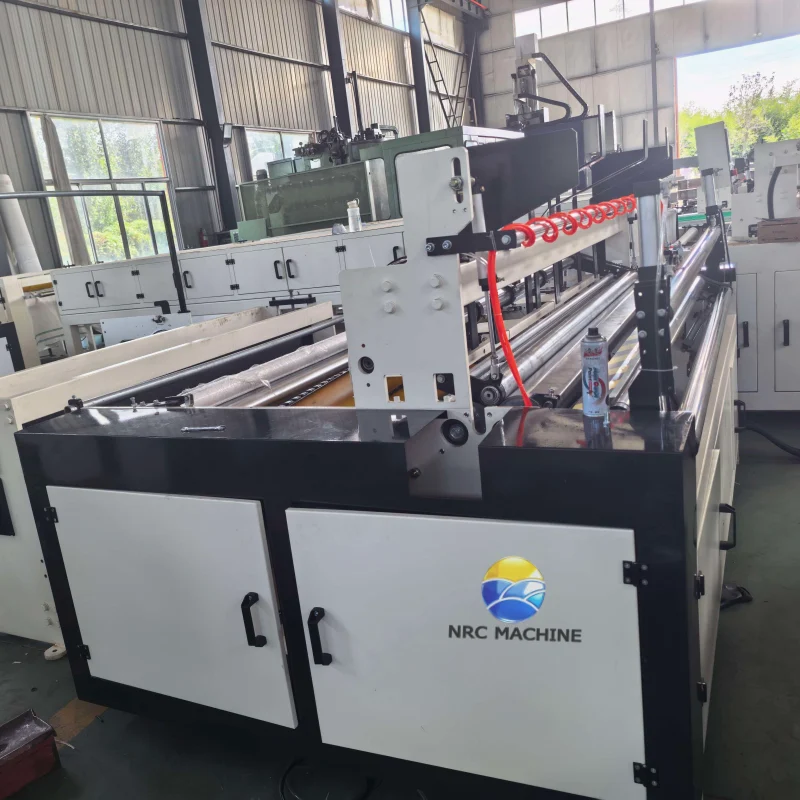
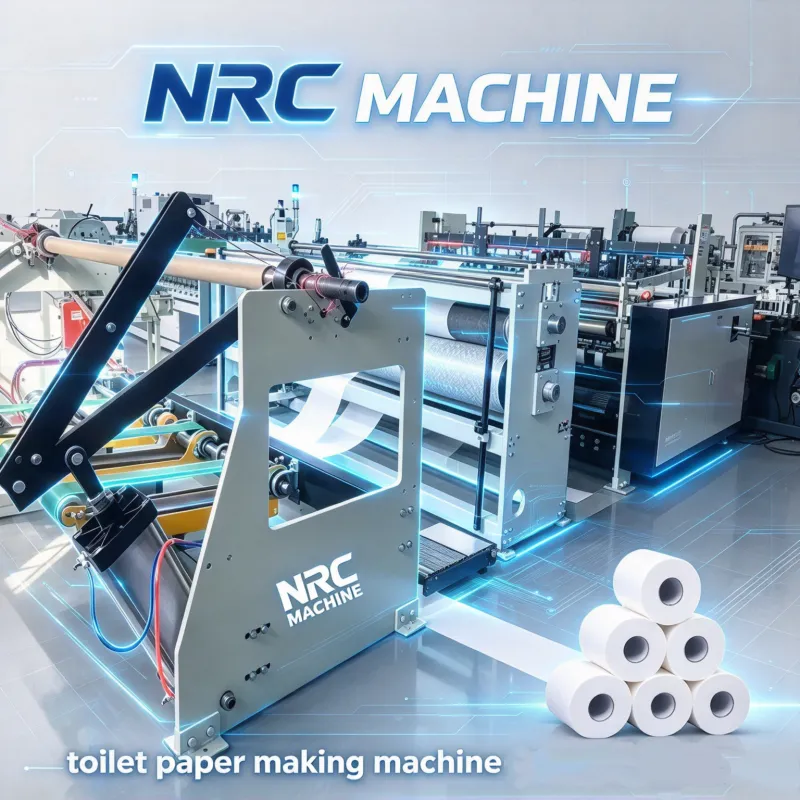
Различия в технологическом процессе производства кухонных бумажных полотенец и обычной туалетной бумаги (На базе перемоточной машины NRC1880)
Обзор
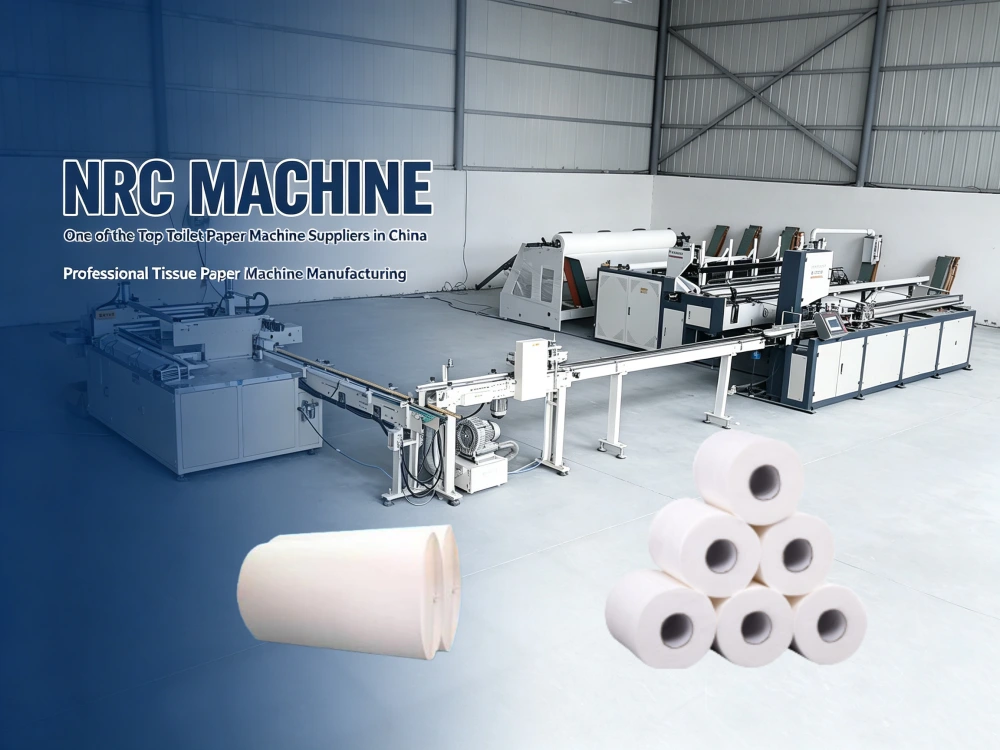
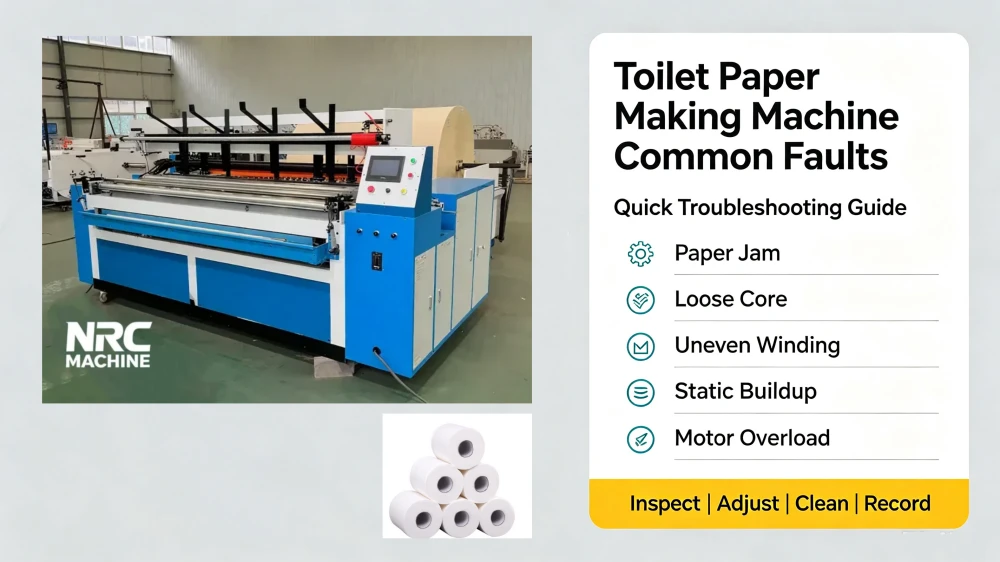
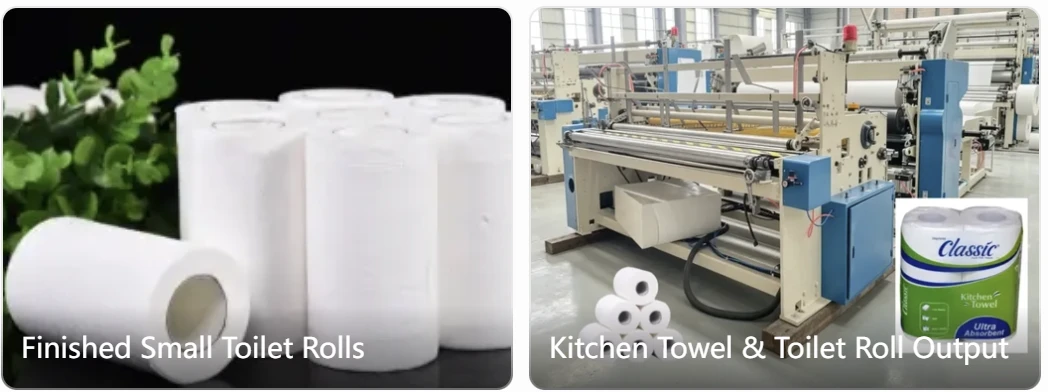
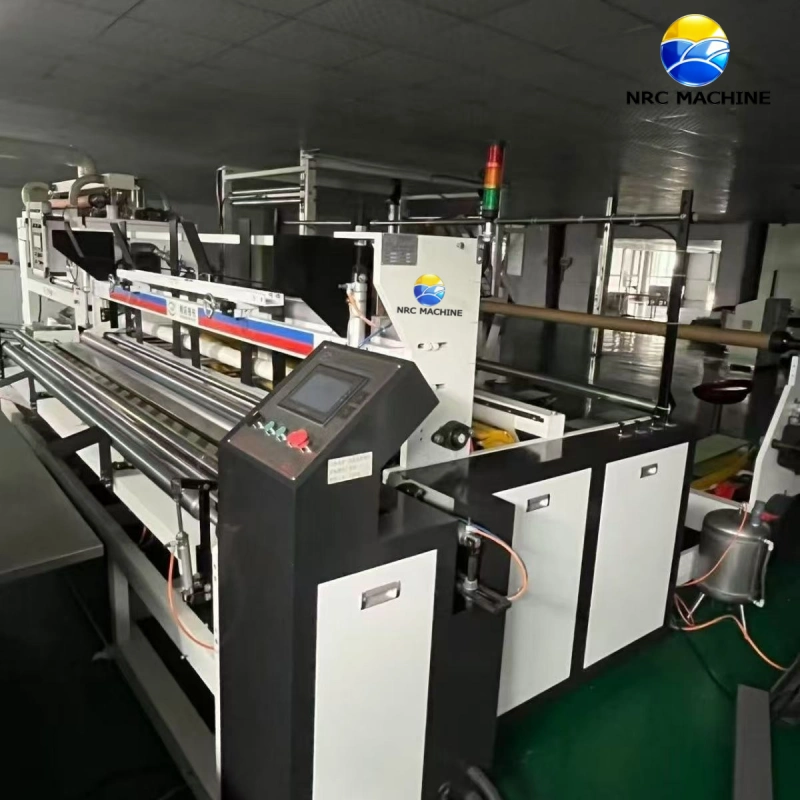
Как кухонные бумажные полотенца, так и обычная туалетная бумага производятся из больших исходных рулонов папиросной бумаги на полностью автоматической линии по перемотку папиросной бумаги NRC1880. Процессы размола и изготовления бумаги на начальных этапах в основном одинаковы, тогда как основные различия заключаются в этап перемотки и последующей обработки управляется системой склеивания и ламинирования композитных материалов, встроенной в машину. Благодаря гибкому переключению функций машины для производства туалетной бумаги NRC1880 можно реализовать два совершенно разных производственных процесса, что позволяет добиться функциональных различий в толщине бумаги, прочности, маслопоглощающей способности и водостойкости.
Основное различие в технологическом процессе: процедура склеивания и ламинирования композитных материалов
Производство бумажных кухонных полотенец (с функциями склеивания и ламинирования)
Наиболее важным этапом производства кухонных полотенец является процесс многослойного склеивания и ламинирования композитных материалов. После размотки и предварительного тиснения перемоточная машина NRC1880 запускает систему распыления клея в закрытом цикле. Клеевой бак из нержавеющей стали и анилоксовый переносной валик равномерно наносят пищевой клей между несколькими слоями исходной папиросной бумаги. В процессе ламинирования под точным давлением многослойные листы бумаги прочно склеиваются в единое целое.
Эта уникальная технология значительно повышает общую плотность, прочность на разрыв и структурную стабильность бумаги. Готовое кухонное полотенце отличается толщиной, устойчивостью к разрывам, маслопоглощающими свойствами и водонепроницаемостью, благодаря чему оно не рвется и не оставляет бумажных обрывков при удалении масляных пятен, пролитой воды и остатков пищи. Именно в этом заключается ключевое преимущество, которого нет у обычной туалетной бумаги.
Производство обычной туалетной бумаги (функции склеивания и ламинирования отключены)
При производстве обычной бытовой туалетной бумаги оператор напрямую отключает систему нанесения клея и ламинирования на машине для производства туалетной бумаги NRC1880. Оборудование отключает все процедуры распыления клея и многослойного склеивания, оставляя только однослойную или простую многослойную мягкую перемотку и тиснением.
Без клеевого ламинирования бумага сохраняет мягкость, легкость и пушистость, а также обладает хорошей растворимостью в воде. Она удобна для личной гигиены и быстро растворяется после смыва, что позволяет избежать засорения труб и полностью соответствует стандартам повседневного использования в туалете, предъявляемым к обычной туалетной бумаге.
Различия в процессах тиснения и регулирования натяжения
Процесс тиснения кухонных полотенец
Для производство кухонных полотенец, в машине NRC1880 используется режим глубокого тиснения «точка к поверхности». Структура тиснения «сталь-резина» образует на поверхности бумаги крупные и глубокие рельефные линии. С одной стороны, это увеличивает зазоры на поверхности бумаги, повышая эффективность впитывания масла и воды; с другой стороны, это дополнительно укрепляет многослойную склеенную структуру, предотвращая отслоение слоев. Кроме того, в машине используется намотка с высоким натяжением, что обеспечивает компактность и износостойкость готового рулона.
Процесс тиснения обычной туалетной бумаги
При производстве туалетной бумаги применяется мягкое точечное неглубокое тиснение, которое служит исключительно для придания бумаге декоративного вида и пушистости, не повышая при этом её жёсткости. В машине используется гибкая намотка с низким натяжением, что обеспечивает мягкость и нежность бумаги; при этом основное внимание уделяется комфорту для кожи, а не прочности структуры.
Различия в процессах резки готовых рулонов и перфорации
Резка и перфорация кухонных полотенец
Для рулонов кухонных полотенец требуетсяредкая и высокопрочная перфорация. В автоматической ленточной пиле NRC1880 предусмотрены более длинные интервалы между перфорациями и более глубокие надрезы. Это сделано для того, чтобы лист не рвался случайно во время использования, а при ручном отрывании края оставались аккуратными. Стандарт резки ориентирован на прочность конструкции, что позволяет выдерживать частые операции по вытиранию и чистке.
Резка и перфорация обычной туалетной бумаги
Обычная туалетная бумага имеет плотную и неглубокую перфорацию с небольшим шагом. При разработке технологического процесса основное внимание уделяется простоте и быстроте отрыва листов для одноразового гигиенического использования, при этом стремятся обеспечить легкость и простоту отделения листов, а также соответствующим образом снижают сопротивление растяжению отдельного листа.
Характеристики готовой продукции, полученной различными технологическими процессами
| Этап производственного процесса | Кухонная бумажная салфетка (с клеевым ламинированием) | Обычная туалетная бумага (без клеевого ламинирования) |
| Процесс изготовления композитных материалов | Многослойное склеивание и цельное ламинирование | Без склеивания, простая перемотка слоев |
| Режим тиснения | Глубокое тиснение «точка к поверхности» (высокая впитываемость и прочность) | Неглубокое тиснение «точка-точка» (мягкое и пушистое) |
| Характеристики бумаги | Толстый, устойчивый к разрыву, впитывающий масло и воду, не ломается легко | Мягкий, нераздражающий кожу, водорастворимый, легко растворяется |
| Стандарт перфорации | Редкая и высокопрочная перфорация | Плотная перфорация, легко разрываемая |
| Сценарий применения | Поглощение кухонного масла, очистка, протирание поверхностей, контактирующих с пищевыми продуктами | Ежедневная гигиеническая уборка в ванной комнате |
Краткое описание логики переключения процессов на станке NRC1880
Основная причина, по которой многофункциональная машина для производства туалетной бумаги NRC1880 может переключаться между двумя технологическими процессами, заключается в том, что она регулируемая система для склеивания и ламинирования композитных материалов:
- Включить склеивание и ламинирование + глубокое тиснение + намотку под высоким натяжением = стандартный процесс производства бумаги для кухонных полотенец;
- Отказ от склеивания и ламинирования + неглубокое мягкое тиснение + намотка с низким натяжением = стандартный процесс производства обычной туалетной бумаги.
Эта уникальная конструкция, позволяющая осуществлять два технологических процесса на одной машине, позволяет южноафриканским производителям бумажных салфеток сократить расходы на оборудование, обеспечивает гибкое переключение между категориями продукции и значительно повышает их конкурентоспособность на рынке.