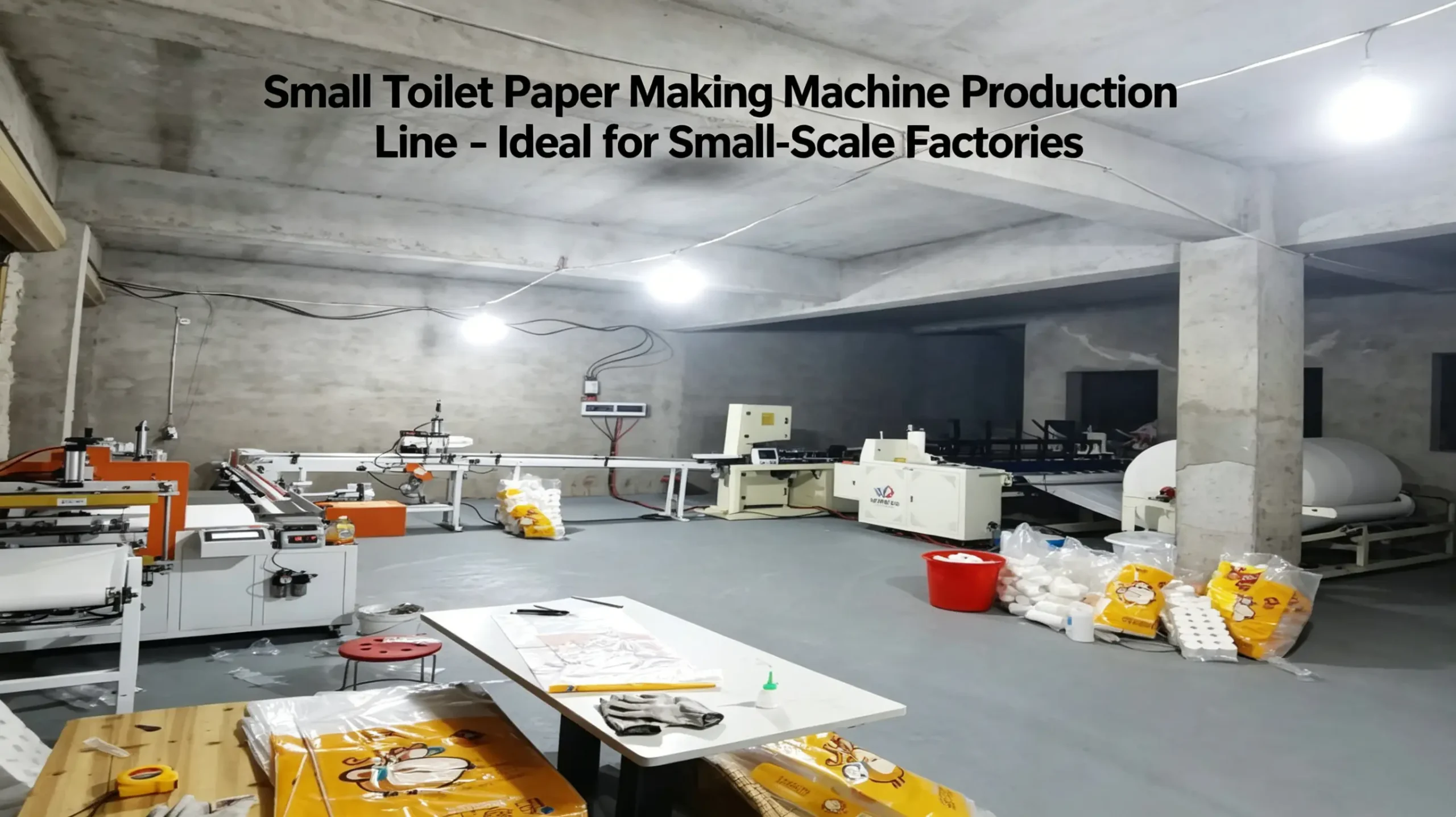
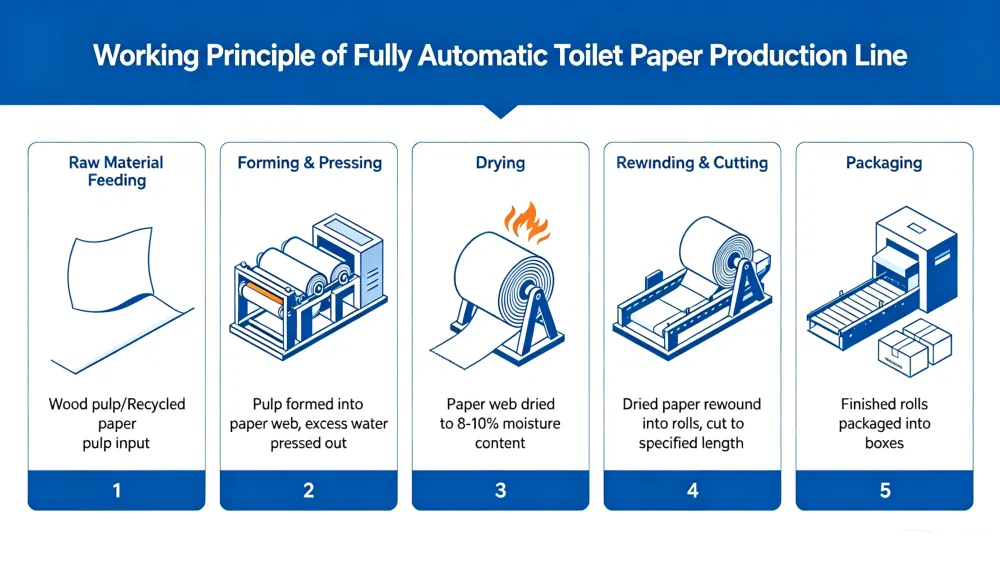
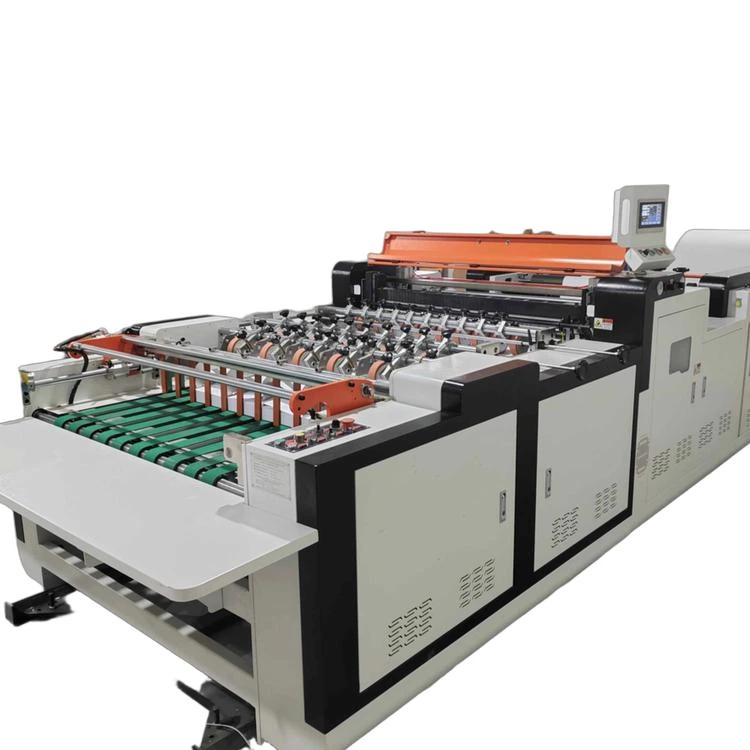
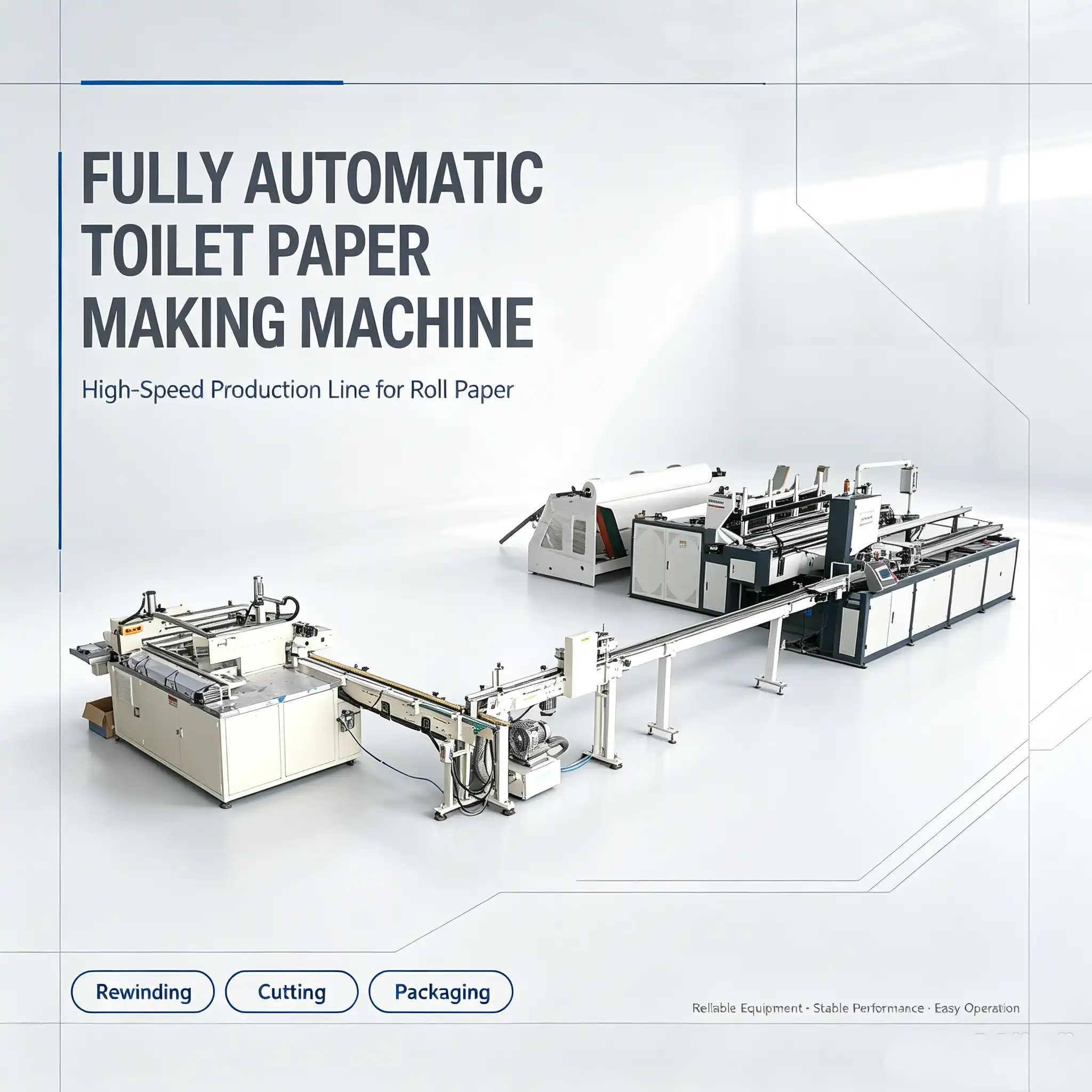
Bir doku hattı sadece daha hızlı çalıştığı için daha kârlı hale gelmez. Kâr, istikrarlı çıktı, düşük atık, tekrarlanabilir kalite ve vardiyalar, değişimler ve bakım pencereleri sırasında daha az üretim kesintisinden gelir. İşte tam da bu nedenle, doku dönüştürme otomasyonunun geleceği, kapasite artışı planlayan veya eski ekipmanı değiştiren fabrika sahipleri ve üretim yöneticileri için önemlidir.
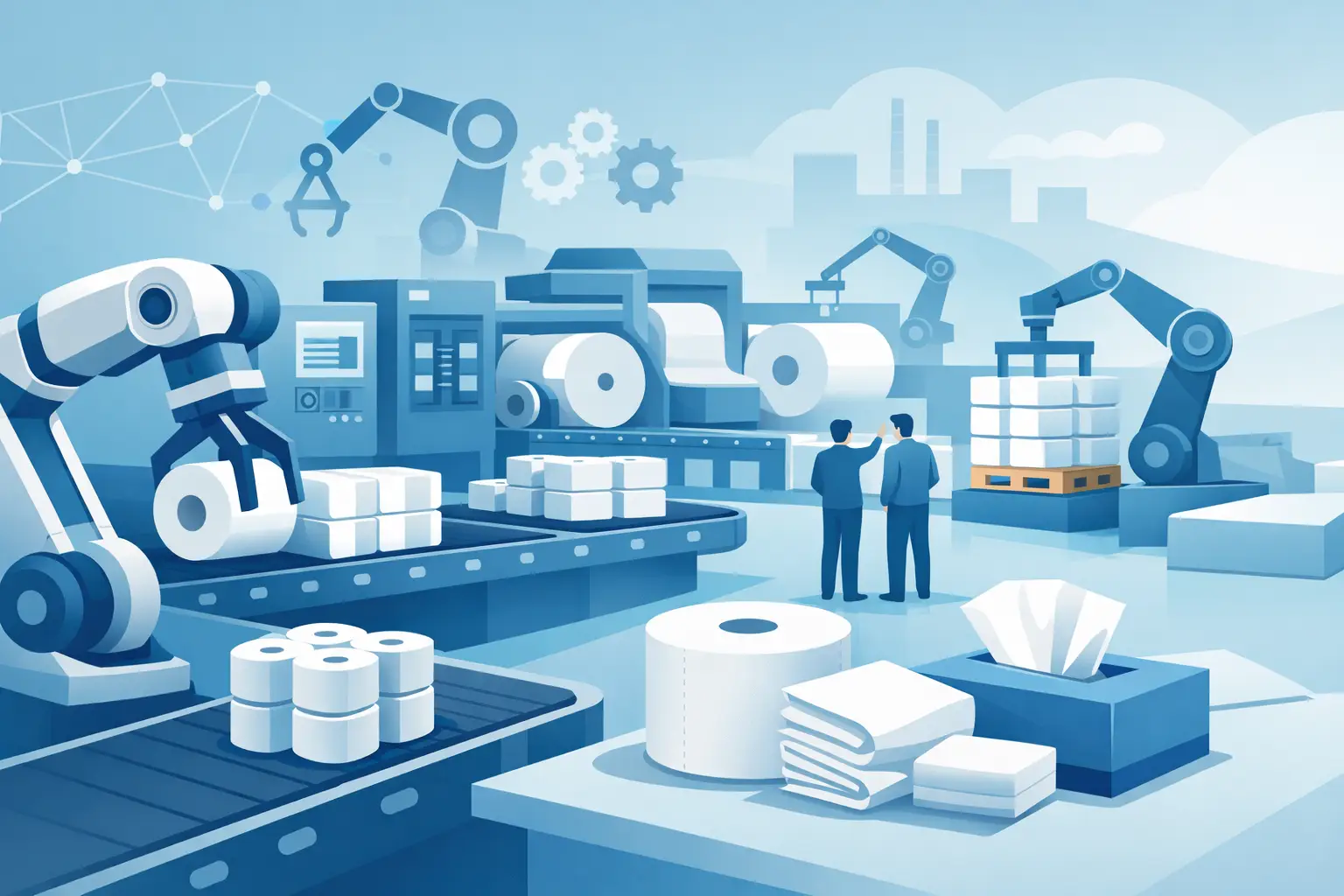
Birçok kağıt mendil üreticisi için gerçek baskı teorik değildir. İşgücünü tutarlı bir şekilde organize etmek daha zor, hammadde maliyetleri hassas olmaya devam ediyor ve alıcılar temiz günlükler, doğru yaprak sayıları, iyi kabartma, sıkı paketleme ve güvenilir teslimat bekliyor. Bu ortamda, otomasyon artık sadece operatörleri azaltmakla ilgili değildir. İşletme maliyetlerini kontrol altında tutarken kaliteyi daha yüksek hızlarda tutabilen bir dönüştürme hattı oluşturmakla ilgilidir.
Doku dönüştürme otomasyonunun geleceği gerçekten neye benziyor?
Otomasyonun bir sonraki aşaması doku dönüştürme gösterişli değil, pratiktir. Alıcılar makine seviyesinde daha fazla zeka, hattın bölümleri arasında daha iyi koordinasyon ve geri sarma, delme, kesme, günlük aktarımı ve paketleme gibi tekrarlanan görevler üzerinde daha hassas kontrol beklemelidir. Amaç basit: rulodan ruloya daha az varyasyon ve manuel düzeltmeye daha az bağımlılık.
Eski dönüştürme kurulumları genellikle gerginliği, tutkal uygulamasını, bıçak zamanlamasını, maça beslemesini ve bitmiş rulo tutarlılığını yönetmek için operatör deneyimine dayanır. Yetenekli operatörler hala önemlidir, ancak gelecek, bu koşulları gerçek zamanlı olarak izleyen ve kusurlar duruş süresine veya israfa dönüşmeden önce küçük düzeltmeler yapan makinelere işaret etmektedir.
Bu değişim, satın alma kararını değiştiriyor. Bir makine artık sadece maksimum hıza göre değerlendirilmiyor. Aynı zamanda kontrol kararlılığı, reçete depolama, arıza tespiti, servo koordinasyon ve yukarı ve aşağı akış ekipmanlarıyla ne kadar kolay entegre olduğu ile de değerlendirilmelidir.
Otomasyon doku hattında nereye doğru ilerliyor?
Geri sarma bölümünde daha akıllı kontrol
Geri sarma, doku dönüştürmede en hassas aşamalardan biri olmaya devam etmektedir. Gerginlik tutarsızsa, perforasyon zamanlaması kayıyorsa veya kütük çapı kontrolü zayıfsa, kalite sorunları bitmiş üründe hızla ortaya çıkar. Geleceğe hazır geri sarma makineleri çözme, perforasyon, kabartma, geri sarma ve kuyruk mühürleme arasında daha sıkı senkronizasyona sahip servo tabanlı kontrol sistemlerine doğru ilerlemeye devam edecektir.
Tesis yöneticileri için bu, üretim sırasında daha az ayarlama ve vardiyalar arasında daha iyi tekrarlanabilirlik anlamına gelir. Aynı zamanda reçete tabanlı çalışmanın daha kullanışlı hale gelebileceği anlamına gelir. Makine maça boyutu, rulo çapı, tabaka uzunluğu ve perforasyon desenleri için ayarları sakladığında, değişimler daha hızlı ve deneyimli bir teknisyene daha az bağımlı hale gelir.
Daha az hata ile otomatik değişimler
ROI tartışmalarında değişim süresi genellikle hafife alınır. Manuel sıfırlama, yeniden konumlandırma ve deneme-yanılma kalibrasyonu için tekrarlanan kısa süreleri kaybeden bir hat, ay boyunca fabrika üretimini sessizce azaltabilir. Doku dönüştürme otomasyonunun geleceği, daha fazla otomatik konumlandırma, dijital parametre geri çağırma ve HMI sistemleri aracılığıyla yönlendirmeli operatör istemlerini içerir.
Bu, her fabrikanın mevcut en yüksek otomasyon paketine ihtiyacı olduğu anlamına gelmez. Bu, alıcıların mevcut süreçlerinde kesinti süresinin gerçekten nerede gerçekleştiğini sormaları gerektiği anlamına gelir. Sık SKU değişiklikleri yaygınsa, otomatik ayarlamaya yatırım yapmak, yalnızca en yüksek hıza odaklanmaktan daha güçlü getiriler sağlayabilir.
Daha iyi denetim ve ıskarta kontrolü
Rekabet arttıkça, görünür ürün kalitesi daha fazla önem kazanmaktadır. Son kullanıcılar yumuşak ruloları, düzensiz kenarları, zayıf kabartmaları ve gevşek sarımları fark etmektedir. Distribütörler de ambalaj tutarsızlığını ve karton sayım hatalarını fark ediyor. Gelecekteki dönüştürme hatları, tülbent kopmaları, ek yeri tespiti, çap doğruluğu ve bitmiş ürün uygunluğu için sensör tabanlı denetime daha fazla güvenecektir.
Avantaj sadece kalite değildir. Aynı zamanda izlenebilirliktir. Hat, hataların nerede meydana geldiğini belirleyebildiğinde, yöneticiler daha hızlı yanıt verebilir, bakım ekipleri kök nedenleri daha doğru bir şekilde teşhis edebilir ve operatörler tahmin etmek için daha az zaman harcarlar.
İşgücü hala önemli, ancak rolü değişiyor
Bazı alıcılar otomasyona esas olarak bir işgücü azaltma aracı olarak yaklaşıyor. Bu bakış açısı çok dar. Doku dönüştürmede daha iyi soru, işgücünün nasıl daha etkin kullanılacağıdır. Otomasyon tekrarlayan manuel müdahaleleri azaltır, ancak ayarları yönetebilen, alarmları izleyebilen, makine durumunu koruyabilen ve üretimi sabit tutabilen operatörlerin değerini artırır.
Bu, özellikle işgücünün mevcut olabileceği ancak teknik tutarlılığın tüm vardiyalarda sürdürülmesinin zor olduğu pazarlarda geçerlidir. İyi tasarlanmış bir otomatik hat, operatör deneyim seviyeleri farklı olsa bile çıktının standartlaştırılmasına yardımcı olur. Büyümekte olan fabrikalar için bu, eğitim riskini azaltır ve başlangıç performansını iyileştirir.
Ancak bir değiş tokuş söz konusudur. Daha fazla otomasyon, teknik destek, yedek parça planlaması ve operatör eğitimine daha fazla önem verilmesini gerektirir. Ekibi hazırlamadan ekipmanı yükselten bir alıcı tam fayda sağlayamayabilir. Makine kabiliyeti ve işgücü kabiliyeti birlikte gelişmelidir.
Veri, manşet hızından daha önemli olacak
Makine çıktısından üretim zekasına
Önümüzdeki önemli değişikliklerden biri de makine verilerinin artan değeridir. Her kağıt mendil fabrikasının son derece karmaşık bir fabrika yazılım ortamına ihtiyacı yoktur, ancak daha fazla üretici duruş süreleri, rulo sayıları, ıskarta oranları, vardiya verimliliği ve bakım aralıkları hakkında doğru raporlama isteyecektir.
Bu önemlidir çünkü birçok üretim kaybı küçüktür ve tekrarlanır. Kısa duruşlar, kötü bıçak durumu, tutkal tutarsızlığı ve tülbent işleme sorunlarını uygun raporlama olmadan ölçmek zor olabilir. Bir kez ölçüldüklerinde, düzeltilmeleri daha kolay hale gelir.
Karar vericiler için bu durum ekipman konusunu değiştiriyor. Bir dönüştürme hattı sadece rulo üretmemelidir. Aynı zamanda performans hakkında kullanılabilir bilgiler de sağlamalıdır. Bu veriler işgücü planlamasına, bakım planlamasına, müşteri teslimat taahhütlerine ve gelecekteki genişlemeye yardımcı olur.
Kestirimci bakım büyüyecek, ancak seçici olarak
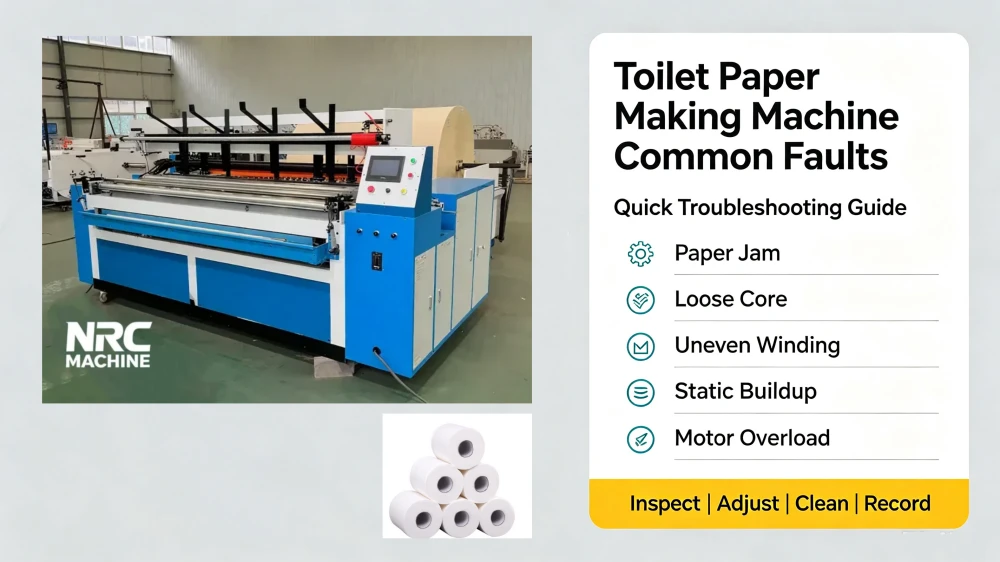
Kestirimci bakım genellikle sanki her fabrikanın derhal gelişmiş dijital altyapıya ihtiyacı varmış gibi tartışılır. Gerçekte, benimseme hat büyüklüğüne, bütçeye ve teknik derinliğe bağlı olacaktır. Yine de gidişat nettir. Arıza planlanmamış duruş sürelerine neden olmadan önce titreşim, sıcaklık, motor yükü ve aşınma koşullarını izlemek için daha fazla sensör kullanılacaktır.
Yüksek verimli tesisler için bu, üretim programlarını koruyabilir ve acil onarım maliyetlerini azaltabilir. Daha küçük tesisler için daha basit bir durum izleme yaklaşımı daha gerçekçi olabilir. Önemli olan nokta, bakımın reaktif müdahaleden planlı müdahaleye doğru ilerlemesidir.
Esneklik daha güçlü bir satın alma gereksinimi haline gelecek
Kağıt mendil pazarları durağan değildir. Tüketici tercihleri değişir, özel etiket talebi değişir ve bölgesel ambalaj beklentileri farklılık gösterir. Bazı fabrikaların standart ölçekte tuvalet kağıdı üretimine ihtiyacı vardır. Diğerleri ise daha fazla esnekliğe ihtiyaç duyar. yüz mendili, mutfak havlusu, peçete veya karışık ürün işleri. Bu nedenle önümüzdeki yıllarda otomasyon, kısmen hattın ne kadar kolay adapte olabildiğine göre değerlendirilecektir.
Rijit bir makine hala üretken olabilir, ancak pazar değiştiğinde bir sınır haline gelebilir. Esnek otomasyon daha hızlı ürün değişimini, daha geniş boyut aralıklarını ve paketleme ekipmanıyla daha temiz entegrasyonu destekler. Kağıt mendil sektörüne giren girişimciler için bu, talep kalıpları henüz oluşurken riski azaltabilir.
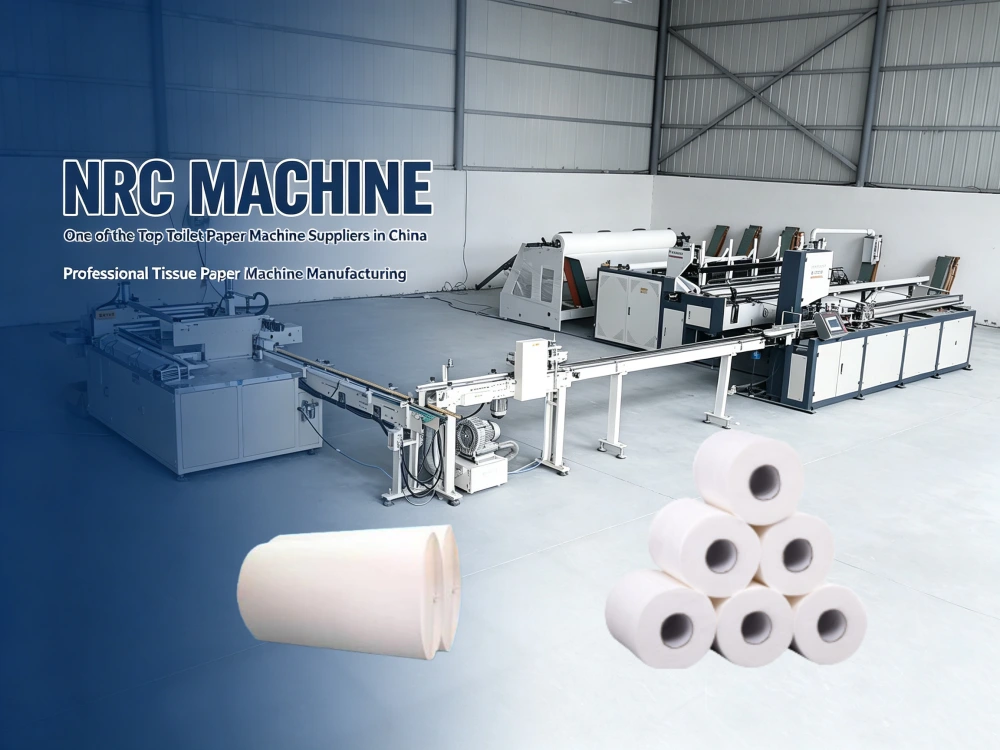
Bu, aşağıdaki gibi deneyimli üreticilerin bir nedenidir NRC Makine sadece tek tek makinelere değil, gerçek fabrika koşullarında komple dönüştürme ve sonlandırma bölümlerinin birlikte nasıl çalıştığına odaklanır.
Doku dönüştürme otomasyonunun geleceği herkese uyan tek bir boyut değildir
Büyük dağıtım kanallarına tedarik sağlayan büyük bir tesis, otomasyonu bölgesel toptancılara hizmet veren orta ölçekli bir üreticiden farklı değerlendirecektir. Batı Afrika'daki bir startup istikrarlı operasyona, pratik bakıma ve genişleme alanına öncelik verebilir. ABD'deki olgun bir alıcı ise daha çok işgücü verimliliğine, dijital kontrole ve birden fazla SKU arasında tutarlılığa odaklanabilir.
Bu nedenle doğru otomasyon seviyesi üretim hedeflerine, operatör becerisine, kullanım koşullarına, bakım kaynaklarına ve hizmet verdiğiniz müşteri karmasına bağlıdır. Fabrikanın kullanabileceğinden daha fazla özellik satın almak pahalıdır. Çok az otomasyon satın almak, bir yıl içinde ortaya çıkan çıktı sınırları yaratabilir.
En iyi satın alma kararları genellikle toplam işletme gerçekliğine bakılarak verilir: beklenen vardiya düzeni, ürün yelpazesi, yerel işgücü durumu, yedek parça planlaması ve kurulumdan sonra servis müdahalesi. Kağıt mendil dönüştürmede, kağıt üzerindeki makine özellikleri cevabın sadece bir parçasıdır.
Alıcılar yatırım yapmadan önce ne sormalı?
Yeni bir hat seçmeden veya mevcut bir hattı yükseltmeden önce alıcılar pratik sorular sormalıdır. Bugün manuel ayarlamadan kaynaklanan duruş süresi ne kadar? Ürün değişiklikleri ne sıklıkla gerçekleşiyor? İsraf en çok nerede artıyor? Mevcut ekip daha otomatik bir sistemi güvenle çalıştırabilir ve bakımını yapabilir mi? Ve en az bunun kadar önemlisi, tedarikçi teslimattan sonra güvenilir teknik destek sağlayabilir mi?
Ciddi bir otomasyon yatırımı hızdan daha fazlasını geliştirmelidir. Tutarlılığı güçlendirmeli, deneme yanılma yöntemine olan bağımlılığı azaltmalı ve yönetime üretim performansı üzerinde daha net bir kontrol sağlamalıdır. Bu kazanımlar görünür değilse, otomasyon paketi fabrikanın gerçek ihtiyaçlarıyla uyumlu olmayabilir.
Doku dönüştürme otomasyonunun geleceğinden en çok faydalanacak olan fabrikalar sadece en hızlı makineleri satın alanlar değildir. Doğru kontrol seviyesine, doğru destek yapısına ve uzun vadeli üretim planlarına uygun ekipman seçenlerdir. Otomasyon bu disiplinle seçildiğinde, bir özellik olmaktan çıkar ve gerçek bir üretim avantajı haline gelir.