If two suppliers give you a very different adhesive tape making machine price for what looks like the same equipment, the difference is usually not random. In most cases, the quote reflects machine width, coating method, automation level, output target, material compatibility, and what is actually included in the delivery. For factory owners and import buyers, the real job is not finding the lowest number. It is identifying which configuration will produce stable tape quality, protect operating margins, and fit your production plan.
What drives adhesive tape making machine price
An adhesive tape production line can be simple or highly integrated. That is why pricing varies so much across the market. A small setup for basic BOPP packing tape converting is very different from a full line that handles coating, drying, slitting, rewinding, and finished roll preparation.
Machine width is one of the first price drivers. Wider machines process more material per run and support higher output, but they also require stronger frames, larger rollers, higher power capacity, and more precise control systems. Buyers focused on volume often need this capacity. Buyers entering the market may not.
Automation level also has a direct effect on cost. A semi-automatic machine has a lower entry price, but it usually needs more labor, closer operator attention, and more manual adjustments during changeovers. A more automated system costs more upfront, yet it can reduce waste, improve consistency, and support better shift productivity. For many factories, the right choice depends on labor cost, operator skill level, and target daily output.
The adhesive system matters as well. Different tape products require different coating performance and drying arrangements. If your line must handle hot melt, water-based acrylic, or solvent-based adhesive applications, the technical design changes significantly. That affects not only the base machine price but also installation requirements, safety measures, and long-term operating cost.
Adhesive tape making machine price by machine scope
When buyers ask for adhesive tape making machine price, they are often referring to different machine categories without realizing it. This creates confusion during quotation comparison.
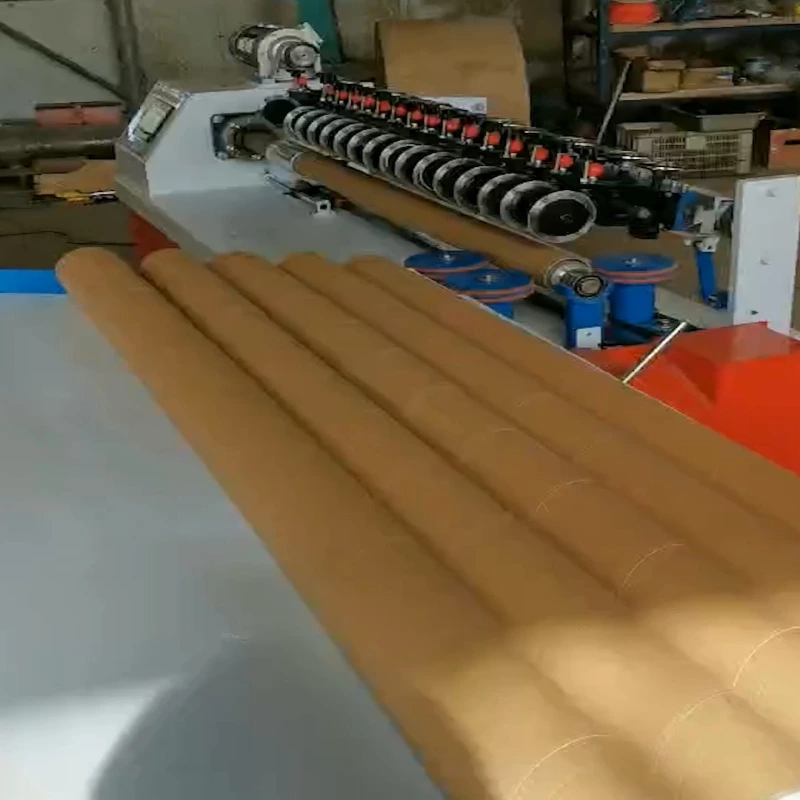
Basic slitting and rewinding machines
These are generally the most affordable options in the tape segment. They are used when jumbo rolls are already available and the buyer only needs to slit and rewind them into finished tape rolls. For distributors, converters, and smaller manufacturers, this can be a practical starting point because the investment is lower and the operation is simpler.
However, a lower price in this category does not automatically mean lower total cost. If the slitting accuracy is poor, edge quality suffers, roll appearance declines, and customer complaints increase. Tension control, shaft design, blade quality, and rewinding stability all matter.
Coating and laminating lines
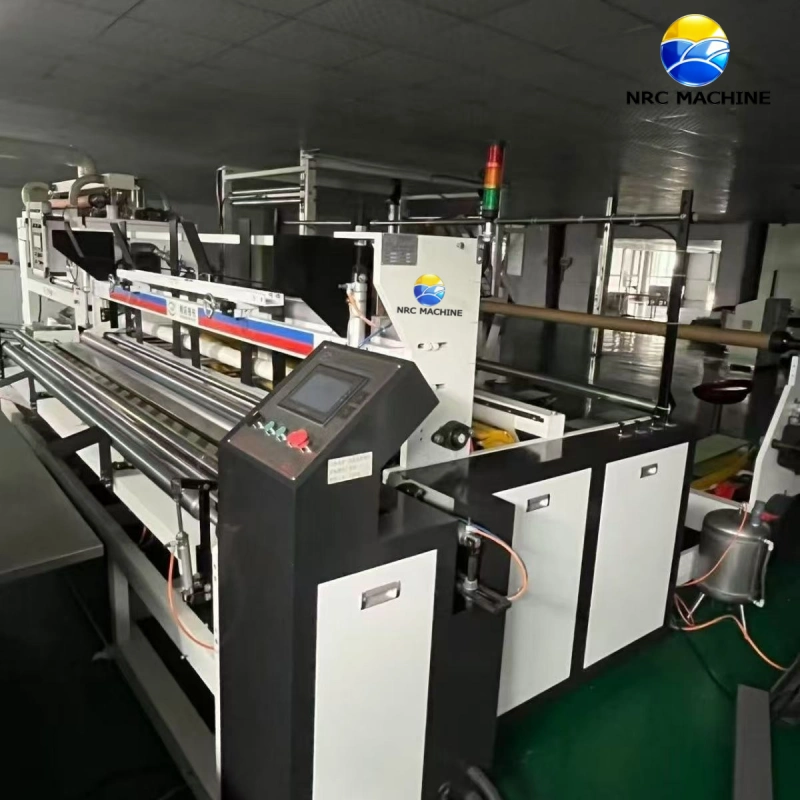
These machines sit at a higher price level because they add more production value and more process complexity. A coating line must apply adhesive evenly, maintain stable temperature or viscosity conditions, and support proper drying or curing. This is where low-cost equipment can become expensive if coating uniformity is inconsistent or material waste is high.
For buyers planning to build a tape manufacturing operation instead of only converting jumbo rolls, this category deserves careful evaluation. A cheaper line with unstable coating results can hurt product reputation very quickly.
Complete adhesive tape production lines
A full line usually includes several stages, from raw material handling to coating, drying, slitting, rewinding, and sometimes packaging support. Naturally, this carries the highest capital cost. It also offers the strongest control over product quality, lead time, and profit structure if your market demand justifies the investment.
For established manufacturers or entrepreneurs entering with a serious volume plan, a complete line can make sense. The key is to match the line to real production targets rather than buying excess capacity that sits idle.
Why one quote looks cheap and another looks high
A low quote often excludes items that buyers assume are standard. This may include air shafts, spare blades, compressors, unloading systems, electrical brand upgrades, installation support, or even critical safety components. On paper, the machine looks less expensive. In practice, the final landed and operating cost rises later.
Another common issue is speed claims. Some suppliers quote a maximum mechanical speed, while others quote a stable production speed. These are not the same. A machine advertised at an impressive top speed may not maintain acceptable tape quality at that rate. For commercial buyers, stable output is more valuable than a sales number.
Steel quality, roller balance, motor brand, control system, and machine finishing also affect price. These details are not cosmetic. They influence vibration, precision, maintenance frequency, and service life. If your line will run daily in a production environment, these factors matter more than a small difference in initial quote value.
The cost behind the price tag
The purchase price is only one part of the investment. Serious buyers should assess the full operating picture before making a decision.
Power consumption affects monthly cost, especially on coating and drying systems. Material waste affects margin every day. Labor demand affects headcount planning. Maintenance access affects downtime. Spare part availability affects how fast you can recover from an issue. If after-sales support is weak, even a competitively priced machine can become a production risk.
This is why factory-direct buyers often look beyond the headline figure. They want to know how the machine performs in real production conditions, how quickly technical questions are answered, and whether export packing and documentation are handled properly.
How to compare adhesive tape making machine price correctly
A proper comparison starts with your product plan. Are you producing standard BOPP packing tape, stationery tape, masking tape, double-sided tape, or another category? Each product has different process needs. Without clarity here, any quote comparison becomes inaccurate.
Next, define your required jumbo roll width, finished roll sizes, target daily output, and expected operating hours. A machine that works for a small local distributor may not meet the needs of a growing regional factory. At the same time, a high-capacity line may be unnecessary if your sales volume is still developing.
Then ask what is included in the quotation. This should cover machine scope, consumable recommendations, spare parts, electrical specifications, commissioning support, training, packaging, and delivery terms. If one supplier includes more and another strips the offer down, the price gap may not mean much.
It also helps to ask how the machine is configured for your market. US buyers and importers serving regulated markets often pay close attention to electrical standards, safety details, and documentation. Buyers in fast-growth markets may prioritize output, easy maintenance, and operator-friendly design. The right machine should fit the business model, not just the budget.
When a lower machine price makes sense
There are cases where a lower investment is the smart move. If you are entering the tape business, validating demand, or adding a small converting section to an existing operation, a basic or mid-level machine may be the right step. It reduces risk and allows you to build customer volume before scaling up.
The important point is to make sure the machine still meets acceptable production standards. Low price should come from simpler scope, not from poor construction or missing essentials.
When paying more is justified
A higher machine price is usually justified when the line offers better automation, tighter quality control, higher stable speed, broader material compatibility, or stronger after-sales support. If downtime is expensive in your factory, these upgrades are not optional. They are operational protection.
This is especially true for buyers building long-term manufacturing capacity. A line that runs reliably, reduces waste, and supports future output growth often creates a better return than a cheaper machine that struggles under full production pressure. Experienced manufacturers like NRC Machine understand this balance because export buyers need machinery that works consistently after installation, not just machinery that looks attractive in a quotation.
Questions buyers should ask before requesting a final quote
Before asking for a final adhesive tape making machine price, prepare a clear inquiry. State the tape type, raw material, adhesive type, jumbo roll width, finished roll width, target speed, daily capacity, power standard, and destination country. This saves time and leads to a more accurate offer.
You should also ask about lead time, installation guidance, operator training, recommended spare parts, and service response. For international procurement, these points are not secondary. They are part of the buying decision.
A machine quote should help you plan production, not create more uncertainty. When the supplier understands your application and responds with a configuration that matches your output, labor, and market goals, the price becomes much easier to evaluate.
The best buying decision usually comes from a simple approach: be specific about what you want to produce, compare machine scope instead of just numbers, and choose a supplier that can support your factory after the equipment arrives.