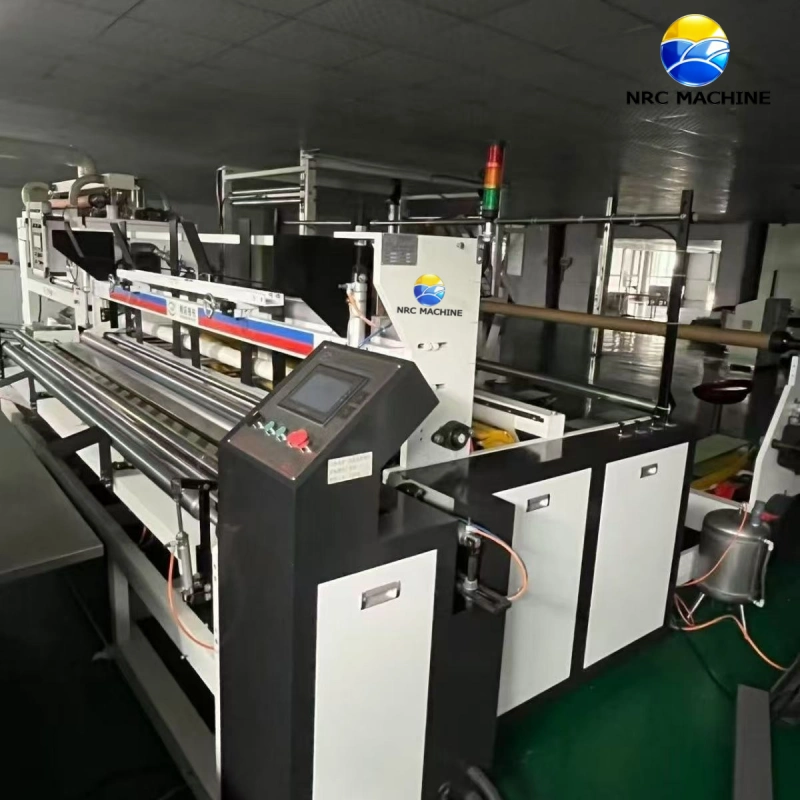
When a buyer asks for a toilet paper line installation example, the real question is usually not about one machine. It is about whether the full line will fit the building, match the target output, and start without expensive delays. That is where many projects succeed or fail.
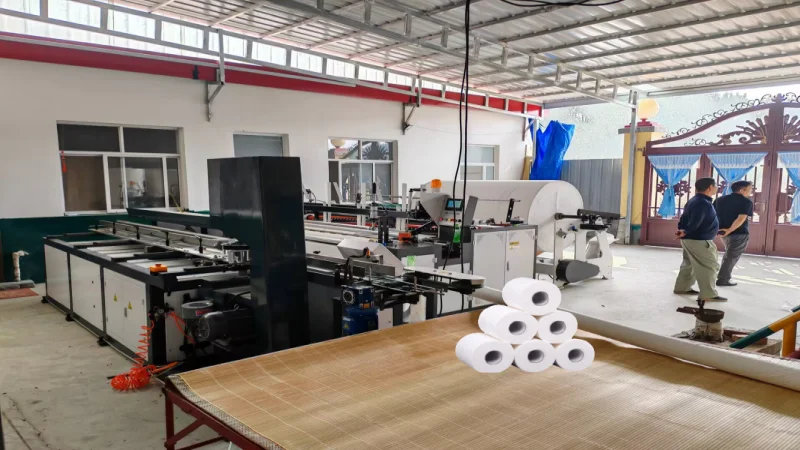
A toilet paper production line looks straightforward on a quotation sheet. Jumbo roll in, finished rolls out. On the factory floor, the result depends on layout discipline, utility planning, operator flow, and machine matching. For investors, plant managers, and converters expanding capacity, installation should be treated as part of the equipment decision, not something handled after the containers arrive.
A practical toilet paper line installation example
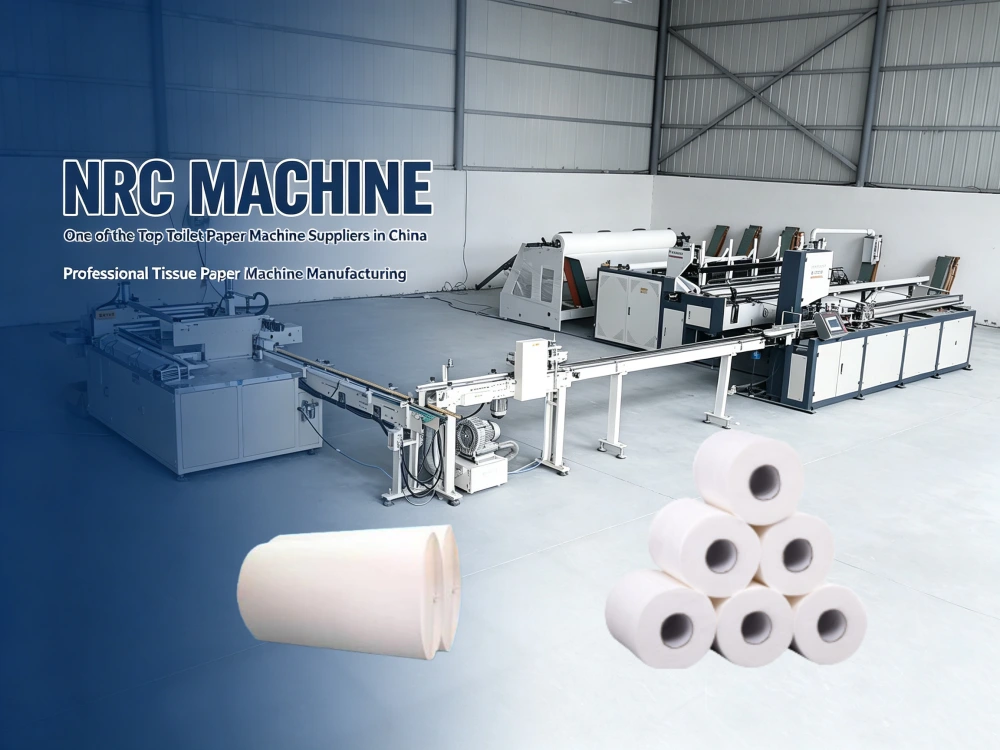
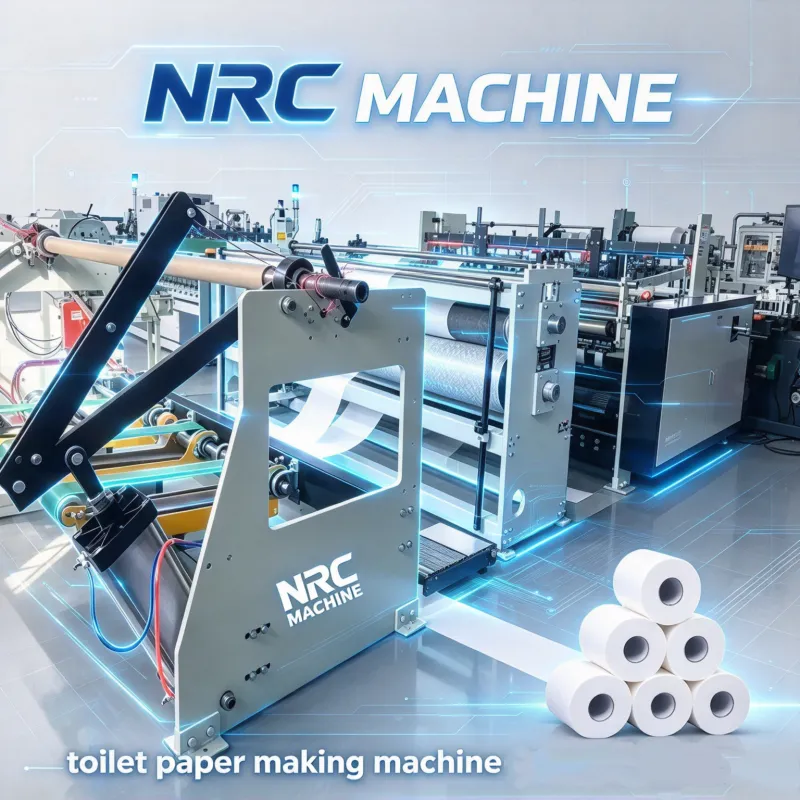
Take a mid-capacity plant designed to produce standard household toilet rolls from jumbo tissue parent rolls. The line includes a rewinding and perforating machine, accumulator, log saw, roll conveying section, and automatic packing equipment. Depending on product target, an embossing unit, glue lamination section, or core feeding system may also be included.
In a typical installation example, parent rolls enter from one side of the workshop and finished packs exit from the opposite side. This sounds basic, but it matters. Straight material flow reduces forklift crossings, lowers roll damage risk, and keeps operators from moving between raw stock and finished goods areas. In practical terms, a clean one-direction process saves labor and reduces stoppages.
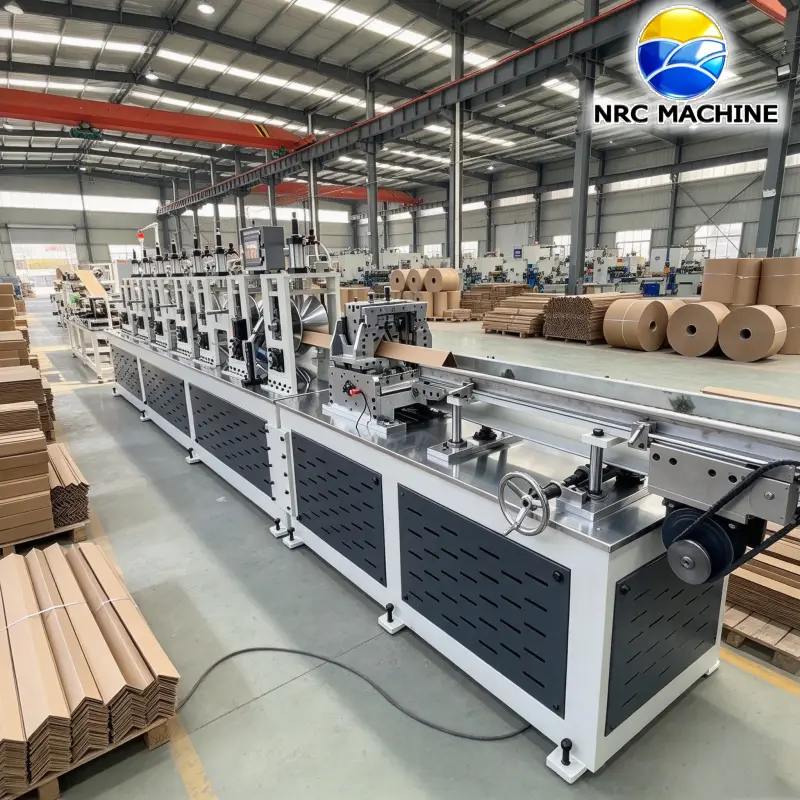
A common workshop plan for this type of line uses separate zones for jumbo roll storage, machine production, finished roll buffering, packing, and carton staging. If the line is fully automatic, more room is needed around the conveying and packing area than many first-time buyers expect. The rewinder itself may not consume the largest footprint. The transfer points, safe operator access, and packing discharge usually require more space than the main frame.
What the line usually includes
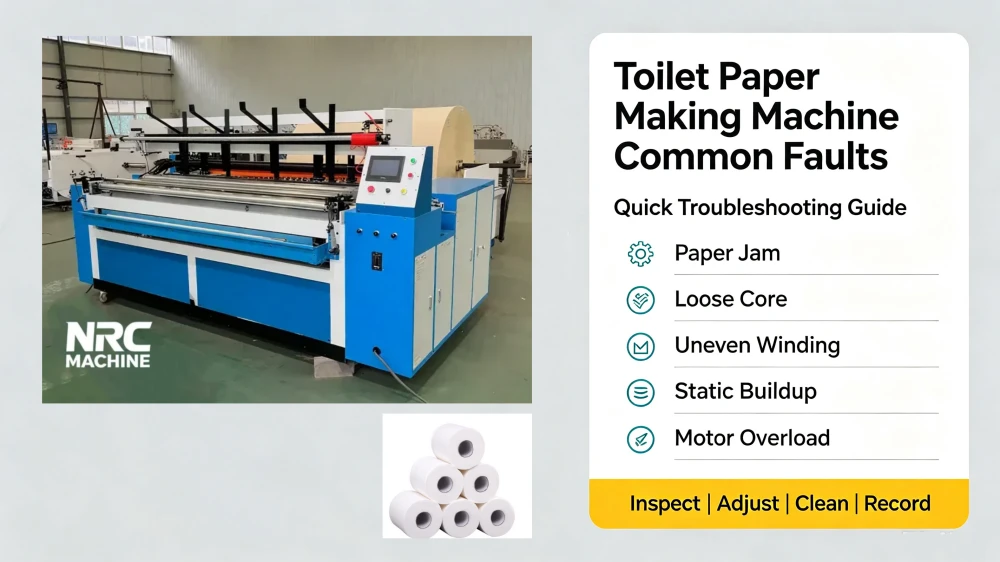
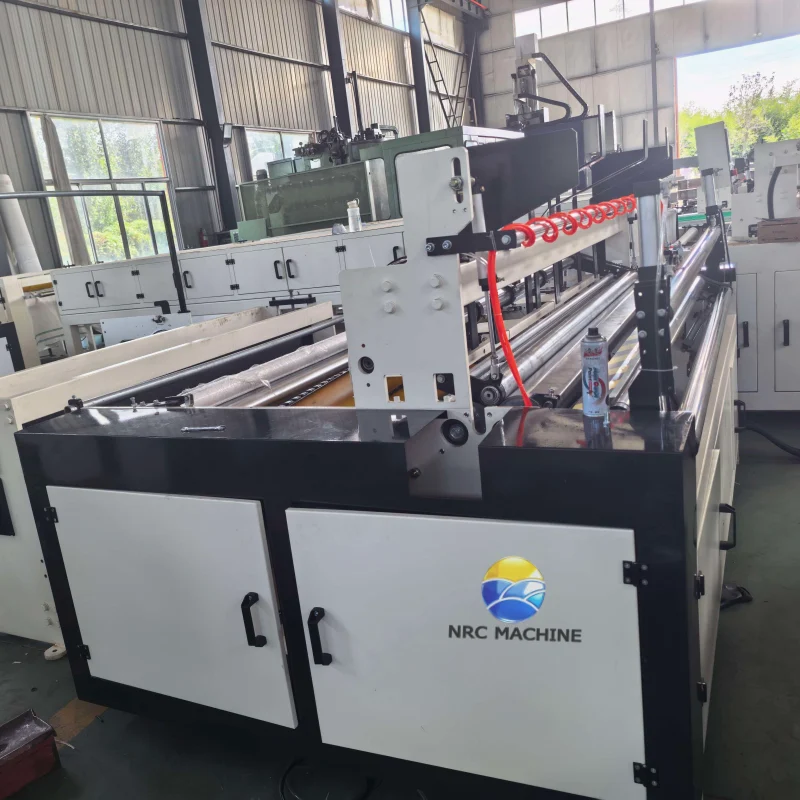
A complete installation example starts with the machine sequence. The parent roll stand feeds tissue into the rewinding section. Here, the web is embossed if required, perforated to set sheet length, rewound to target diameter, and cut into logs. Those logs transfer to the log saw, which cuts finished toilet rolls to final width. The rolls then move by conveyor into bagging or bundling equipment, depending on the packing format.
For a buyer comparing line options, the key issue is synchronization. A fast rewinder paired with a slower saw or packing machine creates a bottleneck. On paper, each machine may look productive enough. In operation, mismatch causes waiting, jam risk, and unstable output. A good line installation example shows balanced capacity across every stage.
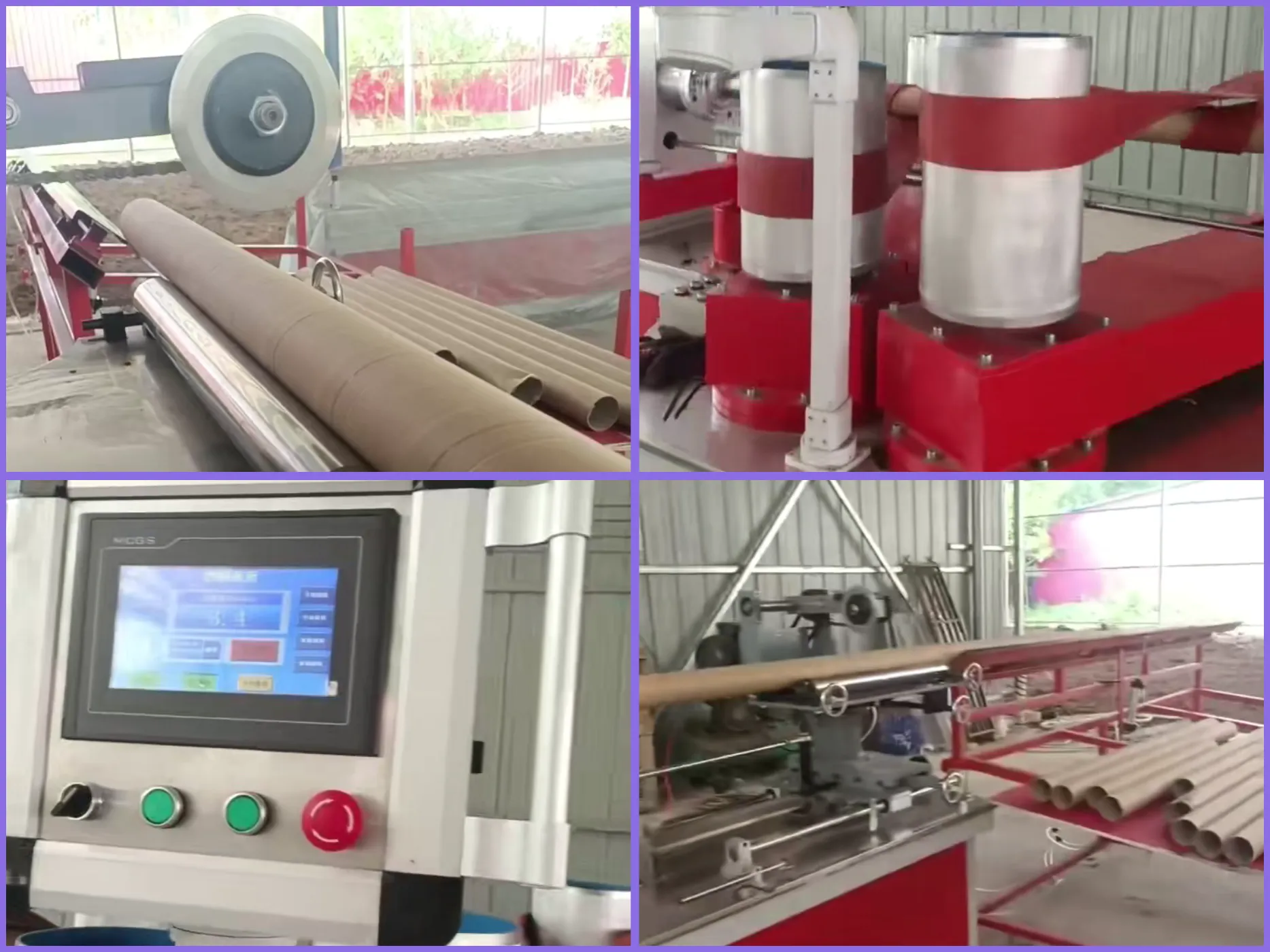
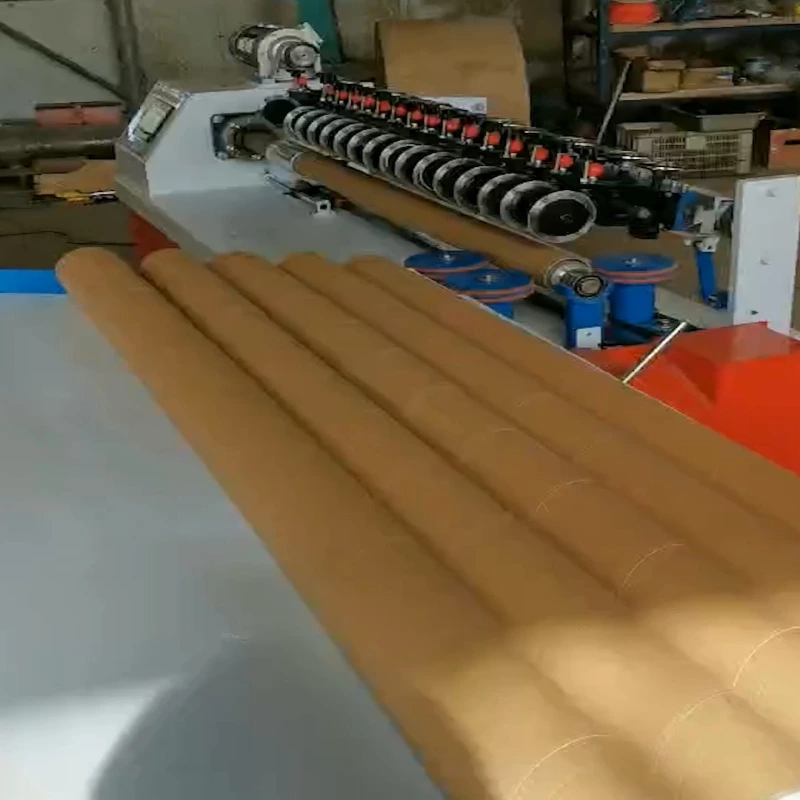
Core supply is another point that changes installation planning. If the plant produces its own paper cores, the core making machine should be positioned either in a nearby room or in a separate production section to avoid crowding the tissue line. If pre-made cores are purchased, storage and feeding become simpler, but the buyer adds dependence on outside supply and transport timing. It depends on local core availability, labor cost, and the scale of the project.
Space and layout decisions that affect output
A toilet paper line installation example is only useful if it reflects factory reality. Ceiling height, floor levelness, door width, and forklift turning area all affect installation speed. A workshop may have enough square footage but still create problems if jumbo rolls cannot be unloaded efficiently or if packed products must double back through the production area.
For a medium line, buyers should plan not just machine dimensions but service space. Operators need room for roll loading, blade access, routine maintenance, electrical cabinet clearance, and product inspection. Compressing equipment too tightly may reduce building cost per square foot, but it usually increases downtime later.
Electrical routing also deserves early attention. Power drops should be positioned based on final machine placement, not guessed before the layout is confirmed. The same applies to air supply for pneumatic systems. If compressor capacity is undersized or piping is routed poorly, machine response can become inconsistent, especially on automatic packing sections.
Humidity and dust control are often overlooked. Tissue converting is not a heavy industrial process, but workshop conditions still matter. Excess humidity can affect product feel and packaging quality. Poor housekeeping around trim waste can interfere with sensors and conveyor movement. A practical installation plan includes waste collection, ventilation, and regular cleaning access.
Utility planning before the machines ship
Many installation delays come from utilities, not machinery. Buyers focus on machine model selection, then realize too late that transformer capacity, compressed air, cable trays, or shop floor preparation are incomplete. That can leave new equipment waiting in crates while the building catches up.
In a solid toilet paper line installation example, the site is prepared before shipment arrival. The floor is leveled and marked. Electrical input matches machine requirements. Air pressure and line sizing are confirmed. Lighting is adequate for maintenance and inspection. If the plant will use printed packaging, there is also space for film storage protected from heat and dust.
Internet access may sound minor, but for some buyers it is useful during commissioning, especially when remote technical support or PLC troubleshooting is needed. For export projects, small preparation details can have large effects on startup time.
Labor flow and startup planning
A line should be installed for operation, not only for appearance. That means labor flow must be considered from the start. Operators should be able to monitor the rewinder, transfer rolls, inspect quality, and manage packing without unnecessary walking or crossing paths. Maintenance staff should reach key wear parts quickly. Supervisors should be able to view the process without interrupting production.
On startup, output rarely reaches rated speed on day one. That is normal. Initial runs focus on tension setting, perforation quality, log length accuracy, saw cutting stability, packing adjustment, and finished roll consistency. The factory should plan trial material, spare consumables, and a training window for operators.
This is especially important for buyers moving from semi-automatic production to a more automated line. Automation reduces labor dependence, but it also requires tighter discipline in material quality and machine setting. If parent roll quality fluctuates, the line may not perform as expected even if the installation is correct. The machine and the raw material must be matched.
Common installation mistakes buyers can avoid
The most common mistake is underestimating packing space. Buyers often focus on the converting section and treat packing as a secondary area. In reality, finished roll handling can quickly slow the entire line if the packing section is cramped or disconnected from storage.
The second mistake is selecting machines based only on maximum speed. Rated speed is one number. Stable commercial output is another. A balanced line with practical speed and easier maintenance is often the better investment than an aggressive configuration that operators struggle to keep running.
The third mistake is ignoring future expansion. If the business plans to add lotion tissue, embossed patterns, more pack formats, or higher automation later, the first installation should leave room for those additions. Relocating a line after one year is far more expensive than planning a little extra space at the beginning.
How buyers should evaluate an installation proposal
A serious supplier should be able to discuss more than machine specifications. Buyers should ask for a layout reference, utility requirements, recommended workshop dimensions, production flow logic, and startup guidance. This gives a better view of whether the supplier understands factory operation or is simply quoting hardware.
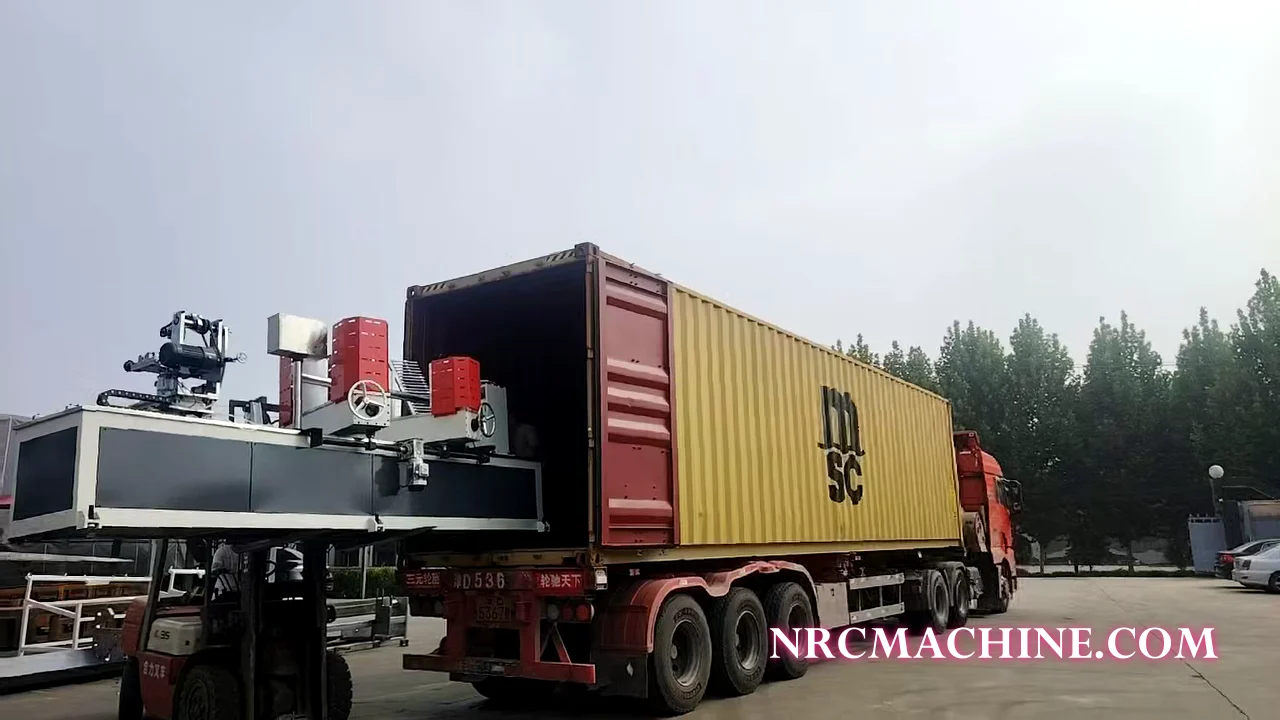
For international buyers, export support also matters. Packing method, container loading plan, installation guidance, and response speed during commissioning are part of the purchase value. A lower machine price can become expensive if site preparation is unclear or support is slow. That is why experienced manufacturers such as NRC Machine place importance on complete line understanding, not just individual machine sales.
A useful toilet paper line installation example helps buyers think beyond the catalog. It turns a machine inquiry into a production plan, which is exactly how a profitable tissue project should begin. Before placing an order, make sure the line fits your building, your utilities, your labor model, and your market target. The right installation starts paying back long before the first packaged rolls leave the warehouse.