Pembeli yang bertanya tentang harga mesin pembuat notebook biasanya tidak mencari satu angka. Mereka mencoba menjawab pertanyaan yang lebih praktis - berapa biaya yang harus dikeluarkan pabrik saya untuk membeli, menjalankan, dan mengembangkan mesin ini dalam beberapa tahun ke depan?
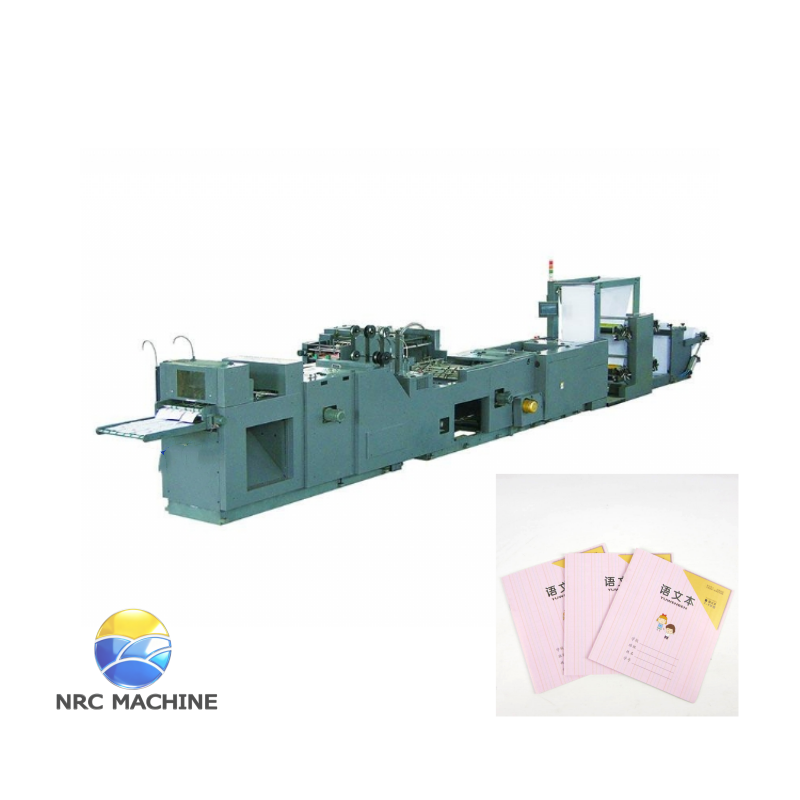
Itu adalah pertanyaan yang tepat. Dalam produksi notebook, harga sangat bervariasi berdasarkan jenis mesin, tingkat otomatisasi, target output, dan apakah Anda membeli satu unit atau membuat lini yang lengkap. Harga awal yang rendah dapat terlihat menarik pada tahap penyelidikan, tetapi kemudian menjadi mahal jika permintaan tenaga kerja tinggi, fleksibilitas format terbatas, atau dukungan purna jual lemah.
Apa yang sebenarnya termasuk dalam harga mesin pembuat notebook
Kesalahan pertama yang dilakukan banyak pembeli adalah membandingkan hanya harga label alat berat. Dalam pembelian industri, angka tersebut memang penting, tetapi bukan merupakan dasar biaya sepenuhnya.
Penyiapan produksi buku catatan dapat mencakup pengumpanan kertas, penggarisan, pengumpanan sampul, penjahitan atau penjilidan spiral, pelipatan, pengepresan, pemangkasan, penghitungan, dan penumpukan. Beberapa pembeli hanya membutuhkan satu bagian dari alur kerja tersebut. Yang lainnya membutuhkan lini produksi yang terintegrasi. Perbedaan itu saja dapat mengubah harga mesin pembuat notebook dari investasi tingkat pemula menjadi pembelian modal skala pabrik.
Pengemasan ekspor, perubahan standar kelistrikan, suku cadang, dukungan komisioning, dan pelatihan operator juga memengaruhi penawaran akhir. Dua alat berat mungkin tampak serupa dalam foto tetapi berbeda secara substansial dalam hal kesiapan produksi.
Faktor utama yang mengubah harga mesin pembuat notebook
Jenis mesin dan proses produksi
Tidak semua. mesin notebook melakukan pekerjaan yang sama. Mesin jahit sederhana untuk buku latihan memiliki harga yang sangat berbeda dari mesin jahit otomatis. jalur pembuatan notebook yang memasukkan kertas, meluruskan tanda tangan, menjahit, melipat, memotong, dan mengirimkan buku yang sudah jadi.
Jika jajaran produk Anda mencakup buku catatan sekolah, buku catatan kantor, buku komposisi, atau format yang diatur khusus, spesifikasi mesin akan berubah. Sistem buku catatan spiral, sistem jahitan tengah, dan lini buku latihan sampul lembut, masing-masing mengikuti logika produksi yang berbeda, dan penetapan harga mengikuti kerumitan tersebut.
Tingkat otomatisasi
Otomatisasi adalah salah satu pendorong biaya terbesar. Mesin semi-otomatis biasanya memiliki harga pembelian yang lebih rendah, tetapi membutuhkan lebih banyak operator dan lebih banyak penanganan manual di antara langkah-langkahnya. Sistem yang sepenuhnya otomatis harganya lebih mahal di awal, namun sering kali mengurangi biaya tenaga kerja, meningkatkan konsistensi, dan meningkatkan stabilitas output.
Untuk pabrik dengan volume harian yang rendah atau biaya tenaga kerja yang lebih rendah, peralatan semi-otomatis bisa menjadi pilihan yang masuk akal. Untuk pabrik yang menargetkan pesanan dalam jumlah besar, kontrak ekspor, atau program pasokan ritel, tingkat otomatisasi yang lebih tinggi sering kali merupakan keputusan komersial yang lebih baik.
Kecepatan produksi dan output harian
Ekspektasi output lebih penting daripada yang disadari oleh banyak pembeli pertama kali. Mesin yang dibuat untuk produksi sedang tidak dapat begitu saja didorong ke dalam operasi volume tinggi tanpa memengaruhi keausan, waktu henti, dan kualitas produk.
Mesin notebook berkecepatan lebih tinggi menggunakan struktur yang lebih kuat, sistem kontrol yang lebih baik, dan sinkronisasi yang lebih tepat. Hal ini meningkatkan harga mesin pembuat notebook, tetapi juga mengubah keekonomisan produksi Anda. Jika satu mesin dapat menggantikan beberapa unit output yang lebih rendah, biaya modal mungkin masih dapat dibenarkan.
Kisaran ukuran notebook dan fleksibilitas format
Beberapa pembeli memproduksi satu ukuran buku catatan sekolah standar sepanjang tahun. Yang lain memasok distributor dan membutuhkan beberapa ukuran, jumlah halaman, dan jenis sampul. Mesin dengan penyesuaian ukuran yang lebih luas, pergantian yang lebih cepat, dan kontrol registrasi yang lebih baik akan lebih mahal daripada model format sempit.
Fleksibilitas memang berharga, tetapi hanya jika Anda membutuhkannya. Membayar untuk kemampuan format lebar yang jarang digunakan oleh pabrik Anda tidaklah efisien. Inilah sebabnya mengapa penawaran harga yang tepat harus dimulai dengan spesifikasi notebook target Anda, bukan hanya permintaan untuk mesin termurah.
Kompatibilitas material
GSM kertas, ketebalan papan sampul, metode penjilidan, dan gaya penjilidan, semuanya memengaruhi konfigurasi mesin. Jika Anda berencana untuk memproses berbagai bobot kertas bagian dalam atau bahan sampul yang lebih berat, mesin mungkin memerlukan pengumpan yang di-upgrade, kepala jahitan yang lebih kuat, atau komponen pemangkasan yang berbeda.
Ini adalah area lain di mana perbandingan harga rendah bisa menyesatkan. Sebuah mesin yang dihargai untuk bahan ringan mungkin tidak cocok untuk produk yang sebenarnya ingin Anda jual.
Membangun kualitas, kontrol, dan komponen
Pembeli industri tahu bahwa harga mesin dan nilai mesin tidak sama. Struktur rangka, kualitas bantalan, komponen listrik, kontrol PLC, merek motor, dan desain keselamatan semuanya penting.
Mesin berbiaya rendah dapat mengurangi investasi awal Anda, tetapi jika suku cadang tidak konsisten atau kinerja kontrol tidak stabil, biaya pengoperasian Anda akan meningkat dengan cepat. Dalam produksi notebook, penghentian produksi memengaruhi tanggal pengiriman, pemanfaatan tenaga kerja, dan kepercayaan pelanggan.
Layanan purna jual dan dukungan ekspor
Bagi pembeli internasional, dukungan servis adalah bagian dari nilai alat berat. Respons teknis yang cepat, dokumentasi yang jelas, ketersediaan suku cadang, dan pengalaman ekspor dapat memberikan penawaran harga yang lebih tinggi.
Jika pemasok tidak dapat mendukung pemasangan, pelatihan, atau pemecahan masalah setelah pengiriman, penghematan yang terlihat bisa hilang. Hal ini semakin penting bagi pembeli di pasar yang sedang bertumbuh, di mana setiap hari produksi yang hilang berdampak langsung pada arus kas.
Harga murah vs harga yang tepat
Pasar selalu memiliki penawaran harga rendah. Masalah sebenarnya adalah apakah penawaran tersebut sesuai dengan target produksi Anda.
Jika Anda meluncurkan unit notebook kecil dengan SKU terbatas dan output sedang, pengaturan tingkat pemula atau semi-otomatis mungkin merupakan harga yang tepat. Jika Anda memasok grosir, kontrak pemerintah, saluran distribusi sekolah, atau beberapa pembeli regional, harga yang tepat biasanya berarti berinvestasi pada otomatisasi yang lebih kuat, hasil yang lebih baik, dan dukungan yang lebih dapat diandalkan.
Pendekatan yang lebih baik adalah menghitung harga berdasarkan output, tenaga kerja, limbah, pemeliharaan, dan volume pesanan. Mesin yang harganya lebih mahal namun menghasilkan produksi yang stabil dan limbah yang lebih rendah mungkin merupakan aset yang lebih murah dari waktu ke waktu.
Cara membandingkan penawaran harga mesin pembuat notebook
Pembeli yang serius harus membandingkan kutipan baris demi baris, bukan judul demi judul. Tanyakan tahap produksi apa saja yang disertakan dan apa saja yang masih manual. Konfirmasikan kisaran ukuran notebook, kisaran kecepatan, metode penjilidan, dan jumlah operator yang dibutuhkan.
Anda juga harus memverifikasi voltase, frekuensi, daya terpasang, kebutuhan udara, ruang lantai, dan suku cadang yang direkomendasikan. Jika satu penawaran menyertakan panduan komisioning, perkakas, dan pengemasan siap ekspor, sedangkan penawaran lainnya tidak, maka penawaran tersebut tidak sama meskipun foto mesin terlihat serupa.
Perhatikan kesesuaian sampel. Mesin harus dievaluasi terhadap gaya notebook target Anda, jumlah halaman, bahan sampul, dan standar kualitas akhir. Jika pemasok tidak dapat mencocokkan persyaratan produksi Anda dengan jelas, penawarannya tidak lengkap.
Ketika lini lengkap lebih masuk akal daripada satu mesin
Beberapa pembeli memulai dengan meminta satu mesin pembuat notebook dan kemudian menyadari bahwa mereka juga membutuhkan peralatan hulu atau hilir. Hal ini biasa terjadi.
Jika rencana produksi Anda meliputi pemotongan kertas, pengesetan, penanganan sampul, penjilidan, pengepresan, pemangkasan, dan pengemasan, membeli mesin secara terpisah dari berbagai sumber dapat menimbulkan masalah kompatibilitas. Lini yang lengkap sering kali meningkatkan alur kerja, mengurangi pemindahan tangan, dan menyederhanakan tanggung jawab teknis.
Untuk pabrik yang sedang berkembang, ini bisa menjadi cara yang lebih cerdas untuk mengendalikan biaya. Investasi memang lebih tinggi di awal, tetapi integrasi lini sering kali meningkatkan perencanaan produksi dan mengurangi kemacetan.
Profil pembeli yang umum dan ekspektasi harga
Pengusaha pemula biasanya berfokus pada biaya masuk, tenaga kerja yang dapat dikelola, dan peluncuran produk yang cepat. Dalam hal ini, pengaturan notebook semi-otomatis atau ringkas mungkin cukup untuk memulai pengujian pasar.
Distributor atau konverter kertas yang sudah mapan biasanya memperhatikan volume, rentang format, dan pengulangan. Pembeli tersebut tidak terlalu mementingkan harga mesin yang paling murah dan lebih mementingkan apakah peralatan dapat mendukung produksi harian yang stabil.
Pemilik pabrik yang berekspansi ke notebook dari produk kertas yang berdekatan mungkin sudah memahami ekonomi konversi. Bagi pembeli tersebut, harga mesin pembuat notebook dinilai berdasarkan pengembalian kapasitas, diversifikasi produk, dan kontrol rantai pasokan.
Ini adalah situasi pembelian yang berbeda, dan tidak boleh dipaksakan menjadi satu jawaban harga.
Mengapa spesifikasi harus didahulukan sebelum harga
Meminta harga tanpa rincian produksi biasanya menghasilkan angka yang tidak jelas yang tidak berguna untuk pengadaan. Permintaan yang lebih baik mencakup jenis notebook, metode penjilidan, ukuran lembaran, ukuran jadi, hasil harian yang diharapkan, GSM kertas, bahan sampul, dan target pasar.
Dengan informasi tersebut, produsen dapat merekomendasikan konfigurasi yang sesuai alih-alih mengirimkan penawaran umum. Hal ini akan menghemat waktu dan membantu menghindari pembelian yang kurang atau pembelian yang berlebihan.
Di NRC Machine, beginilah seharusnya diskusi mesin yang serius dimulai - dengan kebutuhan pabrik yang sebenarnya, bukan hanya harga pertama di halaman.
Apa yang ditanyakan pembeli cerdas sebelum meminta penawaran akhir
Sebelum melangkah lebih jauh, konfirmasikan apakah mesin semi-otomatis atau otomatis penuh, output apa yang realistis dalam pengoperasian reguler, bagaimana perubahan format ditangani, dan dukungan teknis apa yang tersedia setelah pengiriman. Tanyakan apa saja bahan habis pakai dan suku cadang biasanya dibutuhkan pada tahun pertama.
Anda juga harus meminta referensi produksi, video mesin, dan konfirmasi sampel jika memungkinkan. Untuk pembeli ekspor, metode pengemasan, waktu tunggu, dan bantuan pemasangan harus menjadi bagian dari diskusi komersial, bukan renungan.
Mesin notebook bukan sekadar pembelian. Ini adalah keputusan produksi yang memengaruhi perencanaan tenaga kerja, pemenuhan pesanan, dan biaya produksi jangka panjang. Harga terbaik adalah harga yang sesuai dengan produk, volume, dan rencana pertumbuhan Anda tanpa menimbulkan masalah yang dapat dihindari enam bulan setelah pemasangan.
Jika Anda mengevaluasi peralatan pembuatan notebook, mulailah dengan target produksi yang harus Anda capai. Penawaran yang tepat akan jauh lebih masuk akal setelah mesin disesuaikan dengan bisnis yang ingin Anda bangun.