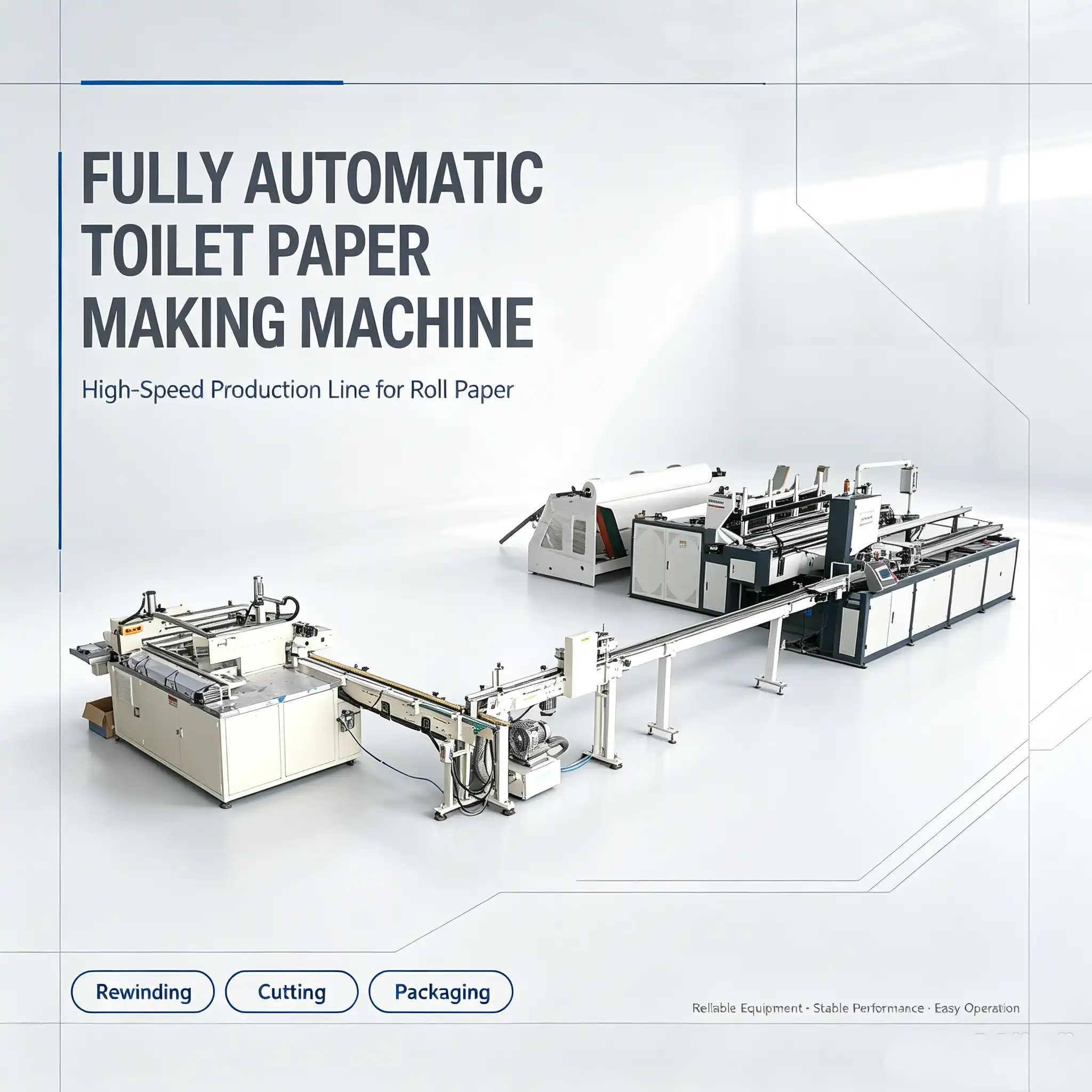
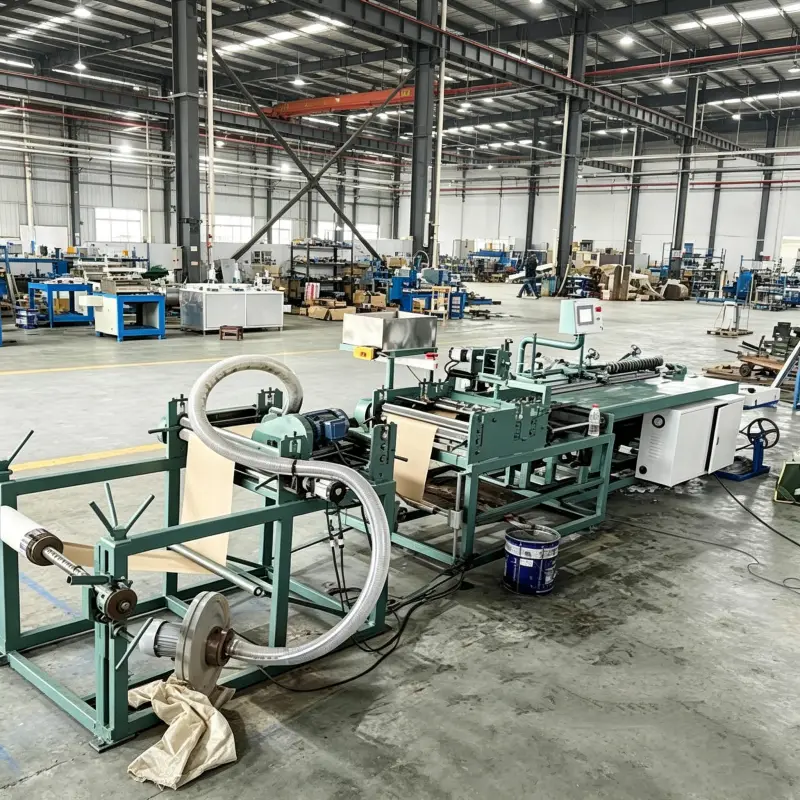
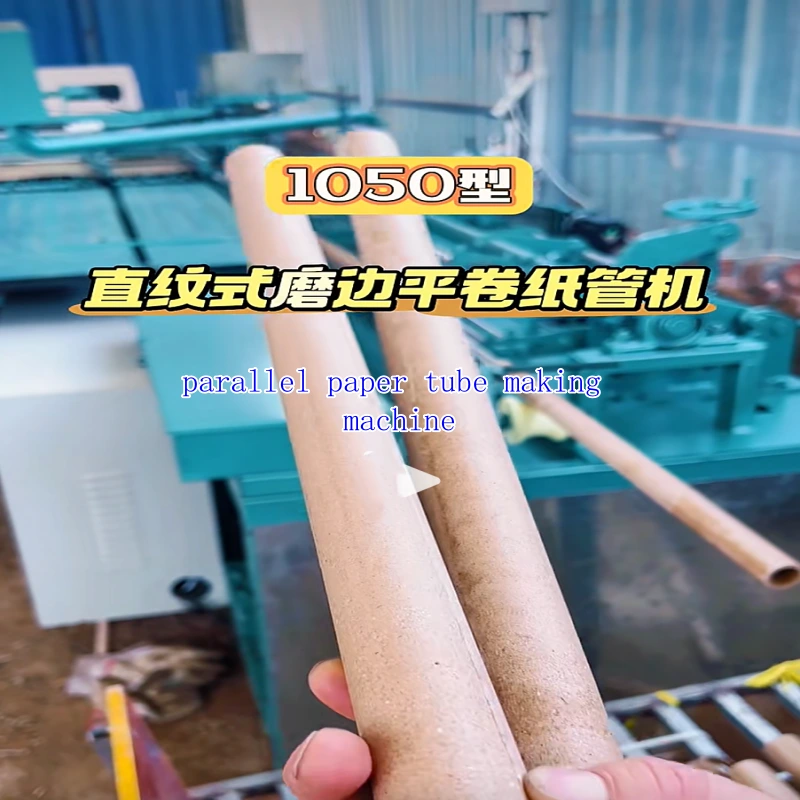
A machine can look right on paper and still become an expensive problem after shipment. That is why choosing a paper machine export service supplier is not just about comparing prices. For buyers building a tissue line, adding a slitting rewinder, or launching paper tube production, the real question is whether the supplier can deliver equipment that matches output goals, export requirements, installation conditions, and long-term operating needs.

For industrial buyers, this decision usually sits between two risks. One is paying too much for a machine package that includes features your factory does not need. The other is buying on low price alone and finding out later that spare parts, electrical standards, documentation, or technical support were not properly planned. A capable export supplier helps reduce both risks.
What a paper machine export service supplier should actually provide
Many companies can quote machinery. Fewer can support an international equipment purchase from technical selection to final delivery. A serious paper machine export service supplier should operate with a clear process that starts before the order and continues after the machine reaches your plant.
The first requirement is product knowledge. Paper converting and paper processing equipment is rarely one-size-fits-all. A toilet paper rewinding line, a facial tissue production machine, an A4 paper ream packing setup, and a paper tube forming machine all have different production logic, material requirements, and operator demands. The supplier should be able to discuss raw material width, finished product size, target speed, automation level, power supply, workshop layout, and labor structure without guessing.
The second requirement is export readiness. That includes proper packing, documentation, labeling, container loading experience, and familiarity with international shipment standards. For many buyers, especially those importing for the first time, mistakes here cause more delay than the machine build itself. Missing paperwork, weak packaging, or poor loading plans can lead to customs issues, damage in transit, or installation delays.
The third requirement is service continuity. A machine is not finished when it leaves the factory. Buyers need operating manuals, wiring diagrams, spare parts planning, commissioning guidance, and timely answers when production issues appear. If a supplier becomes difficult to reach after payment, the low purchase price loses its value quickly.
How to evaluate supplier strength before you place an order
A paper machine export service supplier should be assessed as both a manufacturer and a service partner. That distinction matters. If the company controls production directly, it is usually easier to confirm machine specifications, modify configurations, monitor quality during assembly, and support technical changes. If the company is only reselling equipment, communication gaps can appear when questions become specific.
Ask detailed questions early. Request confirmation on machine model, output range, finished product dimensions, raw material compatibility, motor brands, electrical components, and certification status. A reliable supplier will answer directly and consistently. Vague replies often signal limited technical control.
Production references also matter, but they should be relevant. A supplier with export history in tissue converting may not be equally strong in notebook machinery or edge protector systems. Buyers should look for evidence that the supplier has experience with the exact category being purchased, not just general industrial export claims.
Response speed is another practical indicator. In export machinery business, delays in quotation often become delays in drawing confirmation, manufacturing updates, shipment coordination, and after-sales support. Fast response by itself is not enough, but disciplined communication usually reflects stronger internal organization.
Factory-direct supply versus trading-only supply
This is one of the most common decision points for buyers. A factory-direct supplier usually offers better visibility into machine production, more flexibility on customization, and clearer accountability. That can be especially useful when your project requires machine width adjustments, voltage changes, localized packaging formats, or integration across several pieces of equipment.
Trading companies can still be useful in some cases, particularly when a buyer wants to source multiple unrelated categories through one channel. But there is a trade-off. The more layers between the buyer and the actual factory, the harder it becomes to resolve technical disputes quickly.
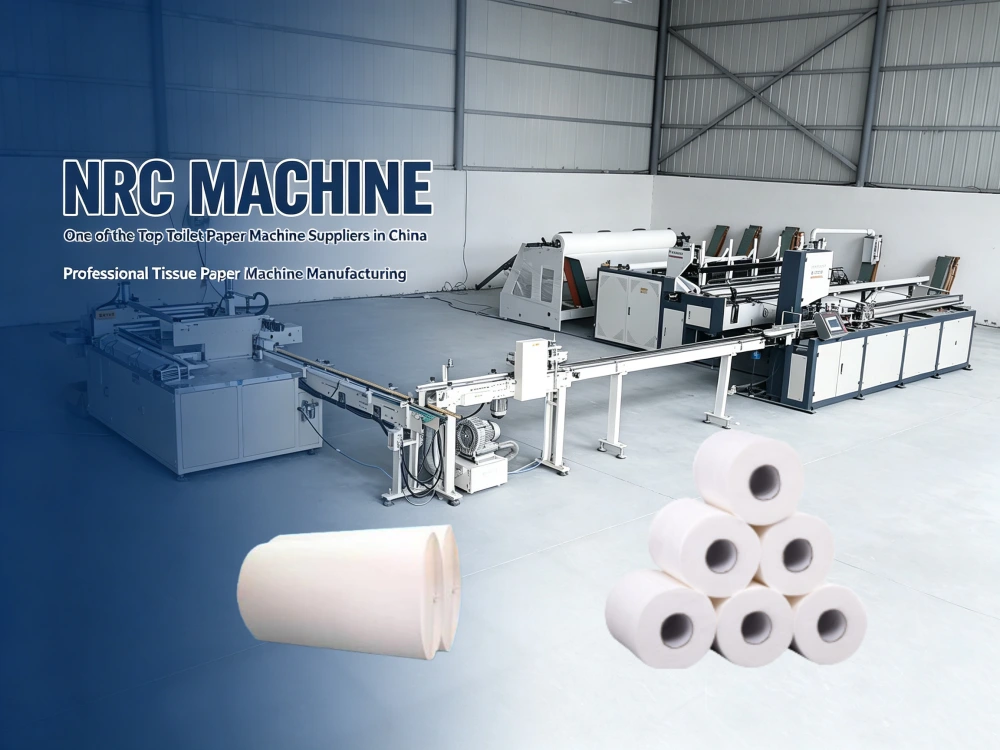
For buyers focused on paper converting and processing lines, direct manufacturer support often gives better control over quality, price structure, and post-sale service. Companies such as NRC Machine position themselves around that factory-based model because industrial buyers want a clear line between inquiry, production, shipment, and support.
Certifications, compliance, and why they affect real operations
Certifications are not just marketing details. They can affect customs clearance, plant acceptance, operator safety, and buyer confidence. When reviewing a paper machine export service supplier, ask what certifications apply to the machine and what documents will be delivered with the shipment.
CE certification is frequently requested, but buyers should also confirm whether the machine configuration being ordered matches the certified structure. If a machine is heavily customized, documentation should still align with the delivered unit. This is especially important for importers selling into regulated markets or factories working under internal compliance rules.
It also helps to review safety design beyond the certificate itself. Emergency stops, guarding, electrical panel organization, and operating instructions influence daily production reliability. A lower-priced machine with weak safety execution may cost more over time through stoppages, retraining, or retrofit work.
Logistics service is part of machine quality
Industrial buyers sometimes separate machine quality from shipping quality, but the two are linked. A well-built machine can still arrive in poor condition if the export process is weak. A dependable paper machine export service supplier should know how to protect frames, rollers, control cabinets, and precision components during transport.
This becomes more important for long-distance shipments to markets where port handling can be rough or inland transport takes additional time. Export packing should suit the route, not just the warehouse departure. Moisture protection, anti-rust treatment, fixed loading points, and part identification all matter.
Buyers should also ask who manages container loading and whether loading photos, packing lists, and part check records will be provided. These details reduce disputes and speed up receiving work at the destination factory.
After-sales support separates serious suppliers from opportunistic sellers
If your production line stops, the value of the supplier becomes very clear. Good after-sales support starts before shipment by planning for wear parts, training points, and startup questions. It continues with installation guidance, troubleshooting support, and spare parts availability.
For some factories, remote support is enough because their maintenance team can handle electrical and mechanical setup. For others, especially first-time investors, more structured guidance is required. The right service model depends on the buyer’s technical team, machine complexity, and project schedule.
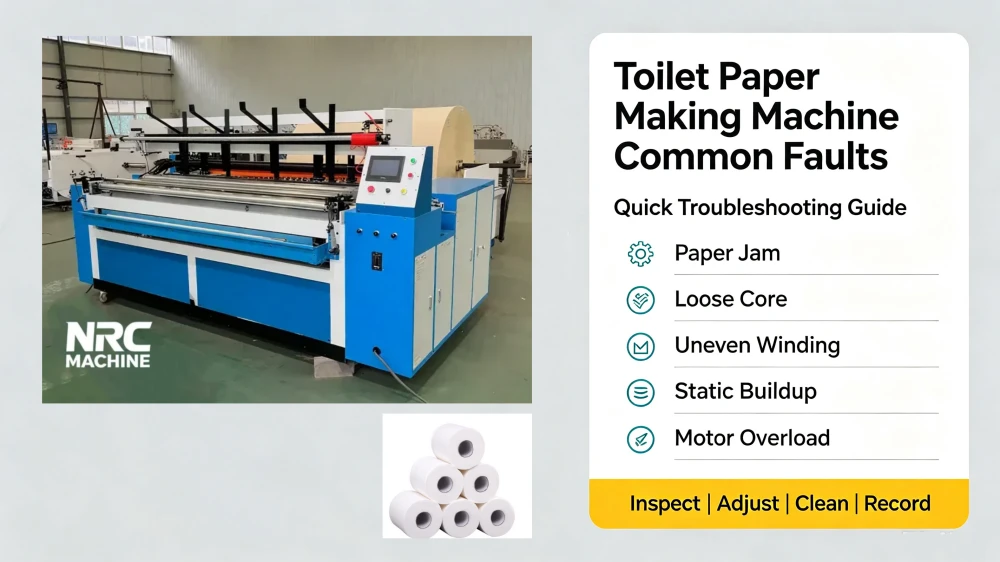
This is where buyers should be realistic. Not every factory needs the highest automation level, and not every machine requires on-site commissioning. But every buyer needs a supplier who can respond clearly when tension settings are wrong, finished product dimensions drift, or operator errors affect output.
Matching the machine to the business model
A strong supplier does more than sell equipment. It helps buyers match the machine to the intended business. A startup tissue manufacturer may need stable entry-level capacity, simple operation, and lower labor dependence. An established converter may prioritize speed, automation, and compatibility with existing lines. An importer may focus on broad market demand, serviceability, and resale support.
This is why machine selection cannot be separated from commercial goals. The right supplier asks about your product range, expected daily output, local labor cost, power conditions, and expansion plan. Without that discussion, the quote is just a number.
There is also no universal best option. A higher-speed machine may improve output but increase power demand, training requirements, and initial investment. A lower-cost line may be easier to start with but less efficient when orders grow. Good suppliers explain these trade-offs directly because they affect payback period and operating margin.
Questions worth asking before final approval
Before issuing a purchase order, buyers should make sure the supplier has confirmed final specifications, lead time, packing method, documentation, spare parts scope, payment terms, and service process after arrival. It is also wise to ask who will handle technical communication during production and whether pre-shipment inspection materials will be shared.
These are not formalities. They are the practical checkpoints that protect the project. When the supplier answers them with clarity, buyers gain a much better view of execution quality.
The right paper machine export service supplier does not just sell a machine and arrange freight. It helps the buyer move from specification to production with fewer surprises, better cost control, and stronger confidence at startup. For any factory planning to invest in paper converting or processing equipment, that difference is worth more than a small price gap at quotation stage.